This easy banana puree for baby is one of the quickest first foods you can prepare. Naturally sweet, soft and creamy, it requires no cooking and can be ready in just a few minutes.
Banana was one of those foods I loved having at home when my little one started solids. There was nothing to steam or cook — just peel, mash and serve. It was especially convenient when I needed to prepare something quickly.
Suitable for: Around 6 months+
Prep Time: 5 minutes
Cook Time: None
Servings: 1–2 baby portions
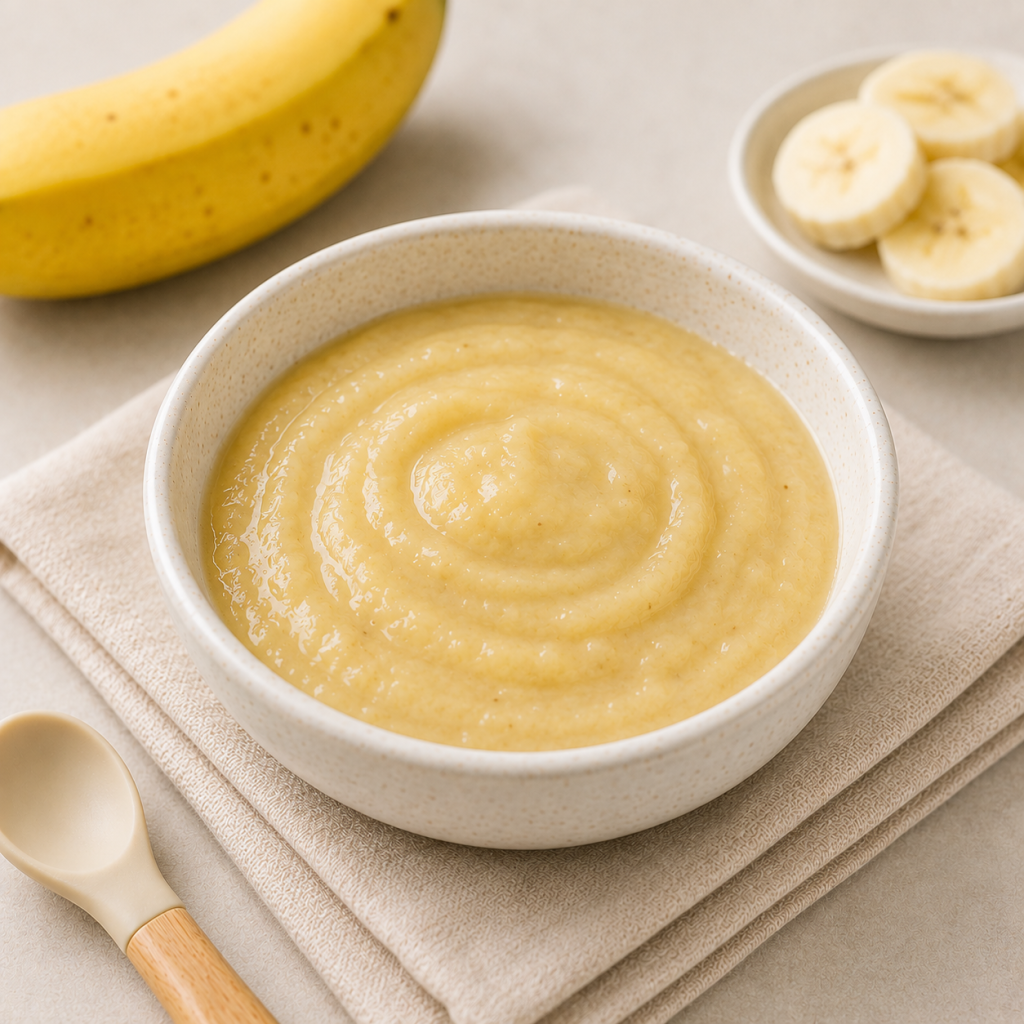
Ingredients for Banana Puree
You only need two simple ingredients:
- ½ ripe banana
- 1–3 tbsp warm water, as needed
Choose a ripe banana that is soft and easy to mash. The riper the banana, the easier it is to create a naturally smooth and creamy baby banana puree.
How to Make Banana Puree for Baby
1. Prepare the Banana
Peel the banana and cut it into a few smaller pieces.
2. Mash Until Smooth
Place the banana in a clean bowl and mash thoroughly with a fork or baby food masher.
For babies who are just starting solids, you can also blend the banana to achieve a smoother consistency.
3. Adjust the Texture
Add warm water one tablespoon at a time and mix until you reach your baby’s preferred consistency.
For babies beginning solids, you can make the banana puree smoother and thinner. As your baby progresses with textures, gradually reduce the amount of water and leave the banana slightly thicker.
4. Serve Fresh
Transfer the banana puree for baby into a clean baby bowl and serve immediately.
Banana is naturally sweet, so there’s no need to add sugar or other sweeteners.
[ Free Download PDF ↓ ]
Mum Tip
Banana was another one of my go-to baby foods on busy days. No cooking, hardly any preparation and very little washing up!
I normally prepare only what I need for one meal. It takes just a couple of minutes to mash, so making it fresh each time was much easier for me.
How to Choose a Banana for Baby Puree
A ripe banana will give you the best texture and make preparation much easier.
Look for a banana that:
- Is yellow and ripe
- Feels soft but not overly mushy
- Mashes easily with a fork
- Has no signs of spoilage
A few brown spots on the peel usually indicate that the banana is becoming riper and sweeter.
What Texture Should Banana Puree Be?
You can adjust the consistency depending on your baby’s stage.
For babies just starting solids:
Mash thoroughly or blend until smooth, adding a little warm water if needed.
As baby progresses:
Use less water and leave the banana thicker or slightly mashed to introduce more texture.
How to Store Banana Puree
Banana puree is best prepared and served fresh because banana naturally starts to brown after it is peeled and exposed to air.
Since it only takes a few minutes to prepare, I personally prefer making a fresh portion for each meal rather than preparing a large batch.
What Can I Mix With Banana Puree?
Once your baby has already tried the individual ingredients, banana can be combined with other baby-friendly foods.
Some easy combinations to try include:
- Banana + Avocado
- Banana + Apple
- Banana + Pear
- Banana + Oatmeal
- Banana + Yogurt
- Banana + Sweet Potato
SHOP SY PICKS
These are the simple tools I use at home to make baby food prep quicker and easier. Nothing fancy, just a few practical essentials that make cooking, portioning and storing meals much more convenient.
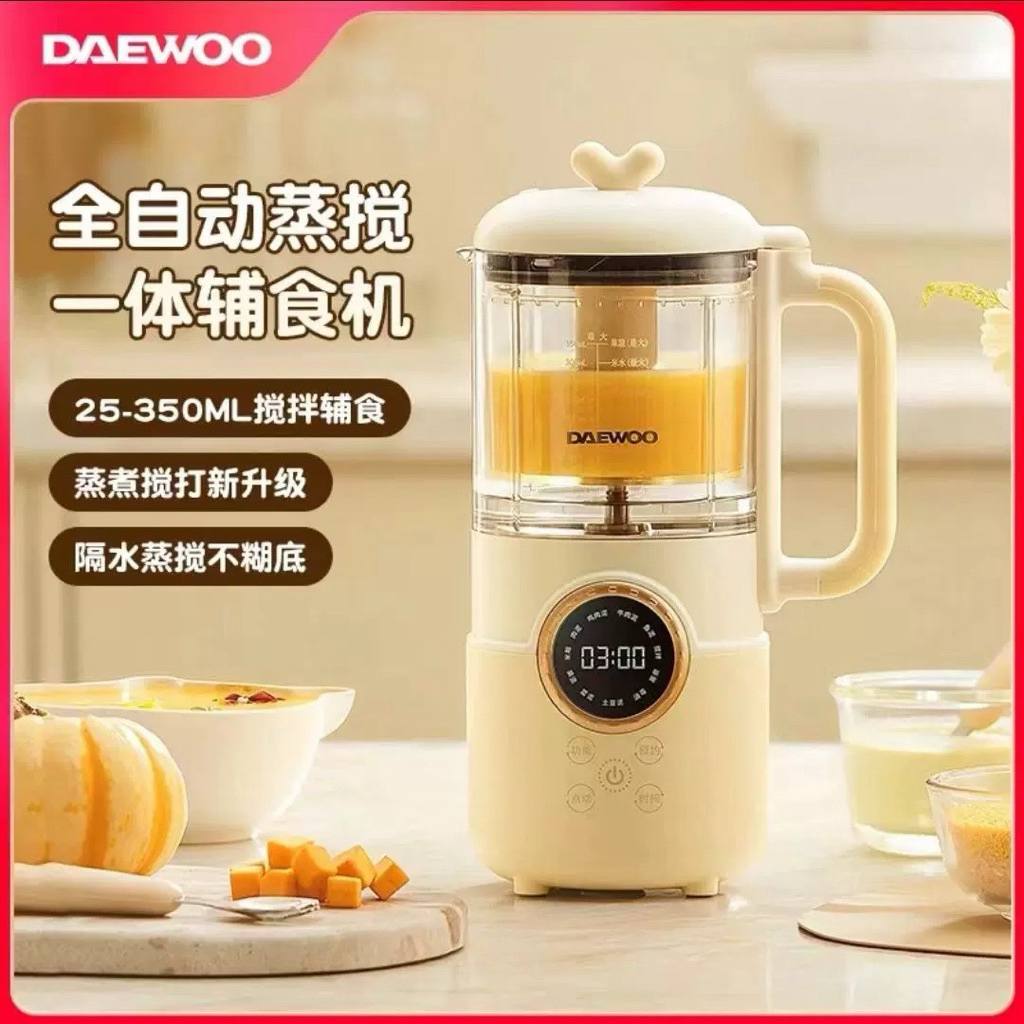
Perfect for blending baby food smoothly. Makes preparing homemade purees quick, easy and convenient for everyday meals.
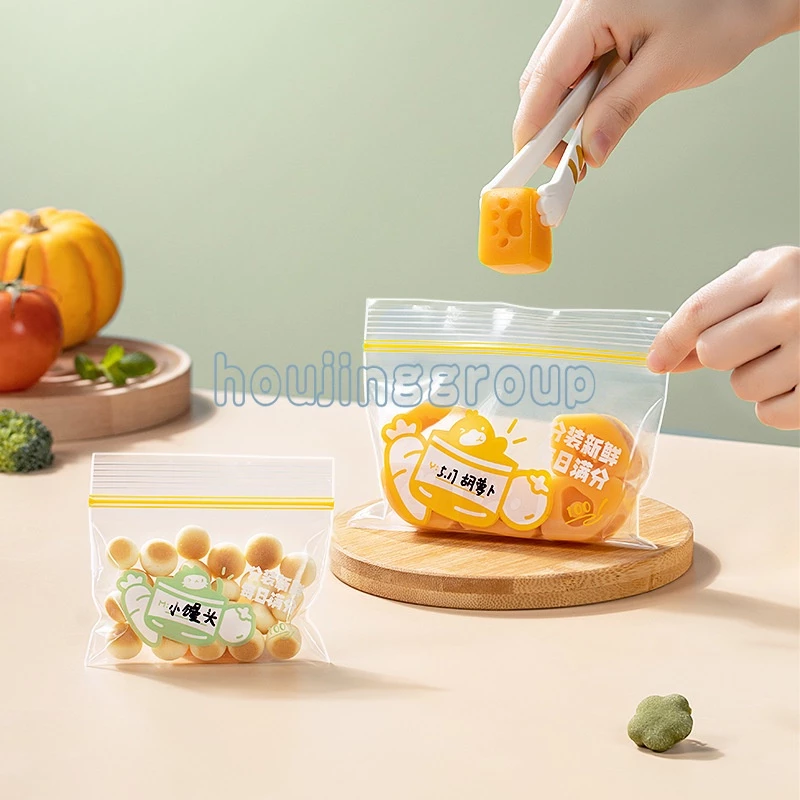
Perfect for storing and portioning baby meals. Keeps each serving organised and makes freezing and meal prep much easier.
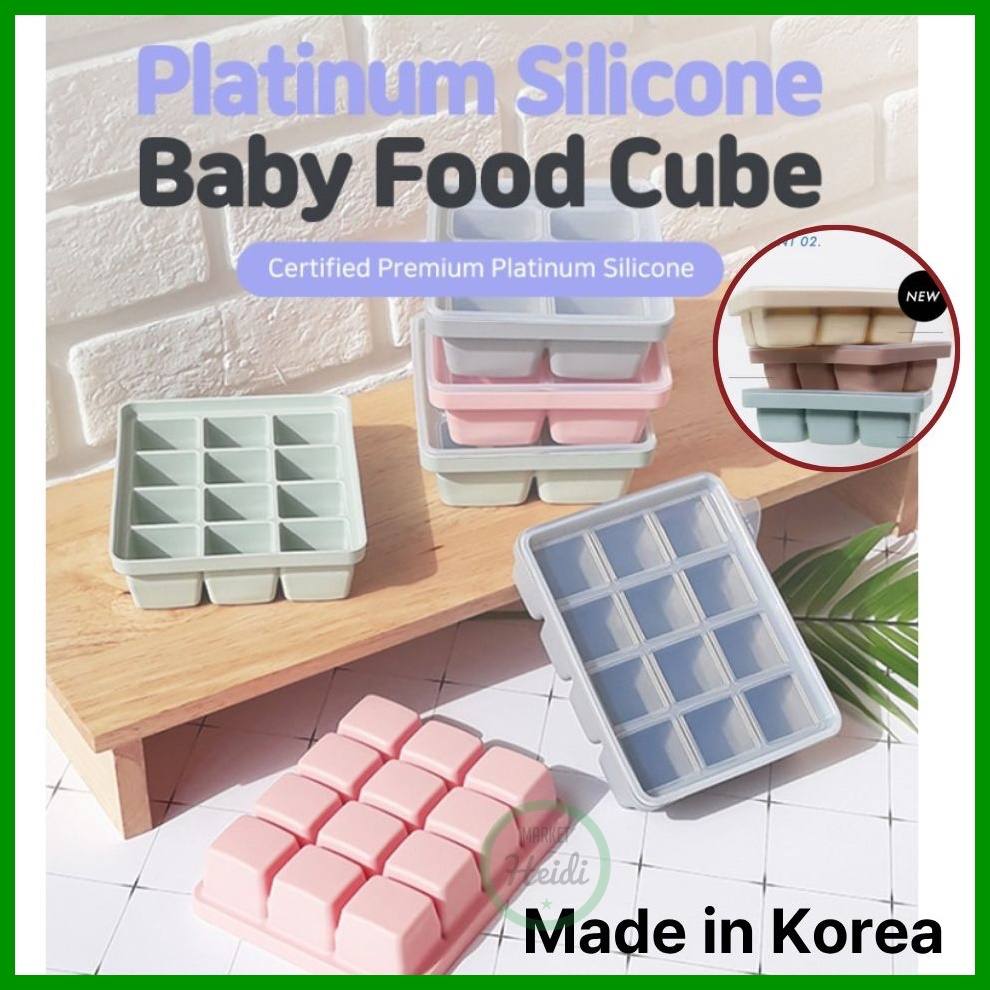
Perfect for freezing baby food portions. Makes storing homemade purees simple, organised and convenient for everyday meals.
Frequently Asked Questions
This article shares my personal experience and general information and should not replace individual medical or feeding advice. Babies develop at different rates. Speak with your child’s healthcare professional before starting solids if you have concerns about developmental readiness, growth, allergies or feeding.
About the author
SY is a mum of one and the founder of PicksBySY. Like many mums, she’s constantly learning, discovering and figuring things out as her little one grows. She created PicksBySY to share her real parenting experiences, useful finds and everyday discoveries – from baby milestones and toddler life to family activities and products she genuinely uses and loves.