Posted on Leave a comment

Avocado Banana Puree

This easy avocado banana puree for baby is a creamy, naturally sweet baby food that takes only a few minutes to prepare. With no cooking required, ripe avocado and banana can simply be mashed or blended together into a smooth texture that’s easy to adjust as your baby progresses with solids.

This was one of those recipes I liked keeping for busy days because there was no steaming or cooking involved. If I had a ripe avocado and banana at home, I could prepare a fresh portion for my little one within minutes — simple, convenient and with very little washing up.

Suitable for: Around 6 months+
Prep Time: 5 minutes
Cook Time: No cooking required
Servings: 1–2 baby portions
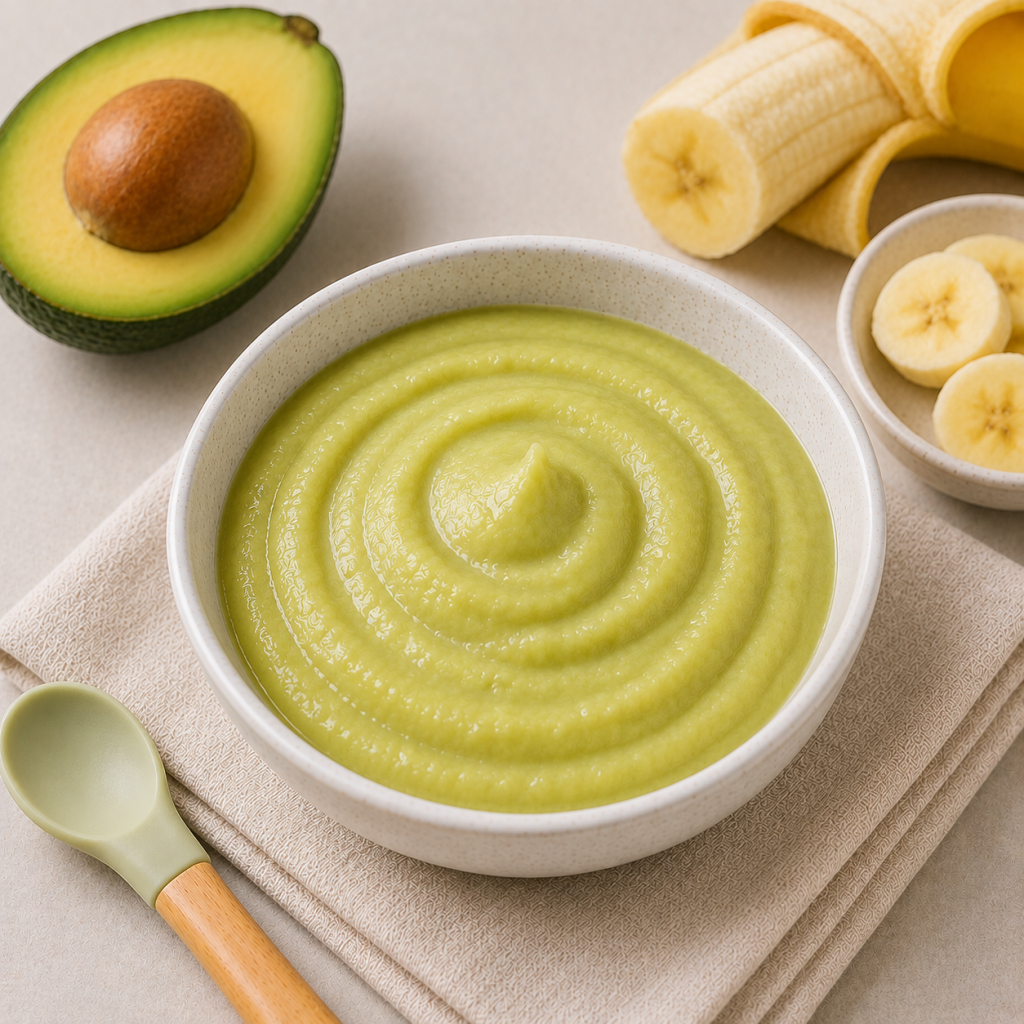
Ingredients for Avocado Banana Puree

You only need two simple ingredients:

  • ½ ripe avocado
  • ½ ripe banana
  • 1–2 tbsp warm water or baby’s usual milk, if needed

Avocado and banana both have naturally soft and creamy textures, making them an easy combination to mash or blend without any cooking.

How to Make Avocado Banana Puree for Baby

1. Prepare the Ingredients

Cut the avocado in half and remove the stone. Scoop the flesh out with a spoon.

Peel the banana and cut it into smaller pieces.

2. Mash or Blend

Place the avocado and banana into a clean bowl and mash thoroughly with a fork.

For a smoother consistency, transfer both ingredients into a baby food blender and blend until creamy.

3. Adjust the Texture

If the avocado banana puree for baby is too thick, add a small amount of warm water or your baby’s usual milk.

Add the liquid gradually until you reach your baby’s preferred consistency.

4. Serve Fresh

Transfer the puree into a clean baby bowl and serve immediately.

There’s no need to add sugar, honey or other sweeteners because ripe banana already provides plenty of natural sweetness.

[ Free Download PDF ↓ ]

Mum Tip

I personally prefer making avocado banana puree fresh rather than preparing a large batch.

Both avocado and banana start turning brown after they’re cut and exposed to air. Since this recipe takes only a few minutes to prepare, I find it easier to make just enough for one meal.

It’s also one of my favourite options for days when I don’t have time to steam or cook anything.

No Baby Food Maker Needed for This One

Unlike my pumpkin, potato or chicken puree recipes, this is one recipe where I usually don’t need to bring out my baby food maker.

A ripe avocado and banana are already soft enough to mash together with a fork. If I want an extra-smooth consistency, I simply use a small baby food blender.

For me, having a mix of cooked and no-cook baby food recipes makes meal preparation much more manageable during a busy week.

How to Choose Avocado and Banana for Baby Puree

For avocado, choose one that:

  • Is ripe and gives slightly when gently pressed
  • Has soft, creamy flesh
  • Has no mouldy or spoiled areas
  • Doesn’t have an unusual smell

For banana, choose one that:

  • Is ripe and naturally soft
  • Is easy to mash
  • Has no mouldy or spoiled areas
  • Has a naturally sweet flavour

Very firm avocado can be difficult to mash and may have a less creamy texture, so I prefer waiting until it is properly ripe.

What Texture Should Avocado Banana Puree Be?

For babies just starting solids:
Mash thoroughly or blend until you have a smooth and creamy consistency. Add a little liquid if necessary.

As baby progresses:
Mash with a fork instead of blending completely smooth, gradually introducing a thicker and slightly more textured consistency appropriate for your baby’s feeding abilities.

How to Store Avocado Banana Puree

Avocado and banana naturally oxidise and can turn brown quite quickly after being cut.

Because this recipe is so quick to make, I personally prefer preparing only the amount I need and serving it fresh rather than storing a large batch.

If you do have leftovers, place them promptly in a clean, airtight container in the refrigerator and follow appropriate food-storage guidance before serving again.

What Can I Mix With Avocado Banana Puree?

Once your baby has tried the individual ingredients, some easy combinations include:

  • Avocado + Banana + Apple
  • Avocado + Banana + Oats
  • Avocado + Banana + Sweet Potato
  • Avocado + Banana + Pear
  • Avocado + Banana + Plain Yoghurt

SHOP SY PICKS

These are the simple tools I use at home to make baby food prep quicker and easier. Nothing fancy, just a few practical essentials that make cooking, portioning and storing meals much more convenient.
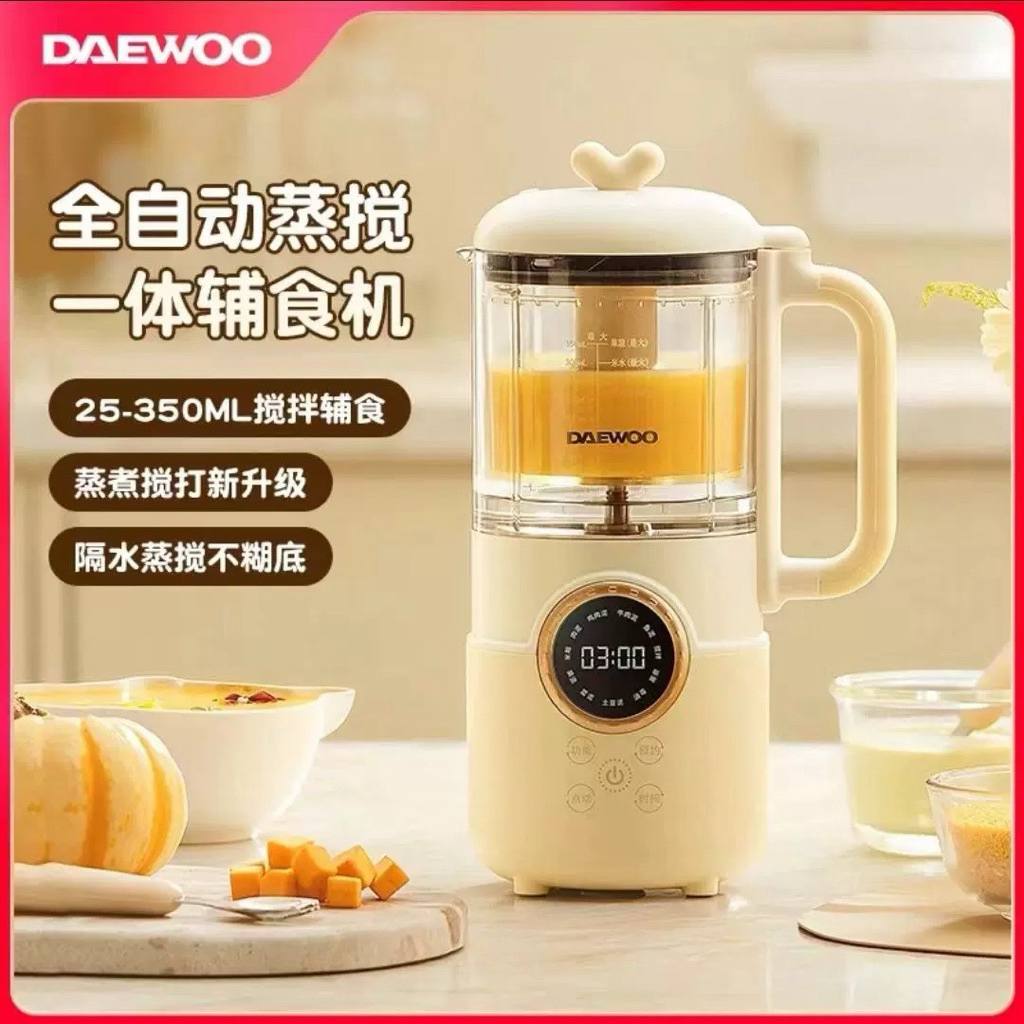
Daewoo Baby Food Maker 

Perfect for blending baby food smoothly. Makes preparing homemade purees quick, easy and convenient for everyday meals.
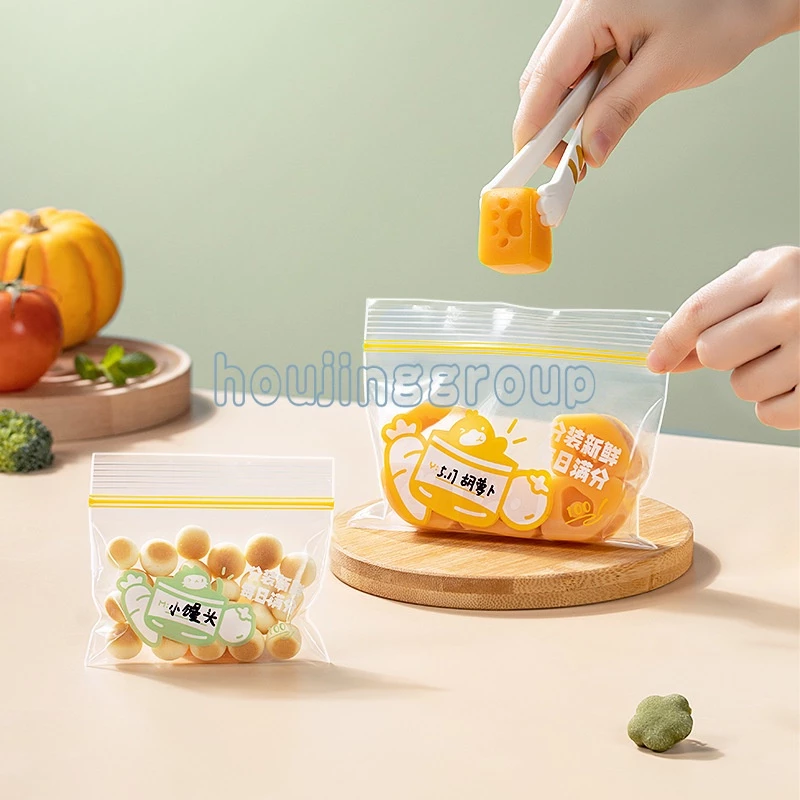
Ziplock Pouch For Food 

Perfect for storing and portioning baby meals. Keeps each serving organised and makes freezing and meal prep much easier.
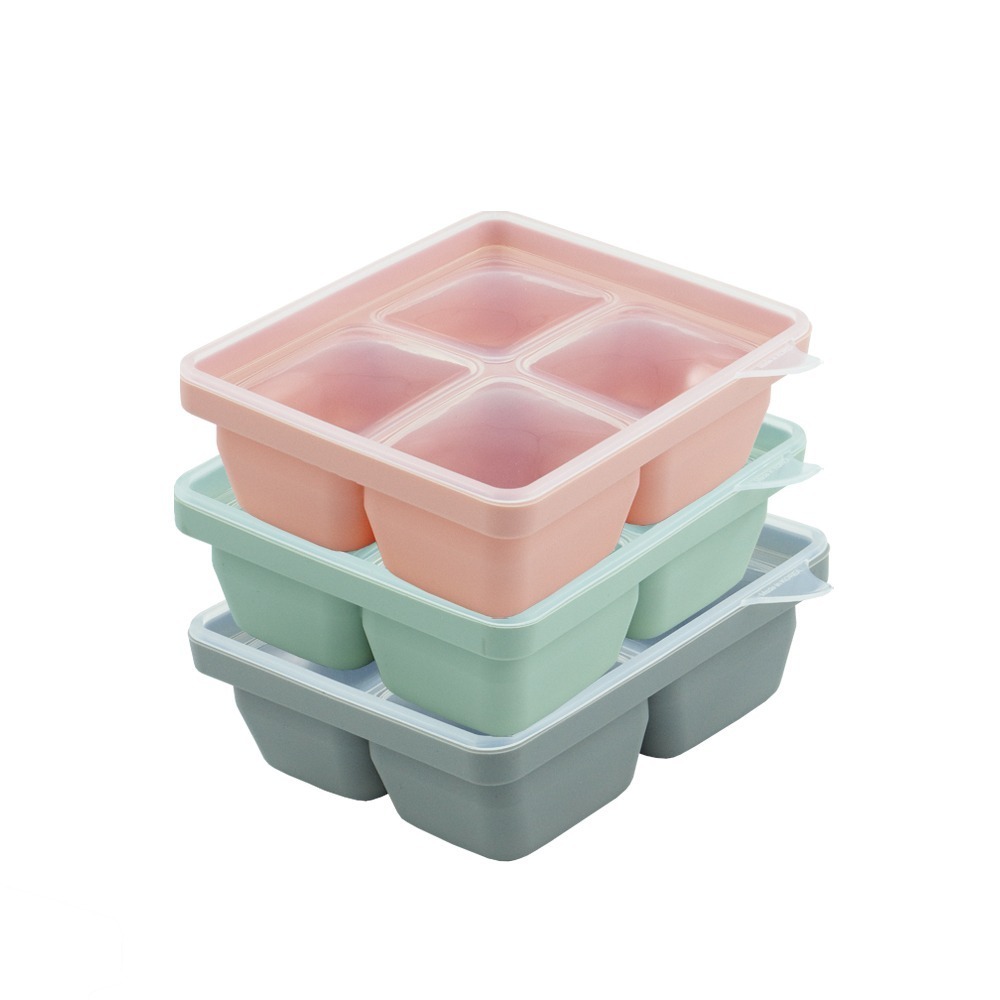
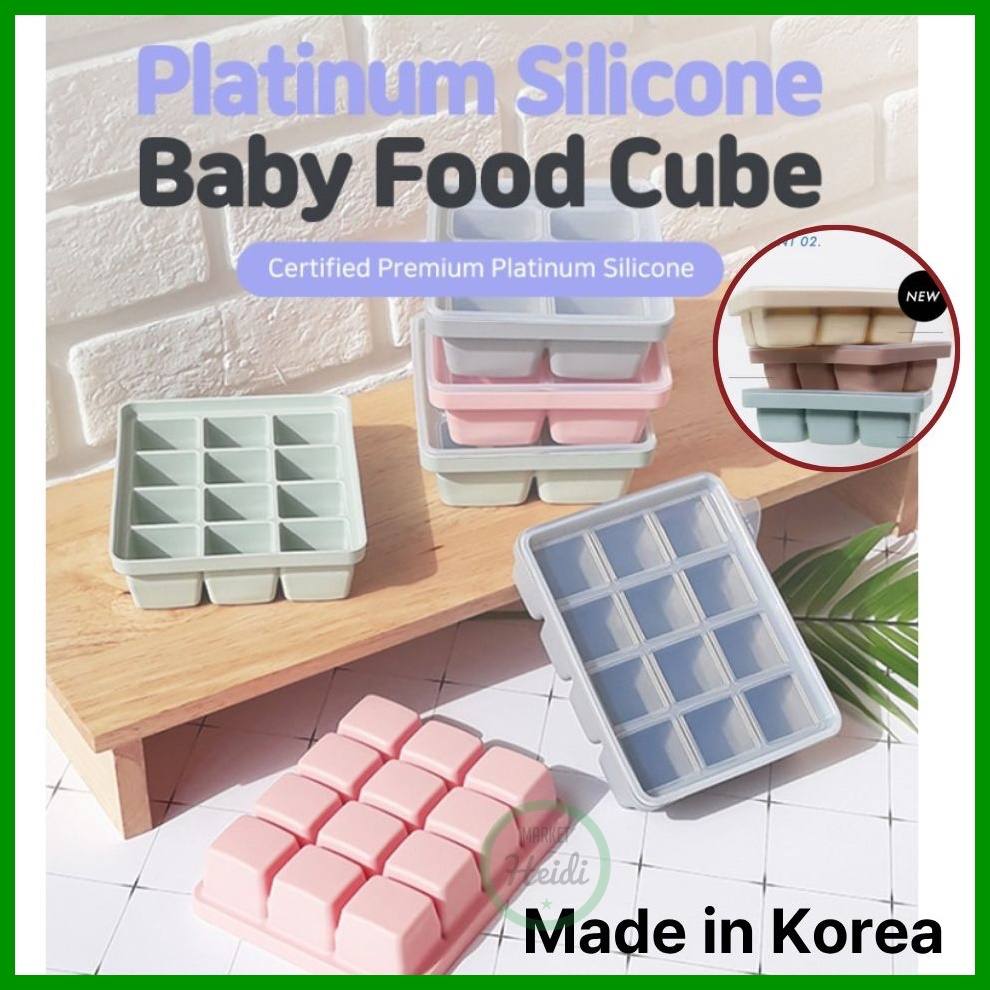
Silicone Cube Tray

Perfect for freezing baby food portions. Makes storing homemade purees simple, organised and convenient for everyday meals.

Frequently Asked Questions

Avocado and banana can be offered once your baby is developmentally ready to start solids. Prepare them in a texture appropriate for your baby’s feeding stage.

No. Ripe avocado is naturally soft and can be mashed or blended without cooking.

No. A ripe banana is soft enough to mash or blend directly with avocado, making this a convenient no-cook baby food recipe.

Avocado and banana naturally oxidise after their flesh is exposed to air, which can cause the puree to gradually turn brown.

Yes. This is one of the easiest baby purees to make without a blender. Make sure both fruits are ripe, then mash them thoroughly with a fork until you reach the desired texture.

You can use a small amount of your baby’s usual milk to adjust the consistency if appropriate. Add it gradually so the puree doesn’t become too runny.

You can, but I personally prefer making it fresh. Avocado and banana both oxidise quickly, and since the recipe takes only a few minutes, preparing a fresh portion is usually quite manageable.

Once individual ingredients have been introduced, avocado can be combined with banana, apple, pear, sweet potato or other suitable foods to create different flavours and textures.

This article shares my personal experience and general information and should not replace individual medical or feeding advice. Babies develop at different rates. Speak with your child’s healthcare professional before starting solids if you have concerns about developmental readiness, growth, allergies or feeding.

About the author

SY is a mum of one and the founder of PicksBySY. Like many mums, she’s constantly learning, discovering and figuring things out as her little one grows. She created PicksBySY to share her real parenting experiences, useful finds and everyday discoveries – from baby milestones and toddler life to family activities and products she genuinely uses and loves.

More Recipes

Explore more easy baby food recipes for your little one.

Sweet Potato Puree

Banana Puree

Avocado Puree

Pumpkin Puree

Posted on Leave a comment

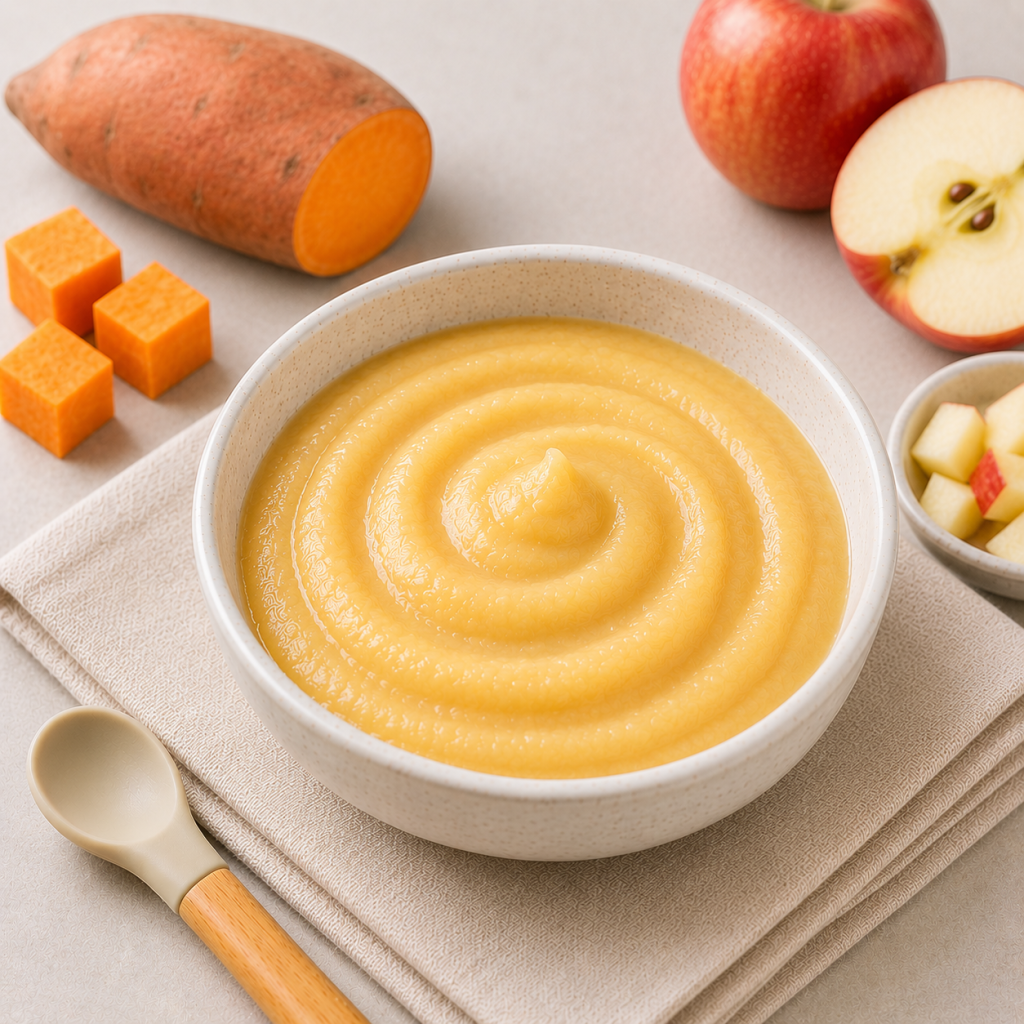
Salmon Pumpkin Puree

This easy salmon pumpkin puree for baby combines tender salmon with naturally sweet and creamy pumpkin for a simple homemade baby meal. Once steamed until soft, both ingredients can be blended together into a smooth texture that’s easy to adjust as your baby progresses with solids.

When I started introducing fish to my little one, I liked pairing it with vegetables she was already familiar with. Pumpkin worked especially well because its natural sweetness balanced the stronger flavour of salmon without needing any extra seasoning.

Suitable for: Around 6 months+
Prep Time: 10 minutes
Cook Time: 15–20 minutes
Servings: 1–2 baby portions

Ingredients for Salmon Pumpkin Puree

You only need three simple ingredients:

  • 30g fresh salmon
  • ½ cup pumpkin, peeled and cut into small pieces
  • 2–4 tbsp warm water, as needed

Salmon and pumpkin make a creamy and savoury combination, with pumpkin adding a little natural sweetness to the meal.

How to Make Salmon Pumpkin Puree for Baby

1. Prepare the Ingredients

Remove the pumpkin skin and seeds, then wash and cut the pumpkin into small pieces.

Check the salmon carefully and remove the skin and any bones before cooking.

2. Steam Until Fully Cooked

Steam the pumpkin and salmon for around 15–20 minutes, or until the pumpkin is completely soft and the salmon is thoroughly cooked and flakes easily.

After cooking, flake the salmon apart and check carefully for any remaining bones before blending.

3. Blend Until Smooth

Transfer the cooked salmon and pumpkin into a baby food blender.

Add warm water gradually and blend until you reach your baby’s preferred consistency.

4. Serve Warm

Transfer the salmon pumpkin puree for baby into a clean baby bowl and allow it to cool to a suitable temperature before serving.

There’s no need to add salt or other seasoning.

[ Free Download PDF ↓ ]

Mum Tip

When preparing salmon for my little one, the part I pay the most attention to is checking for bones.

I usually check the salmon once when preparing it and again after it’s cooked and flaked. The second check gives me another chance to spot any tiny bones I might have missed.

I also like pairing salmon with pumpkin because the naturally sweet flavour makes fish easier to incorporate into a simple baby meal.

How to Choose Salmon and Pumpkin for Baby Puree

For salmon, choose:

  • Fresh salmon from a trusted source
  • Flesh that looks fresh and firm
  • Salmon with no unusual or unpleasant smell
  • A boneless cut where possible, while still checking carefully for bones yourself

For pumpkin, choose one that:

  • Feels firm
  • Has fresh-looking flesh
  • Has no soft, mouldy or spoiled areas
  • Has a naturally bright colour

What Texture Should Salmon Pumpkin Puree Be?

For babies just starting solids:
Blend thoroughly with enough warm water to create a smooth consistency.

As baby progresses:
Use less water and gradually make the puree thicker.

When your baby is comfortable with more texture, you can also blend the pumpkin while leaving the salmon slightly less smooth, as appropriate for your baby’s feeding abilities.

How to Store Salmon Pumpkin Puree

Because this recipe contains cooked fish, cool any portion you’re keeping promptly and transfer it into a clean, airtight container in the refrigerator.

I personally prefer preparing fish-based baby meals in smaller portions so I only make what I actually need. If I prepare extra, I portion it before storing so it’s easier to take out one serving at a time.

What Can I Mix With Salmon Pumpkin Puree?

Once the individual ingredients have been introduced, some easy combinations include:

  • Salmon + Pumpkin + Potato
  • Salmon + Pumpkin + Sweet Potato
  • Salmon + Pumpkin + Carrot
  • Salmon + Pumpkin + Broccoli
  • Salmon + Pumpkin + Rice

SHOP SY PICKS

These are the simple tools I use at home to make baby food prep quicker and easier. Nothing fancy, just a few practical essentials that make cooking, portioning and storing meals much more convenient.

Daewoo Baby Food Maker 

Perfect for blending baby food smoothly. Makes preparing homemade purees quick, easy and convenient for everyday meals.

Ziplock Pouch For Food 

Perfect for storing and portioning baby meals. Keeps each serving organised and makes freezing and meal prep much easier.

Silicone Cube Tray

Perfect for freezing baby food portions. Makes storing homemade purees simple, organised and convenient for everyday meals.

Frequently Asked Questions

Salmon and pumpkin can be offered once your baby is developmentally ready for solids. Fish is also a common allergen, so introduce it in an age-appropriate form and follow the feeding guidance you use for introducing new allergens.

For this smooth puree recipe, I prefer removing the salmon skin before cooking and blending.

Check the salmon carefully before cooking. After steaming, flake the fish apart and check it again before placing it into the blender. I prefer doing both checks when preparing salmon for my little one.

No. There’s no need to add salt or seasoning. Pumpkin already adds some natural sweetness and flavour to the puree.

Yes. Steam the pumpkin until very soft and mash it thoroughly. Cook and finely flake the salmon, checking carefully for bones, then combine it with the mashed pumpkin in a texture appropriate for your baby’s feeding stage.

Pumpkin naturally creates a thick and creamy consistency. Add warm water a little at a time while blending until you reach the texture you want.

Salmon can be paired with ingredients such as potato, sweet potato, carrot or broccoli, once those ingredients have been introduced individually.

This article shares my personal experience and general information and should not replace individual medical or feeding advice. Babies develop at different rates. Speak with your child’s healthcare professional before starting solids if you have concerns about developmental readiness, growth, allergies or feeding.

About the author

SY is a mum of one and the founder of PicksBySY. Like many mums, she’s constantly learning, discovering and figuring things out as her little one grows. She created PicksBySY to share her real parenting experiences, useful finds and everyday discoveries – from baby milestones and toddler life to family activities and products she genuinely uses and loves.
More Recipes

Explore more easy baby food recipes for your little one.

Sweet Potato Puree

Banana Puree

Avocado Puree

Pumpkin Puree

Posted on Leave a comment

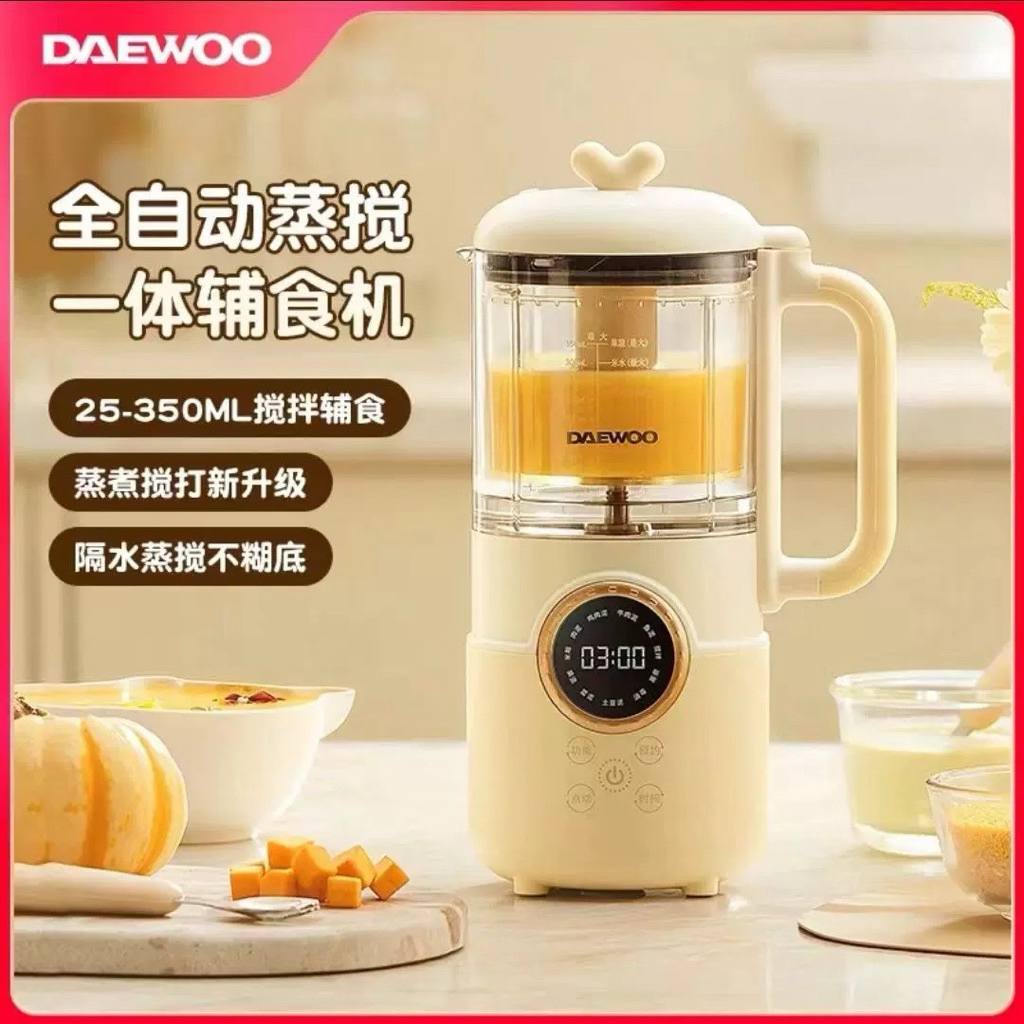
Sweet Potato Apple Puree

This easy sweet potato apple puree for baby is a naturally sweet and creamy baby food that requires only a few simple ingredients. Once steamed until soft, sweet potato and apple blend together into a smooth texture that’s easy to adjust as your baby progresses with solids.

Sweet potato and apple were two ingredients I often had at home, which made this combination really convenient when my little one started solids. I could simply peel, steam and blend them with a little warm water — an easy option when I wanted to add some variety without making the meal too complicated.

Suitable for: Around 6 months+
Prep Time: 10 minutes
Cook Time: 15–20 minutes
Servings: 1–2 baby portions

Ingredients for Sweet Potato Apple Puree

You only need three simple ingredients:

  • ½ small sweet potato
  • ½ medium apple
  • 2–4 tbsp warm water, as needed

Sweet potato and apple make a naturally sweet and creamy combination, with the apple adding a light fruity flavour to the meal.

How to Make Sweet Potato Apple Puree for Baby

1. Prepare the Ingredients

Peel and wash the sweet potato before cutting it into small pieces.

Peel the apple, remove the core and seeds, then cut it into small pieces.

2. Steam Until Soft

Steam the sweet potato and apple for around 15–20 minutes, or until both are completely soft and easy to mash with a fork.

3. Blend Until Smooth

Transfer the cooked sweet potato and apple into a baby food blender.

Add warm water gradually and blend until you reach your baby’s preferred consistency.

4. Serve Warm

Transfer the sweet potato apple puree for baby into a clean baby bowl and allow it to cool before serving.

There’s no need to add sugar or other sweeteners, as the ingredients already have plenty of natural sweetness.

[ Free Download PDF ↓ ]

An Easier Way: Using a Daewoo Baby Food Maker

On busy days, I like anything that can reduce the number of steps and things I need to wash. A Daewoo Baby Food Maker can be especially convenient because it combines steaming and blending in one machine.

For this sweet potato apple puree, simply prepare and cut the ingredients into smaller pieces, place them into the food maker to steam until soft, then blend them directly in the same machine until you reach your baby’s preferred consistency.

Why I Like a 2-in-1 Baby Food Maker

  • Steam and blend in one machine – no need to use a separate steamer and blender.
  • Less washing up – especially helpful when preparing baby food regularly.
  • Easy for small portions – convenient when you only need one or two baby servings.
  • Adjustable texture – blend smoother for early solids or gradually leave more texture as your baby progresses.
  • Useful for meal prep – works for vegetables, fruits and other baby food combinations.

Mum Tip

I like this combination because both ingredients are naturally sweet, so there’s really no need to add anything else.

Sweet potato can make the puree quite thick, so I usually add the water little by little while blending until I get the texture I want.

How to Choose Sweet Potato and Apple for Baby Puree

For sweet potato, choose one that:

  • Feels firm
  • Has relatively smooth, fresh-looking skin
  • Has no soft or spoiled areas

For apple, choose one that:

  • Feels firm and fresh
  • Has no bruised or spoiled areas
  • Is ripe and naturally sweet

What Texture Should Sweet Potato Apple Puree Be?

For babies just starting solids:
Blend thoroughly with enough warm water to create a smooth consistency.

As baby progresses:
Use less water and gradually make the puree thicker.

How to Store Sweet Potato Apple Puree

Cool any portion you’re keeping promptly and transfer it into a clean, airtight container in the refrigerator.

I personally prefer preparing baby puree in smaller portions. If I make extra, I portion it before storing so I can easily take out only what I need for each meal.

What Can I Mix With Sweet Potato Apple Puree?

Some easy combinations include:

  • Sweet Potato + Apple + Carrot
  • Sweet Potato + Apple + Pumpkin
  • Sweet Potato + Apple + Banana
  • Sweet Potato + Apple + Oats
  • Sweet Potato + Apple + Avocado

SHOP SY PICKS

These are the simple tools I use at home to make baby food prep quicker and easier. Nothing fancy, just a few practical essentials that make cooking, portioning and storing meals much more convenient.

Daewoo Baby Food Maker 

Perfect for blending baby food smoothly. Makes preparing homemade purees quick, easy and convenient for everyday meals.

Ziplock Pouch For Food 

Perfect for storing and portioning baby meals. Keeps each serving organised and makes freezing and meal prep much easier.

Silicone Cube Tray

Perfect for freezing baby food portions. Makes storing homemade purees simple, organised and convenient for everyday meals.

Frequently Asked Questions

Sweet potato and apple can be introduced when your baby is developmentally ready to start solids, which is commonly around 6 months. Make sure the puree is prepared in a smooth, age-appropriate texture.

For this recipe, I prefer steaming the apple together with the sweet potato. It softens the apple and makes both ingredients easy to blend into a smooth puree.

No. Sweet potato and apple are naturally sweet, so there’s no need to add sugar, honey or other sweeteners.

Yes. If both ingredients are steamed until very soft, you can mash them thoroughly with a fork. Add a little warm water if needed to adjust the consistency.

Yes, you can portion the puree into clean, freezer-safe baby food containers or silicone trays. I find portioning it before freezing especially convenient because I can take out only what I need for each meal.

Sweet potato naturally creates a thick, creamy puree. Simply add warm water a little at a time while blending until you reach your baby’s preferred consistency.

Once your baby has tried the individual ingredients, you can experiment with combinations such as carrot, pumpkin, banana, avocado or oats to create different flavours and textures.

This article shares my personal experience and general information and should not replace individual medical or feeding advice. Babies develop at different rates. Speak with your child’s healthcare professional before starting solids if you have concerns about developmental readiness, growth, allergies or feeding.

About the author

SY is a mum of one and the founder of PicksBySY. Like many mums, she’s constantly learning, discovering and figuring things out as her little one grows. She created PicksBySY to share her real parenting experiences, useful finds and everyday discoveries – from baby milestones and toddler life to family activities and products she genuinely uses and loves.
More Recipes

Explore more easy baby food recipes for your little one.

Pumpkin Puree

Avocado Puree

Banana Puree

Potato Puree

Posted on Leave a comment

Potato Puree

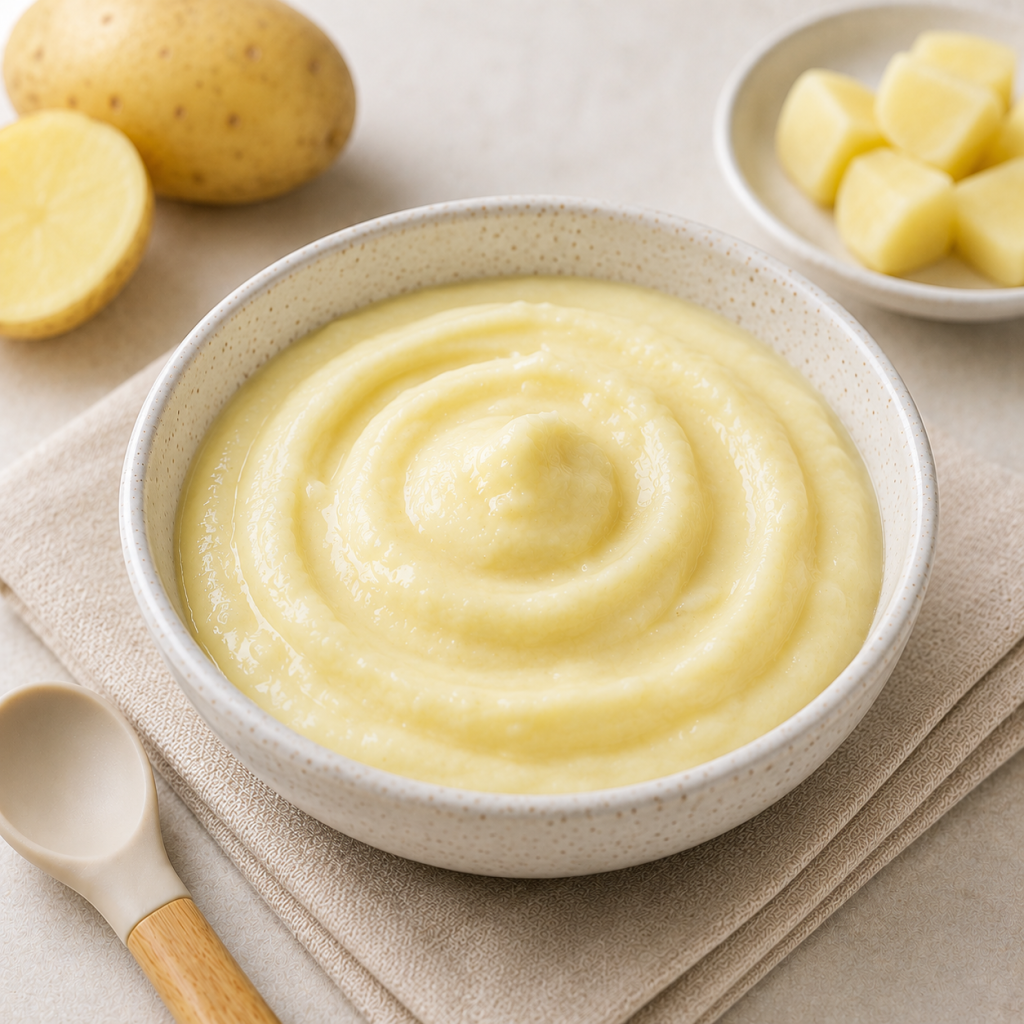
This easy potato puree for baby is a simple and creamy first food that requires only a few basic ingredients. Once cooked until soft, potato can be blended into a smooth texture that’s easy to adjust as your baby progresses with solids.

Potato was one of those ingredients I almost always had at home, which made it really convenient when my little one started solids. I could simply peel, steam and blend it with a little warm water — an easy option when I wanted to prepare something without too much fuss.

Suitable for: Around 6 months+
Prep Time: 5 minutes
Cook Time: 15 minutes
Servings: 1–2 baby portions

Ingredients for Potato Puree

You only need two simple ingredients:

  • 1 small potato
  • 2–4 tbsp warm water, as needed

Choose a fresh potato that feels firm and has no green patches or sprouts. Potato becomes naturally soft and creamy when cooked, making it easy to prepare as a simple potato puree for baby.

How to Make Potato Puree for Baby

1. Prepare the Potato

Peel the potato and wash it thoroughly. Cut it into small, evenly sized cubes so that it cooks more quickly and evenly.

2. Cook Until Soft

Steam or boil the potato for around 10–15 minutes, or until it is completely soft and can be easily pierced with a fork.

3. Blend Until Smooth

Transfer the cooked potato into a baby food blender or processor.

Add warm water one tablespoon at a time and blend until smooth.

For babies who are just starting solids, make the potato puree smoother and thinner. As your baby progresses with textures, gradually use less water for a thicker consistency.

4. Serve Warm

Transfer the potato puree for baby into a clean baby bowl. Allow it to cool to a safe temperature before serving.

There’s no need to add salt or other seasoning.

[ Free Download PDF ↓ ]

Mum Tip

Potato was one of those ingredients I always had at home, so it was an easy option whenever I needed to prepare something simple for my baby.

One thing I noticed is that potato can become quite thick after blending. I normally add the water little by little rather than all at once so I can control the consistency better.

How to Choose a Potato for Baby Puree

Choose a fresh potato that:

  • Feels firm
  • Has smooth, healthy-looking skin
  • Has no green patches
  • Has no sprouts
  • Has no soft or rotten areas

What Texture Should Potato Puree Be?

You can adjust the consistency depending on your baby’s stage.

For babies just starting solids:
Blend until smooth, adding warm water gradually to create a thinner consistency.

As baby progresses:
Use less water and mash the potato instead of blending completely smooth to introduce more texture.

How to Store Potato Puree

Potato puree can be prepared ahead and stored in a clean, airtight food container in the refrigerator.

I personally prefer making smaller portions whenever possible because freshly prepared potato tends to have a nicer texture.

What Can I Mix With Potato Puree?

Once your baby has already tried the individual ingredients, potato can be combined with other baby-friendly foods.

Some easy combinations to try include:

  • Potato + Carrot
  • Potato + Pumpkin
  • Potato + Broccoli
  • Potato + Chicken
  • Potato + Salmon
  • Potato + Spinach

SHOP SY PICKS

These are the simple tools I use at home to make baby food prep quicker and easier. Nothing fancy, just a few practical essentials that make cooking, portioning and storing meals much more convenient.

Daewoo Baby Food Maker 

Perfect for blending baby food smoothly. Makes preparing homemade purees quick, easy and convenient for everyday meals.

Ziplock Pouch For Food 

Perfect for storing and portioning baby meals. Keeps each serving organised and makes freezing and meal prep much easier.

Silicone Cube Tray

Perfect for freezing baby food portions. Makes storing homemade purees simple, organised and convenient for everyday meals.

Frequently Asked Questions

Potato can be prepared in a soft, age-appropriate texture for babies who are developmentally ready to start solids, usually around 6 months. Make sure the potato is thoroughly cooked until soft before blending or mashing.

I prefer peeling the potato when making potato puree for baby, especially during the early stages of solids. This also helps create a smoother consistency.

You can use a little breast milk or your baby’s usual prepared formula to adjust the consistency if appropriate. Warm water also works perfectly well.

Potato contains starch and can become sticky or gummy when over-blended. Try blending only until smooth or mash the cooked potato with a fork instead.

Potato puree can be portioned into suitable freezer-safe baby food containers, although its texture may change after freezing and reheating. I personally prefer making smaller fresh batches.

Potato pairs well with carrot, pumpkin, broccoli, spinach, chicken and salmon.

About the author

SY is a mum of one and the founder of PicksBySY. Like many mums, she’s constantly learning, discovering and figuring things out as her little one grows. She created PicksBySY to share her real parenting experiences, useful finds and everyday discoveries – from baby milestones and toddler life to family activities and products she genuinely uses and loves.
More Recipes

Explore more easy baby food recipes for your little one.

Sweet Potato Puree

Banana Puree

Avocado Puree

Pumpkin Puree

Posted on Leave a comment

Banana Puree

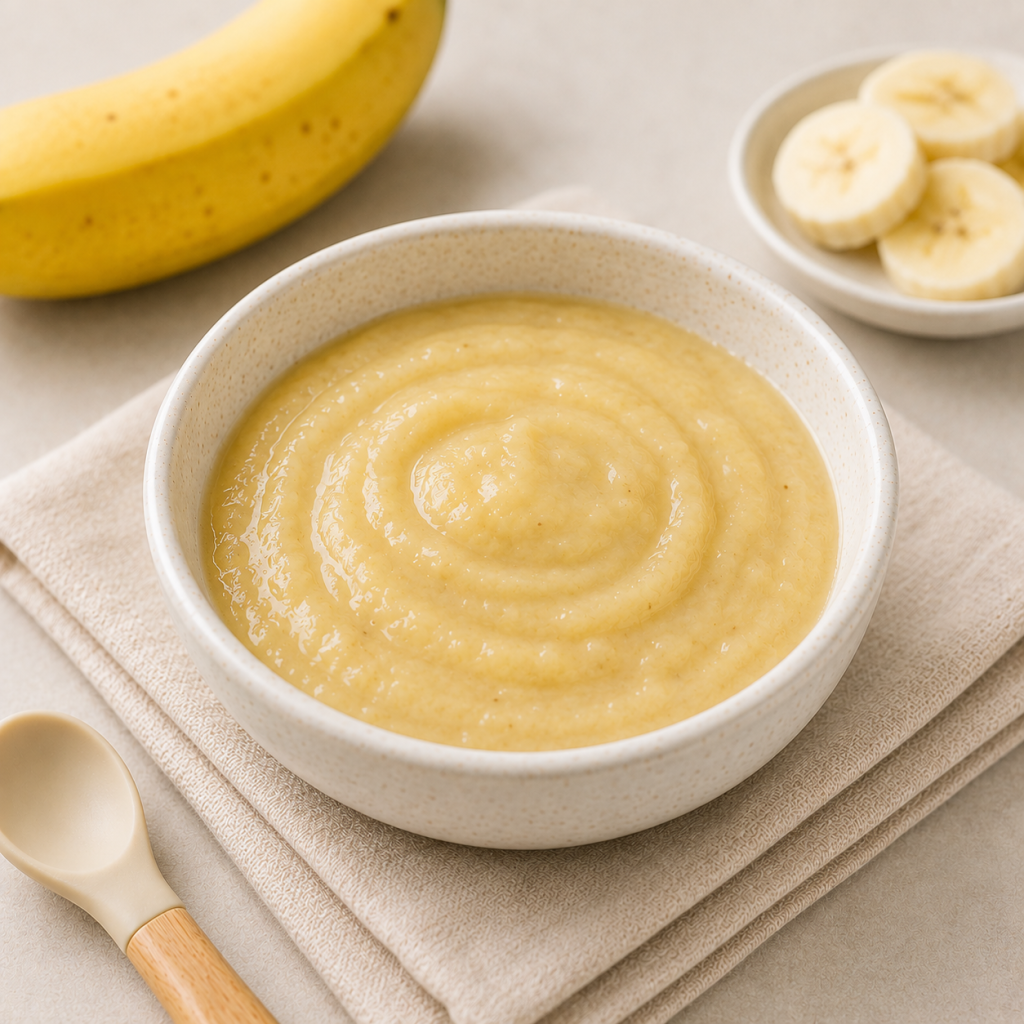
This easy banana puree for baby is one of the quickest first foods you can prepare. Naturally sweet, soft and creamy, it requires no cooking and can be ready in just a few minutes.

Banana was one of those foods I loved having at home when my little one started solids. There was nothing to steam or cook — just peel, mash and serve. It was especially convenient when I needed to prepare something quickly.

Suitable for: Around 6 months+
Prep Time: 5 minutes
Cook Time: None
Servings: 1–2 baby portions

Banana Puree for Baby

Ingredients for Banana Puree

You only need two simple ingredients:

  • ½ ripe banana
  • 1–3 tbsp warm water, as needed

Choose a ripe banana that is soft and easy to mash. The riper the banana, the easier it is to create a naturally smooth and creamy baby banana puree.

How to Make Banana Puree for Baby

1. Prepare the Banana

Peel the banana and cut it into a few smaller pieces.

2. Mash Until Smooth

Place the banana in a clean bowl and mash thoroughly with a fork or baby food masher.

For babies who are just starting solids, you can also blend the banana to achieve a smoother consistency.

3. Adjust the Texture

Add warm water one tablespoon at a time and mix until you reach your baby’s preferred consistency.

For babies beginning solids, you can make the banana puree smoother and thinner. As your baby progresses with textures, gradually reduce the amount of water and leave the banana slightly thicker.

4. Serve Fresh

Transfer the banana puree for baby into a clean baby bowl and serve immediately.

Banana is naturally sweet, so there’s no need to add sugar or other sweeteners.

[ Free Download PDF ↓ ]

Mum Tip

Banana was another one of my go-to baby foods on busy days. No cooking, hardly any preparation and very little washing up!

I normally prepare only what I need for one meal. It takes just a couple of minutes to mash, so making it fresh each time was much easier for me.

How to Choose a Banana for Baby Puree

A ripe banana will give you the best texture and make preparation much easier.

Look for a banana that:

  • Is yellow and ripe
  • Feels soft but not overly mushy
  • Mashes easily with a fork
  • Has no signs of spoilage

A few brown spots on the peel usually indicate that the banana is becoming riper and sweeter.

What Texture Should Banana Puree Be?

You can adjust the consistency depending on your baby’s stage.

For babies just starting solids:
Mash thoroughly or blend until smooth, adding a little warm water if needed.

As baby progresses:
Use less water and leave the banana thicker or slightly mashed to introduce more texture.

How to Store Banana Puree

Banana puree is best prepared and served fresh because banana naturally starts to brown after it is peeled and exposed to air.

Since it only takes a few minutes to prepare, I personally prefer making a fresh portion for each meal rather than preparing a large batch.

What Can I Mix With Banana Puree?

Once your baby has already tried the individual ingredients, banana can be combined with other baby-friendly foods.

Some easy combinations to try include:

  • Banana + Avocado
  • Banana + Apple
  • Banana + Pear
  • Banana + Oatmeal
  • Banana + Yogurt
  • Banana + Sweet Potato

SHOP SY PICKS

These are the simple tools I use at home to make baby food prep quicker and easier. Nothing fancy, just a few practical essentials that make cooking, portioning and storing meals much more convenient.

Daewoo Baby Food Maker 

Perfect for blending baby food smoothly. Makes preparing homemade purees quick, easy and convenient for everyday meals.

Ziplock Pouch For Food 

Perfect for storing and portioning baby meals. Keeps each serving organised and makes freezing and meal prep much easier.

Silicone Cube Tray

Perfect for freezing baby food portions. Makes storing homemade purees simple, organised and convenient for everyday meals.

Frequently Asked Questions

Banana can generally be offered when babies are developmentally ready to start complementary foods, typically at around 6 months.

No. A ripe banana is naturally soft and doesn’t need to be cooked. Simply peel and mash or blend it to an appropriate consistency.

Banana can be suitable from around 6 months when your baby is developmentally ready for solid foods. Adjust the texture according to your baby’s feeding abilities.

Not necessarily. Ripe banana is naturally soft and creamy. Add a little warm water only if you want to create a thinner consistency.

Banana naturally oxidises after being exposed to air, which causes it to gradually turn brown. This is one reason I prefer preparing banana puree immediately before serving.

Banana can be frozen, although the colour and texture may change after thawing. Since banana puree is so quick to prepare, making it fresh is often more convenient.

Yes. Once your baby has been introduced to both ingredients individually, banana and avocado can be mashed together to create a naturally creamy combination.

This article shares my personal experience and general information and should not replace individual medical or feeding advice. Babies develop at different rates. Speak with your child’s healthcare professional before starting solids if you have concerns about developmental readiness, growth, allergies or feeding.

About the author

SY is a mum of one and the founder of PicksBySY. Like many mums, she’s constantly learning, discovering and figuring things out as her little one grows. She created PicksBySY to share her real parenting experiences, useful finds and everyday discoveries – from baby milestones and toddler life to family activities and products she genuinely uses and loves.
More Recipes

Explore more easy baby food recipes for your little one.

Sweet Potato Puree

Banana Puree

Avocado Puree

Pumpkin Puree

Posted on Leave a comment

Avocado Puree

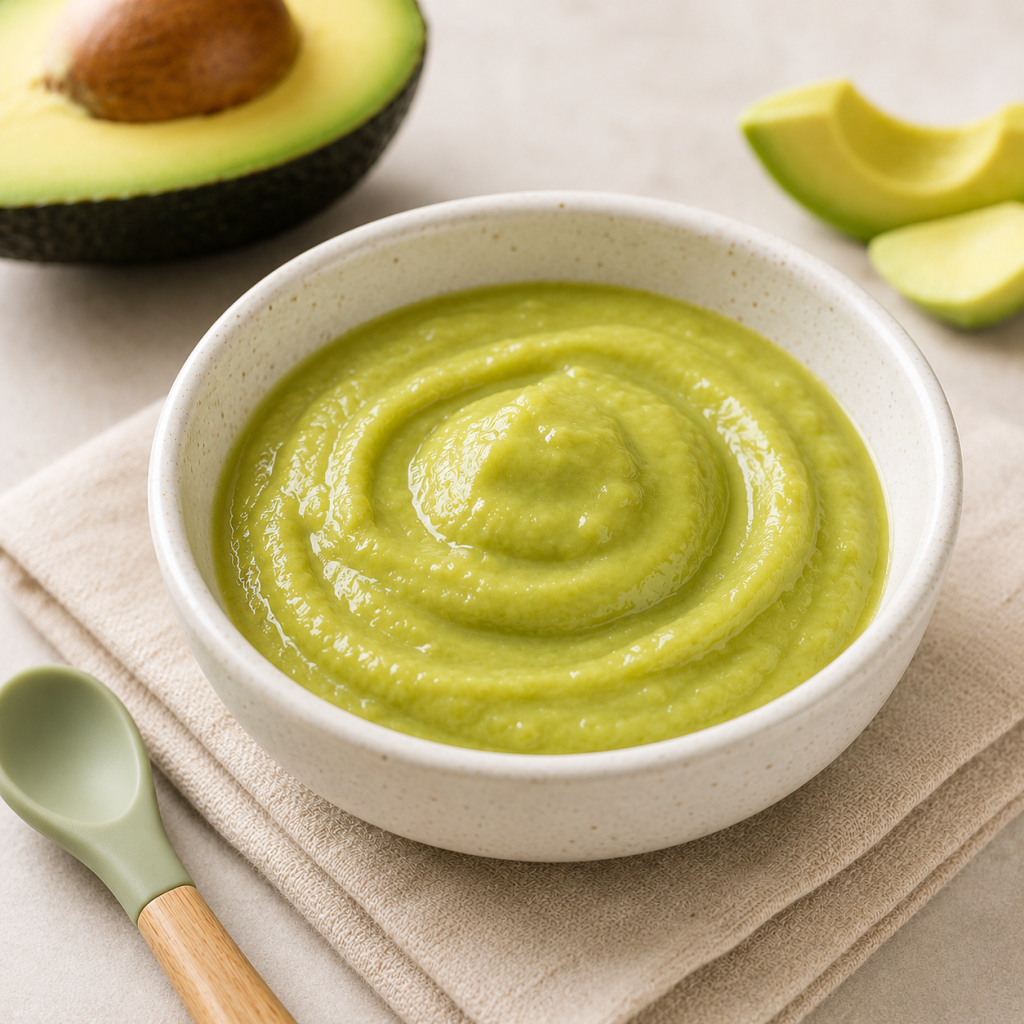
This easy avocado puree for baby is one of the simplest first foods you can prepare. It’s naturally creamy, requires no cooking and can be ready in just 5 minutes.

When I started preparing baby food at home, avocado was always one of my easiest options. There was no steaming or cooking involved – I could simply scoop, mash and serve.

Suitable for: Around 6 months+
Prep Time: 5 minutes
Cook Time: 5 minutes
Servings: 1–2 baby portions

Ingredients for Avocado Puree

You only need two simple ingredients for this avocado puree recipe for baby:

  • ½ ripe avocado
  • 1–3 tbsp warm water, as needed

Choose an avocado that is ripe and slightly soft when gently pressed. The softer it is, the easier it will be to create a smooth and creamy texture.

How to Make Avocado Puree for Baby

1. Prepare the Avocado

Wash and cut the avocado in half. Remove the seed and scoop the avocado flesh into a clean bowl.

2. Mash the Avocado

Use a fork or baby food masher to mash the avocado until smooth.

For babies who are just starting solids, you can also use a baby food blender or food processor to achieve a finer consistency.

3. Add Water

Add warm water one tablespoon at a time, mixing until you reach your baby’s preferred consistency.

For younger babies starting solids, you may prefer a thinner and smoother puree. As your baby gets used to different textures, you can gradually make it thicker.

4. Serve

Transfer the baby avocado puree into a clean baby bowl and serve immediately.

Avocado is best prepared fresh because it naturally starts to brown after being exposed to air.

[ Free Download PDF ↓ ]

Mum Tip

Avocado was one of my favourite foods to prepare on busy days because there’s literally no cooking involved. Just scoop, mash and serve.

I normally make only enough for one meal rather than preparing a large batch because avocado is so quick to make and tastes best when freshly prepared.

How to Choose an Avocado for Baby Puree

Choosing a ripe avocado makes a big difference to the texture of your puree.

Look for an avocado that:

  • Feels slightly soft when gently pressed
  • Is easy to scoop from the skin
  • Has creamy flesh without excessive dark or damaged areas
  • Mashes easily with a fork

If the avocado is still firm, leave it at room temperature until it ripens before using it for your baby’s meal.

What Texture Should Avocado Puree Be?

The texture can be adjusted according to your baby’s stage and ability to manage solids.

For babies just starting solids:
Blend or mash until very smooth and add a little water if necessary.

As baby progresses:
Use less water and leave the avocado slightly thicker or gently mashed rather than completely smooth.

Always choose a texture appropriate for your baby’s developmental stage.

How to Store Avocado Puree

Unlike some cooked baby purees, I prefer preparing avocado immediately before serving.

Avocado naturally oxidises and begins turning brown after it is cut. If you have leftovers, place them in an airtight container and refrigerate promptly, but freshly prepared avocado generally gives you the best colour and texture.

What Can I Mix With Avocado?

Once your baby has already been introduced to the individual ingredients, avocado can be paired with many different foods.

Some easy combinations for future recipes include:

  • Avocado Banana Puree
  • Avocado Apple Puree
  • Avocado Sweet Potato Puree
  • Avocado Pumpkin Puree
  • Avocado Egg Mash

SHOP SY PICKS

These are the simple tools I use at home to make baby food prep quicker and easier. Nothing fancy, just a few practical essentials that make cooking, portioning and storing meals much more convenient.

Daewoo Baby Food Maker 

Perfect for blending baby food smoothly. Makes preparing homemade purees quick, easy and convenient for everyday meals.

Ziplock Pouch For Food 

Perfect for storing and portioning baby meals. Keeps each serving organised and makes freezing and meal prep much easier.

Silicone Cube Tray

Perfect for freezing baby food portions. Makes storing homemade purees simple, organised and convenient for everyday meals.

Frequently Asked Questions

Babies can generally start complementary foods at around 6 months, when they show signs of developmental readiness. If you’re unsure whether your baby is ready for solids, check with your healthcare professional.

No. Avocado does not need to be cooked. Simply choose a ripe avocado, scoop out the flesh and mash or blend it to an appropriate texture.

Avocado can be offered from around 6 months when your baby is developmentally ready for solid foods. Adjust the consistency according to your baby’s feeding abilities.

Not necessarily. A ripe avocado is naturally soft and creamy. You can add a small amount of warm water if you want a thinner consistency.

Avocado begins to oxidise after the flesh is exposed to air, causing it to gradually turn brown. This is one reason I prefer making avocado puree fresh for each meal.

Avocado can be frozen, but its colour and texture may change after thawing. Since avocado puree takes only a few minutes to prepare, I personally prefer making it fresh.

Yes. Once your baby has been introduced to the individual ingredients, avocado can be combined with foods such as banana, apple, pumpkin, sweet potato or egg.

This article shares my personal experience and general information and should not replace individual medical or feeding advice. Babies develop at different rates. Speak with your child’s healthcare professional before starting solids if you have concerns about developmental readiness, growth, allergies or feeding.

About the author

SY is a mum of one and the founder of PicksBySY. Like many mums, she’s constantly learning, discovering and figuring things out as her little one grows. She created PicksBySY to share her real parenting experiences, useful finds and everyday discoveries – from baby milestones and toddler life to family activities and products she genuinely uses and loves.
More Recipes

Explore more easy baby food recipes for your little one.

Sweet Potato Puree

Banana Puree

Avocado Puree

Pumpkin Puree

Posted on Leave a comment

Pumpkin Puree

Looking for an easy pumpkin puree for baby? This simple homemade recipe is naturally sweet, creamy and perfect for babies starting solids.

Pumpkin was one of the easiest first foods for me to prepare because it becomes naturally soft and smooth after steaming. You only need pumpkin and a little water to create a creamy puree that’s easy for little ones to eat.

Suitable for: 6 months+
Prep Time: 5 minutes
Cook Time: 15–20 minutes
Servings: 2–3 baby portions

Pumpkin Puree for Baby

Ingredients for Pumpkin Puree

  • 150g fresh pumpkin
  • 2–4 tablespoons warm water, as needed

For a creamier texture, you can also use a little breast milk or prepared formula when serving.

How to Make Pumpkin Puree for Baby

1. Prepare the Pumpkin

Peel the pumpkin, remove the seeds and cut it into small cubes. Keeping the pieces roughly the same size helps them cook evenly.

2. Steam Until Soft

Steam the pumpkin for around 15–20 minutes, or until it is completely soft and can easily be mashed with a fork.

3. Blend the Pumpkin

Transfer the cooked pumpkin to a blender or food processor. Add a small amount of warm water and blend until smooth.

4. Adjust the Texture

For babies who are just starting solids, add a little more liquid to create a thinner and smoother consistency. As your baby becomes more comfortable with textures, you can gradually make the puree thicker.

5. Cool and Serve

Allow the baby pumpkin puree to cool to a safe temperature before serving.

[ Free Download PDF ↓ ]

Mum Tip

I like making a little extra whenever I prepare pumpkin puree. Instead of cooking a tiny portion every time, I divide the extra puree into small portions and freeze them for another meal. It makes baby meal prep much easier on busy days.

What Can I Mix With Pumpkin Puree?

Once your baby has already tried the individual ingredients, pumpkin is an easy base to combine with other foods.

Some combinations to try include:

  • Pumpkin + Carrot
  • Pumpkin + Sweet Potato
  • Pumpkin + Apple
  • Pumpkin + Chicken
  • Pumpkin + Salmon
  • Pumpkin + Potato

You can gradually introduce different combinations as your baby becomes more familiar with solids.

How to Store Pumpkin Puree

Place leftover pumpkin puree in a clean, airtight container and refrigerate promptly. For longer storage, divide the puree into individual portions and freeze.

Always check the texture, smell and temperature before serving stored baby food.

SHOP SY PICKS

These are the simple tools I use at home to make baby food prep quicker and easier. Nothing fancy, just a few practical essentials that make cooking, portioning and storing meals much more convenient.

Daewoo Baby Food Maker 

Perfect for blending baby food smoothly. Makes preparing homemade purees quick, easy and convenient for everyday meals.

Ziplock Pouch For Food 

Perfect for storing and portioning baby meals. Keeps each serving organised and makes freezing and meal prep much easier.

Silicone Cube Tray

Perfect for freezing baby food portions. Makes storing homemade purees simple, organised and convenient for everyday meals.

Frequently Asked Questions

Pumpkin can be included as part of a varied diet when your baby is developmentally ready to start solid foods. Its naturally soft texture also makes it easy to puree.

Many babies begin complementary foods at around 6 months, when they show signs of developmental readiness. Follow your healthcare professional’s advice if you’re unsure whether your baby is ready.

Yes. Removing the skin and seeds before steaming makes it much easier to achieve a smooth puree.

Yes. Pumpkin puree can be portioned into freezer-safe containers or trays for convenient future meals.

Yes. Once your baby has been introduced to the individual ingredients, pumpkin and chicken can make a tasty savoury combination.

There’s usually no need to add salt or sugar to baby pumpkin puree. Pumpkin already has a naturally mild and slightly sweet flavour.

This article shares my personal experience and general information and should not replace individual medical or feeding advice. Babies develop at different rates. Speak with your child’s healthcare professional before starting solids if you have concerns about developmental readiness, growth, allergies or feeding.

About the author

SY is a mum of one and the founder of PicksBySY. Like many mums, she’s constantly learning, discovering and figuring things out as her little one grows. She created PicksBySY to share her real parenting experiences, useful finds and everyday discoveries – from baby milestones and toddler life to family activities and products she genuinely uses and loves.
More Recipes

Explore more easy baby food recipes for your little one.

Sweet Potato Puree

Banana Puree

Avocado Puree

Pumpkin Puree