Posted on — Leave a comment

Pumpkin Puree

Looking for an easy pumpkin puree for baby? This simple homemade recipe is naturally sweet, creamy and perfect for babies starting solids.

Pumpkin was one of the easiest first foods for me to prepare because it becomes naturally soft and smooth after steaming. You only need pumpkin and a little water to create a creamy puree that’s easy for little ones to eat.

Suitable for: 6 months+
Prep Time: 5 minutes
Cook Time: 15–20 minutes
Servings: 2–3 baby portions
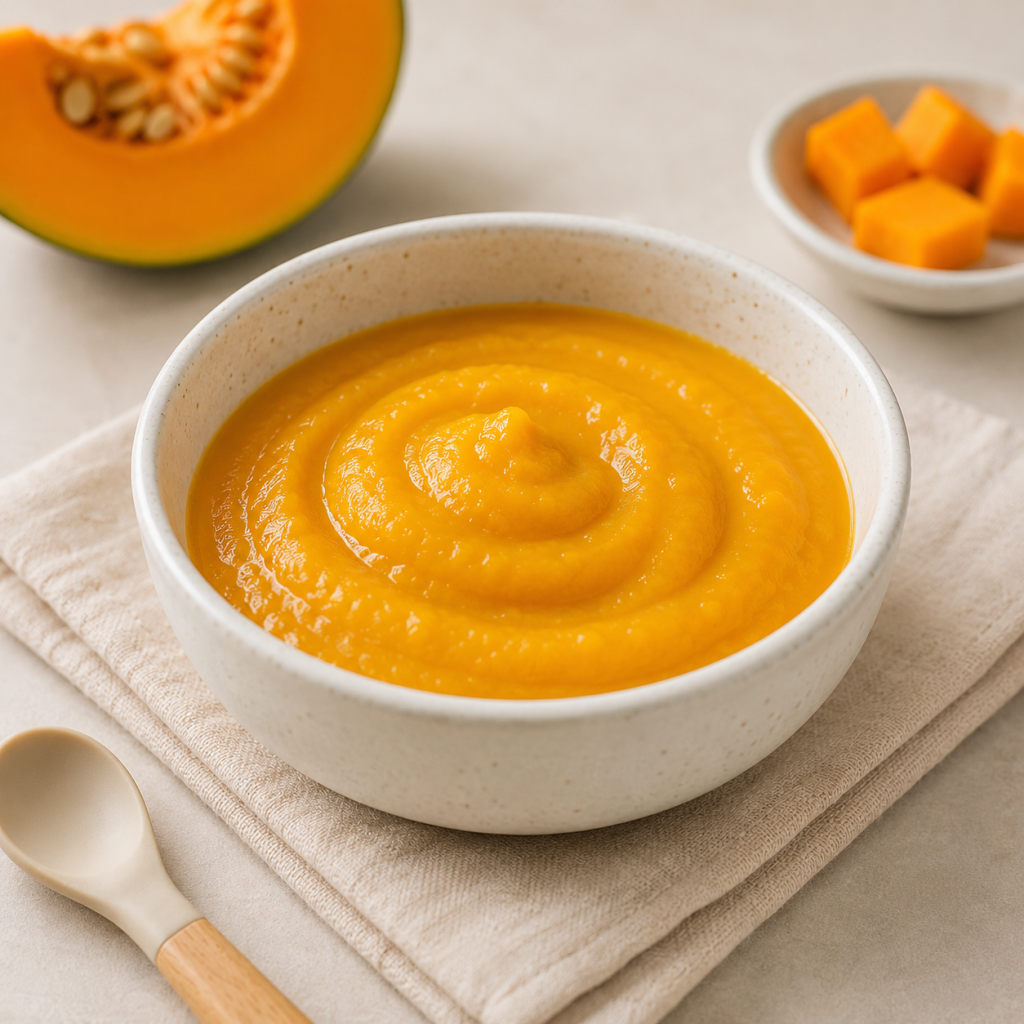
Pumpkin Puree for Baby

Ingredients for Pumpkin Puree

  • 150g fresh pumpkin
  • 2–4 tablespoons warm water, as needed

For a creamier texture, you can also use a little breast milk or prepared formula when serving.

How to Make Pumpkin Puree for Baby

1. Prepare the Pumpkin

Peel the pumpkin, remove the seeds and cut it into small cubes. Keeping the pieces roughly the same size helps them cook evenly.

2. Steam Until Soft

Steam the pumpkin for around 15–20 minutes, or until it is completely soft and can easily be mashed with a fork.

3. Blend the Pumpkin

Transfer the cooked pumpkin to a blender or food processor. Add a small amount of warm water and blend until smooth.

4. Adjust the Texture

For babies who are just starting solids, add a little more liquid to create a thinner and smoother consistency. As your baby becomes more comfortable with textures, you can gradually make the puree thicker.

5. Cool and Serve

Allow the baby pumpkin puree to cool to a safe temperature before serving.

[ Free Download PDF ↓ ]

Mum Tip

I like making a little extra whenever I prepare pumpkin puree. Instead of cooking a tiny portion every time, I divide the extra puree into small portions and freeze them for another meal. It makes baby meal prep much easier on busy days.

What Can I Mix With Pumpkin Puree?

Once your baby has already tried the individual ingredients, pumpkin is an easy base to combine with other foods.

Some combinations to try include:

  • Pumpkin + Carrot
  • Pumpkin + Sweet Potato
  • Pumpkin + Apple
  • Pumpkin + Chicken
  • Pumpkin + Salmon
  • Pumpkin + Potato

You can gradually introduce different combinations as your baby becomes more familiar with solids.

How to Store Pumpkin Puree

Place leftover pumpkin puree in a clean, airtight container and refrigerate promptly. For longer storage, divide the puree into individual portions and freeze.

Always check the texture, smell and temperature before serving stored baby food.

SHOP SY PICKS

These are the simple tools I use at home to make baby food prep quicker and easier. Nothing fancy, just a few practical essentials that make cooking, portioning and storing meals much more convenient.
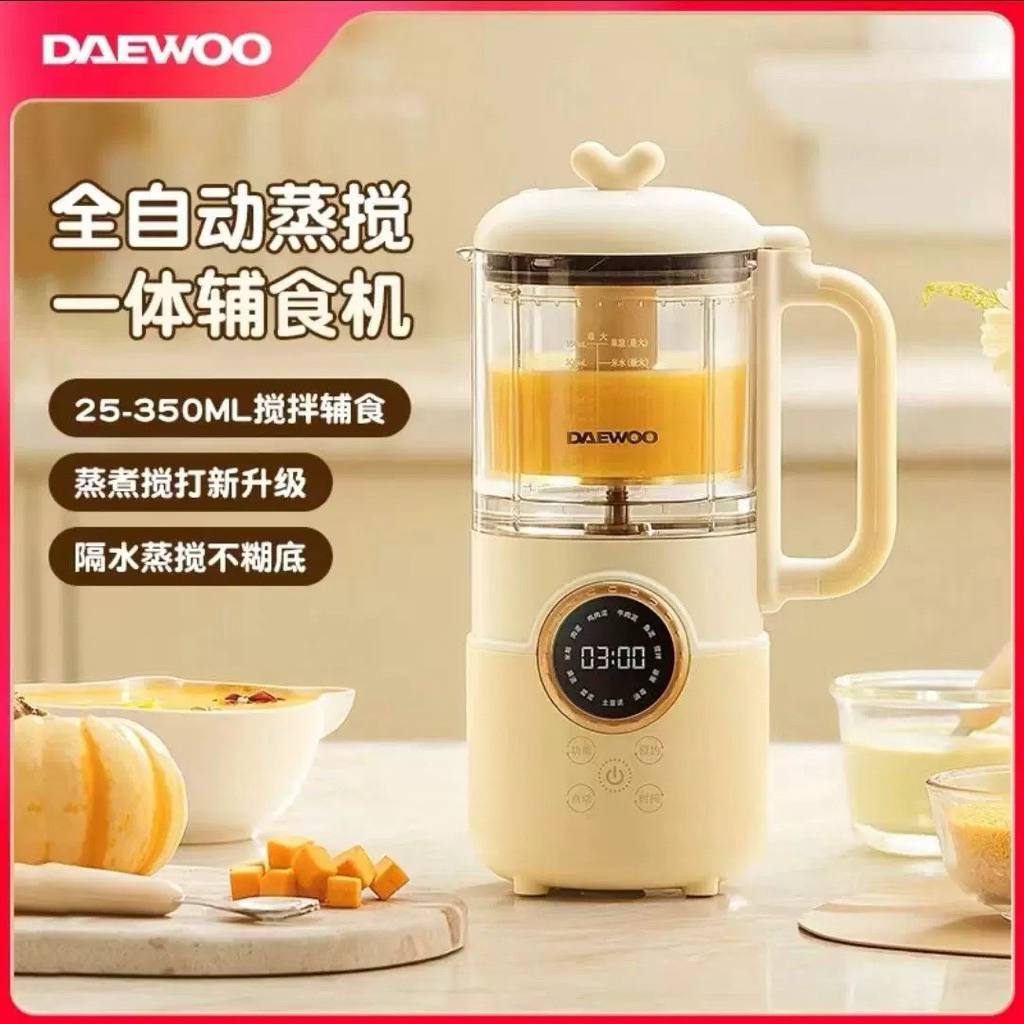
Daewoo Baby Food Maker 

Perfect for blending baby food smoothly. Makes preparing homemade purees quick, easy and convenient for everyday meals.
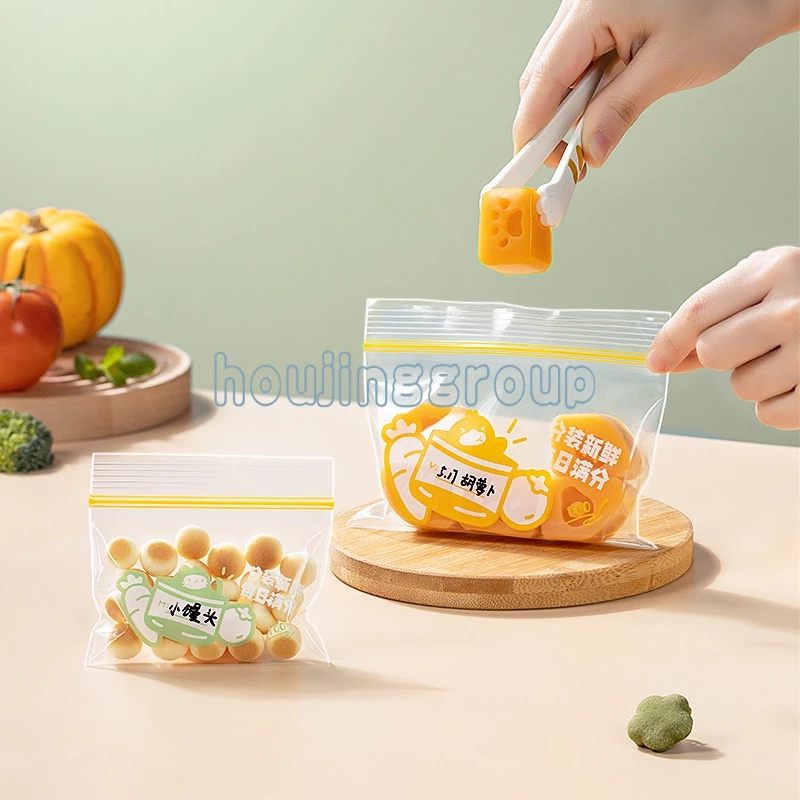
Ziplock Pouch For Food 

Perfect for storing and portioning baby meals. Keeps each serving organised and makes freezing and meal prep much easier.
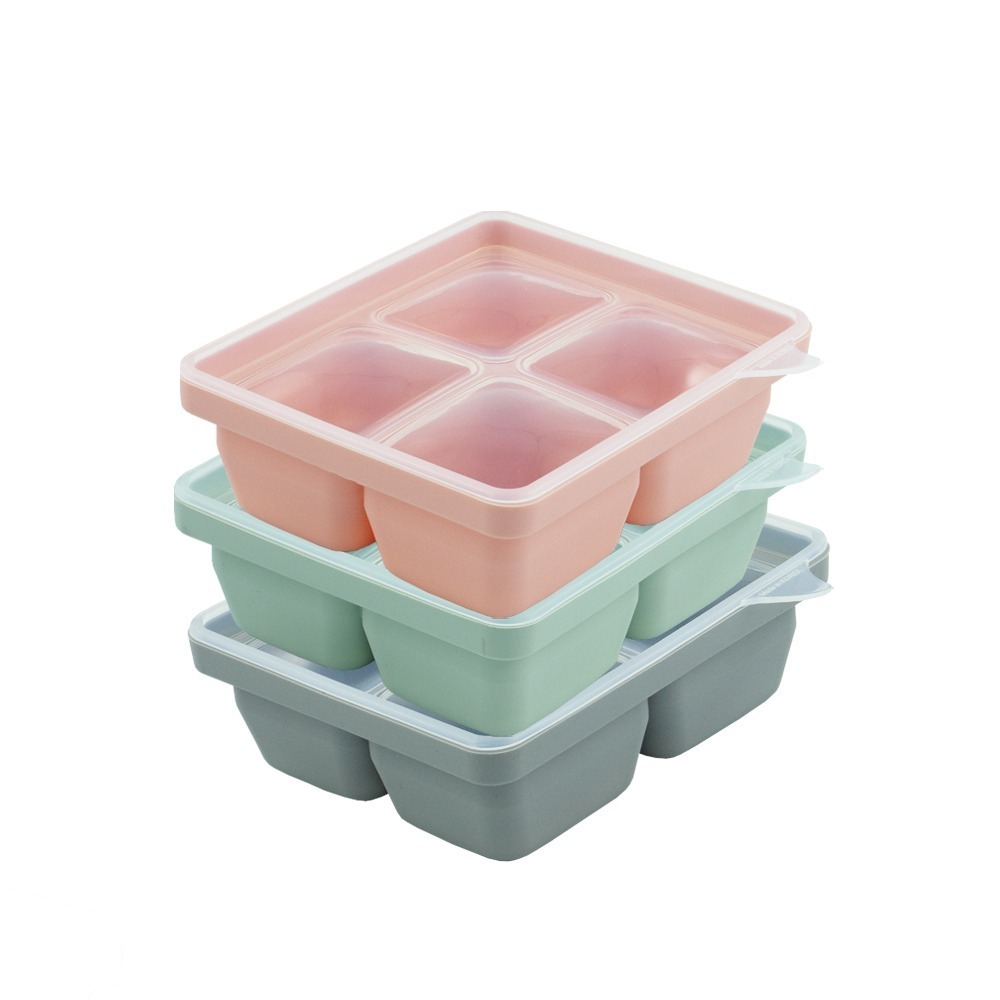
Silicone Cube Tray

Perfect for freezing baby food portions. Makes storing homemade purees simple, organised and convenient for everyday meals.

Frequently Asked Questions

Pumpkin can be included as part of a varied diet when your baby is developmentally ready to start solid foods. Its naturally soft texture also makes it easy to puree.

Many babies begin complementary foods at around 6 months, when they show signs of developmental readiness. Follow your healthcare professional’s advice if you’re unsure whether your baby is ready.

Yes. Removing the skin and seeds before steaming makes it much easier to achieve a smooth puree.

Yes. Pumpkin puree can be portioned into freezer-safe containers or trays for convenient future meals.

Yes. Once your baby has been introduced to the individual ingredients, pumpkin and chicken can make a tasty savoury combination.

There’s usually no need to add salt or sugar to baby pumpkin puree. Pumpkin already has a naturally mild and slightly sweet flavour.

This article shares my personal experience and general information and should not replace individual medical or feeding advice. Babies develop at different rates. Speak with your child’s healthcare professional before starting solids if you have concerns about developmental readiness, growth, allergies or feeding.

About the author

SY is a mum of one and the founder of PicksBySY. Like many mums, she’s constantly learning, discovering and figuring things out as her little one grows. She created PicksBySY to share her real parenting experiences, useful finds and everyday discoveries – from baby milestones and toddler life to family activities and products she genuinely uses and loves.

More Recipes

Explore more easy baby food recipes for your little one.

Sweet Potato Puree

Banana Puree

Avocado Puree

Pumpkin Puree

Posted on — Leave a comment

10 Signs Baby Is Ready for Solid Foods (Don’t Start Too Early!)

Knowing the signs baby is ready for solid foods is one of the most important steps before introducing your little one to their first tastes. While many parents are excited to begin weaning, starting too early can increase the risk of choking and digestive discomfort. That’s why it’s essential to look beyond your baby’s age and focus on the developmental signs baby is ready for solid foods.

Most babies are ready to begin complementary feeding at around 6 months of age, but every baby develops differently. Instead of following the calendar alone, watch for the physical and developmental milestones that show your baby is truly prepared for solid foods.

In this guide, you’ll discover the 10 signs baby is ready for solid foods, learn when babies should start solids, what foods to offer first, and how to make your baby’s weaning journey safe, enjoyable, and stress-free.

When Should Babies Start Solid Foods?

Health experts, including the World Health Organization (WHO) and the American Academy of Pediatrics (AAP), recommend introducing solid foods around 6 months of age while continuing to breastfeed or formula feed.

Although age is an important guideline, the best indicator is whether your baby is showing the signs baby is ready for solid foods. Every baby reaches these milestones at their own pace, so it’s important not to rush the process.

10 Signs Baby Is Ready for Solid Foods

Here are the most common signs baby is ready for solid foods that parents should look for before starting complementary feeding.

1. Your Baby Can Sit Up With Minimal Support

One of the clearest signs baby is ready for solid foods is being able to sit upright with little support.

Sitting upright helps your baby swallow safely and significantly lowers the risk of choking. If your baby still slumps forward or cannot stay upright, it’s best to wait a little longer.

2. Good Head and Neck Control

Another important sign baby is ready for solid foods is strong head and neck control.

Your baby should be able to keep their head steady without wobbling while sitting. This strength is essential for safe swallowing and eating.

3. The Tongue-Thrust Reflex Has Disappeared

Young babies naturally push food back out of their mouths using the tongue-thrust reflex.

As this reflex fades, it becomes much easier for your baby to move food to the back of the mouth and swallow it. This is one of the major signs baby is ready for solid foods.

4. Your Baby Shows Interest in Food

Curiosity about food is often one of the first signs baby is ready for solid foods.

You may notice your baby:

  • Watching you eat carefully
  • Opening their mouth while you eat
  • Reaching for your plate
  • Trying to grab your spoon
  • Following food with their eyes

Although interest alone isn’t enough, it’s an excellent sign when combined with other developmental milestones.

5. Your Baby Can Pick Up Objects and Bring Them to Their Mouth

Improved hand-to-mouth coordination is another important sign baby is ready for solid foods.

Babies who can easily pick up toys and place them into their mouths are developing the motor skills they’ll later use for self-feeding.

6. Your Baby Opens Their Mouth When Food Is Offered

If your baby willingly opens their mouth when they see a spoon approaching, it’s another encouraging sign baby is ready for solid foods.

Rather than turning away, they appear eager to explore new tastes and textures.

7. Your Baby Can Swallow Food Instead of Spitting It Out

Making funny faces while tasting new foods is completely normal.

However, one of the strongest signs baby is ready for solid foods is being able to swallow small amounts instead of automatically pushing everything back out with the tongue.

8. Milk Alone Doesn’t Seem to Fully Satisfy Them

Around six months, some babies begin showing hunger even after regular breast milk or formula feeds.

While this alone isn’t enough to start solids, when combined with the other signs baby is ready for solid foods, it may indicate your baby is prepared for complementary feeding.

9. Your Baby Wants to Join Family Mealtimes

One of the more social signs baby is ready for solid foods is showing excitement during family meals.

Your baby may:

  • Lean toward food
  • Reach for utensils
  • Watch everyone eating
  • Become excited when meals begin
  • Try to imitate chewing

These behaviours often appear alongside physical readiness.

10. Your Baby Is Around 6 Months Old

Age shouldn’t be the only factor, but by around 6 months, many babies display the physical signs baby is ready for solid foods.

If your baby is approximately six months old and demonstrates most of the developmental signs listed above, it’s usually an appropriate time to begin introducing complementary foods.

Signs Your Baby Is NOT Ready for Solid Foods

Knowing when your baby is not ready for solid foods is just as important.

You should consider waiting if your baby:

  • Cannot sit upright, even with support
  • Has poor head and neck control
  • Continues pushing food out with their tongue
  • Shows little or no interest in food
  • Is younger than about 4 months
  • Cannot coordinate swallowing properly

Waiting until your baby shows the proper signs baby is ready for solid foods helps make feeding safer and more enjoyable.

What Should Be Your Baby’s First Foods?

Once you’ve noticed the signs baby is ready for solid foods, begin with soft, nutrient-rich foods that are easy to swallow.

Good first foods include:

  • Iron-fortified baby cereal
  • Mashed avocado
  • Mashed banana
  • Sweet potato puree
  • Pumpkin puree
  • Soft cooked carrot
  • Oatmeal
  • Plain full-fat yogurt (if appropriate)
  • Pureed peas
  • Mashed cooked apple

Introduce only one new food every 3–5 days so you can monitor for any allergic reactions before adding another food.

Tips for Introducing Solid Foods

After recognizing the signs baby is ready for solid foods, these tips can help create a positive feeding experience:

  • Start with one small meal each day.
  • Offer solids after a milk feed.
  • Use a soft baby spoon.
  • Begin with very small portions.
  • Encourage your baby to explore different textures.
  • Avoid adding salt or sugar.
  • Continue breastfeeding or formula feeding alongside solids.
  • Let your baby eat at their own pace.

Remember, introducing solids is about learning new eating skills rather than replacing milk immediately.

Common Mistakes Parents Make When Starting Solids

Even after seeing the signs baby is ready for solid foods, some common mistakes should be avoided.

These include:

  • Starting solids before your baby is developmentally ready
  • Expecting your baby to eat large portions immediately
  • Forcing your baby to finish meals
  • Offering foods that pose choking risks
  • Introducing multiple new foods at once
  • Replacing breast milk or formula too quickly

Every baby learns differently, so patience is key.

Written by SY
A mum sharing personal parenting experiences, discoveries, and everyday lessons.

Frequently Asked Questions About Baby First Solid Foods

The earliest signs include good head control, sitting with support, showing interest in your food, and losing the tongue-thrust reflex.

Most babies are not developmentally ready at 4 months. Current recommendations generally suggest waiting until around 6 months while looking for readiness signs.

Not necessarily. Frequent feeding doesn’t always mean your baby is ready for solids. Look for physical readiness signs as well.

Both approaches can be suitable. Some parents begin with smooth purees, while others choose baby-led weaning with appropriately prepared soft finger foods. Many families use a combination of both.

Avoid honey before 12 months, foods with added salt or sugar, and foods that pose a choking risk, such as whole grapes, whole nuts, popcorn, and hard raw vegetables.

Start with one small meal per day and gradually increase the frequency as your baby becomes more comfortable eating solids.

Shop Our Picks

Shopee Affiliate Storefront