Posted on — Leave a comment

7 Easy Baby First Foods: My 7-Day Menu for 6 Months+

Baby first foods were something I researched a lot before my little one reached the starting-solids stage.

I was excited for her to finally discover real food, but at the same time, I had so many questions.

What should I introduce first?

How much should she eat?

How quickly should I introduce another food?

And most importantly for me – how would I know which food caused a reaction if I introduced too many new ingredients at once?

When I started introducing baby first foods, I decided to keep things very simple.

Instead of introducing a completely different food every day, I preferred offering one new food for around three days before introducing another.

For me, this wasn’t about preventing food allergies. It was simply an approach that made me feel more comfortable because I could keep track of exactly what my baby had recently eaten.

If I noticed a possible reaction after introducing something new, there would be fewer new ingredients to consider.

So if you’re preparing to start solids too, here’s how I approached my baby’s first foods at 6 months, including a simple 7-day menu and what I learned along the way.

This is my personal experience rather than a feeding rule for every baby. Recommendations for introducing foods, particularly common allergens, can vary depending on your baby’s individual circumstances. Speak with your child’s healthcare professional if you have concerns about starting solids or food allergies.

Baby First Foods: Is Your Baby Ready to Start?

Before thinking about which baby first foods to prepare, I think there’s an even more important question:

Is your baby developmentally ready for solids?

Many babies begin complementary foods at around 6 months, but I didn’t want to look at age alone.

I also looked for signs of readiness such as:

  • Good head and neck control
  • Being able to sit with appropriate support
  • Showing interest when other people eat
  • Opening their mouth when food is offered
  • Bringing things towards their mouth
  • Being able to swallow food rather than automatically pushing everything back out

If you’re currently at this stage, I’ve also shared 10 Signs Baby Is Ready for Solid Foods (Don’t Start Too Early!).

Why I Introduced Baby First Foods One at a Time

When we first started solids, I didn’t immediately create complicated baby meals.

I kept our baby first foods very simple.

One new food at a time.

Then I offered the same food for around three days before introducing another new ingredient.

My thinking was simple.

If I introduced avocado on Monday, pumpkin on Tuesday and another completely new food on Wednesday, then noticed a possible reaction, I might be left wondering which new food was responsible.

Introducing foods individually made it easier for me to remember exactly what my baby had recently eaten.

It also gave her more than one opportunity to experience the same flavour and texture.

And I quickly learned that the first reaction to a food doesn’t necessarily tell you whether your baby will eventually enjoy it.

Sometimes the first spoonful was met with a facial expression that basically said:

“Mummy…what have you just put in my mouth?” 😂

And then she’d happily eat the same food another day.

My 7-Day Baby First Foods Menu

Here’s an example of how I approached the first seven days.

DayBaby First FoodMy Approach
Day 1AvocadoFirst introduction
Day 2AvocadoOffer again
Day 3AvocadoOffer again
Day 4Sweet PotatoFirst introduction
Day 5Sweet PotatoOffer again
Day 6Sweet PotatoOffer again
Day 7BroccoliBegin introducing the next food

This isn’t meant to be the exact menu every baby needs to follow.

You could choose other developmentally appropriate baby first foods.

The important part of my personal approach was simply:

Introduce → observe → offer again → then move on.

Days 1–3: Avocado as a Baby First Food

Avocado is one simple option when introducing baby first foods because it’s naturally soft and requires very little preparation.

I chose a ripe avocado and mashed it until it reached a texture suitable for my baby’s stage.

During these first few days, I wasn’t focused on how much she managed to eat.

I was paying attention to the whole experience.

How did she respond to the texture?

Was she comfortable after eating?

Did I notice anything unusual?

And…

Did any of the avocado actually stay inside her mouth? 😂

I learned very quickly that starting solids isn’t about finishing a bowl.

It’s about learning how to eat.

Days 4–6: Sweet Potato

After introducing the first food without concerns, I moved on to another simple ingredient.

Sweet potato is another easy option for baby first foods because it becomes very soft when steamed and is easy to mash.

I steamed it until completely soft and prepared it in a texture appropriate for my baby.

Again, I kept it simple.

No complicated recipes.

No need for five ingredients.

At this stage, sweet potato itself was already a completely new experience.

Mum Tip: Start With Small Portions

One thing I learned quickly was not to prepare huge portions.

When babies first start solids, they may eat very little.

I’d spend time preparing everything…

and she’d have a few tiny spoonfuls and decide she was done. 😂

Preparing smaller portions made much more sense for us.

Day 7: Introducing Another Baby First Food

By Day 7, I was ready to start introducing another new food.

For example, broccoli.

I would steam it until very soft and prepare it appropriately for my baby’s feeding abilities.

Then I could continue the same approach:

Day 7 – Broccoli

Day 8 – Broccoli

Day 9 – Broccoli

And then gradually introduce another food.

More Baby First Foods I Introduced

As my baby became more comfortable with solids, I gradually expanded the variety of foods she experienced.

Some baby first foods parents may consider, prepared appropriately for their baby’s developmental stage, include:

  • Avocado
  • Sweet potato
  • Broccoli
  • Pumpkin
  • Banana
  • Carrot
  • Pear
  • Apple
  • Oats
  • Egg
  • Fish
  • Chicken
  • Tofu
  • Iron-fortified infant cereal

I wouldn’t necessarily follow this exact order.

The appropriate foods and preparation can depend on your baby’s development, your family diet and individual feeding guidance.

I also wouldn’t unnecessarily delay common allergenic foods simply because I preferred introducing foods individually.

If you’re unsure about introducing foods such as egg, peanut, fish or other common allergens — particularly if your baby has severe eczema, an existing food allergy or other risk factors — speak with your child’s healthcare professional.

When I Started Combining Baby First Foods

Once my baby had already experienced several individual foods, meal preparation became much more interesting.

I gradually started combining familiar ingredients.

For example:

Avocado + banana

Pumpkin + porridge

Sweet potato + chicken

Broccoli + potato

Oats + fruit

Instead of introducing several completely unfamiliar ingredients in one meal, I could combine foods she’d previously experienced.

As her list of familiar foods grew, so did the number of meals I could prepare.

If your baby is already at this stage, I’ve also shared 5 Easy Baby Solid Food Recipes for Babies 6 Months+ for more meal inspiration.

What I Learned From Introducing Baby First Foods

The biggest lesson I learned was that starting solids didn’t need to be complicated.

Social media can make it look like a six-month-old needs a perfectly arranged plate containing five different foods at every meal.

That wasn’t how we started.

Sometimes the entire meal was simply:

Sweet potato.

And that was okay.

My baby was learning about food.

I was learning how to feed her.

And gradually, our meals naturally became more varied.

For me, introducing baby first foods was less about creating impressive meals and more about taking things gradually, observing my baby and helping her become comfortable with eating.

Frequently Asked Questions About Baby First Foods

What Are the Best Baby First Foods for 6 Months?

There isn’t one perfect first food for every baby.

Parents can introduce a variety of developmentally appropriate foods, including vegetables, fruits, iron-rich foods and protein sources.

Some simple baby first foods can include avocado, sweet potato, broccoli, pumpkin and iron-fortified infant cereal.

Do I Need to Wait Three Days Between Baby First Foods?

Not necessarily.

Offering the same food for around three days was the approach I personally preferred because it made it easier for me to keep track of what my baby had recently eaten.

It shouldn’t be interpreted as a rule that every parent must follow or as a way of preventing food allergies.

Why Introduce Baby First Foods One at a Time?

For me, introducing foods individually made tracking new ingredients easier.

If I noticed something unusual after introducing a new food, there were fewer recently introduced ingredients to consider.

It also gave my baby several opportunities to experience the same flavour and texture.

How Much Baby First Food Should a 6-Month-Old Eat?

Every baby’s appetite is different.

When we started solids, I focused less on making my baby finish a particular amount and more on giving her opportunities to experience food while watching her hunger and fullness cues.

If you have concerns about how much your baby eats or their growth, speak with your child’s healthcare professional.

Can I Mix Baby First Foods Together?

I personally started with individual foods.

Once my baby had already experienced several ingredients separately, I gradually began combining familiar foods into simple meals.

This gave us many more options as her feeding journey progressed.

What If My Baby Refuses Their First Foods?

I wouldn’t immediately assume your baby dislikes the food forever.

New tastes and textures can take time to become familiar.

If my baby wasn’t interested in something, I didn’t force her to finish it. I could simply offer it again another time.

Should My Baby Still Drink Milk After Starting First Foods?

Yes. Breast milk or infant formula continues to be an important part of a baby’s diet during the first year while complementary foods are gradually introduced.

Starting solids is a gradual transition rather than an immediate replacement of milk feeds.

Final Thoughts on Baby First Foods From One Mum to Another

When I first started researching baby first foods, I thought I needed a complicated meal plan.

I didn’t.

Keeping things simple actually made the experience much less overwhelming for me.

One food.

A few days.

Observe.

Then introduce another.

As my baby experienced more foods, our meals naturally became more varied.

Eventually, those simple mashed first foods turned into proper little meals.

And somewhere along the way, I went from wondering:

“What can she even eat?”

to:

“How did half of your dinner get onto the floor?” 😂

If you’re just beginning your baby’s first-food journey, don’t feel pressured to create perfect meals from Day 1.

Take your time, follow your baby’s developmental readiness and gradually introduce them to the huge new world of food.

It’s a learning experience for both baby and parent.

Written by SY
A mum sharing personal parenting experiences, discoveries and everyday lessons.

This article shares my personal experience and general information and isn’t a substitute for individual medical or feeding advice. Speak with your child’s healthcare professional if you have concerns about starting solids, growth, feeding or food allergies.

Frequently Asked Questions About Baby First Foods

Once your baby is developmentally ready for solids, you can gradually introduce a variety of appropriately prepared foods.
Examples include soft vegetables, fruits, iron-fortified infant cereal, well-cooked egg and other iron-rich and protein-rich foods.
The appropriate preparation will depend on your baby’s developmental abilities and whether you’re spoon-feeding, using a baby-led approach or combining methods.

When first starting solids, babies may begin with small amounts of food and gradually progress to more regular meals.
I personally found it easier to follow my baby’s appetite and slowly build a routine rather than worrying about immediately serving three meals every day.
If you’re unsure about the amount or frequency that’s appropriate for your baby, discuss it with your child’s healthcare professional.

Breast milk or infant formula continues to be important during the first year.
How you time milk and solid meals can depend on your baby’s age, routine and appetite.
When starting solids, the goal isn’t to suddenly replace milk feeds with large solid meals.

here isn’t one perfect first food.
Some simple options include avocado, sweet potato, pumpkin, broccoli, banana, well-cooked egg and iron-fortified infant cereal.
I liked beginning with simple foods before gradually introducing more combinations.

Introducing foods individually can make it easier to observe how your baby responds, particularly when introducing common allergens.

However, parents don’t necessarily need to follow an overly restrictive diet or delay introducing variety without a medical reason.

Speak with your baby’s healthcare professional if you’re concerned about allergies.

Egg can generally be introduced once a baby is developmentally ready for solid foods, provided it is fully cooked and prepared appropriately.

Because egg is a common allergen, introduce it carefully and seek professional guidance if your baby has existing allergies, severe eczema or other allergy risk factors.

Small amounts of water can generally be introduced around the time babies begin eating complementary foods.

Breast milk or infant formula should still remain their primary milk drink during the first year.

Try not to panic.

Some babies need time to become comfortable with new tastes and textures.

From my experience, there were foods my baby seemed completely uninterested in initially but became more willing to eat later.

I try not to force her to finish food and instead offer different foods again on another day.

Some important considerations include avoiding honey before 12 months, limiting foods high in added salt or sugar, avoiding unpasteurised foods and preparing potential choking hazards safely.

Food-safety recommendations can vary by food and individual circumstances, so use reliable infant-feeding guidance or speak with your child’s healthcare professional if you’re unsure.

Final Thoughts From One Mum to Another

Starting solids can feel like another parenting topic where there are a million rules and opinions online.

Purees.

Baby-led weaning.

Meal schedules.

Food combinations.

Portion sizes.

It can become overwhelming very quickly.

What helped me was keeping the beginning simple.

One meal doesn’t need ten ingredients.

Your baby doesn’t need to finish everything you prepare.

And your baby’s first week of solids doesn’t need to look like someone’s perfectly arranged Instagram plate.

You’re introducing your little one to an entirely new world of food.

Let them explore.

Let them make a mess.

Take plenty of photos of those first-food faces. 😂

And gradually, one tiny bite at a time, eating becomes another skill they learn.

This article shares my personal experience and general information and should not replace individual medical or feeding advice. Babies develop at different rates. Speak with your child’s healthcare professional before starting solids if you have concerns about developmental readiness, growth, allergies or feeding.

About the author

SY is a mum of one and the founder of PicksBySY. Like many mums, she’s constantly learning, discovering and figuring things out as her little one grows. She created PicksBySY to share her real parenting experiences, useful finds and everyday discoveries – from baby milestones and toddler life to family activities and products she genuinely uses and loves.

Related Articles

Continue supporting your baby’s development with these helpful guides:

10 Signs Baby Is Ready for Solid Foods (Don’t Start Too Early!)

5 Easy Baby Solid Food Recipes for Babies 6 Months+

When Do Babies Crawl? 7 Clear Signs Your Baby Is Ready to Crawl

18 Baby Sensory Play Ideas You Can Do at Home to Support Your Baby’s Development
Shop Our Picks

Shopee Affiliate Storefront

Posted on — Leave a comment

Toddler Tantrums: 10 Things I Learned About Handling My Toddler’s Big Emotions

Toddler tantrums are something I knew would happen eventually. I had seen toddlers crying in shopping malls, refusing to leave playgrounds, lying on the floor and screaming over seemingly tiny things.

Then I became a mum to a toddler myself.

And suddenly, I understood.

Sometimes it starts because I said no. Sometimes she wants something but can’t quite tell me what she wants. Sometimes she’s tired, hungry or frustrated.

And sometimes?

I genuinely have no idea what happened. 😅

I’m still learning how to handle toddler tantrums, and I definitely don’t get it right every time. But experiencing these big emotions with my own child has changed the way I look at them.

Here are 10 things I’ve learned so far.

1. A Toddler Tantrum Isn’t Always About the Thing That Started It

One of the biggest things I’ve learned about toddler tantrums is that the trigger isn’t necessarily the whole problem.

The wrong snack might cause the crying.

But underneath that, my toddler might already be tired, hungry, overstimulated or frustrated.

I’ve learned to ask myself:

What happened before this?

Did she sleep enough?

Has she eaten?

Have we been outside for too long?

Has it been a particularly busy day?

Sometimes the “small thing” is simply the final straw.

2. Toddlers Have Big Feelings but Limited Words

This changed the way I see many of my toddler’s meltdowns.

As adults, we can say:

“I’m frustrated because you don’t understand what I’m trying to tell you.”

A young toddler often can’t.

They know what they want. They know something feels wrong. But they may not have the vocabulary to explain it.

So instead?

They cry.

They scream.

They point.

They throw themselves backwards.

It can be exhausting, but remembering that communication is still developing helps me approach these moments differently.

3. Staying Calm Is Harder Than Telling Someone to Stay Calm

Before becoming a parent, “just stay calm” sounded like perfectly reasonable advice.

Now?

I understand how difficult that can actually be. 😂

When your toddler has been crying for what feels like forever and you’re tired too, staying calm requires a surprising amount of self-control.

I’ve learned that raising my own voice rarely makes the situation easier.

Sometimes I need to deliberately slow down before responding.

Not because I’m always perfectly patient, but because when both of us are overwhelmed, nobody is helping anybody.

4. I Don’t Need to Stop Every Tantrum Immediately

At first, I felt like I needed to make the crying stop.

Quickly.

Especially in public.

Everyone can hear.

Everyone can see.

And suddenly you feel like the entire shopping mall is evaluating your parenting skills.

But I’ve slowly realised that my job isn’t necessarily to make every uncomfortable emotion disappear.

Sometimes my toddler is simply upset.

And she’s allowed to be upset.

If she’s safe, I can stay nearby, acknowledge what’s happening and give her a little time.

I don’t always need to immediately distract, bargain or give her what she wants just to stop the crying.

5. Acknowledging Her Feelings Doesn’t Mean Saying Yes

This has probably been one of my most useful lessons.

I can understand why my toddler is upset without changing the boundary.

For example:

“I know you want to keep playing. You’re upset because it’s time to go home.”

That doesn’t mean we stay at the playground for another hour.

Or:

“I know you want that. You’re disappointed because Mummy said no.”

The answer can still be no.

I’ve learned that acknowledging her feelings and maintaining a boundary can happen at the same time.

6. Giving Small Choices Can Prevent Some Battles

Toddlers seem to love having some control over their little world.

So instead of asking:

“Do you want to get dressed?”

when getting dressed isn’t actually optional, I’ve found it more helpful to offer a small choice:

“Do you want the pink shirt or the yellow shirt?”

Or:

“Do you want to walk to the bathroom or should Mummy carry you?”

She still needs to do the thing.

But she gets some control over how it happens.

It doesn’t prevent every toddler tantrum, of course, but sometimes a tiny choice makes transitions much easier.

7. Transitions Can Be Surprisingly Difficult

Leaving the playground.

Turning off the TV.

Getting out of the bath.

Putting toys away.

Going home.

I’ve noticed that suddenly ending something enjoyable can be difficult for toddlers.

So where possible, I try to give a little warning.

“Five more minutes, then we’re going home.”

Then:

“One more time down the slide.”

It’s not magic.

There can absolutely still be tears after the final slide. 😅

But giving some warning seems to make the change feel less sudden.

8. Hunger and Tiredness Change Everything

There are parenting techniques…

And then there is trying to reason with an exhausted toddler who skipped her nap. 😂

I’ve learned to manage my expectations.

If my toddler is hungry, tired or overstimulated, that probably isn’t the best time for a long lesson about behaviour.

Sometimes the most useful solution is incredibly basic:

Food.

Water.

Rest.

A quieter environment.

Or going home.

Understanding the physical reason behind a meltdown has helped me avoid turning every difficult moment into a discipline issue.

9. Public Tantrums Feel Worse Because I’m Thinking About Everyone Else

Toddler tantrums at home are one thing.

Toddler tantrums in the middle of a restaurant or shopping mall?

Completely different experience.

I become much more conscious of people looking.

But I’ve learned to remind myself that my priority is my child and the situation in front of me — not whether a stranger thinks I’m handling it perfectly.

If we need to step outside for a while, we do.

If she needs time to settle, I try to give her that.

Most parents have probably been there themselves.

10. I’m Learning Alongside My Toddler

Perhaps the biggest lesson I’ve learned from dealing with toddler tantrums is that emotional regulation isn’t something only toddlers are learning.

I’m learning too.

I’m learning patience.

I’m learning when to hold a boundary.

I’m learning when something isn’t worth turning into a battle.

I’m learning to recognise when my toddler has simply had enough.

And I’m learning that sometimes I’ll handle a situation really well…

while other times I’ll think later:

“Okay. I definitely could have handled that better.”

That’s parenting.

We learn, adjust and try again the next time.

What I Try to Do During a Toddler Tantrum

Every child and situation is different, but when my toddler is having a big meltdown, I generally try to keep things simple:

  • Make sure she’s safe.
  • Keep my own voice as calm as possible.
  • Use short, simple sentences.
  • Acknowledge what she’s feeling.
  • Avoid explaining too much while she’s extremely upset.
  • Hold the boundary when necessary.
  • Give her some time.
  • Reconnect once the big emotion has passed.

I’ve found that trying to teach or explain something in the middle of intense crying doesn’t always work.

Sometimes the conversation can wait until everyone is calmer.

What I’ve Stopped Expecting

I’ve stopped expecting myself to prevent every tantrum.

I’ve stopped expecting my toddler to behave like a tiny adult.

I’ve stopped believing every public meltdown means I’ve done something wrong.

And I’m trying to stop comparing how my child behaves with another child.

Toddlers are still learning how the world works.

And we’re still learning how to parent them.

When Toddler Tantrums Feel Like A Lot

Tantrums are common during toddlerhood, but parents should still trust their instincts if something about their child’s behaviour or development concerns them.

If tantrums are extremely intense, happen very frequently, involve your child regularly hurting themselves or others, or you’re concerned about their communication or development, consider discussing it with your child’s healthcare professional.

Sometimes having professional guidance can help you understand what’s happening and what support may be useful.

Frequently Asked Questions About Toddler Tantrums

At what age do toddler tantrums start?

Toddler tantrums often begin around 12–18 months, when children start to develop stronger opinions but still have limited language skills to express them.

How long do toddler tantrums usually last?

Most toddler tantrums last anywhere from a few minutes to around 20–30 minutes, depending on the child, the trigger, and how overwhelmed they are.

What is the best way to handle toddler tantrums?

There is no single “perfect” method, but many parents find it helpful to stay calm, acknowledge feelings, hold boundaries, and keep communication simple until the child settles.

Should I ignore a toddler tantrum?

It depends on the situation. It’s usually important to ignore the behaviour (like screaming or throwing) while still acknowledging the child’s feelings and ensuring they are safe.

Are toddler tantrums normal?

Yes — toddler tantrums are a normal part of emotional and brain development as children learn how to manage big feelings.

Final Thoughts From One Mum to Another

Toddler tantrums can be loud, exhausting, embarrassing and sometimes completely confusing.

But one thing I’m trying to remember is:

My toddler isn’t giving me a hard time. She’s having a hard time.

That doesn’t mean there shouldn’t be boundaries.

It doesn’t mean I say yes to everything.

And it definitely doesn’t mean I handle every tantrum perfectly.

It simply reminds me that behind all that crying is a little person who is still learning what emotions are and what to do with them.

And while she’s learning how to handle her big emotions, I’m learning how to be the mum she needs through them.

We’re both still figuring it out. 💛

Frequently Asked Questions

Yes, toddler tantrums are common during the toddler years. Young children are still learning how to communicate what they want and manage big emotions such as frustration, anger and disappointment.
As a mum, understanding this has helped me see tantrums less as “bad behaviour” and more as moments when my toddler is struggling to express or manage how she feels.

Toddler tantrums can start from around 12 to 18 months, although every child develops differently. As toddlers become more independent, they often know exactly what they want but may not yet have the words or emotional skills to express it.

There can be many triggers for toddler tantrums. From my experience, tiredness, hunger, frustration, overstimulation, transitions and being told “no” can all play a part.
Sometimes I’ve also learned that the thing that starts the tantrum isn’t necessarily the real reason behind it. A small frustration can simply be the final straw after a long or tiring day.

There isn’t one approach that works for every toddler. What I try to do is stay as calm as possible, keep my words simple, acknowledge my toddler’s feelings and maintain necessary boundaries.
When she’s extremely upset, I’ve found that giving long explanations usually doesn’t help. I prefer to wait until the big emotion has passed before trying to explain more.

Personally, I don’t completely ignore my toddler during a tantrum. I make sure she’s safe and let her know that I’m nearby.

Sometimes she wants comfort, while other times she needs a little space. I’m learning to respond to what she needs in that moment rather than expecting the same approach to work every time.

I’ve learned that acknowledging my toddler’s feelings doesn’t mean I have to change a boundary.

If I’ve said no for a reason, I can still acknowledge her disappointment while keeping my answer the same.

For example:

“I know you really want it. You’re upset because Mummy said no.”

She may still be unhappy, but I’m slowly learning that it’s okay for her to experience disappointment while I stay consistent.

I don’t think every tantrum can be prevented, but I’ve noticed that a few things can sometimes help.

Making sure my toddler isn’t overly hungry or tired, giving warnings before transitions, offering small choices and avoiding overly stimulating situations when she’s already exhausted can make certain moments easier.

Of course, tantrums can still happen – because toddlers are toddlers. 😅

Every toddler and every tantrum is different. Some meltdowns may pass within a few minutes, while others can take longer, especially when a child is very tired, frustrated or overwhelmed.

Instead of focusing too much on how quickly I can stop the tantrum, I try to focus on keeping my toddler safe and helping her through the moment.

Limited communication can sometimes contribute to toddler tantrums. A toddler may know exactly what they want but not yet have the words to explain it.

This is one reason I’ve found it helpful to encourage simple words, gestures and other ways for my toddler to communicate what she needs.

Tantrums are common during toddlerhood, but if you’re concerned about your child’s behaviour, communication or development, it’s worth discussing those concerns with a qualified healthcare professional.

You may also want professional guidance if tantrums are extremely intense, regularly involve your child hurting themselves or others, or significantly interfere with everyday life.

Every child is different, so professional advice can help you better understand what’s happening in your child’s individual situation.

This article shares my personal parenting experience and is for general informational purposes. Every child develops differently. If you have concerns about your child’s behaviour, emotional development or wellbeing, speak with a qualified healthcare professional.

About the author

SY is a mum of one and the founder of PicksBySY. Like many mums, she’s constantly learning, discovering and figuring things out as her little one grows. She created PicksBySY to share her real parenting experiences, useful finds and everyday discoveries – from baby milestones and toddler life to family activities and products she genuinely uses and loves.

Related Articles

Continue supporting your baby’s development with these helpful guides:

15 Life-Changing Parenting Habits That Support Your Child’s Mental and Emotional Wellbeing

7 Simple Ways to Encourage Baby’s Language Development and First Words

15 Essential Sleep Facts: How Much Sleep Does Your Child Need? Complete Guide by Age

10 Powerful Parenting Lessons My Child Taught Me Every Parent Should Read

Shop Our Picks

Shopee Affiliate Storefront

Posted on — Leave a comment

When Do Babies Stand? 7 Signs Your Baby Is Ready

One of the most exciting moments during your baby’s first year is seeing them pull themselves up for the first time. Standing marks a major step toward walking and shows that your little one is developing the strength, balance, and coordination needed for independent movement.

If you’re wondering when do babies stand, you’re not alone. Many parents notice their baby suddenly becoming more interested in furniture, reaching higher, and attempting to stand. These early efforts are all part of normal baby gross motor development.

Standing doesn’t happen overnight. Before babies can stand confidently, they first learn to roll over, sit independently, crawl, and pull themselves up using furniture. Each milestone builds the muscles and confidence needed for the next.

In this guide, you’ll learn:

  • When do babies stand?
  • Baby standing milestones by age
  • 7 signs your baby is ready to stand
  • How to encourage your baby to stand safely
  • Why babies stand at different ages
  • When parents should be concerned

By understanding these baby developmental milestones, you’ll know what to expect and how to support your baby’s journey toward standing and eventually walking.

When Do Babies Stand?

So, when do babies stand?

Most babies begin standing with support between 8 and 10 months. They usually pull themselves up by holding onto furniture before learning to stand independently.

Standing without support often develops between 10 and 12 months, although some babies may take a little longer. Independent standing is one of the final milestones before taking those exciting first steps.

A general timeline looks like this:

  • 6–8 months: Sits independently and begins crawling.
  • 8–10 months: Pulls up to stand using furniture.
  • 9–11 months: Cruises along furniture while standing.
  • 10–12 months: Stands independently for a few seconds.
  • 12–15 months: Begins walking independently.

Remember, every baby develops at their own pace. Some babies love standing early, while others spend more time crawling before they feel ready.

Baby Standing Milestones by Age

Birth to 4 Months

Although standing is still a long way off, your baby is already developing important muscles.

During this stage, your baby may:

  • Lift their head during tummy time
  • Push up on their arms
  • Kick their legs energetically
  • Build neck and back strength

These movements lay the foundation for future standing and walking.

4 to 6 Months

As your baby’s muscles become stronger, you’ll notice more controlled movements.

Your baby may:

  • Roll over in both directions
  • Sit with support
  • Push up during tummy time
  • Bounce gently when held upright

Bouncing is a fun way for babies to strengthen their leg muscles.

6 to 8 Months

This stage brings major progress in baby standing milestones.

Your baby may:

  • Sit without support
  • Crawl confidently
  • Move into a hands-and-knees position
  • Reach for furniture while kneeling

These skills prepare babies for pulling themselves into a standing position.

8 to 10 Months

Many babies begin standing with support during this stage.

You may notice your baby:

  • Pulling up using furniture
  • Standing while holding onto a sofa or coffee table
  • Bending their knees while standing
  • Enjoying bouncing up and down

This is often the first time parents realise their baby is getting ready to walk.

10 to 12 Months

Most babies become much more confident while standing.

Your baby may:

  • Cruise along furniture
  • Stand briefly without support
  • Squat to pick up toys
  • Practise balancing independently

These are exciting signs that your baby is approaching their first independent steps.

7 Signs Your Baby Is Ready to Stand

Every baby develops differently, but these common signs often show that standing is just around the corner.

1. Sitting Confidently Without Support

Strong sitting balance means your baby has developed the core strength needed to support their body while standing.

2. Crawling with Confidence

Crawling strengthens your baby’s shoulders, hips, legs, and core muscles—all essential for standing.

3. Pulling Up Using Furniture

One of the clearest signs your baby is ready to stand is pulling themselves up while holding onto furniture.

4. Enjoying Bouncing on Their Feet

When you hold your baby upright, they may happily bounce up and down. This helps strengthen their leg muscles and improve coordination.

5. Cruising Along Furniture

Moving sideways while holding onto furniture allows babies to practise shifting their weight and balancing before walking.

6. Squatting While Holding On

If your baby can bend down to pick up a toy and stand back up while holding onto furniture, they’re developing impressive balance and leg strength.

7. Letting Go Briefly

Some babies begin letting go of furniture for a few seconds before grabbing it again.

This growing confidence is often the final step before standing independently.

Why Every Baby Stands at Their Own Pace

Several factors influence when babies stand, including:

  • Muscle strength
  • Opportunities for floor play
  • Confidence and personality
  • Time spent crawling
  • Individual development
  • Premature birth (corrected age may be more appropriate)

Some babies are eager to stand as soon as they can pull themselves up, while others prefer crawling for several more weeks before practising balance.

As long as your baby continues progressing through their developmental milestones, slight differences in timing are usually completely normal.

8 Ways to Encourage Your Baby to Stand

If you’re wondering how to encourage your baby to stand, remember that standing is a natural milestone that develops through daily play and movement. Rather than rushing the process, focus on creating a safe and supportive environment where your baby can build strength and confidence.

Here are eight expert-backed ways to help your baby prepare for standing.

1. Encourage Plenty of Floor Time

One of the best ways to support baby gross motor development is by giving your baby plenty of supervised floor time.

Floor play allows your baby to:

  • Crawl freely
  • Transition between sitting and crawling
  • Pull up on furniture
  • Strengthen their arms, legs, and core

These everyday movements build the foundation for standing and walking.

2. Continue Daily Tummy Time

Even after your baby has learned to roll over, tummy time remains important.

It helps strengthen:

  • Neck muscles
  • Shoulder muscles
  • Back muscles
  • Core muscles

These muscles are essential for pulling up and maintaining balance while standing.

3. Place Toys on Raised Surfaces

Position favourite toys on a low sofa or sturdy coffee table to encourage your baby to pull themselves into a standing position.

Make sure the furniture is stable and won’t tip over.

4. Let Your Baby Cruise Along Furniture

Once your baby can pull up, encourage them to move sideways while holding onto furniture.

Cruising helps babies:

  • Improve balance
  • Strengthen leg muscles
  • Learn to shift their weight
  • Prepare for independent walking

5. Encourage Squatting During Play

Place a toy on the floor while your baby is standing and holding onto furniture.

Reaching down to pick it up and standing back up again strengthens the legs and improves coordination.

6. Practice Barefoot Indoors

Whenever possible, let your baby practise standing barefoot on safe indoor surfaces.

Being barefoot helps babies:

  • Grip the floor better
  • Strengthen foot muscles
  • Improve balance
  • Develop natural movement patterns

If shoes are needed outdoors, choose lightweight, flexible shoes that allow the feet to move naturally.

7. Avoid Overusing Baby Equipment

Swings, walkers, jumpers, and activity seats can be useful in moderation, but too much time in them may reduce opportunities for natural movement.

Giving your baby plenty of supervised floor play is one of the best ways to support healthy physical development.

8. Celebrate Every Achievement

Whether your baby stands for two seconds or twenty, celebrate every success with smiles, claps, and encouragement.

Positive reinforcement builds confidence and motivates your baby to keep practising.

Baby Not Standing Yet? When Should Parents Be Concerned?

Most babies begin standing with support between 8 and 10 months, while standing independently often happens between 10 and 12 months.

You should speak with your child’s healthcare provider if your baby:

  • Cannot sit independently by around 9 months
  • Shows no interest in bearing weight through their legs by around 10 months
  • Isn’t pulling up to stand by around 12 months
  • Uses only one side of the body when moving
  • Appears unusually stiff or floppy
  • Loses motor skills they had previously achieved

These signs don’t necessarily mean there’s a developmental problem, but an early assessment can provide reassurance or identify whether additional support is needed.

Standing Safety Tips

As your baby becomes more mobile, it’s important to make your home a safe place to explore.

Secure Furniture

Babies often pull themselves up using sofas, TV cabinets, coffee tables, and shelves.

Secure heavy furniture to the wall to prevent tipping.

Remove Sharp Objects

Keep breakable items, heavy decorations, and sharp-edged objects out of your baby’s reach.

Use Safety Gates

Install safety gates at the top and bottom of stairs before your baby begins cruising or walking.

Supervise New Skills

Always stay nearby while your baby practises standing, especially around furniture or hard surfaces.

Falls are a normal part of learning, but close supervision helps reduce the risk of injury.

Common Myths About Standing

Myth 1: Babies Must Stand by Nine Months

Not true.

Many healthy babies begin standing with support between 8 and 10 months, while others may reach this milestone a little later.

Myth 2: Standing Early Means They’ll Walk Early

Not necessarily.

Some babies spend several weeks or even months happily cruising along furniture before taking their first independent steps.

Myth 3: Baby Walkers Help Babies Learn to Stand

Research suggests that wheeled baby walkers do not help babies develop standing or walking skills and may even increase the risk of injuries.

Natural floor play remains the best way to encourage healthy motor development.

Final Thoughts

If you’ve been wondering when do babies stand, remember that most babies begin standing with support between 8 and 10 months, while independent standing usually develops between 10 and 12 months. Standing is an exciting milestone that reflects growing strength, balance, and confidence.

You can support your baby’s progress by encouraging supervised floor play, offering opportunities to pull up on sturdy furniture, and celebrating every small achievement. Avoid comparing your baby with others—each child develops at their own pace.

If you ever have concerns about your baby’s standing or overall development, don’t hesitate to speak with your child’s healthcare provider. Early guidance can provide reassurance and ensure your baby receives the support they need if necessary.

Frequently Asked Questions About When Do Babies Stand

Most babies begin standing with support between 8 and 10 months and stand independently between 10 and 12 months.

Common signs include sitting independently, crawling confidently, pulling up on furniture, cruising, squatting while holding on, and briefly letting go of support.

Provide supervised floor time, continue tummy time, encourage pulling up using sturdy furniture, and let your baby practise barefoot indoors whenever it’s safe.

Yes. Every baby develops at their own pace. Some babies focus on crawling longer before they begin standing.

Indoors, barefoot is usually best because it helps improve balance and strengthens the feet. Choose lightweight, flexible shoes for outdoor use.

Yes. Crawling strengthens the arms, legs, hips, and core muscles, all of which are important for standing and walking.

Cruising – moving sideways while holding onto furniture – is an important standing milestone and usually comes before independent standing and walking.

Speak with your healthcare provider if your baby isn’t pulling up to stand by around 12 months, loses previously acquired motor skills, or has significant difficulty bearing weight through their legs.

This article shares my personal parenting experience and is for general informational purposes. Every child develops differently. If you have concerns about your child’s behaviour, emotional development or wellbeing, speak with a qualified healthcare professional.

About the author

SY is a mum of one and the founder of PicksBySY. Like many mums, she’s constantly learning, discovering and figuring things out as her little one grows. She created PicksBySY to share her real parenting experiences, useful finds and everyday discoveries – from baby milestones and toddler life to family activities and products she genuinely uses and loves.

Related Articles

Continue supporting your baby’s development with these helpful guides:

7 Clear Signs Your Baby Is Ready to Crawl: When Do Babies Crawl?

When Do Babies Walk? 10 Signs Your Baby Is Ready

When Do Babies Start Talking? 7 Essential Speech Milestones

15 Essential Sleep Facts: How Much Sleep Does Your Child Need? Complete Guide by Age

18 Baby Sensory Play Ideas You Can Do at Home to Support Your Baby’s Development

Shop Our Picks

Shopee Affiliate Storefront

Posted on — Leave a comment

When Do Babies Roll Over? 7 Signs Your Baby Is Ready

Watching your baby roll over for the first time is an exciting milestone. It may seem like a simple movement, but rolling over is one of the earliest signs that your baby is developing the strength, coordination, and balance needed for future milestones like sitting, crawling, and walking.

If you’re wondering when do babies roll over, you’re not alone. Many parents eagerly wait for this achievement and wonder whether their baby is developing on track.

The good news is that every baby develops at their own pace. Understanding baby rolling over milestones can help you recognise when your little one is getting ready to roll and how you can safely encourage their progress.

In this guide, you’ll learn:

  • When do babies roll over?
  • When babies roll from tummy to back and back to tummy
  • 7 signs your baby is ready to roll over
  • How to encourage your baby to roll safely
  • Why every baby reaches this milestone differently
  • When parents should be concerned if their baby isn’t rolling over yet

By knowing what to expect, you’ll feel more confident supporting your baby’s gross motor development during the first year.

When Do Babies Roll Over?

So, when do babies roll over?

Most babies begin rolling over between 4 and 6 months of age.

Typically, babies first learn to roll from tummy to back because this movement requires less muscle control. Rolling from back to tummy usually develops a little later, as it requires stronger neck, shoulder, arm, and core muscles.

A general timeline looks like this:

  • 3 to 4 months: Attempts to roll onto their side.
  • 4 to 5 months: Rolls from tummy to back.
  • 5 to 6 months: Rolls from back to tummy.
  • 6 to 7 months: Rolls confidently in both directions.

Keep in mind that these are general guidelines. Some babies roll earlier, while others may take a little longer. As long as your baby continues developing new skills, slight differences in timing are usually normal.

Baby Rolling Over Milestones by Age

Rolling over doesn’t happen overnight. It develops gradually as your baby’s muscles become stronger.

Birth to 2 Months

During the first two months, babies are building the muscles they’ll eventually use for rolling.

Your baby may:

  • Lift their head briefly during tummy time
  • Turn their head from side to side
  • Stretch their arms and legs
  • Begin strengthening their neck muscles

Although your baby isn’t ready to roll yet, daily tummy time helps lay the foundation for future movement.

2 to 4 Months

Your baby’s muscles become noticeably stronger during this stage.

You may notice your baby:

  • Pushing up on their forearms
  • Holding their head steady
  • Rocking gently from side to side
  • Accidentally rolling onto one side

These are exciting early baby rolling over milestones that show your baby is developing the coordination needed for rolling.

4 to 6 Months

This is when many babies successfully roll over for the first time.

Your baby may:

  • Roll from tummy to back
  • Push up on straight arms
  • Reach for toys while lying on their tummy
  • Twist their body during play

Many babies also begin spending more time exploring different positions.

6 to 8 Months

By now, most babies roll confidently in both directions.

They may also begin:

  • Sitting without support
  • Moving in circles while on their tummy
  • Rocking on hands and knees
  • Preparing to crawl

Rolling becomes an important part of your baby’s overall gross motor development.

7 Signs Your Baby Is Ready to Roll Over

Every baby develops differently, but there are several common signs that your little one may be getting ready to roll.

1. Strong Head Control

One of the earliest signs is being able to lift and hold their head steadily during tummy time.

Good head control is essential before babies can safely roll over.

2. Enjoying Tummy Time

Babies who tolerate tummy time for longer periods are usually building the strength needed for rolling.

The longer your baby practises tummy time, the stronger their neck, shoulders, arms, and back become.

3. Pushing Up on Their Arms

If your baby can push their chest off the floor while lying on their tummy, they’re strengthening the muscles required for rolling.

This movement also improves balance and coordination.

4. Rolling Onto One Side

Before completing a full roll, many babies begin rocking from side to side or rolling onto one hip.

This is often one of the clearest signs that a full roll is just around the corner.

5. Reaching Across Their Body

Your baby may begin reaching for toys placed slightly out of reach.

Crossing the body’s midline helps babies learn the twisting movement required for rolling.

6. Twisting Their Hips

As coordination improves, babies begin rotating their hips independently from their shoulders.

This twisting movement is another important step toward rolling successfully.

7. Showing Curiosity During Play

Babies become increasingly motivated to move when they want to reach a toy, look at a parent, or explore their surroundings.

This natural curiosity often encourages them to practise rolling over on their own.

Why Every Baby Rolls Over at Their Own Pace

Parents often compare milestones with friends, siblings, or babies of a similar age. However, rolling over is one of many developmental milestones that can vary considerably from one child to another.

Several factors influence when babies roll over, including:

Muscle Strength

Babies who spend more time practising tummy time often develop the neck, shoulder, and core strength needed for rolling.

Personality

Some babies are naturally more adventurous and eager to explore movement, while others prefer to observe before trying something new.

Opportunities to Practise

Giving your baby plenty of supervised floor time allows them to develop movement naturally without relying too much on baby equipment.

Premature Birth

Babies born prematurely often reach milestones based on their corrected age rather than their birth date. Your healthcare provider can help you understand what to expect.

Individual Development

Every baby’s journey is unique. Some babies roll early, while others focus on different skills before mastering this milestone.

As long as your baby continues gaining strength and showing progress in their baby developmental milestones, there’s usually no need to worry.

8 Ways to Encourage Your Baby to Roll Over

If you’re wondering how to encourage your baby to roll over, the good news is that simple daily activities can help strengthen the muscles needed for this important milestone.

Remember, every baby develops at their own pace. The goal is to create opportunities for movement rather than rushing the process.

1. Make Tummy Time a Daily Routine

Tummy time is one of the best ways to support baby gross motor development.

Aim for several short tummy time sessions each day while your baby is awake and supervised.

Tummy time helps strengthen the:

  • Neck
  • Shoulders
  • Arms
  • Back
  • Core muscles

These muscles are all essential for rolling over, sitting, crawling, and eventually walking.

2. Encourage Reaching for Toys

Place colourful toys just slightly out of your baby’s reach during tummy time.

This encourages your baby to:

  • Stretch
  • Twist their body
  • Shift their weight
  • Reach across the midline

These movements naturally prepare babies for rolling over.

3. Practice Side-Lying Play

Help your baby spend short periods lying on one side while playing.

This position teaches balance and helps babies become familiar with the movement needed to roll from one position to another.

Always supervise your baby during side-lying play.

4. Reduce Time in Baby Equipment

Car seats, swings, bouncers, and baby seats are useful when needed, but spending too much time in them can reduce opportunities for movement.

Whenever possible, allow your baby plenty of supervised floor time to explore freely.

Floor play encourages natural baby developmental milestones.

5. Use Toys to Motivate Movement

Move a favourite toy slowly from one side of your baby’s body to the other.

As your baby follows the toy with their eyes and reaches for it, they’ll naturally begin twisting their shoulders and hips.

This movement helps prepare them for rolling over.

6. Celebrate Every Attempt

Your baby doesn’t need to complete a full roll to make progress.

Smile, clap, and encourage every small movement, whether it’s rolling onto one side or lifting their chest higher during tummy time.

Positive encouragement builds confidence and makes learning enjoyable.

7. Give Plenty of Supervised Floor Time

The more opportunities your baby has to move freely, the more they’ll develop strength, coordination, and confidence.

Choose a firm, safe play mat where your baby has enough space to explore different movements.

8. Be Patient

Every baby develops differently.

Some babies roll over at four months, while others may not roll until six or seven months.

Avoid comparing your baby with others and celebrate each milestone as it comes.

Baby Not Rolling Over Yet? When Should Parents Be Concerned?

Most babies begin rolling over between 4 and 6 months, but some healthy babies may take a little longer.

You should speak with your child’s healthcare provider if your baby:

  • Has poor head control by around 4 months
  • Doesn’t enjoy any tummy time despite regular practice
  • Shows very little movement on either side of the body
  • Isn’t attempting to roll by around 6 months
  • Hasn’t rolled in either direction by around 7 months
  • Loses motor skills they had previously developed

These signs don’t always indicate a developmental problem, but an early assessment can provide reassurance or identify whether additional support is needed.

Trust your instincts. If you have concerns about your baby’s development, it’s always appropriate to seek professional advice.

Baby Rolling Over Safety Tips

Rolling over is exciting, but it also means your baby is becoming much more mobile.

Follow these safety tips to help keep your little one safe.

Never Leave Your Baby Unattended on Raised Surfaces

Once babies learn to roll, they can quickly move across a bed, sofa, or changing table.

Always keep one hand on your baby during diaper changes on elevated surfaces.

Continue Following Safe Sleep Guidelines

Once your baby can roll independently, continue placing them on their back to sleep.

If they roll onto their tummy during sleep and can roll both ways independently, you generally don’t need to reposition them. However, always follow your healthcare provider’s advice and safe sleep recommendations.

Create a Safe Play Area

Provide a clean, firm play mat with enough room for your baby to move freely.

Remove small objects or hazards from the surrounding area.

Supervise Tummy Time

Always stay nearby while your baby practices tummy time or explores new movements.

Common Myths About Rolling Over

Myth 1: Every Baby Rolls Over at Exactly Four Months

Not true.

Healthy babies may roll anytime between about four and six months, and some may take slightly longer.

Myth 2: Babies Must Roll From Tummy to Back First

While many babies do, some learn to roll from back to tummy before mastering the opposite direction.

Both patterns can be part of normal development.

Myth 3: More Baby Equipment Helps Babies Develop Faster

Babies develop best through active movement on the floor.

Too much time in swings, bouncers, or baby seats can reduce opportunities to strengthen the muscles needed for rolling.

Final Thoughts

If you’ve been wondering when do babies roll over, remember that most babies reach this exciting milestone between 4 and 6 months. Rolling over is much more than a simple movement—it’s an important step in your baby’s gross motor development and lays the foundation for sitting, crawling, and walking.

The best way to support your baby is through plenty of supervised tummy time, floor play, and opportunities to explore movement at their own pace. Every small achievement, from lifting their head to rolling onto one side, is a sign that they’re growing stronger each day.

Most importantly, avoid comparing your baby with others. Every child follows their own developmental journey. If you ever have concerns about your baby’s progress, don’t hesitate to speak with your healthcare provider for guidance and reassurance.

Frequently Asked Questions About When Do Babies Roll Over

Most babies begin rolling over between 4 and 6 months, although every baby develops at their own pace.

Most babies roll from tummy to back first because it requires less strength. Rolling from back to tummy usually follows a few weeks later.

Provide daily tummy time, encourage reaching for toys, allow plenty of supervised floor play, and celebrate every attempt to move.

Yes. Some babies take a little longer than others. If your baby continues making steady progress, there’s often no cause for concern.

Yes. Once your baby shows signs of rolling, it’s generally recommended to stop swaddling to reduce the risk of restricted movement during sleep.

Absolutely. Tummy time strengthens your baby’s neck, shoulders, back, arms, and core muscles, all of which are essential for rolling and future milestones.

Most babies roll over before learning to sit or crawl, but every child develops differently. If your baby is progressing well in other motor skills, speak with your healthcare provider if you have any concerns.

Speak with your healthcare provider if your baby hasn’t attempted rolling by around six months, hasn’t rolled in either direction by around seven months, or loses previously acquired motor skills.

This article shares my personal parenting experience and is for general informational purposes. Every child develops differently. If you have concerns about your child’s behaviour, emotional development or wellbeing, speak with a qualified healthcare professional.

About the author

SY is a mum of one and the founder of PicksBySY. Like many mums, she’s constantly learning, discovering and figuring things out as her little one grows. She created PicksBySY to share her real parenting experiences, useful finds and everyday discoveries – from baby milestones and toddler life to family activities and products she genuinely uses and loves.

Related Articles

Continue supporting your baby’s development with these helpful guides:

7 Clear Signs Your Baby Is Ready to Crawl: When Do Babies Crawl?

When Do Babies Walk? 10 Signs Your Baby Is Ready

When Do Babies Start Talking? 7 Essential Speech Milestones

15 Essential Sleep Facts: How Much Sleep Does Your Child Need? Complete Guide by Age

18 Baby Sensory Play Ideas You Can Do at Home to Support Your Baby’s Development

Shop Our Picks

Shopee Affiliate Storefront

Posted on — Leave a comment

When Do Babies Walk? 10 Signs Your Baby Is Ready

Watching your baby take their first steps is one of the most exciting milestones in early childhood. Those first wobbly steps mark the beginning of a whole new stage of independence, exploration, and confidence.

If you’re wondering when do babies walk, you’re certainly not alone. It’s one of the most frequently asked questions among new parents. While every child develops at their own pace, understanding baby walking milestones can help you know what to expect and recognise the signs that your little one is getting ready to walk.

Walking doesn’t happen overnight. Before taking those first independent steps, babies spend months building strength, balance, coordination, and confidence through rolling, sitting, crawling, standing, and cruising along furniture.

In this guide, you’ll learn:

  • When do babies walk?
  • Baby walking milestones by age
  • 10 signs your baby is ready to walk
  • How to encourage baby to walk safely
  • Why every baby learns to walk at a different pace
  • When parents should be concerned about delayed walking

By understanding these developmental milestones, you’ll be better prepared to support your baby’s exciting journey toward their first steps.

When Do Babies Walk?

So, when do babies walk?

Most babies take their first independent steps between 9 and 15 months. However, it’s perfectly normal for some babies to walk slightly earlier or later.

Walking is part of your baby’s gross motor development, which involves learning to control large muscle movements. Before walking independently, babies usually master several important skills, including:

  • Rolling over
  • Sitting without support
  • Crawling
  • Pulling themselves up
  • Standing while holding onto furniture
  • Cruising along furniture

Each of these baby developmental milestones helps build the muscle strength, balance, and coordination needed for walking.

Remember, babies develop at different speeds. Some confident little explorers may start walking before their first birthday, while others prefer crawling for a few extra months before taking their first steps.

As long as your baby continues making steady progress, there’s usually no need to compare them with other children.

Baby Walking Milestones by Age

Every baby follows their own timeline, but these general walking milestones by age can help you understand what to expect.

Birth to 3 Months

Although walking is still a long way off, your baby’s muscles are already developing.

During this stage, your baby may:

  • Lift their head during tummy time
  • Kick their legs
  • Stretch their arms
  • Build neck and shoulder strength

These early movements lay the foundation for future baby gross motor development.

4 to 6 Months

As muscles become stronger, babies begin moving more confidently.

Your baby may:

  • Roll over
  • Push up during tummy time
  • Sit with support
  • Bounce when held upright

These movements help strengthen their core muscles, which are essential for walking later on.

7 to 9 Months

This is an exciting period of rapid physical development.

Many babies begin:

  • Sitting independently
  • Crawling
  • Moving between sitting and crawling
  • Pulling themselves into a standing position

These are major baby walking milestones that prepare babies for standing and balancing.

9 to 12 Months

During this stage, many babies become much more mobile.

Your baby may:

  • Stand while holding furniture
  • Cruise along the sofa
  • Squat to pick up toys
  • Stand briefly without support
  • Take one or two independent steps

This is often when parents first notice signs their baby is almost ready to walk.

12 to 18 Months

Most babies begin walking confidently during this period.

Many toddlers can:

  • Walk independently
  • Carry toys while walking
  • Climb onto furniture
  • Walk across different surfaces
  • Pull toys behind them

As walking becomes easier, your toddler will spend more time exploring their surroundings.

10 Signs Your Baby Is Ready to Walk

Every baby reaches this milestone differently, but there are several common signs that your little one may be preparing to take their first steps.

1. Pulling Up to Stand

One of the earliest signs your baby is ready to walk is pulling themselves up using furniture or other stable objects.

Standing strengthens leg muscles and improves balance.

2. Cruising Along Furniture

Many babies begin walking sideways while holding onto the couch, coffee table, or other furniture.

Cruising allows babies to practise shifting their weight from one foot to the other.

3. Standing Without Support

If your baby can stand independently for several seconds without holding onto anything, they’re building the balance needed for walking.

4. Taking Small Assisted Steps

Some babies enjoy walking while holding a parent’s hands.

Although assistance is helpful occasionally, babies should also have opportunities to practise independently in a safe environment.

5. Squatting to Pick Up Toys

Squatting and standing back up require excellent balance and leg strength.

Babies who can do this confidently are developing important walking skills.

6. Climbing Onto Low Furniture

Climbing demonstrates growing confidence, coordination, and muscle control.

Always supervise closely to keep your baby safe during climbing activities.

7. Letting Go While Standing

Your baby may begin standing without realising they’ve let go of the furniture.

This growing confidence is often one of the final steps before independent walking.

8. Improving Balance

Instead of wobbling immediately, your baby begins maintaining their balance while standing.

Improved balance allows babies to take their first independent steps safely.

9. Showing Curiosity About Walking

Your baby may watch older siblings or other children walking and attempt to copy them.

Babies learn by observing others, and imitation often motivates them to practise new skills.

10. Taking Their First Independent Steps

The biggest sign of all is when your baby takes one or two unassisted steps before sitting down.

These first steps may seem small, but they’re the result of months of physical development, practice, and determination.

Why Every Baby Walks at Their Own Pace

It’s natural to compare your baby’s progress with friends or family members, but walking is one of the most variable developmental milestones.

Several factors can influence when babies walk, including:

Personality

Some babies are naturally cautious and prefer mastering crawling before attempting to walk.

Opportunities to Practise

Babies who spend plenty of supervised floor time have more opportunities to strengthen their muscles and develop coordination.

Muscle Strength

Strong core muscles, hips, and legs all contribute to successful walking.

Confidence

Some babies have the physical ability to walk but simply need more confidence before letting go of furniture.

Individual Development

Every child develops differently. Some babies crawl for several months before walking, while others skip crawling altogether and move straight to walking.

As long as your baby continues reaching new developmental milestones and becoming more mobile, there’s usually no reason to worry.

8 Ways to Encourage Your Baby to Walk

If you’re wondering how to encourage your baby to walk, remember that every child develops at their own pace. Your role isn’t to rush the process but to provide a safe, supportive environment where your baby can build confidence and strength.

Here are eight expert-backed ways to support your baby’s walking journey.

1. Give Your Baby Plenty of Floor Time

The best place for your baby to practise movement is on the floor.

Daily floor play allows babies to:

  • Crawl freely
  • Pull up to stand
  • Cruise along furniture
  • Practise balancing

Avoid keeping your baby in strollers, swings, or bouncers for long periods, as these limit opportunities to strengthen important muscles.

2. Encourage Standing During Play

Place your baby’s favourite toys on a low sofa or sturdy table to encourage them to pull themselves up.

Standing while playing strengthens the muscles needed for walking while making practice fun and engaging.

Always supervise your baby during standing activities.

3. Let Your Baby Cruise Along Furniture

Cruising is an important step before independent walking.

Arrange sturdy furniture close together so your baby can move safely from one piece to another while holding on.

As your baby becomes more confident, they’ll gradually rely less on support.

4. Motivate with Favourite Toys

Hold a favourite toy just a short distance away to encourage your baby to take a few steps.

Avoid placing the toy too far away, as this may cause frustration.

Celebrate every attempt, even if your baby only manages one or two steps.

5. Practise Barefoot Indoors

Whenever possible, let your baby walk barefoot on safe indoor surfaces.

Walking barefoot helps babies:

  • Improve balance
  • Strengthen foot muscles
  • Develop better coordination
  • Feel the ground beneath their feet

If shoes are needed outdoors, choose lightweight, flexible footwear that allows natural movement.

6. Avoid Baby Walkers

Despite their name, baby walkers with wheels do not help babies learn to walk faster.

In fact, they may delay normal walking skills because babies rely on the equipment rather than developing their own balance and muscle strength.

Many child safety organisations also discourage their use because of the increased risk of accidents.

7. Hold Their Hands Occasionally

Walking while holding your baby’s hands can boost confidence, but avoid doing it all the time.

Babies also need opportunities to practise balancing independently so they can develop natural walking skills.

Think of hand-holding as gentle encouragement rather than constant support.

8. Celebrate Every Milestone

Learning to walk is a huge achievement.

Smile, clap, cheer, and celebrate every effort your baby makes, whether they’re standing for a few seconds or taking their very first step.

Positive encouragement helps build confidence and makes practising enjoyable.

Baby Not Walking Yet? When Should Parents Be Concerned?

Most babies take their first independent steps between 9 and 15 months, but some healthy babies may walk a little later.

You should speak with your child’s healthcare provider if your baby:

  • Isn’t pulling up to stand by around 12 months
  • Isn’t cruising along furniture by around 12 months
  • Isn’t walking independently by around 18 months
  • Walks on only one side of the body
  • Seems to lose previously acquired motor skills
  • Shows very poor muscle strength or balance

These signs don’t automatically indicate a developmental problem, but an early assessment can provide reassurance or identify whether extra support is needed.

Remember, every baby develops differently. Many late walkers go on to develop completely normally.

Common Myths About Baby Walking

Myth 1: Babies Must Crawl Before They Walk

Not necessarily.

While many babies crawl before walking, some skip crawling altogether and move straight to standing and walking. Both patterns can be part of normal development.

Myth 2: Baby Walkers Help Babies Walk Earlier

This is one of the most common misconceptions.

Research suggests that wheeled baby walkers do not teach babies how to walk and may even delay normal walking skills while increasing the risk of injuries.

Myth 3: The Earlier a Baby Walks, the Smarter They Are

There’s no evidence that early walking is linked to intelligence.

Walking age varies widely among healthy children and is influenced by personality, muscle strength, confidence, and individual development.

Written by SY
A mum sharing personal parenting experiences, discoveries, and everyday lessons.

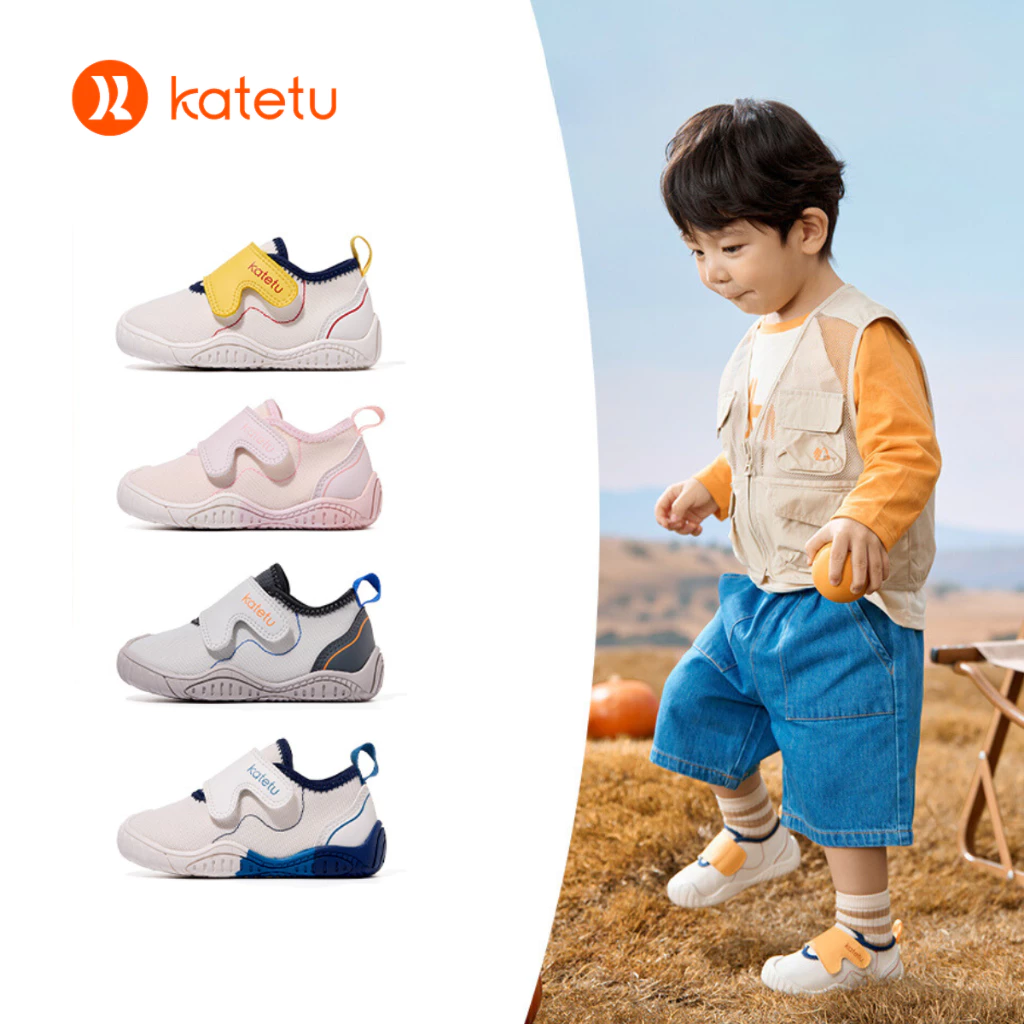
🌼 SY’s Pick for This Stage

We bought this for our little one and have been happy with how it performs. If you’re looking for something similar, here’s the one we use.

👟 KATETU Trendy Comfort Kids’ Sneakers X3CE026

When Do Babies Walk

⭐ Why we like it:

✅ Lightweight and flexible
The shoes are lightweight, so they don’t feel bulky on tiny feet. The flexible sole allows our little one to move naturally while practising standing and walking.

✅ Breathable mesh fabric
The mesh material helps keep little feet cool, especially in Malaysia’s warm weather. We noticed her feet stayed comfortable even after wearing them for a while.

✅ Soft and comfortable fit
The shoes are easy to slip on and don’t seem to rub against her feet. She was happy to keep them on during our outings.

✅ Good grip for outdoor walks
The sole provides decent traction on pavements and shopping malls, giving us a little more confidence when she was exploring on different surfaces.

✅ Easy to match with everyday outfits
The simple design goes well with most of her clothes, so we often reach for this pair when heading out.

Our experience:
We still let our little one stay barefoot most of the time at home because it’s great for balance and natural foot development. We mainly use these shoes for outdoor walks, trips to the park, and shopping malls where we want to protect her feet while still allowing her to move comfortably.

👉 View on Shopee

Frequently Asked Questions When Do Babies Walk

Most babies take their first independent steps between 9 and 15 months, although every child develops at their own pace.

Common signs include pulling up to stand, cruising along furniture, standing without support, improving balance, and taking assisted or independent steps.

Yes. Walking anytime between 9 and 15 months is considered typical, and some healthy babies may begin slightly later.

Provide plenty of supervised floor time, encourage standing and cruising, let your baby practise barefoot indoors, and celebrate every milestone without forcing the process.

Indoors, barefoot is usually best because it helps babies develop balance and strengthen their feet. When outdoors, choose lightweight, flexible shoes that fit well.

No. Wheeled baby walkers are generally not recommended because they don’t help babies learn to walk and can increase the risk of accidents.

Not at all. Many babies enjoy crawling for several months before they feel confident enough to walk. As long as your baby continues making progress, this is usually normal.

Speak with your healthcare provider if your baby isn’t walking independently by around 18 months, loses previously learned motor skills, or shows significant difficulty with balance or movement.

This article shares my personal parenting experience and is for general informational purposes. Every child develops differently. If you have concerns about your child’s behaviour, emotional development or wellbeing, speak with a qualified healthcare professional.

About the author

SY is a mum of one and the founder of PicksBySY. Like many mums, she’s constantly learning, discovering and figuring things out as her little one grows. She created PicksBySY to share her real parenting experiences, useful finds and everyday discoveries – from baby milestones and toddler life to family activities and products she genuinely uses and loves.

Shop Our Picks

Shopee Affiliate Storefront

Posted on — Leave a comment

When Do Babies Start Talking? 7 Essential Speech Milestones

One of the biggest milestones parents look forward to is hearing their baby’s first word. Whether it’s “mama,” “dada,” or another familiar word, those early sounds are exciting signs that your little one is learning to communicate.

If you’ve been wondering when do babies start talking, you’re not alone. It’s one of the most common questions parents ask during their baby’s first two years. Understanding baby speech milestones can help you know what to expect and reassure you that every child develops at their own pace.

The good news is that baby language development begins long before babies say their first word. From listening to your voice and responding to sounds to cooing, babbling, and pointing, every interaction helps build the foundation for speech.

In this guide, you’ll learn:

  • When do babies start talking?
  • When do babies say their first word?
  • 7 important baby speech milestones
  • How to encourage your baby to talk
  • Why every child’s baby language development is different
  • When parents should be concerned about speech delay in toddlers

By understanding these milestones, you’ll feel more confident supporting your baby’s communication skills every day.

When Do Babies Start Talking?

So, when do babies start talking?

Most babies say their first meaningful word between 10 and 14 months. However, baby speech development actually starts from birth.

Long before babies can speak, they are already learning language by:

  • Listening to voices
  • Watching facial expressions
  • Responding to sounds
  • Cooing
  • Babbling
  • Using gestures

These early communication skills are all part of healthy baby language development.

By around 18 to 24 months, many toddlers begin combining two words into short phrases like “more milk,” “Daddy home,” or “want toy.”

Remember that every baby’s speech milestones are unique. Some babies begin talking earlier, while others may need a little more time before saying their first words. Instead of comparing your child with others, focus on steady progress in their baby communication milestones.

When Do Babies Say Their First Word?

Parents often ask, when do babies say their first word?

Most babies say their first meaningful word between 10 and 14 months.

A meaningful word is one your baby consistently uses to refer to the same person, object, or action.

Common baby first words include:

  • Mama
  • Dada
  • Milk
  • Ball
  • Dog
  • Bye-bye
  • Hi

Although your baby may only say one or two words, they usually understand many more.

In fact, receptive language (understanding words) develops much earlier than expressive language (speaking words).

If your baby:

  • Responds to their name
  • Follows simple instructions
  • Points at objects
  • Makes eye contact
  • Babbles regularly

their baby language development is usually progressing well.

Speech vs Language: What’s the Difference?

Many parents think speech and language are the same thing, but they’re actually different.

Speech refers to producing sounds and words.

Language includes:

  • Understanding words
  • Using gestures
  • Following instructions
  • Communicating needs
  • Expressing ideas

Your child may have excellent baby language development before they are able to clearly pronounce words.

Understanding this difference helps parents focus on overall communication rather than only spoken words.

7 Baby Speech Milestones by Age

Understanding baby speech milestones helps parents know what to expect during each stage of development.

1. Birth to 3 Months

The first stage of baby speech development begins immediately after birth.

Your baby may:

  • Recognise your voice
  • Cry differently for different needs
  • Turn towards sounds
  • Make cooing noises
  • Smile when spoken to

Talking to your baby throughout the day supports healthy baby language development. Describe what you’re doing during feeding, bathing, changing diapers, or going for a walk. Every conversation introduces your baby to new words and sounds.

2. 4 to 6 Months

During this stage, babies begin experimenting with sounds.

Common baby speech milestones include:

  • Laughing
  • Babbling
  • Responding when spoken to
  • Copying sounds
  • Taking turns during “conversations”

You may hear sounds such as:

  • Ba
  • Da
  • Ma
  • Ah
  • Ooh

Babbling is an important part of baby speech development because it helps babies practise producing different speech sounds.

3. 7 to 9 Months

At this stage, baby language development grows rapidly.

Your baby may:

  • Respond to their name
  • Understand “no”
  • Wave goodbye
  • Point at objects
  • Repeat sounds like “mamama”

These are important baby communication milestones that prepare your child for saying meaningful words.

4. 10 to 12 Months

If you’ve been wondering when do babies start talking, this is usually when it happens.

Most babies begin saying their first meaningful word during this stage.

Typical baby first words include:

  • Mama
  • Dada
  • Milk
  • Ball
  • Dog
  • Bye

Although vocabulary is still small, your baby’s understanding continues growing every day.

5. 12 to 18 Months

Vocabulary begins growing more quickly.

Typical baby speech milestones include:

  • Saying 10–20 words
  • Following one-step instructions
  • Naming familiar people
  • Pointing to favourite objects
  • Using words together with gestures

Many children experience a vocabulary explosion during this stage.

6. 18 to 24 Months

By around two years old, toddlers usually begin combining words.

Examples include:

  • More milk
  • Daddy home
  • Want toy
  • Big dog

Most toddlers know around 50 words or more.

Combining words is an exciting milestone in baby speech development because it shows that children are beginning to understand simple sentence structure.

7. Age 2 and Beyond

After age two, speech often develops rapidly.

Children may begin:

  • Speaking in short sentences
  • Asking simple questions
  • Naming colours
  • Naming animals
  • Following two-step instructions
  • Enjoying conversations

Their confidence grows alongside their vocabulary, supporting healthy child language development.

Why Every Baby Develops Differently

One of the biggest misconceptions is that every baby should start talking at exactly the same age.

In reality, baby language development varies from child to child.

Several factors influence baby speech development, including:

Personality

Some babies naturally spend more time listening and observing before speaking.

Daily Interaction

Talking, reading, singing, and playing together every day provide valuable opportunities for baby language development.

Hearing

Good hearing is essential for learning speech. Frequent ear infections or hearing problems can affect baby speech milestones.

Bilingual Families

Children raised in bilingual homes may mix languages at first. This is a normal part of child language development and usually isn’t a cause for concern.

10 Ways to Encourage Your Baby to Talk

If you’re wondering how to encourage your baby to talk, the good news is that you don’t need expensive toys or special classes. Babies learn language best through everyday interactions with the people who love them.

Here are ten simple yet effective ways to support your baby’s speech and language development.

1. Talk to Your Baby Throughout the Day

One of the easiest ways to encourage baby language development is by talking during your daily routine.

Describe what you’re doing while feeding, changing diapers, bathing, or taking a walk. Simple sentences like “Let’s put on your socks” or “Here’s your blue cup” expose your baby to new words throughout the day.

The more your baby hears language, the more opportunities they have to understand and eventually use it.

2. Read Together Every Day

Reading is one of the best activities for building baby speech development.

Choose books with colourful pictures, simple words, and repetitive phrases. Point to pictures as you read and name familiar objects.

Ask simple questions like:

  • “Where’s the dog?”
  • “Can you find the ball?”

Even if your baby can’t answer yet, they’re learning new vocabulary with every story.

3. Sing Songs and Nursery Rhymes

Songs and nursery rhymes introduce rhythm, repetition, and new words in a fun and engaging way.

Simple songs like Twinkle, Twinkle, Little Star or The Wheels on the Bus help babies recognise speech patterns. Adding hand movements also strengthens communication and memory.

4. Respond to Your Baby’s Sounds

When your baby coos or babbles, treat it like a real conversation.

If your baby says, “Ba-ba,” you might reply, “Yes! Is that your ball?”

These back-and-forth interactions teach babies that communication has meaning and encourage them to keep trying.

5. Give Your Baby Time to Respond

Many parents naturally answer for their baby too quickly.

Instead, pause for a few seconds after asking a question or offering a choice. This gives your baby time to respond with a sound, gesture, or even a word.

These little pauses can make a big difference in building communication skills.

6. Limit Passive Screen Time

While educational videos may seem helpful, babies learn language best through real conversations.

Instead of relying on screens, spend time:

  • Talking together
  • Reading books
  • Singing songs
  • Playing interactive games

Face-to-face interaction is one of the most powerful ways to support baby language development.

7. Expand on Your Baby’s Words

When your baby says one word, help them learn by adding another.

For example:

  • Baby: “Car.”
  • Parent: “Yes! Red car.”

Or:

  • Baby: “Dog.”
  • Parent: “Big dog.”

This simple technique naturally teaches your child how words fit together.

8. Use Gestures Along With Words

Pointing, waving, clapping, and nodding all help babies understand language before they can speak.

Pairing gestures with words strengthens communication and helps your baby connect actions with meaning.

9. Encourage Interactive Play

Playtime creates countless opportunities to build language skills.

Try activities like:

  • Peekaboo
  • Building blocks
  • Pretend cooking
  • Rolling a ball
  • Animal sound games

These games encourage listening, imitation, and turn-taking—all important parts of baby speech development.

10. Celebrate Every Attempt to Communicate

Whether your baby coos, babbles, points, or says a new word, celebrate every effort.

Smile, clap, and respond enthusiastically. Positive reactions encourage your baby to keep communicating and build their confidence.

Speech Delay in Toddlers: When Should Parents Be Concerned?

Every child develops at their own pace, so it’s perfectly normal for speech milestones to vary.

However, it’s a good idea to speak with your child’s healthcare provider if your baby:

  • Doesn’t respond to sounds by 6 months
  • Rarely babbles by 9 months
  • Doesn’t respond to their name by 12 months
  • Hasn’t said any meaningful words by around 16 months
  • Doesn’t use at least 50 words or combine two words by 24 months
  • Loses speech or communication skills they previously had

These signs don’t always mean there’s a problem, but early assessment can provide reassurance or identify support if needed.

Remember, you know your child best. If something doesn’t feel right, don’t hesitate to seek professional advice.

Common Myths About Baby Speech Development

Myth 1: Boys Always Talk Later Than Girls

Some boys may begin talking slightly later than girls, but there’s a wide range of normal development. Gender alone isn’t a reliable indicator of speech progress.

Myth 2: Bilingual Children Become Confused

Children raised in bilingual households can successfully learn two languages. They may mix languages occasionally, but this is a normal part of bilingual language development.

Myth 3: Babies Learn to Talk Naturally Without Interaction

While development happens naturally, babies learn best through conversations, reading, singing, and playing with caregivers. Daily interaction plays a vital role in building strong communication skills.

Final Thoughts

If you’ve been wondering when do babies start talking, remember that every child develops at their own pace. While most babies say their first meaningful word between 10 and 14 months, communication begins much earlier through listening, smiling, cooing, babbling, and gestures.

The best way to support your baby’s speech and language development is through everyday moments. Talk during daily routines, read together, sing songs, and respond to every attempt at communication. These simple interactions build confidence and create a strong foundation for lifelong learning.

Most importantly, avoid comparing your child with others. Celebrate each milestone as it comes, and if you ever have concerns about your baby’s speech development, seek advice from your child’s healthcare provider. Early support can make a meaningful difference.

Written by SY
A mum sharing personal parenting experiences, discoveries, and everyday lessons.

Frequently Asked Questions Baby Speech Development

Most babies say their first meaningful word between 10 and 14 months, although language development begins from birth through listening, cooing, and babbling.

Common first words include mama, dada, milk, ball, dog, and bye-bye.

No. Babbling is an important stage of speech development that allows babies to practise the sounds they’ll later use in real words.

Talk to your baby throughout the day, read books together, sing songs, respond to their babbling, and enjoy interactive play. Consistent communication helps build strong language skills.

Some children naturally develop later than others. However, if your child has very few words or isn’t making steady progress, it’s worth discussing your concerns with a healthcare professional.

No. Children raised in bilingual families may divide their vocabulary between two languages, but they generally reach language milestones successfully.

Babies learn language best through real-life conversations and play with caregivers. Passive screen time is far less effective than face-to-face interaction.

Speak with your child’s healthcare provider if your baby isn’t meeting several communication milestones or loses previously acquired speech or language skills.

Shop Our Picks

Shopee Affiliate Storefront

Posted on — Leave a comment

When Do Babies Crawl? 7 Clear Signs Your Baby Is Ready to Crawl

Watching your baby become more independent is one of the most exciting parts of parenthood. After learning to roll over and sit up, the next big milestone many parents look forward to is crawling.

If you’ve been wondering when do babies crawl, you’re certainly not alone. It’s one of the most searched questions among new parents, and understanding baby crawling milestones can help you know what to expect during your baby’s first year.

The good news is that every baby develops at their own pace. Some babies crawl earlier, some later, and some even skip crawling altogether before walking. What matters most is that your baby continues making steady progress in their baby gross motor development.

In this guide, you’ll learn:

  • When do babies crawl?
  • Baby crawling milestones by age
  • 7 signs your baby is ready to crawl
  • How to encourage baby to crawl naturally
  • Why some babies crawl earlier than others
  • When parents should worry if their baby is not crawling

By understanding these important baby developmental milestones, you’ll feel more confident supporting your little one’s journey toward greater independence.

When Do Babies Crawl?

So, when do babies crawl?

Most babies begin crawling between 7 and 10 months of age. However, this is only an average. Some babies start crawling as early as six months, while others may not crawl until closer to eleven months.

Before crawling, babies gradually build the strength and coordination needed for movement through earlier baby mobility milestones, including:

  • Rolling over
  • Sitting without support
  • Pushing up during tummy time
  • Rocking on hands and knees
  • Pivoting while lying on their tummy

These earlier baby crawling milestones are just as important as crawling itself.

Parents often compare their baby’s progress with friends or family members, but every child’s baby gross motor development follows its own unique timeline. As long as your baby continues learning new skills and meeting developmental milestones, slight differences are usually completely normal.

Baby Crawling Milestones by Age

Understanding baby crawling milestones helps parents know whether their little one is developing appropriate strength, coordination, and balance.

Birth to 3 Months

During the first three months, babies aren’t ready to crawl yet. Instead, they’re developing the muscles they’ll need later.

Typical baby developmental milestones include:

  • Lifting their head briefly
  • Turning their head towards sounds
  • Kicking their legs
  • Moving their arms freely
  • Beginning tummy time

Although these activities seem simple, they’re essential for healthy baby gross motor development.

4 to 6 Months

Between four and six months, babies become much stronger.

Important baby crawling milestones include:

  • Rolling from tummy to back
  • Rolling from back to tummy
  • Pushing up with straight arms
  • Sitting with support
  • Reaching for nearby toys

Many babies also begin pivoting while lying on their tummy, showing that they’re preparing for greater mobility.

Parents often wonder when should babies crawl, but these earlier milestones are actually more important than crawling itself.

6 to 8 Months

This is when many babies begin preparing for crawling.

Common signs baby is ready to crawl include:

  • Rocking forwards and backwards
  • Getting onto hands and knees
  • Moving backwards before forwards
  • Scooting across the floor
  • Reaching further for toys

These behaviours are excellent indicators that your baby’s gross motor development is progressing well.

7 to 10 Months

For many families, this is the exciting stage when crawling finally begins.

Some babies use the classic hands-and-knees crawl, while others develop their own unique style, such as:

  • Army crawling
  • Bottom shuffling
  • Bear crawling
  • Rolling instead of crawling

All of these can be perfectly normal forms of baby mobility milestones.

Remember, there isn’t just one “correct” way for babies to crawl.

10 to 12 Months

As crawling becomes easier, babies usually become much more adventurous.

They may begin:

  • Crawling quickly
  • Pulling themselves to stand
  • Cruising along furniture
  • Climbing over cushions
  • Exploring every corner of the house

This rapid progress shows healthy baby gross motor development and increasing confidence.

7 Clear Signs Your Baby Is Ready to Crawl

Parents often ask, “How do I know if my baby is ready to crawl?”

Here are seven common signs baby is ready to crawl.

1. Your Baby Loves Tummy Time

Babies who enjoy tummy time are usually building strong neck, shoulder, back, and arm muscles.

These muscles are essential for successful crawling.

If your baby can comfortably spend longer periods on their tummy, they’re developing the strength needed for future baby crawling milestones.

2. They Push Up on Their Hands

Another important sign is when babies begin pushing themselves up with straight arms.

This movement strengthens:

  • Shoulders
  • Chest
  • Arms
  • Core muscles

All of these play a major role in baby gross motor development.

3. They Can Sit Without Support

Independent sitting shows that your baby’s balance and core strength are improving.

Before babies crawl, they usually learn to:

  • Sit steadily
  • Reach for toys
  • Lean forward safely
  • Return to sitting

These movements improve balance, coordination, and overall baby mobility milestones.

4. They Rock Back and Forth

One of the clearest signs baby is ready to crawl is rocking on hands and knees.

Many babies spend several weeks rocking forwards and backwards before they finally move.

Although it may look like they’re “stuck,” they’re actually practising balance and coordination.

5. They Move Backwards First

Many parents worry because their baby moves backwards instead of forwards.

This is actually very common.

Learning to coordinate arms and legs takes practice, so moving backwards often comes before crawling forwards.

It’s a completely normal part of baby crawling milestones.

6. They’re Curious About Everything

A strong desire to explore is often one of the biggest motivators for crawling.

Your baby may:

  • Reach for toys
  • Watch siblings
  • Chase pets
  • Try following you around the house

Curiosity encourages babies to develop new movement skills and supports healthy baby developmental milestones.

7. They Try to Pull Themselves Forward

Eventually, many babies begin using their arms to pull themselves across the floor.

This “army crawl” often appears before traditional crawling.

It’s another positive sign that your baby’s gross motor development is progressing well.

8 Expert Ways to Encourage Baby to Crawl

If you’re wondering how to encourage baby to crawl, the good news is that simple everyday activities can help strengthen your baby’s muscles and build confidence.

Remember, you can’t force a baby to crawl before they’re developmentally ready. Instead, focus on creating opportunities that support healthy baby crawling milestones and baby gross motor development.

1. Give Your Baby Plenty of Tummy Time

Tummy time is one of the best ways to encourage your baby to crawl.

It helps strengthen your baby’s:

  • Neck
  • Shoulders
  • Arms
  • Back
  • Core muscles

These muscles are essential for baby gross motor development and preparing for crawling.

Aim for several short tummy time sessions each day, gradually increasing the duration as your baby becomes more comfortable.

2. Place Favourite Toys Just Out of Reach

One of the easiest ways to encourage baby to crawl is by giving them a reason to move.

Place a favourite toy slightly beyond your baby’s reach.

This encourages them to:

  • Stretch
  • Roll
  • Pivot
  • Push forward
  • Build confidence

Always keep the toy close enough to avoid frustration.

3. Create a Safe Floor Space

Babies learn best when they have room to move.

Instead of spending long periods in:

  • Swings
  • Bouncers
  • Walkers
  • Car seats

allow your baby supervised floor time every day.

A clean play mat or carpet gives them the freedom to practise important baby mobility milestones.

4. Crawl Together

Babies love copying what they see.

Get down on the floor and crawl beside your baby.

Smile, encourage them, and celebrate every small movement.

Your enthusiasm can motivate your baby to keep trying.

5. Reduce Time in Baby Equipment

While swings and bouncers are useful occasionally, too much time in baby equipment limits opportunities for movement.

Giving your baby more floor time supports healthy baby developmental milestones and encourages natural exploration.

6. Celebrate Small Progress

Every movement matters.

Whether your baby:

  • Rolls over
  • Pushes up
  • Rocks on hands and knees
  • Scoots backwards

they’re making progress.

Praise your baby with smiles, claps, and encouraging words.

Positive reinforcement builds confidence and makes learning fun.

7. Encourage Reaching Across the Body

Place toys slightly to one side.

This encourages your baby to:

  • Twist
  • Reach
  • Shift their weight
  • Improve balance

These movements strengthen coordination needed for crawling.

8. Be Patient and Let Your Baby Learn at Their Own Pace

One of the most important ways to encourage baby to crawl is simply being patient.

Every baby reaches baby crawling milestones differently.

Avoid comparing your baby’s progress with friends, siblings, or social media.

Consistent opportunities to move, explore, and play are far more important than reaching milestones by a specific date.

Why Some Babies Crawl Earlier Than Others

If you’re wondering when should babies crawl, remember there isn’t one perfect age.

Several factors influence baby gross motor development, including:

Muscle Strength

Babies who spend more time on the floor often build strength earlier.

Personality

Some babies are naturally more adventurous and eager to explore.

Others prefer observing before attempting new skills.

Opportunities to Move

Babies who enjoy regular tummy time and floor play usually have more chances to practise movement.

Premature Birth

Babies born early may reach baby developmental milestones based on their corrected age rather than their birth date.

Individual Development

Every baby’s nervous system develops differently.

Some babies may crawl at six months, while others crawl closer to eleven months and are still developing normally.

Baby Not Crawling Yet? When Should Parents Be Concerned?

Many parents worry when their baby is not crawling by a certain age.

The good news is that not every baby crawls.

Some babies:

  • Bottom shuffle
  • Roll everywhere
  • Army crawl
  • Move straight to standing
  • Skip crawling completely before walking

These can all be normal variations of baby mobility milestones.

However, it’s worth discussing your baby’s development with a healthcare professional if your baby:

  • Is not showing interest in moving by around 9 months.
  • Cannot sit independently by around 9 months.
  • Uses only one side of their body.
  • Seems unusually stiff or floppy.
  • Loses skills they previously had.
  • Shows significant delays in several baby developmental milestones.

Early assessment doesn’t always mean something is wrong, but it can provide reassurance or early support if needed.

Final Thoughts

If you’ve been asking when do babies crawl, remember that every baby develops at their own pace. While most babies begin crawling between 7 and 10 months, some reach this milestone earlier and others take a little longer.

Rather than focusing on the exact age, pay attention to your baby’s overall baby crawling milestones, baby gross motor development, and growing confidence in exploring the world around them. Regular tummy time, plenty of supervised floor play, and encouraging movement through play are some of the best ways to support healthy development.

Every roll, stretch, scoot, and rock brings your baby one step closer to crawling. Celebrate each achievement, be patient, and enjoy watching your little one discover new ways to move and explore.

Written by SY
A mum sharing personal parenting experiences, discoveries, and everyday lessons.

Frequently Asked Questions

Most babies crawl between 7 and 10 months, although some begin earlier or later. Every baby’s baby crawling milestones develop at their own pace.

Common signs baby is ready to crawl include rocking on hands and knees, pushing up with straight arms, sitting independently, scooting, and showing curiosity about exploring.

Yes. Many babies move backwards before crawling forwards because coordinating their arms and legs takes practice. This is a normal stage of baby gross motor development.

The best ways to encourage baby to crawl include daily tummy time, placing toys just out of reach, providing plenty of supervised floor time, crawling together, and celebrating small achievements.

Some babies skip crawling and move directly to pulling up, cruising, or walking. As long as they continue meeting other baby developmental milestones, this can be perfectly normal.

Most child development experts do not recommend baby walkers because they do not teach crawling or walking and may increase the risk of injuries. Supervised floor play is a much better way to support baby mobility milestones.

Yes. Tummy time strengthens the neck, shoulders, arms, back, and core muscles that are essential for baby crawling milestones and overall baby gross motor development.

If your baby is not crawling by around 10–12 months and also shows delays in sitting, rolling, or other baby developmental milestones, it’s a good idea to speak with your paediatrician or child health nurse.

Shop Our Picks

Shopee Affiliate Storefront

Posted on — Leave a comment

7 Important Baby Speech Milestones Every Parent Should Know

One of the most exciting moments in parenting is hearing your baby’s first word. Whether it’s “mama,” “dada,” or another familiar word, those early words mark an important stage in your child’s communication journey.

If you’ve been wondering when do babies start talking, you’re certainly not alone. It’s one of the most common questions parents ask during their baby’s first two years. While every child develops at their own pace, understanding baby speech milestones can help you know what to expect and how to support healthy baby language development.

The good news is that babies begin learning language long before they can speak. From listening to your voice to babbling and pointing, every interaction contributes to baby speech development.

Baby Speech Milestones: When Do Babies Start Talking?

So, when do babies start talking?

Most babies say their first meaningful word between 10 and 14 months. However, speech and language development actually begin from birth.

Long before saying “mama” or “dada,” babies are constantly learning by:

  • Listening to voices
  • Watching facial expressions
  • Responding to sounds
  • Making cooing noises
  • Babbling with different sounds
  • Using gestures like pointing and waving

These early communication skills are all part of normal baby speech development.

By around 18 to 24 months, many toddlers begin combining two words into simple phrases such as “more milk,” “Daddy home,” or “want toy.”

Remember that every child’s baby language development follows its own timeline. Some babies begin talking earlier, while others may need more time before saying their first words.

Rather than comparing your child with others, look for steady progress in their baby speech milestones.

Baby Speech Milestones: When Do Babies Say Their First Word?

Another question many parents ask is when do babies say their first word.

For most babies, their first meaningful word appears between 10 and 14 months. A meaningful word is one your baby consistently uses to refer to the same person, object, or action.

Common first words include:

  • Mama
  • Dada
  • Ball
  • Milk
  • Bye-bye
  • Dog
  • Hi

Although your baby may only say one or two words, they usually understand many more. In fact, receptive language (understanding words) often develops faster than expressive language (speaking words).

If your baby isn’t talking yet but responds to their name, understands simple instructions, points at objects, and babbles regularly, their baby language development is likely progressing normally.

7 Baby Speech Milestones by Age

1. Birth to 3 Months: Listening and Learning

The first stage of baby speech development begins immediately after birth.

During this stage, babies typically:

  • Recognize their parents’ voices
  • Turn towards familiar sounds
  • Cry differently to express different needs
  • Make cooing sounds
  • Smile when spoken to

Talking to your baby throughout the day supports healthy baby language development, even though they cannot speak yet.

Describe what you’re doing during feeding, bathing, or changing diapers. These everyday conversations expose your baby to thousands of words.

2. 4 to 6 Months: Babbling Begins

Around four to six months, babies become much more vocal.

You may hear sounds such as:

  • Ba
  • Da
  • Ma
  • Ah
  • Ooh

This stage marks one of the biggest baby speech milestones because babbling helps babies practise making speech sounds.

Your baby may also:

  • Laugh frequently
  • Respond when you speak
  • Copy simple sounds
  • Enjoy taking turns during “conversations”

These playful interactions are essential for healthy baby speech development.

3. 7 to 9 Months: Understanding More Words

At this stage, babies begin understanding much more than they can say.

Common milestones include:

  • Responding to their name
  • Understanding simple words like “no”
  • Looking where you point
  • Waving goodbye
  • Using gestures such as pointing or reaching

Many babies also repeatedly babble sounds like “mamama” or “dadada,” even if they don’t yet associate them with their parents.

4. 10 to 12 Months: First Meaningful Words

This is the stage many parents eagerly anticipate.

Most babies say their first meaningful word between 10 and 14 months.

Common first words include:

  • Mama
  • Dada
  • Ball
  • Milk
  • Bye-bye
  • Dog

Even if your baby only says one or two words, they usually understand dozens more.

5. 12 to 18 Months: Vocabulary Starts Growing

During this period, toddlers gradually build their vocabulary.

Many children can:

  • Say around 10 to 20 words
  • Follow simple one-step instructions
  • Point to familiar objects
  • Name favourite people
  • Use words together with gestures

Some toddlers also experience a “word explosion,” learning several new words each week.

6. 18 to 24 Months: Combining Two Words

By around two years old, many toddlers begin putting words together into short phrases.

Examples include:

  • More milk
  • Daddy home
  • Want toy
  • Big ball

Most toddlers know at least 50 words by this age, although vocabulary size varies from child to child.

7. Age 2 and Beyond: Speaking in Short Sentences

After age two, language development often accelerates rapidly.

Your toddler may begin:

  • Asking simple questions
  • Speaking in short sentences
  • Naming colours, animals, and body parts
  • Following two-step instructions
  • Enjoying conversations with family members

The more opportunities children have to hear and practise language, the more confident they become in communicating.

Baby Speech Milestones: Why Do Some Babies Talk Earlier Than Others?

There isn’t one exact age when every baby starts talking. Several factors can influence speech development, including:

Personality

Some babies are naturally more observant and may spend more time listening before they begin speaking.

Family Interaction

Children who are regularly spoken to, read with, and engaged in conversation often have more opportunities to develop language skills.

Hearing Ability

Good hearing plays an important role in speech development. Babies who experience frequent ear infections or hearing difficulties may need additional assessment.

Growing Up Bilingual

Learning two languages does not confuse babies. Bilingual children may mix words from both languages initially, but they are fully capable of becoming fluent in multiple languages.

Baby Speech Milestones: 8 Proven Ways to Encourage Your Baby to Talk

1. Talk Throughout the Day

Narrate everyday activities such as changing diapers, preparing meals, shopping, or taking a walk.

For example:

  • “Let’s put on your socks.”
  • “We’re washing your hands.”
  • “Look at the big blue car.”

These everyday conversations expose your baby to thousands of new words.

2. Read Together Every Day

Reading is one of the most effective ways to build vocabulary.

Choose books with:

  • Bright illustrations
  • Repetitive phrases
  • Simple sentences
  • Interactive questions

Even just 10 to 15 minutes of reading each day can support language development.

3. Sing Songs and Nursery Rhymes

Songs help babies recognise sounds, rhythm, and repetition while making learning fun.

Popular nursery rhymes include:

  • Twinkle, Twinkle, Little Star
  • The Wheels on the Bus
  • Old MacDonald Had a Farm

4. Respond to Your Baby’s Babbling

Treat babbling like a real conversation.

If your baby says:
“Ba ba ba.”

You can respond:
“Yes! That’s your ball.”

This teaches babies that sounds have meaning and encourages them to keep communicating.

5. Maintain Eye Contact

Babies learn by watching your facial expressions and mouth movements.

Whenever possible, face your baby while speaking so they can observe how words are formed.

6. Limit Passive Screen Time

Babies learn language best through real-life interactions, not passive screen viewing.

Talking, reading, and playing together provide far greater benefits than watching videos.

7. Expand on Their Words

If your toddler says:
“Dog.”

You can reply:
“Yes! That’s a big brown dog.”

This naturally introduces new vocabulary and longer sentence structures.

8. Celebrate Every Attempt

Avoid correcting every pronunciation mistake.

Instead, repeat the word correctly while praising their effort.

Positive encouragement builds confidence and motivates children to keep talking.

When Should You Be Concerned About a Speech Delay?

While every child develops at their own pace, you should speak with your pediatrician or a speech-language pathologist if your child:

  • Doesn’t respond to sounds by 6 months
  • Doesn’t babble by around 9 months
  • Doesn’t point, wave, or use gestures by 12 months
  • Has no meaningful words by 16 months
  • Doesn’t combine two words by 24 months
  • Loses previously learned speech or language skills at any age

Early intervention can make a significant difference if additional support is needed.

Final Thoughts

If you’ve been wondering when do babies start talking, remember that every child develops at their own pace. While most babies say their first meaningful word between 10 and 14 months, language development begins from birth through listening, observing, and interacting with the people around them.

The best way to support your baby’s speech is through everyday conversations, reading books together, singing songs, and responding warmly to every sound they make. These simple interactions not only encourage language development but also strengthen the bond between you and your little one.

If you’re ever concerned about your child’s speech or language development, don’t hesitate to speak with your pediatrician or a qualified speech-language pathologist. Early support can make a lasting difference and help your child reach their full communication potential.

Written by SY
A mum sharing personal parenting experiences, discoveries, and everyday lessons.

Frequently Asked Questions Baby Speech Milestones

Most babies say their first meaningful word between 10 and 14 months, although some may begin slightly earlier or later.

Yes. Many babies communicate mainly through gestures, babbling, and facial expressions before using spoken words. If your child continues to understand language and interact with others, this can still be within the normal range.

Some research suggests boys may develop expressive language slightly later on average than girls. However, every child develops differently, and individual variation is much greater than gender differences.

Yes. Babies can successfully learn two or more languages from birth. Mixing languages is a normal part of bilingual language development and does not cause speech delays.

Yes. Reading exposes babies to new words, sounds, and sentence patterns. Daily reading is one of the best activities for supporting speech and language development.

Not necessarily. Babbling is a normal and essential stage of speech development. However, if your baby isn’t babbling by around 9 months or isn’t making progress in other communication skills, it’s worth discussing your concerns with your healthcare provider.

Shop Our Picks

Shopee Affiliate Storefront

Posted on — Leave a comment

15 Essential Sleep Facts: How Much Sleep Does Your Child Need? Complete Guide by Age

Many parents often ask, “how much sleep does your child need?” The answer depends on your child’s age, development stage, daily routine, and individual needs. Understanding recommended sleep hours can help parents create healthier habits and support their child’s growth, learning, and emotional wellbeing.

Sleep is one of the most important parts of your child’s growth and development. How much sleep does your child really need?

As parents, we often focus on nutrition, learning activities, and milestones.

But quality sleep plays an equally important role in helping children:

  • Grow physically
  • Develop their brains
  • Regulate emotions
  • Build immunity
  • Improve learning and memory

Many parents wonder:

“Is my child sleeping enough?”

“How many hours should my toddler sleep?”

“Why does my child wake up so often?”

Understanding how much sleep does your child needs can help you create healthier routines and support your child’s overall wellbeing.

The truth is, sleep needs change as children grow.

A newborn may sleep most of the day, while a toddler and preschooler need fewer hours but still require consistent rest.

This guide explains child sleep needs by age, common sleep challenges, and practical tips to help your little one develop healthy sleep habits.

Why Child Sleep Is Important for Growth and Development

Sleep is not just a time when children “switch off”.

During sleep, their bodies and brains continue important processes.

Adequate sleep supports:

Physical Growth

Children release growth hormones during sleep, which support healthy development.

Brain Development

Sleep helps children process new information, develop memory, and strengthen learning skills.

Emotional Regulation

A well-rested child is often better able to manage emotions, frustration, and daily challenges.

Immune Health

Good sleep supports the body’s natural ability to fight illness.

Behaviour and Focus

Children who sleep well may find it easier to concentrate, communicate, and participate in activities.

A lack of sleep, on the other hand, may affect mood, behaviour, and energy levels.

How Much Sleep Does Your Child Need by Age?

Every child is different.

Some children naturally need more sleep, while others need slightly less.

However, general recommendations can help parents understand what is typical.

Newborn Sleep Needs (0–3 Months)

Recommended sleep hours: Around 14–17 hours per day

Newborns spend most of their time sleeping because their bodies are growing rapidly.

At this stage:

  • Sleep happens throughout the day and night
  • Sleep patterns are still developing
  • Frequent waking is normal
  • Feeding needs often interrupt sleep

Newborn sleep can feel unpredictable for parents.

One day your baby may sleep longer.

Another day they may wake frequently.

This is normal.

The focus during this stage is not creating a strict schedule, but supporting healthy sleep foundations.

Helpful tips:

  • Create a calm sleeping environment
  • Learn your baby’s sleepy cues
  • Keep nighttime interactions quiet
  • Establish simple routines

Parent tip: Newborn sleep is different from older children. Frequent waking is part of normal development.

Baby Sleep Needs (4–12 Months)

Recommended sleep hours: Around 12–16 hours per day (including naps)

During the first year, babies begin developing more predictable sleep patterns.

Many babies start to:

  • Sleep longer stretches at night
  • Take regular naps
  • Develop a bedtime routine

However, sleep challenges may still happen.

Common reasons include:

  • Teething
  • Growth spurts
  • Learning new skills
  • Separation anxiety
  • Changes in routine

At this stage, a consistent bedtime routine can help babies understand that it is time to rest.

A simple routine may include:

  1. Bath time
  2. Feeding
  3. Reading a short book
  4. Gentle cuddles
  5. Sleeping

Parent tip: Consistency matters more than perfection. A simple routine repeated daily can provide comfort and security.

Toddler Sleep Needs (1–3 Years)

Recommended sleep hours: Around 11–14 hours per day (including naps)

Toddlers are busy exploring the world.

They are learning:

  • New words
  • Independence
  • Movement skills
  • Emotional control

Although toddlers may seem full of energy, they still need plenty of sleep.

A lack of sleep may appear as:

  • More tantrums
  • Difficulty focusing
  • Increased clinginess
  • Hyperactive behaviour
  • Mood changes

Many toddlers still need one daytime nap.

However, some children begin transitioning away from naps during this stage.

Healthy toddler sleep habits include:

  • Consistent bedtime
  • A calming bedtime routine
  • Limiting stimulating activities before bed
  • Creating a comfortable sleep environment

Parent tip: Toddlers often resist bedtime because they want to keep exploring. A predictable routine helps them feel secure.

Preschooler Sleep Needs (3–5 Years)

As children enter preschool years, their sleep patterns continue to change.

Recommended sleep hours: Around 10–13 hours per day (including naps)

Some children still nap, while others no longer need daytime sleep.

At this stage, children benefit from:

  • Consistent bedtime
  • Relaxing bedtime activities
  • Limited screen time before sleep
  • A comfortable sleep environment

Preschoolers may experience new sleep challenges, including:

  • Fear of the dark
  • Nightmares
  • Wanting parents nearby
  • Delaying bedtime

These are common parts of development.

Supporting your child with reassurance and consistency can help them feel safe.

Parent tip: A bedtime routine can become a special connection moment, not just a sleep routine.

School-Age Child Sleep Needs (6–12 Years)

Recommended sleep hours: Around 9–12 hours per day

As children grow older, their schedules become busier.

School, homework, activities, and screen time can sometimes affect their sleep routine.

However, sleep remains essential for school-age children.

Adequate sleep supports:

  • Learning and memory
  • Concentration in school
  • Emotional control
  • Physical development
  • Overall wellbeing

Children in this age group may resist bedtime because they want more playtime or screen time.

Parents can support healthy sleep habits by:

  • Keeping a consistent bedtime
  • Creating a relaxing evening routine
  • Limiting stimulating activities before bed
  • Encouraging independent sleep habits

Even older children benefit from predictable routines.

A child who gets enough rest is often better prepared to handle the demands of daily life.

Parent tip: Sleep is not lost free time. It is an important part of your child’s growth and development.

Signs Your Child May Not Be Getting Enough Sleep

Sometimes parents underestimate how much sleep their child needs.

A child who is tired may not always look sleepy.

Instead, they may show different signs.

Common signs of insufficient sleep include:

1. Frequent Mood Changes

Your child may become:

  • More easily frustrated
  • More emotional
  • More sensitive
  • Quick to cry

A tired child may struggle to manage feelings that they normally handle well.

2. Increased Tantrums

For toddlers especially, tiredness can make emotions feel bigger.

You may notice:

  • More meltdowns
  • Difficulty calming down
  • Strong reactions to small problems

3. Difficulty Focusing

Sleep affects attention and learning.

A child who is not getting enough rest may have trouble:

  • Listening
  • Following instructions
  • Staying engaged

4. Changes in Appetite

Poor sleep can sometimes affect hunger and eating patterns.

Some children may:

  • Eat less
  • Seek more snacks
  • Have irregular eating habits

5. Waking Up Difficulties

If your child struggles to wake up every morning despite enough time in bed, their sleep quality may need attention.

Parent tip: Look at your child’s overall behaviour rather than only counting hours of sleep.

How to Build Healthy Sleep Habits at Home

Healthy sleep habits do not happen overnight.

They are built through consistency and small daily routines.

Here are some practical ways to support better sleep.

1. Create a Consistent Bedtime Routine

Children feel secure when they know what happens next.

A predictable bedtime routine signals to their brain that it is time to slow down.

A simple routine may include:

  • Bath time
  • Changing into pyjamas
  • Brushing teeth
  • Reading together
  • Gentle conversation
  • Lights out

The routine does not need to be long.

Consistency is what matters.

Parent tip: Start the routine at the same time each night whenever possible.

2. Create a Calm Sleep Environment

A comfortable environment can make it easier for children to fall asleep.

Consider:

  • A comfortable room temperature
  • A quiet environment
  • Soft lighting before bedtime
  • Comfortable sleepwear
  • A familiar sleeping space

For younger children, familiar items such as a favourite blanket or toy may provide comfort.

A calm environment helps children associate their bedroom with rest.

Parent tip: Keep bedtime activities calm and avoid exciting play right before sleep.

3. Limit Screen Time Before Bed

Screens can make bedtime more challenging for some children.

Activities like watching videos or playing games may keep children stimulated when they should be winding down.

Instead of screens before bed, try:

  • Reading books
  • Talking about the day
  • Listening to calming music
  • Quiet play

A screen-free wind-down period helps children transition into sleep mode.

Parent tip: Create a family bedtime habit where everyone slows down together.

4. Encourage Daytime Physical Activity

Children naturally have lots of energy.

Regular physical activity during the day can support healthier sleep patterns.

Activities can include:

  • Outdoor play
  • Walking
  • Cycling
  • Playground time
  • Active family games

Movement helps children use their energy and supports overall health.

However, avoid very energetic activities right before bedtime, as they may make some children more alert.

Parent tip: Balance active play during the day with calming routines at night.

5. Watch for Overtiredness

Many parents assume that a tired child will easily fall asleep.

However, children who become overtired may actually find it harder to settle.

Signs of overtiredness may include:

  • Hyperactivity
  • Increased crying
  • Fighting bedtime
  • Difficulty calming down

For toddlers especially, keeping a consistent nap and bedtime schedule can help prevent overtiredness.

Learning your child’s sleep cues can make bedtime smoother.

Common sleepy cues include:

  • Rubbing eyes
  • Yawning
  • Becoming quieter
  • Losing interest in activities

Parent tip: Try starting bedtime before your child becomes overly tired.

Common Sleep Mistakes Parents Make

Even with the best intentions, some habits may make sleep more difficult.

Mistake 1: Changing Bedtime Every Night

An inconsistent schedule can make it harder for children to develop a sleep rhythm.

Try keeping bedtime and wake-up times similar each day.

Mistake 2: Using Screens as a Sleep Tool

While screens may help calm children temporarily, they can make it harder for some children to transition into sleep.

Mistake 3: Skipping the Bedtime Routine

A predictable routine helps children feel prepared for sleep.

Mistake 4: Expecting Children to Sleep Like Adults

Children’s sleep patterns change as they grow.

A toddler, baby, and school-age child all have different sleep needs.

Mistake 5: Comparing Your Child’s Sleep With Others

Every child is different.

Some children sleep longer.

Some need more support.

Focus on your child’s individual needs rather than comparison.

Parent tip: Good sleep habits take time. Progress matters more than perfection.

Practical Sleep Tips by Age

Every child develops differently, but these age-specific tips can help parents create healthier sleep habits.

For Babies (0–12 Months)

Focus on creating a safe and predictable sleep environment.

Helpful tips:

  • Learn your baby’s sleepy cues
  • Create a simple bedtime routine
  • Keep nighttime feeds calm and quiet
  • Allow your baby time to develop sleep patterns
  • Create a comfortable sleep space

Remember that frequent waking is normal during the first year.

Your goal is not perfect sleep.

Your goal is building a secure foundation.

For Toddlers (1–3 Years)

Toddlers often resist bedtime because they are becoming more independent.

Helpful tips:

  • Offer limited choices (“Which pyjamas would you like?”)
  • Keep bedtime consistent
  • Use a calming routine
  • Give advance warnings before bedtime
  • Provide comfort and reassurance

Toddlers thrive when they feel involved and know what to expect.

For Preschoolers (3–5 Years)

Preschoolers may develop new fears or bedtime worries.

Helpful tips:

  • Talk about feelings before bedtime
  • Use a night light if needed
  • Encourage relaxing activities
  • Keep bedtime boundaries consistent

Helping children feel safe can reduce bedtime anxiety.

For School-Age Children (6–12 Years)

Older children may have more responsibilities and distractions.

Helpful tips:

  • Maintain healthy routines
  • Encourage good time management
  • Limit late-night screen use
  • Create a relaxing evening environment

Sleep remains an important part of their physical and emotional development.

Bedtime Routine Checklist for Better Sleep

A consistent bedtime routine can help your child transition from active time to rest time.

Try this simple checklist:

  • Finish dinner at a comfortable time
  • Reduce active play before bedtime
  • Take a warm bath or wash up
  • Change into comfortable sleepwear
  • Brush teeth
  • Read a bedtime story
  • Talk about the day’s highlights
  • Give hugs and reassurance
  • Turn off lights at the same time

The routine does not need to be perfect.

What matters most is creating a predictable and comforting pattern.

How Parents Can Support Better Sleep Without Pressure

Many parents feel stressed when their child struggles with sleep.

They may wonder:

“Am I doing something wrong?”

“Why won’t my child sleep like others?”

“Should my child already be sleeping through the night?”

Remember that sleep development takes time.

Children are not machines.

Their sleep can be affected by:

  • Developmental changes
  • Illness
  • Teething
  • Changes in routine
  • New experiences
  • Emotional needs

Instead of focusing only on the outcome, focus on creating healthy habits.

Your child does not need a perfect sleep schedule.

They need a supportive environment where they feel safe and loved.

Final Thoughts for How much sleep does your child need

Understanding how much sleep does your child needs can help you make better decisions about routines, schedules, and bedtime habits.

Sleep is not just about getting through the night.

It supports your child’s:

  • Growth
  • Learning
  • Emotional wellbeing
  • Physical health
  • Daily energy

From newborns to school-age children, sleep needs continue to change.

The most important thing parents can do is provide consistency, comfort, and patience.

There will be nights that go smoothly.

There will be nights that feel challenging.

That is normal.

Parenting is not about creating perfect sleep.

It is about building healthy habits and helping your child feel secure along the way.

A well-rested child is supported by more than a bedtime routine.

They are supported by a home filled with patience, connection, and love.

Written by SY
A mum sharing personal parenting experiences, discoveries, and everyday lessons.

Frequently Asked Questions About Child Sleep Needs

Sleep needs vary depending on age.

General recommendations:

  • Newborns (0–3 months): 14–17 hours daily
  • Babies (4–12 months): 12–16 hours daily
  • Toddlers (1–3 years): 11–14 hours daily
  • Preschoolers (3–5 years): 10–13 hours daily
  • School-age children (6–12 years): 9–12 hours daily

Every child is different, so parents should also consider their child’s mood, behaviour, and overall wellbeing.

Signs your child may be getting enough sleep include:

  • Waking up refreshed
  • Having stable moods
  • Being active and engaged during the day
  • Managing emotions well
  • Maintaining healthy routines

A child who is constantly tired, irritable, or struggling with focus may need a closer look at their sleep habits.

Many toddlers do well with an early and consistent bedtime.

The ideal bedtime depends on:

  • Wake-up time
  • Nap schedule
  • Family routine
  • Individual sleep needs

A predictable bedtime routine is often more important than a specific time.

You can support better toddler sleep habits by:

  • Creating a consistent bedtime routine
  • Limiting screens before bed
  • Encouraging daytime activity
  • Keeping bedtime calm
  • Responding consistently to bedtime challenges

Small changes over time can make a difference.

Children may wake during the night due to:

  • Hunger
  • Teething
  • Developmental changes
  • Nightmares
  • Separation anxiety
  • Changes in routine

Occasional night waking is normal, especially for younger children.

Parents can create healthy sleep habits by:

  • Keeping consistent routines
  • Creating a comfortable sleep environment
  • Encouraging calming bedtime activities
  • Supporting emotional security
  • Modelling healthy sleep behaviours

Good sleep habits develop through patience and consistency.

Shop Our Picks

Shopee Affiliate Storefront

Posted on — Leave a comment

15 Life-Changing Parenting Habits That Support Your Child’s Mental and Emotional Wellbeing

Why Child’s Mental and Emotional Wellbeing Matters

As parents, we often focus on our child’s physical health.

Are they eating well?

Are they sleeping enough?

Are they reaching their milestones?

But a child’s emotional wellbeing is just as important.

A child who feels emotionally supported learns that:

  • Their feelings matter
  • They are loved unconditionally
  • They can express themselves safely
  • They can handle challenges with confidence

Supporting your child’s mental and emotional wellbeing does not require expensive activities or complicated parenting techniques.

Often, it starts with small everyday moments:

A hug after a difficult day.

Listening when they are upset.

Giving them your full attention.

Helping them name their feelings.

Children build emotional security through repeated experiences of love, understanding, and connection.

Whether you have a toddler, preschooler, or school-aged child, these simple habits can help create a safe emotional foundation at home.

How Everyday Parenting Supports Child’s Mental and Emotional Wellbeing

1. Create a Safe Space for Your Child to Express Feelings

One of the most important ways to support your child’s emotional wellbeing is helping them understand that all feelings are allowed.

Children experience many emotions:

  • Happiness
  • Anger
  • Frustration
  • Fear
  • Sadness
  • Disappointment

Sometimes, parents naturally try to stop negative emotions:

“Don’t cry.”

“Don’t be angry.”

“You’re okay.”

Although these words often come from a place of love, children may learn that certain feelings should be hidden.

Instead, try acknowledging their emotions:

“I know you are upset.”

“That was disappointing, wasn’t it?”

“I’m here with you.”

When children feel understood, they learn that emotions are normal and manageable.

They do not need to hide their feelings to receive love.

Parent tip: You do not need to fix every emotion. Sometimes, children simply need to feel heard.

2. Spend Quality One-on-One Time Together

Children need connection more than perfection.

Even with busy schedules, small moments of focused attention can make a big difference.

Quality time can be simple:

  • Reading a book together
  • Playing on the floor
  • Taking a short walk
  • Talking during bedtime
  • Cooking together

The important part is being fully present.

Put away distractions when possible.

Make eye contact.

Listen to what your child wants to share.

These moments communicate:

“You matter.”

“I enjoy being with you.”

“You are important to me.”

Strong parent-child connection helps children feel secure and supported.

Parent tip: Even 10 minutes of uninterrupted attention can become a meaningful daily ritual.

3. Teach Your Child to Name Their Emotions

Young children often feel big emotions but do not have the words to describe them.

A toddler may cry, scream, or throw a tantrum because they cannot explain what they feel.

Helping children name emotions gives them a tool to manage those feelings.

Instead of saying:

“Stop crying.”

Try:

“You feel angry because we need to leave.”

“You feel sad because your toy broke.”

“You are excited about seeing grandma.”

Over time, children learn:

“I am feeling something.”

“I can talk about it.”

“I can manage it.”

This is an important part of emotional development in children.

Parent tip: Use books, pictures, and daily situations to teach different emotions.

4. Show Healthy Ways to Handle Stress

Children learn emotional regulation by watching their parents.

They notice how adults respond to frustration, disappointment, and stress.

You do not need to be a perfect parent.

Instead, show them healthy ways to cope.

For example:

“I’m feeling frustrated. I need a quiet moment.”

“I’m going to take some deep breaths.”

“I made a mistake, but I can try again.”

These simple examples teach children that difficult emotions can be managed.

They learn that:

  • Mistakes are normal
  • Feelings are temporary
  • Problems can be solved

Your behaviour becomes one of your child’s earliest lessons in emotional wellbeing.

Parent tip: Narrate your coping strategies so your child can learn from them.

5. Build Predictable Routines at Home

Children feel safer when they know what to expect.

Predictable routines help children develop a sense of security.

Simple routines can include:

  • Morning routines
  • Mealtime routines
  • Bedtime routines
  • Weekend family rituals

For toddlers especially, routines reduce uncertainty.

Knowing what happens next helps children feel more confident.

For example:

“After bath time, we read a book, then it is bedtime.”

This creates comfort and emotional stability.

Routines do not need to be strict.

They simply provide a familiar rhythm that children can rely on.

Parent tip: A calm and consistent routine can help children feel safe, especially during times of change.

6. Validate Your Child’s Feelings Instead of Dismissing Them

Children experience emotions differently from adults.

What seems small to us may feel very big to them.

A broken toy.

A missed opportunity.

Not getting the snack they wanted.

These moments may seem insignificant, but they are real experiences for your child.

Instead of saying:

“It’s not a big deal.”

“Don’t be upset.”

“You are overreacting.”

Try responding with empathy:

“I understand why you feel upset.”

“You really wanted that, didn’t you?”

“That must feel disappointing.”

Validation does not mean giving children everything they want.

It means helping them feel understood.

When children feel accepted, they learn that emotions are safe to express.

This supports healthy child mental and emotional wellbeing and helps them develop better emotional regulation.

Parent tip: Connect first, then guide. Children are more willing to listen when they feel understood.

7. Encourage Your Child to Be Independent

Supporting emotional wellbeing also means helping children develop confidence in themselves.

When children are allowed to try things independently, they learn:

“I can do difficult things.”

“I can solve problems.”

“I can trust myself.”

Simple ways to encourage independence:

  • Let them choose between two outfits
  • Allow them to help with simple tasks
  • Encourage them to try new activities
  • Let them solve small problems

For toddlers, independence can be as simple as:

  • Feeding themselves
  • Putting toys away
  • Choosing a book
  • Helping prepare snacks

Avoid rushing to help immediately.

Give them time to try.

Even when they struggle, your encouragement builds confidence.

Instead of:

“Let me do it.”

Try:

“Would you like to try first?”

“I’ll help if you need me.”

Parent tip: Focus on effort, not perfection. Confidence grows when children feel capable.

8. Teach Empathy and Kindness Through Everyday Moments

Emotional development is not only about understanding our own feelings.

It is also about understanding others.

Children learn empathy through daily experiences.

You can teach kindness by:

  • Talking about how others feel
  • Helping someone together
  • Showing appreciation
  • Using respectful words at home

Examples:

“Your friend looks sad. What do you think they need?”

“Let’s help tidy up together.”

“Thank you for sharing your toy.”

Small conversations help children understand:

  • Other people’s feelings
  • Different perspectives
  • The importance of kindness

Empathy is a skill that develops over time.

Children learn it through repeated examples from the adults around them.

Parent tip: Your actions teach more than your words. Children copy what they see.

9. Create a Positive and Supportive Home Environment

Home is the first place where children learn about relationships, emotions, and self-worth.

A supportive home environment does not mean a home without problems.

Every family experiences stress and disagreements.

What matters is how challenges are handled.

A positive home environment includes:

  • Respectful communication
  • Warm interactions
  • Encouragement
  • Emotional support
  • Feeling accepted

Simple habits that make a difference:

  • Say “I love you” regularly
  • Celebrate small achievements
  • Spend time laughing together
  • Apologise when you make mistakes

Children who grow up feeling emotionally safe are more likely to develop confidence and resilience.

Parent tip: Your child does not need a perfect parent. They need a parent who repairs, reconnects, and shows love.

10. Help Your Child Build Confidence Through Encouragement

Confidence is an important part of emotional wellbeing.

Children who believe in themselves are better able to handle challenges and setbacks.

The way parents give encouragement matters.

Instead of only praising outcomes:

“You’re so smart!”

Try praising effort:

“You worked really hard on that.”

“You kept trying even when it was difficult.”

“I noticed how carefully you did that.”

This teaches children that growth comes from effort.

Confidence grows when children understand:

  • Mistakes are part of learning
  • Challenges can be overcome
  • Their efforts matter

Small words of encouragement can shape how children see themselves.

Parent tip: Notice the small moments. A child’s confidence grows through everyday experiences.

11. Spend Time Playing Together

Play is one of the most natural ways children connect with their parents.

For children, play is not just entertainment.

It is how they communicate, explore, and process emotions.

Playing together can include:

  • Building blocks
  • Pretend play
  • Drawing
  • Reading
  • Outdoor games

When parents join their child’s play, children feel:

  • Seen
  • Valued
  • Connected

Play also gives parents insight into their child’s thoughts and feelings.

A child may express worries or experiences through pretend play that they cannot explain with words.

Parent tip: Follow your child’s lead during play. Let them choose the game sometimes.

12. Teach Healthy Ways to Manage Big Emotions

Big emotions are normal for children.

Especially for toddlers, emotions can feel overwhelming because they are still learning self-control.

Instead of expecting children to calm down immediately, teach them tools.

Helpful strategies include:

Deep Breathing

Teach simple breathing exercises:

“Smell the flower, blow the candle.”

Taking a Quiet Break

Create a calm space where your child can relax.

Using Words

Encourage phrases like:

“I am angry.”

“I need help.”

“I don’t like that.”

These skills take time to develop.

Children need practice, patience, and support.

Your role is not to prevent every difficult emotion.

Your role is to teach them that they can handle emotions safely.

Parent tip: Stay calm during your child’s big emotions. Your calm presence helps them learn regulation.

13. Limit Comparison and Celebrate Your Child’s Individuality

Every child develops at their own pace.

However, it is easy for parents to compare:

“My friend’s child is already doing this.”

“Why isn’t my child like them?”

“Should my child be further ahead?”

Constant comparison can create unnecessary pressure for both parents and children.

Instead, focus on your child’s own journey.

Celebrate:

  • Their effort
  • Their progress
  • Their unique personality
  • Their interests
  • Their small achievements

A child who feels accepted learns:

“I am valued for who I am.”

“I do not need to be someone else to be loved.”

Supporting your child’s mental and emotional wellbeing means creating an environment where they feel safe being themselves.

Parent tip: Replace comparison with curiosity. Ask, “What makes my child unique?”

14. Create Special Family Rituals

Small family traditions can have a powerful impact on a child’s emotional security.

Family rituals give children a sense of belonging and connection.

They do not need to be complicated.

Simple ideas include:

  • Bedtime stories
  • Weekend breakfast together
  • Family walks
  • Saying “I love you” before bedtime
  • Monthly family outings
  • Taking photos together

These repeated moments tell children:

“We are connected.”

“I belong here.”

“I am loved.”

For children, consistency creates comfort.

Years later, they may not remember expensive toys or big events.

But they often remember the little traditions that made them feel special.

Parent tip: Choose simple rituals that your family can realistically maintain.

15. Take Care of Your Own Emotional Wellbeing

Supporting your child’s emotional health also starts with taking care of yourself.

Parenting can be rewarding, but it can also be exhausting.

When parents are constantly overwhelmed, stressed, or running on empty, it becomes harder to respond calmly.

Self-care does not have to mean big changes.

It can be small moments:

  • Taking a short break
  • Asking for help
  • Getting enough rest when possible
  • Spending time doing something you enjoy
  • Talking to someone you trust

Taking care of yourself is not selfish.

It teaches your child an important lesson:

“My feelings and needs matter too.”

Children learn emotional wellbeing by watching the adults around them.

A parent who cares for themselves models healthy boundaries and self-respect.

Parent tip: You do not need to be a perfect parent. A present and emotionally available parent is what matters most.

Signs Your Child May Need More Emotional Support

Every child experiences difficult emotions.

However, parents may want to pay closer attention if they notice ongoing changes such as:

  • Frequent extreme emotional reactions
  • Significant changes in sleep or eating habits
  • Avoiding activities they previously enjoyed
  • Constant worry or fear
  • Difficulty expressing feelings
  • Long-lasting sadness or withdrawal

If you are concerned about your child’s wellbeing, consider speaking with a qualified healthcare or mental health professional for guidance.

Early support can help children develop healthy ways to cope with emotions.

Simple Daily Habits That Support Emotional Wellbeing

Supporting your child’s emotional health does not require a perfect routine.

Small daily actions matter.

Try incorporating:

  • A warm hug every day
  • Asking “How are you feeling?”Listening without immediately correcting
  • Reading together
  • Saying positive words of encouragement
  • Creating family routines
  • Playing together
  • Showing affection openly
  • Apologising when mistakes happen
  • Spending meaningful one-on-one time

These small moments build a strong emotional foundation.

Final Thoughts: Building Strong Child’s Mental and Emotional Wellbeing Starts at Home

A child’s emotional wellbeing is built through everyday experiences.

It is built when they feel heard.

When they feel understood.

When they know they are loved, even during difficult moments.

Parenting is not about preventing every sadness, frustration, or disappointment.

Children need challenges to learn and grow.

What matters is knowing they have a safe place to return to.

A parent who listens.

A home where emotions are accepted.

A relationship built on trust and connection.

The little things you do every day shape how your child sees themselves and the world around them.

You do not need to be a perfect parent.

You simply need to keep showing up with patience, love, and understanding.

Because emotional security is one of the greatest gifts you can give your child.

Written by SY
A mum sharing personal parenting experiences, discoveries, and everyday lessons.

Frequently Asked Questions About Child’s Mental and Emotional Wellbeing

Parents can support their child’s mental and emotional wellbeing by creating a safe environment where children feel loved, heard, and accepted.
Simple actions such as listening to feelings, spending quality time together, maintaining routines, and offering encouragement can help children develop emotional security.

Emotional wellbeing helps children understand and manage feelings, build confidence, develop relationships, and cope with challenges.
Children who feel emotionally supported are more likely to develop resilience and a positive sense of self.

Parents can help children express emotions by teaching feeling words, acknowledging their feelings, and creating opportunities for open conversations.
Instead of dismissing emotions, try saying:
“I understand you feel upset.”
“Can you tell me what happened?”

Toddlers learn emotional regulation through guidance and practice.

Parents can teach emotional regulation by:

  • Naming emotions
  • Staying calm during tantrums
  • Teaching breathing techniques
  • Offering comfort
  • Helping children find words for their feelings

Helpful parenting tips include:

  • Showing unconditional love
  • Spending quality time together
  • Encouraging independence
  • Teaching empathy
  • Praising effort
  • Creating a supportive home environment

Small daily interactions have a lasting impact.

Parents can support emotional development in children by providing opportunities for communication, play, problem-solving, and expressing feelings.

Children develop emotional skills through everyday experiences and relationships with their caregivers.

Shop Our Picks

Shopee Affiliate Storefront