Watching your baby take their first steps is one of the most exciting milestones in early childhood. Those first wobbly steps mark the beginning of a whole new stage of independence, exploration, and confidence.
If you’re wondering when do babies walk, you’re certainly not alone. It’s one of the most frequently asked questions among new parents. While every child develops at their own pace, understanding baby walking milestones can help you know what to expect and recognise the signs that your little one is getting ready to walk.
Walking doesn’t happen overnight. Before taking those first independent steps, babies spend months building strength, balance, coordination, and confidence through rolling, sitting, crawling, standing, and cruising along furniture.
In this guide, you’ll learn:
- When do babies walk?
- Baby walking milestones by age
- 10 signs your baby is ready to walk
- How to encourage baby to walk safely
- Why every baby learns to walk at a different pace
- When parents should be concerned about delayed walking
By understanding these developmental milestones, you’ll be better prepared to support your baby’s exciting journey toward their first steps.
When Do Babies Walk?
So, when do babies walk?
Most babies take their first independent steps between 9 and 15 months. However, it’s perfectly normal for some babies to walk slightly earlier or later.
Walking is part of your baby’s gross motor development, which involves learning to control large muscle movements. Before walking independently, babies usually master several important skills, including:
- Rolling over
- Sitting without support
- Crawling
- Pulling themselves up
- Standing while holding onto furniture
- Cruising along furniture
Each of these baby developmental milestones helps build the muscle strength, balance, and coordination needed for walking.
Remember, babies develop at different speeds. Some confident little explorers may start walking before their first birthday, while others prefer crawling for a few extra months before taking their first steps.
As long as your baby continues making steady progress, there’s usually no need to compare them with other children.
Baby Walking Milestones by Age
Every baby follows their own timeline, but these general walking milestones by age can help you understand what to expect.
Birth to 3 Months
Although walking is still a long way off, your baby’s muscles are already developing.
During this stage, your baby may:
- Lift their head during tummy time
- Kick their legs
- Stretch their arms
- Build neck and shoulder strength
These early movements lay the foundation for future baby gross motor development.
4 to 6 Months
As muscles become stronger, babies begin moving more confidently.
Your baby may:
- Roll over
- Push up during tummy time
- Sit with support
- Bounce when held upright
These movements help strengthen their core muscles, which are essential for walking later on.
7 to 9 Months
This is an exciting period of rapid physical development.
Many babies begin:
- Sitting independently
- Crawling
- Moving between sitting and crawling
- Pulling themselves into a standing position
These are major baby walking milestones that prepare babies for standing and balancing.
9 to 12 Months
During this stage, many babies become much more mobile.
Your baby may:
- Stand while holding furniture
- Cruise along the sofa
- Squat to pick up toys
- Stand briefly without support
- Take one or two independent steps
This is often when parents first notice signs their baby is almost ready to walk.
12 to 18 Months
Most babies begin walking confidently during this period.
Many toddlers can:
- Walk independently
- Carry toys while walking
- Climb onto furniture
- Walk across different surfaces
- Pull toys behind them
As walking becomes easier, your toddler will spend more time exploring their surroundings.
10 Signs Your Baby Is Ready to Walk
Every baby reaches this milestone differently, but there are several common signs that your little one may be preparing to take their first steps.
1. Pulling Up to Stand
One of the earliest signs your baby is ready to walk is pulling themselves up using furniture or other stable objects.
Standing strengthens leg muscles and improves balance.
2. Cruising Along Furniture
Many babies begin walking sideways while holding onto the couch, coffee table, or other furniture.
Cruising allows babies to practise shifting their weight from one foot to the other.
3. Standing Without Support
If your baby can stand independently for several seconds without holding onto anything, they’re building the balance needed for walking.
4. Taking Small Assisted Steps
Some babies enjoy walking while holding a parent’s hands.
Although assistance is helpful occasionally, babies should also have opportunities to practise independently in a safe environment.
5. Squatting to Pick Up Toys
Squatting and standing back up require excellent balance and leg strength.
Babies who can do this confidently are developing important walking skills.
6. Climbing Onto Low Furniture
Climbing demonstrates growing confidence, coordination, and muscle control.
Always supervise closely to keep your baby safe during climbing activities.
7. Letting Go While Standing
Your baby may begin standing without realising they’ve let go of the furniture.
This growing confidence is often one of the final steps before independent walking.
8. Improving Balance
Instead of wobbling immediately, your baby begins maintaining their balance while standing.
Improved balance allows babies to take their first independent steps safely.
9. Showing Curiosity About Walking
Your baby may watch older siblings or other children walking and attempt to copy them.
Babies learn by observing others, and imitation often motivates them to practise new skills.
10. Taking Their First Independent Steps
The biggest sign of all is when your baby takes one or two unassisted steps before sitting down.
These first steps may seem small, but they’re the result of months of physical development, practice, and determination.
Why Every Baby Walks at Their Own Pace
It’s natural to compare your baby’s progress with friends or family members, but walking is one of the most variable developmental milestones.
Several factors can influence when babies walk, including:
Personality
Some babies are naturally cautious and prefer mastering crawling before attempting to walk.
Opportunities to Practise
Babies who spend plenty of supervised floor time have more opportunities to strengthen their muscles and develop coordination.
Muscle Strength
Strong core muscles, hips, and legs all contribute to successful walking.
Confidence
Some babies have the physical ability to walk but simply need more confidence before letting go of furniture.
Individual Development
Every child develops differently. Some babies crawl for several months before walking, while others skip crawling altogether and move straight to walking.
As long as your baby continues reaching new developmental milestones and becoming more mobile, there’s usually no reason to worry.
8 Ways to Encourage Your Baby to Walk
If you’re wondering how to encourage your baby to walk, remember that every child develops at their own pace. Your role isn’t to rush the process but to provide a safe, supportive environment where your baby can build confidence and strength.
Here are eight expert-backed ways to support your baby’s walking journey.
1. Give Your Baby Plenty of Floor Time
The best place for your baby to practise movement is on the floor.
Daily floor play allows babies to:
- Crawl freely
- Pull up to stand
- Cruise along furniture
- Practise balancing
Avoid keeping your baby in strollers, swings, or bouncers for long periods, as these limit opportunities to strengthen important muscles.
2. Encourage Standing During Play
Place your baby’s favourite toys on a low sofa or sturdy table to encourage them to pull themselves up.
Standing while playing strengthens the muscles needed for walking while making practice fun and engaging.
Always supervise your baby during standing activities.
3. Let Your Baby Cruise Along Furniture
Cruising is an important step before independent walking.
Arrange sturdy furniture close together so your baby can move safely from one piece to another while holding on.
As your baby becomes more confident, they’ll gradually rely less on support.
4. Motivate with Favourite Toys
Hold a favourite toy just a short distance away to encourage your baby to take a few steps.
Avoid placing the toy too far away, as this may cause frustration.
Celebrate every attempt, even if your baby only manages one or two steps.
5. Practise Barefoot Indoors
Whenever possible, let your baby walk barefoot on safe indoor surfaces.
Walking barefoot helps babies:
- Improve balance
- Strengthen foot muscles
- Develop better coordination
- Feel the ground beneath their feet
If shoes are needed outdoors, choose lightweight, flexible footwear that allows natural movement.
6. Avoid Baby Walkers
Despite their name, baby walkers with wheels do not help babies learn to walk faster.
In fact, they may delay normal walking skills because babies rely on the equipment rather than developing their own balance and muscle strength.
Many child safety organisations also discourage their use because of the increased risk of accidents.
7. Hold Their Hands Occasionally
Walking while holding your baby’s hands can boost confidence, but avoid doing it all the time.
Babies also need opportunities to practise balancing independently so they can develop natural walking skills.
Think of hand-holding as gentle encouragement rather than constant support.
8. Celebrate Every Milestone
Learning to walk is a huge achievement.
Smile, clap, cheer, and celebrate every effort your baby makes, whether they’re standing for a few seconds or taking their very first step.
Positive encouragement helps build confidence and makes practising enjoyable.
Baby Not Walking Yet? When Should Parents Be Concerned?
Most babies take their first independent steps between 9 and 15 months, but some healthy babies may walk a little later.
You should speak with your child’s healthcare provider if your baby:
- Isn’t pulling up to stand by around 12 months
- Isn’t cruising along furniture by around 12 months
- Isn’t walking independently by around 18 months
- Walks on only one side of the body
- Seems to lose previously acquired motor skills
- Shows very poor muscle strength or balance
These signs don’t automatically indicate a developmental problem, but an early assessment can provide reassurance or identify whether extra support is needed.
Remember, every baby develops differently. Many late walkers go on to develop completely normally.
Common Myths About Baby Walking
Myth 1: Babies Must Crawl Before They Walk
Not necessarily.
While many babies crawl before walking, some skip crawling altogether and move straight to standing and walking. Both patterns can be part of normal development.
Myth 2: Baby Walkers Help Babies Walk Earlier
This is one of the most common misconceptions.
Research suggests that wheeled baby walkers do not teach babies how to walk and may even delay normal walking skills while increasing the risk of injuries.
Myth 3: The Earlier a Baby Walks, the Smarter They Are
There’s no evidence that early walking is linked to intelligence.
Walking age varies widely among healthy children and is influenced by personality, muscle strength, confidence, and individual development.
Written by SY
A mum sharing personal parenting experiences, discoveries, and everyday lessons.
🌼 SY’s Pick for This Stage
We bought this for our little one and have been happy with how it performs. If you’re looking for something similar, here’s the one we use.
👟 KATETU Trendy Comfort Kids’ Sneakers X3CE026
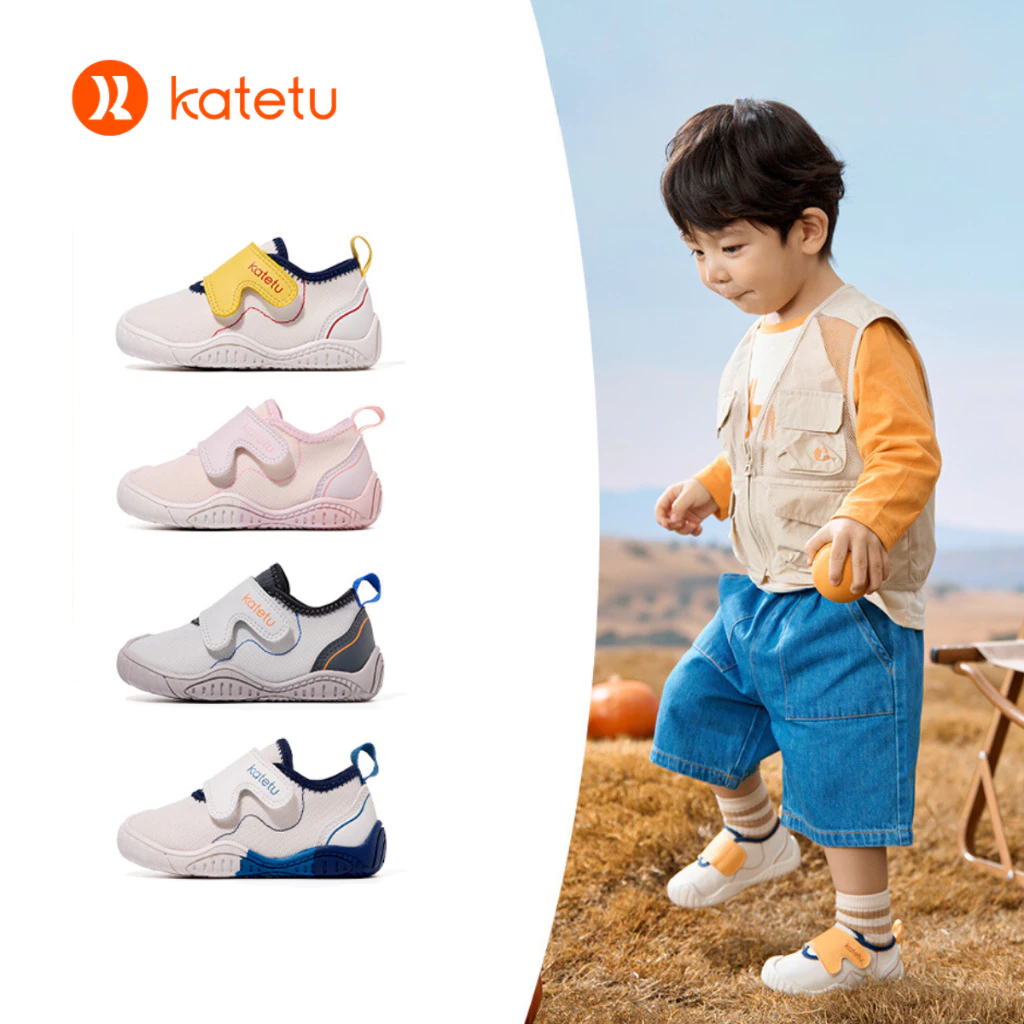
⭐ Why we like it:
✅ Lightweight and flexible
The shoes are lightweight, so they don’t feel bulky on tiny feet. The flexible sole allows our little one to move naturally while practising standing and walking.
✅ Breathable mesh fabric
The mesh material helps keep little feet cool, especially in Malaysia’s warm weather. We noticed her feet stayed comfortable even after wearing them for a while.
✅ Soft and comfortable fit
The shoes are easy to slip on and don’t seem to rub against her feet. She was happy to keep them on during our outings.
✅ Good grip for outdoor walks
The sole provides decent traction on pavements and shopping malls, giving us a little more confidence when she was exploring on different surfaces.
✅ Easy to match with everyday outfits
The simple design goes well with most of her clothes, so we often reach for this pair when heading out.
Our experience:
We still let our little one stay barefoot most of the time at home because it’s great for balance and natural foot development. We mainly use these shoes for outdoor walks, trips to the park, and shopping malls where we want to protect her feet while still allowing her to move comfortably.
👉 View on Shopee
Frequently Asked Questions When Do Babies Walk
This article shares my personal parenting experience and is for general informational purposes. Every child develops differently. If you have concerns about your child’s behaviour, emotional development or wellbeing, speak with a qualified healthcare professional.
About the author
SY is a mum of one and the founder of PicksBySY. Like many mums, she’s constantly learning, discovering and figuring things out as her little one grows. She created PicksBySY to share her real parenting experiences, useful finds and everyday discoveries – from baby milestones and toddler life to family activities and products she genuinely uses and loves.