Posted on Leave a comment

When Do Babies Stand? 7 Signs Your Baby Is Ready

One of the most exciting moments during your baby’s first year is seeing them pull themselves up for the first time. Standing marks a major step toward walking and shows that your little one is developing the strength, balance, and coordination needed for independent movement.

If you’re wondering when do babies stand, you’re not alone. Many parents notice their baby suddenly becoming more interested in furniture, reaching higher, and attempting to stand. These early efforts are all part of normal baby gross motor development.

Standing doesn’t happen overnight. Before babies can stand confidently, they first learn to roll over, sit independently, crawl, and pull themselves up using furniture. Each milestone builds the muscles and confidence needed for the next.

In this guide, you’ll learn:

  • When do babies stand?
  • Baby standing milestones by age
  • 7 signs your baby is ready to stand
  • How to encourage your baby to stand safely
  • Why babies stand at different ages
  • When parents should be concerned

By understanding these baby developmental milestones, you’ll know what to expect and how to support your baby’s journey toward standing and eventually walking.

When Do Babies Stand?

So, when do babies stand?

Most babies begin standing with support between 8 and 10 months. They usually pull themselves up by holding onto furniture before learning to stand independently.

Standing without support often develops between 10 and 12 months, although some babies may take a little longer. Independent standing is one of the final milestones before taking those exciting first steps.

A general timeline looks like this:

  • 6–8 months: Sits independently and begins crawling.
  • 8–10 months: Pulls up to stand using furniture.
  • 9–11 months: Cruises along furniture while standing.
  • 10–12 months: Stands independently for a few seconds.
  • 12–15 months: Begins walking independently.

Remember, every baby develops at their own pace. Some babies love standing early, while others spend more time crawling before they feel ready.

Baby Standing Milestones by Age

Birth to 4 Months

Although standing is still a long way off, your baby is already developing important muscles.

During this stage, your baby may:

  • Lift their head during tummy time
  • Push up on their arms
  • Kick their legs energetically
  • Build neck and back strength

These movements lay the foundation for future standing and walking.

4 to 6 Months

As your baby’s muscles become stronger, you’ll notice more controlled movements.

Your baby may:

  • Roll over in both directions
  • Sit with support
  • Push up during tummy time
  • Bounce gently when held upright

Bouncing is a fun way for babies to strengthen their leg muscles.

6 to 8 Months

This stage brings major progress in baby standing milestones.

Your baby may:

  • Sit without support
  • Crawl confidently
  • Move into a hands-and-knees position
  • Reach for furniture while kneeling

These skills prepare babies for pulling themselves into a standing position.

8 to 10 Months

Many babies begin standing with support during this stage.

You may notice your baby:

  • Pulling up using furniture
  • Standing while holding onto a sofa or coffee table
  • Bending their knees while standing
  • Enjoying bouncing up and down

This is often the first time parents realise their baby is getting ready to walk.

10 to 12 Months

Most babies become much more confident while standing.

Your baby may:

  • Cruise along furniture
  • Stand briefly without support
  • Squat to pick up toys
  • Practise balancing independently

These are exciting signs that your baby is approaching their first independent steps.

7 Signs Your Baby Is Ready to Stand

Every baby develops differently, but these common signs often show that standing is just around the corner.

1. Sitting Confidently Without Support

Strong sitting balance means your baby has developed the core strength needed to support their body while standing.

2. Crawling with Confidence

Crawling strengthens your baby’s shoulders, hips, legs, and core muscles—all essential for standing.

3. Pulling Up Using Furniture

One of the clearest signs your baby is ready to stand is pulling themselves up while holding onto furniture.

4. Enjoying Bouncing on Their Feet

When you hold your baby upright, they may happily bounce up and down. This helps strengthen their leg muscles and improve coordination.

5. Cruising Along Furniture

Moving sideways while holding onto furniture allows babies to practise shifting their weight and balancing before walking.

6. Squatting While Holding On

If your baby can bend down to pick up a toy and stand back up while holding onto furniture, they’re developing impressive balance and leg strength.

7. Letting Go Briefly

Some babies begin letting go of furniture for a few seconds before grabbing it again.

This growing confidence is often the final step before standing independently.

Why Every Baby Stands at Their Own Pace

Several factors influence when babies stand, including:

  • Muscle strength
  • Opportunities for floor play
  • Confidence and personality
  • Time spent crawling
  • Individual development
  • Premature birth (corrected age may be more appropriate)

Some babies are eager to stand as soon as they can pull themselves up, while others prefer crawling for several more weeks before practising balance.

As long as your baby continues progressing through their developmental milestones, slight differences in timing are usually completely normal.

8 Ways to Encourage Your Baby to Stand

If you’re wondering how to encourage your baby to stand, remember that standing is a natural milestone that develops through daily play and movement. Rather than rushing the process, focus on creating a safe and supportive environment where your baby can build strength and confidence.

Here are eight expert-backed ways to help your baby prepare for standing.

1. Encourage Plenty of Floor Time

One of the best ways to support baby gross motor development is by giving your baby plenty of supervised floor time.

Floor play allows your baby to:

  • Crawl freely
  • Transition between sitting and crawling
  • Pull up on furniture
  • Strengthen their arms, legs, and core

These everyday movements build the foundation for standing and walking.

2. Continue Daily Tummy Time

Even after your baby has learned to roll over, tummy time remains important.

It helps strengthen:

  • Neck muscles
  • Shoulder muscles
  • Back muscles
  • Core muscles

These muscles are essential for pulling up and maintaining balance while standing.

3. Place Toys on Raised Surfaces

Position favourite toys on a low sofa or sturdy coffee table to encourage your baby to pull themselves into a standing position.

Make sure the furniture is stable and won’t tip over.

4. Let Your Baby Cruise Along Furniture

Once your baby can pull up, encourage them to move sideways while holding onto furniture.

Cruising helps babies:

  • Improve balance
  • Strengthen leg muscles
  • Learn to shift their weight
  • Prepare for independent walking

5. Encourage Squatting During Play

Place a toy on the floor while your baby is standing and holding onto furniture.

Reaching down to pick it up and standing back up again strengthens the legs and improves coordination.

6. Practice Barefoot Indoors

Whenever possible, let your baby practise standing barefoot on safe indoor surfaces.

Being barefoot helps babies:

  • Grip the floor better
  • Strengthen foot muscles
  • Improve balance
  • Develop natural movement patterns

If shoes are needed outdoors, choose lightweight, flexible shoes that allow the feet to move naturally.

7. Avoid Overusing Baby Equipment

Swings, walkers, jumpers, and activity seats can be useful in moderation, but too much time in them may reduce opportunities for natural movement.

Giving your baby plenty of supervised floor play is one of the best ways to support healthy physical development.

8. Celebrate Every Achievement

Whether your baby stands for two seconds or twenty, celebrate every success with smiles, claps, and encouragement.

Positive reinforcement builds confidence and motivates your baby to keep practising.

Baby Not Standing Yet? When Should Parents Be Concerned?

Most babies begin standing with support between 8 and 10 months, while standing independently often happens between 10 and 12 months.

You should speak with your child’s healthcare provider if your baby:

  • Cannot sit independently by around 9 months
  • Shows no interest in bearing weight through their legs by around 10 months
  • Isn’t pulling up to stand by around 12 months
  • Uses only one side of the body when moving
  • Appears unusually stiff or floppy
  • Loses motor skills they had previously achieved

These signs don’t necessarily mean there’s a developmental problem, but an early assessment can provide reassurance or identify whether additional support is needed.

Standing Safety Tips

As your baby becomes more mobile, it’s important to make your home a safe place to explore.

Secure Furniture

Babies often pull themselves up using sofas, TV cabinets, coffee tables, and shelves.

Secure heavy furniture to the wall to prevent tipping.

Remove Sharp Objects

Keep breakable items, heavy decorations, and sharp-edged objects out of your baby’s reach.

Use Safety Gates

Install safety gates at the top and bottom of stairs before your baby begins cruising or walking.

Supervise New Skills

Always stay nearby while your baby practises standing, especially around furniture or hard surfaces.

Falls are a normal part of learning, but close supervision helps reduce the risk of injury.

Common Myths About Standing

Myth 1: Babies Must Stand by Nine Months

Not true.

Many healthy babies begin standing with support between 8 and 10 months, while others may reach this milestone a little later.

Myth 2: Standing Early Means They’ll Walk Early

Not necessarily.

Some babies spend several weeks or even months happily cruising along furniture before taking their first independent steps.

Myth 3: Baby Walkers Help Babies Learn to Stand

Research suggests that wheeled baby walkers do not help babies develop standing or walking skills and may even increase the risk of injuries.

Natural floor play remains the best way to encourage healthy motor development.

Final Thoughts

If you’ve been wondering when do babies stand, remember that most babies begin standing with support between 8 and 10 months, while independent standing usually develops between 10 and 12 months. Standing is an exciting milestone that reflects growing strength, balance, and confidence.

You can support your baby’s progress by encouraging supervised floor play, offering opportunities to pull up on sturdy furniture, and celebrating every small achievement. Avoid comparing your baby with others—each child develops at their own pace.

If you ever have concerns about your baby’s standing or overall development, don’t hesitate to speak with your child’s healthcare provider. Early guidance can provide reassurance and ensure your baby receives the support they need if necessary.

Frequently Asked Questions About When Do Babies Stand

Most babies begin standing with support between 8 and 10 months and stand independently between 10 and 12 months.

Common signs include sitting independently, crawling confidently, pulling up on furniture, cruising, squatting while holding on, and briefly letting go of support.

Provide supervised floor time, continue tummy time, encourage pulling up using sturdy furniture, and let your baby practise barefoot indoors whenever it’s safe.

Yes. Every baby develops at their own pace. Some babies focus on crawling longer before they begin standing.

Indoors, barefoot is usually best because it helps improve balance and strengthens the feet. Choose lightweight, flexible shoes for outdoor use.

Yes. Crawling strengthens the arms, legs, hips, and core muscles, all of which are important for standing and walking.

Cruising – moving sideways while holding onto furniture – is an important standing milestone and usually comes before independent standing and walking.

Speak with your healthcare provider if your baby isn’t pulling up to stand by around 12 months, loses previously acquired motor skills, or has significant difficulty bearing weight through their legs.

Related Articles

Continue supporting your baby’s development with these helpful guides:

7 Clear Signs Your Baby Is Ready to Crawl: When Do Babies Crawl?

When Do Babies Walk? 10 Signs Your Baby Is Ready

When Do Babies Start Talking? 7 Essential Speech Milestones

15 Essential Sleep Facts: How Much Sleep Does Your Child Need? Complete Guide by Age

18 Baby Sensory Play Ideas You Can Do at Home to Support Your Baby’s Development
Shop Our Picks

Shopee Affiliate Storefront

Posted on Leave a comment

When Do Babies Roll Over? 7 Signs Your Baby Is Ready

Watching your baby roll over for the first time is an exciting milestone. It may seem like a simple movement, but rolling over is one of the earliest signs that your baby is developing the strength, coordination, and balance needed for future milestones like sitting, crawling, and walking.

If you’re wondering when do babies roll over, you’re not alone. Many parents eagerly wait for this achievement and wonder whether their baby is developing on track.

The good news is that every baby develops at their own pace. Understanding baby rolling over milestones can help you recognise when your little one is getting ready to roll and how you can safely encourage their progress.

In this guide, you’ll learn:

  • When do babies roll over?
  • When babies roll from tummy to back and back to tummy
  • 7 signs your baby is ready to roll over
  • How to encourage your baby to roll safely
  • Why every baby reaches this milestone differently
  • When parents should be concerned if their baby isn’t rolling over yet

By knowing what to expect, you’ll feel more confident supporting your baby’s gross motor development during the first year.

When Do Babies Roll Over?

So, when do babies roll over?

Most babies begin rolling over between 4 and 6 months of age.

Typically, babies first learn to roll from tummy to back because this movement requires less muscle control. Rolling from back to tummy usually develops a little later, as it requires stronger neck, shoulder, arm, and core muscles.

A general timeline looks like this:

  • 3 to 4 months: Attempts to roll onto their side.
  • 4 to 5 months: Rolls from tummy to back.
  • 5 to 6 months: Rolls from back to tummy.
  • 6 to 7 months: Rolls confidently in both directions.

Keep in mind that these are general guidelines. Some babies roll earlier, while others may take a little longer. As long as your baby continues developing new skills, slight differences in timing are usually normal.

Baby Rolling Over Milestones by Age

Rolling over doesn’t happen overnight. It develops gradually as your baby’s muscles become stronger.

Birth to 2 Months

During the first two months, babies are building the muscles they’ll eventually use for rolling.

Your baby may:

  • Lift their head briefly during tummy time
  • Turn their head from side to side
  • Stretch their arms and legs
  • Begin strengthening their neck muscles

Although your baby isn’t ready to roll yet, daily tummy time helps lay the foundation for future movement.

2 to 4 Months

Your baby’s muscles become noticeably stronger during this stage.

You may notice your baby:

  • Pushing up on their forearms
  • Holding their head steady
  • Rocking gently from side to side
  • Accidentally rolling onto one side

These are exciting early baby rolling over milestones that show your baby is developing the coordination needed for rolling.

4 to 6 Months

This is when many babies successfully roll over for the first time.

Your baby may:

  • Roll from tummy to back
  • Push up on straight arms
  • Reach for toys while lying on their tummy
  • Twist their body during play

Many babies also begin spending more time exploring different positions.

6 to 8 Months

By now, most babies roll confidently in both directions.

They may also begin:

  • Sitting without support
  • Moving in circles while on their tummy
  • Rocking on hands and knees
  • Preparing to crawl

Rolling becomes an important part of your baby’s overall gross motor development.

7 Signs Your Baby Is Ready to Roll Over

Every baby develops differently, but there are several common signs that your little one may be getting ready to roll.

1. Strong Head Control

One of the earliest signs is being able to lift and hold their head steadily during tummy time.

Good head control is essential before babies can safely roll over.

2. Enjoying Tummy Time

Babies who tolerate tummy time for longer periods are usually building the strength needed for rolling.

The longer your baby practises tummy time, the stronger their neck, shoulders, arms, and back become.

3. Pushing Up on Their Arms

If your baby can push their chest off the floor while lying on their tummy, they’re strengthening the muscles required for rolling.

This movement also improves balance and coordination.

4. Rolling Onto One Side

Before completing a full roll, many babies begin rocking from side to side or rolling onto one hip.

This is often one of the clearest signs that a full roll is just around the corner.

5. Reaching Across Their Body

Your baby may begin reaching for toys placed slightly out of reach.

Crossing the body’s midline helps babies learn the twisting movement required for rolling.

6. Twisting Their Hips

As coordination improves, babies begin rotating their hips independently from their shoulders.

This twisting movement is another important step toward rolling successfully.

7. Showing Curiosity During Play

Babies become increasingly motivated to move when they want to reach a toy, look at a parent, or explore their surroundings.

This natural curiosity often encourages them to practise rolling over on their own.

Why Every Baby Rolls Over at Their Own Pace

Parents often compare milestones with friends, siblings, or babies of a similar age. However, rolling over is one of many developmental milestones that can vary considerably from one child to another.

Several factors influence when babies roll over, including:

Muscle Strength

Babies who spend more time practising tummy time often develop the neck, shoulder, and core strength needed for rolling.

Personality

Some babies are naturally more adventurous and eager to explore movement, while others prefer to observe before trying something new.

Opportunities to Practise

Giving your baby plenty of supervised floor time allows them to develop movement naturally without relying too much on baby equipment.

Premature Birth

Babies born prematurely often reach milestones based on their corrected age rather than their birth date. Your healthcare provider can help you understand what to expect.

Individual Development

Every baby’s journey is unique. Some babies roll early, while others focus on different skills before mastering this milestone.

As long as your baby continues gaining strength and showing progress in their baby developmental milestones, there’s usually no need to worry.

8 Ways to Encourage Your Baby to Roll Over

If you’re wondering how to encourage your baby to roll over, the good news is that simple daily activities can help strengthen the muscles needed for this important milestone.

Remember, every baby develops at their own pace. The goal is to create opportunities for movement rather than rushing the process.

1. Make Tummy Time a Daily Routine

Tummy time is one of the best ways to support baby gross motor development.

Aim for several short tummy time sessions each day while your baby is awake and supervised.

Tummy time helps strengthen the:

  • Neck
  • Shoulders
  • Arms
  • Back
  • Core muscles

These muscles are all essential for rolling over, sitting, crawling, and eventually walking.

2. Encourage Reaching for Toys

Place colourful toys just slightly out of your baby’s reach during tummy time.

This encourages your baby to:

  • Stretch
  • Twist their body
  • Shift their weight
  • Reach across the midline

These movements naturally prepare babies for rolling over.

3. Practice Side-Lying Play

Help your baby spend short periods lying on one side while playing.

This position teaches balance and helps babies become familiar with the movement needed to roll from one position to another.

Always supervise your baby during side-lying play.

4. Reduce Time in Baby Equipment

Car seats, swings, bouncers, and baby seats are useful when needed, but spending too much time in them can reduce opportunities for movement.

Whenever possible, allow your baby plenty of supervised floor time to explore freely.

Floor play encourages natural baby developmental milestones.

5. Use Toys to Motivate Movement

Move a favourite toy slowly from one side of your baby’s body to the other.

As your baby follows the toy with their eyes and reaches for it, they’ll naturally begin twisting their shoulders and hips.

This movement helps prepare them for rolling over.

6. Celebrate Every Attempt

Your baby doesn’t need to complete a full roll to make progress.

Smile, clap, and encourage every small movement, whether it’s rolling onto one side or lifting their chest higher during tummy time.

Positive encouragement builds confidence and makes learning enjoyable.

7. Give Plenty of Supervised Floor Time

The more opportunities your baby has to move freely, the more they’ll develop strength, coordination, and confidence.

Choose a firm, safe play mat where your baby has enough space to explore different movements.

8. Be Patient

Every baby develops differently.

Some babies roll over at four months, while others may not roll until six or seven months.

Avoid comparing your baby with others and celebrate each milestone as it comes.

Baby Not Rolling Over Yet? When Should Parents Be Concerned?

Most babies begin rolling over between 4 and 6 months, but some healthy babies may take a little longer.

You should speak with your child’s healthcare provider if your baby:

  • Has poor head control by around 4 months
  • Doesn’t enjoy any tummy time despite regular practice
  • Shows very little movement on either side of the body
  • Isn’t attempting to roll by around 6 months
  • Hasn’t rolled in either direction by around 7 months
  • Loses motor skills they had previously developed

These signs don’t always indicate a developmental problem, but an early assessment can provide reassurance or identify whether additional support is needed.

Trust your instincts. If you have concerns about your baby’s development, it’s always appropriate to seek professional advice.

Baby Rolling Over Safety Tips

Rolling over is exciting, but it also means your baby is becoming much more mobile.

Follow these safety tips to help keep your little one safe.

Never Leave Your Baby Unattended on Raised Surfaces

Once babies learn to roll, they can quickly move across a bed, sofa, or changing table.

Always keep one hand on your baby during diaper changes on elevated surfaces.

Continue Following Safe Sleep Guidelines

Once your baby can roll independently, continue placing them on their back to sleep.

If they roll onto their tummy during sleep and can roll both ways independently, you generally don’t need to reposition them. However, always follow your healthcare provider’s advice and safe sleep recommendations.

Create a Safe Play Area

Provide a clean, firm play mat with enough room for your baby to move freely.

Remove small objects or hazards from the surrounding area.

Supervise Tummy Time

Always stay nearby while your baby practices tummy time or explores new movements.

Common Myths About Rolling Over

Myth 1: Every Baby Rolls Over at Exactly Four Months

Not true.

Healthy babies may roll anytime between about four and six months, and some may take slightly longer.

Myth 2: Babies Must Roll From Tummy to Back First

While many babies do, some learn to roll from back to tummy before mastering the opposite direction.

Both patterns can be part of normal development.

Myth 3: More Baby Equipment Helps Babies Develop Faster

Babies develop best through active movement on the floor.

Too much time in swings, bouncers, or baby seats can reduce opportunities to strengthen the muscles needed for rolling.

Final Thoughts

If you’ve been wondering when do babies roll over, remember that most babies reach this exciting milestone between 4 and 6 months. Rolling over is much more than a simple movement—it’s an important step in your baby’s gross motor development and lays the foundation for sitting, crawling, and walking.

The best way to support your baby is through plenty of supervised tummy time, floor play, and opportunities to explore movement at their own pace. Every small achievement, from lifting their head to rolling onto one side, is a sign that they’re growing stronger each day.

Most importantly, avoid comparing your baby with others. Every child follows their own developmental journey. If you ever have concerns about your baby’s progress, don’t hesitate to speak with your healthcare provider for guidance and reassurance.

Frequently Asked Questions About When Do Babies Roll Over

Most babies begin rolling over between 4 and 6 months, although every baby develops at their own pace.

Most babies roll from tummy to back first because it requires less strength. Rolling from back to tummy usually follows a few weeks later.

Provide daily tummy time, encourage reaching for toys, allow plenty of supervised floor play, and celebrate every attempt to move.

Yes. Some babies take a little longer than others. If your baby continues making steady progress, there’s often no cause for concern.

Yes. Once your baby shows signs of rolling, it’s generally recommended to stop swaddling to reduce the risk of restricted movement during sleep.

Absolutely. Tummy time strengthens your baby’s neck, shoulders, back, arms, and core muscles, all of which are essential for rolling and future milestones.

Most babies roll over before learning to sit or crawl, but every child develops differently. If your baby is progressing well in other motor skills, speak with your healthcare provider if you have any concerns.

Speak with your healthcare provider if your baby hasn’t attempted rolling by around six months, hasn’t rolled in either direction by around seven months, or loses previously acquired motor skills.

Related Articles

Continue supporting your baby’s development with these helpful guides:

7 Clear Signs Your Baby Is Ready to Crawl: When Do Babies Crawl?

When Do Babies Walk? 10 Signs Your Baby Is Ready

When Do Babies Start Talking? 7 Essential Speech Milestones

15 Essential Sleep Facts: How Much Sleep Does Your Child Need? Complete Guide by Age

18 Baby Sensory Play Ideas You Can Do at Home to Support Your Baby’s Development
Shop Our Picks

Shopee Affiliate Storefront

Posted on Leave a comment

When Do Babies Walk? 10 Signs Your Baby Is Ready

Watching your baby take their first steps is one of the most exciting milestones in early childhood. Those first wobbly steps mark the beginning of a whole new stage of independence, exploration, and confidence.

If you’re wondering when do babies walk, you’re certainly not alone. It’s one of the most frequently asked questions among new parents. While every child develops at their own pace, understanding baby walking milestones can help you know what to expect and recognise the signs that your little one is getting ready to walk.

Walking doesn’t happen overnight. Before taking those first independent steps, babies spend months building strength, balance, coordination, and confidence through rolling, sitting, crawling, standing, and cruising along furniture.

In this guide, you’ll learn:

  • When do babies walk?
  • Baby walking milestones by age
  • 10 signs your baby is ready to walk
  • How to encourage baby to walk safely
  • Why every baby learns to walk at a different pace
  • When parents should be concerned about delayed walking

By understanding these developmental milestones, you’ll be better prepared to support your baby’s exciting journey toward their first steps.

When Do Babies Walk?

So, when do babies walk?

Most babies take their first independent steps between 9 and 15 months. However, it’s perfectly normal for some babies to walk slightly earlier or later.

Walking is part of your baby’s gross motor development, which involves learning to control large muscle movements. Before walking independently, babies usually master several important skills, including:

  • Rolling over
  • Sitting without support
  • Crawling
  • Pulling themselves up
  • Standing while holding onto furniture
  • Cruising along furniture

Each of these baby developmental milestones helps build the muscle strength, balance, and coordination needed for walking.

Remember, babies develop at different speeds. Some confident little explorers may start walking before their first birthday, while others prefer crawling for a few extra months before taking their first steps.

As long as your baby continues making steady progress, there’s usually no need to compare them with other children.

Baby Walking Milestones by Age

Every baby follows their own timeline, but these general walking milestones by age can help you understand what to expect.

Birth to 3 Months

Although walking is still a long way off, your baby’s muscles are already developing.

During this stage, your baby may:

  • Lift their head during tummy time
  • Kick their legs
  • Stretch their arms
  • Build neck and shoulder strength

These early movements lay the foundation for future baby gross motor development.

4 to 6 Months

As muscles become stronger, babies begin moving more confidently.

Your baby may:

  • Roll over
  • Push up during tummy time
  • Sit with support
  • Bounce when held upright

These movements help strengthen their core muscles, which are essential for walking later on.

7 to 9 Months

This is an exciting period of rapid physical development.

Many babies begin:

  • Sitting independently
  • Crawling
  • Moving between sitting and crawling
  • Pulling themselves into a standing position

These are major baby walking milestones that prepare babies for standing and balancing.

9 to 12 Months

During this stage, many babies become much more mobile.

Your baby may:

  • Stand while holding furniture
  • Cruise along the sofa
  • Squat to pick up toys
  • Stand briefly without support
  • Take one or two independent steps

This is often when parents first notice signs their baby is almost ready to walk.

12 to 18 Months

Most babies begin walking confidently during this period.

Many toddlers can:

  • Walk independently
  • Carry toys while walking
  • Climb onto furniture
  • Walk across different surfaces
  • Pull toys behind them

As walking becomes easier, your toddler will spend more time exploring their surroundings.

10 Signs Your Baby Is Ready to Walk

Every baby reaches this milestone differently, but there are several common signs that your little one may be preparing to take their first steps.

1. Pulling Up to Stand

One of the earliest signs your baby is ready to walk is pulling themselves up using furniture or other stable objects.

Standing strengthens leg muscles and improves balance.

2. Cruising Along Furniture

Many babies begin walking sideways while holding onto the couch, coffee table, or other furniture.

Cruising allows babies to practise shifting their weight from one foot to the other.

3. Standing Without Support

If your baby can stand independently for several seconds without holding onto anything, they’re building the balance needed for walking.

4. Taking Small Assisted Steps

Some babies enjoy walking while holding a parent’s hands.

Although assistance is helpful occasionally, babies should also have opportunities to practise independently in a safe environment.

5. Squatting to Pick Up Toys

Squatting and standing back up require excellent balance and leg strength.

Babies who can do this confidently are developing important walking skills.

6. Climbing Onto Low Furniture

Climbing demonstrates growing confidence, coordination, and muscle control.

Always supervise closely to keep your baby safe during climbing activities.

7. Letting Go While Standing

Your baby may begin standing without realising they’ve let go of the furniture.

This growing confidence is often one of the final steps before independent walking.

8. Improving Balance

Instead of wobbling immediately, your baby begins maintaining their balance while standing.

Improved balance allows babies to take their first independent steps safely.

9. Showing Curiosity About Walking

Your baby may watch older siblings or other children walking and attempt to copy them.

Babies learn by observing others, and imitation often motivates them to practise new skills.

10. Taking Their First Independent Steps

The biggest sign of all is when your baby takes one or two unassisted steps before sitting down.

These first steps may seem small, but they’re the result of months of physical development, practice, and determination.

Why Every Baby Walks at Their Own Pace

It’s natural to compare your baby’s progress with friends or family members, but walking is one of the most variable developmental milestones.

Several factors can influence when babies walk, including:

Personality

Some babies are naturally cautious and prefer mastering crawling before attempting to walk.

Opportunities to Practise

Babies who spend plenty of supervised floor time have more opportunities to strengthen their muscles and develop coordination.

Muscle Strength

Strong core muscles, hips, and legs all contribute to successful walking.

Confidence

Some babies have the physical ability to walk but simply need more confidence before letting go of furniture.

Individual Development

Every child develops differently. Some babies crawl for several months before walking, while others skip crawling altogether and move straight to walking.

As long as your baby continues reaching new developmental milestones and becoming more mobile, there’s usually no reason to worry.

8 Ways to Encourage Your Baby to Walk

If you’re wondering how to encourage your baby to walk, remember that every child develops at their own pace. Your role isn’t to rush the process but to provide a safe, supportive environment where your baby can build confidence and strength.

Here are eight expert-backed ways to support your baby’s walking journey.

1. Give Your Baby Plenty of Floor Time

The best place for your baby to practise movement is on the floor.

Daily floor play allows babies to:

  • Crawl freely
  • Pull up to stand
  • Cruise along furniture
  • Practise balancing

Avoid keeping your baby in strollers, swings, or bouncers for long periods, as these limit opportunities to strengthen important muscles.

2. Encourage Standing During Play

Place your baby’s favourite toys on a low sofa or sturdy table to encourage them to pull themselves up.

Standing while playing strengthens the muscles needed for walking while making practice fun and engaging.

Always supervise your baby during standing activities.

3. Let Your Baby Cruise Along Furniture

Cruising is an important step before independent walking.

Arrange sturdy furniture close together so your baby can move safely from one piece to another while holding on.

As your baby becomes more confident, they’ll gradually rely less on support.

4. Motivate with Favourite Toys

Hold a favourite toy just a short distance away to encourage your baby to take a few steps.

Avoid placing the toy too far away, as this may cause frustration.

Celebrate every attempt, even if your baby only manages one or two steps.

5. Practise Barefoot Indoors

Whenever possible, let your baby walk barefoot on safe indoor surfaces.

Walking barefoot helps babies:

  • Improve balance
  • Strengthen foot muscles
  • Develop better coordination
  • Feel the ground beneath their feet

If shoes are needed outdoors, choose lightweight, flexible footwear that allows natural movement.

6. Avoid Baby Walkers

Despite their name, baby walkers with wheels do not help babies learn to walk faster.

In fact, they may delay normal walking skills because babies rely on the equipment rather than developing their own balance and muscle strength.

Many child safety organisations also discourage their use because of the increased risk of accidents.

7. Hold Their Hands Occasionally

Walking while holding your baby’s hands can boost confidence, but avoid doing it all the time.

Babies also need opportunities to practise balancing independently so they can develop natural walking skills.

Think of hand-holding as gentle encouragement rather than constant support.

8. Celebrate Every Milestone

Learning to walk is a huge achievement.

Smile, clap, cheer, and celebrate every effort your baby makes, whether they’re standing for a few seconds or taking their very first step.

Positive encouragement helps build confidence and makes practising enjoyable.

Baby Not Walking Yet? When Should Parents Be Concerned?

Most babies take their first independent steps between 9 and 15 months, but some healthy babies may walk a little later.

You should speak with your child’s healthcare provider if your baby:

  • Isn’t pulling up to stand by around 12 months
  • Isn’t cruising along furniture by around 12 months
  • Isn’t walking independently by around 18 months
  • Walks on only one side of the body
  • Seems to lose previously acquired motor skills
  • Shows very poor muscle strength or balance

These signs don’t automatically indicate a developmental problem, but an early assessment can provide reassurance or identify whether extra support is needed.

Remember, every baby develops differently. Many late walkers go on to develop completely normally.

Common Myths About Baby Walking

Myth 1: Babies Must Crawl Before They Walk

Not necessarily.

While many babies crawl before walking, some skip crawling altogether and move straight to standing and walking. Both patterns can be part of normal development.

Myth 2: Baby Walkers Help Babies Walk Earlier

This is one of the most common misconceptions.

Research suggests that wheeled baby walkers do not teach babies how to walk and may even delay normal walking skills while increasing the risk of injuries.

Myth 3: The Earlier a Baby Walks, the Smarter They Are

There’s no evidence that early walking is linked to intelligence.

Walking age varies widely among healthy children and is influenced by personality, muscle strength, confidence, and individual development.

Written by SY
A mum sharing personal parenting experiences, discoveries, and everyday lessons.

🌼 SY’s Pick for This Stage

We bought this for our little one and have been happy with how it performs. If you’re looking for something similar, here’s the one we use.

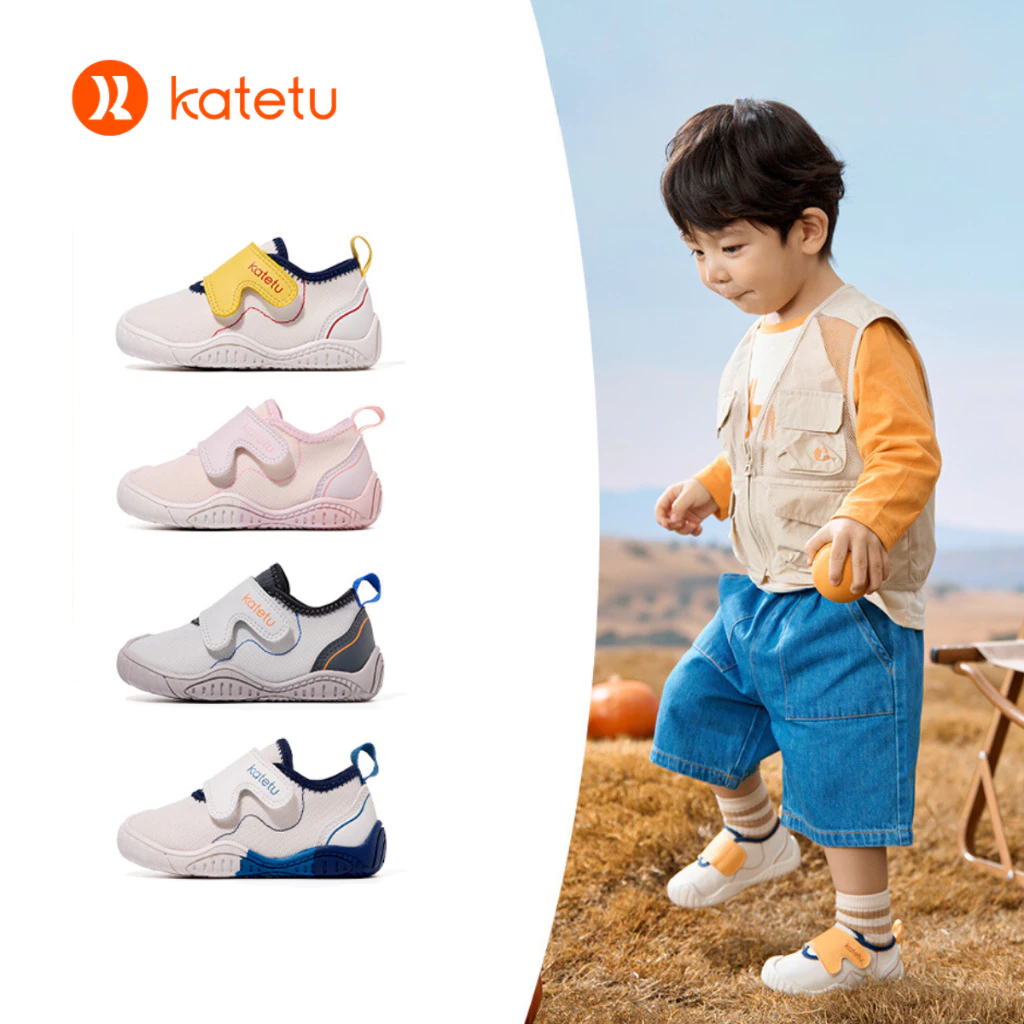
👟 KATETU Trendy Comfort Kids’ Sneakers X3CE026

When Do Babies Walk

⭐ Why we like it:

Lightweight and flexible
The shoes are lightweight, so they don’t feel bulky on tiny feet. The flexible sole allows our little one to move naturally while practising standing and walking.

Breathable mesh fabric
The mesh material helps keep little feet cool, especially in Malaysia’s warm weather. We noticed her feet stayed comfortable even after wearing them for a while.

Soft and comfortable fit
The shoes are easy to slip on and don’t seem to rub against her feet. She was happy to keep them on during our outings.

Good grip for outdoor walks
The sole provides decent traction on pavements and shopping malls, giving us a little more confidence when she was exploring on different surfaces.

Easy to match with everyday outfits
The simple design goes well with most of her clothes, so we often reach for this pair when heading out.

Our experience:
We still let our little one stay barefoot most of the time at home because it’s great for balance and natural foot development. We mainly use these shoes for outdoor walks, trips to the park, and shopping malls where we want to protect her feet while still allowing her to move comfortably.

👉 View on Shopee

Frequently Asked Questions When Do Babies Walk

Most babies take their first independent steps between 9 and 15 months, although every child develops at their own pace.

Common signs include pulling up to stand, cruising along furniture, standing without support, improving balance, and taking assisted or independent steps.

Yes. Walking anytime between 9 and 15 months is considered typical, and some healthy babies may begin slightly later.

Provide plenty of supervised floor time, encourage standing and cruising, let your baby practise barefoot indoors, and celebrate every milestone without forcing the process.

Indoors, barefoot is usually best because it helps babies develop balance and strengthen their feet. When outdoors, choose lightweight, flexible shoes that fit well.

No. Wheeled baby walkers are generally not recommended because they don’t help babies learn to walk and can increase the risk of accidents.

Not at all. Many babies enjoy crawling for several months before they feel confident enough to walk. As long as your baby continues making progress, this is usually normal.

Speak with your healthcare provider if your baby isn’t walking independently by around 18 months, loses previously learned motor skills, or shows significant difficulty with balance or movement.

Shop Our Picks

Shopee Affiliate Storefront

Posted on Leave a comment

When Do Babies Start Talking? 7 Essential Speech Milestones

One of the biggest milestones parents look forward to is hearing their baby’s first word. Whether it’s “mama,” “dada,” or another familiar word, those early sounds are exciting signs that your little one is learning to communicate.

If you’ve been wondering when do babies start talking, you’re not alone. It’s one of the most common questions parents ask during their baby’s first two years. Understanding baby speech milestones can help you know what to expect and reassure you that every child develops at their own pace.

The good news is that baby language development begins long before babies say their first word. From listening to your voice and responding to sounds to cooing, babbling, and pointing, every interaction helps build the foundation for speech.

In this guide, you’ll learn:

  • When do babies start talking?
  • When do babies say their first word?
  • 7 important baby speech milestones
  • How to encourage your baby to talk
  • Why every child’s baby language development is different
  • When parents should be concerned about speech delay in toddlers

By understanding these milestones, you’ll feel more confident supporting your baby’s communication skills every day.

When Do Babies Start Talking?

So, when do babies start talking?

Most babies say their first meaningful word between 10 and 14 months. However, baby speech development actually starts from birth.

Long before babies can speak, they are already learning language by:

  • Listening to voices
  • Watching facial expressions
  • Responding to sounds
  • Cooing
  • Babbling
  • Using gestures

These early communication skills are all part of healthy baby language development.

By around 18 to 24 months, many toddlers begin combining two words into short phrases like “more milk,” “Daddy home,” or “want toy.”

Remember that every baby’s speech milestones are unique. Some babies begin talking earlier, while others may need a little more time before saying their first words. Instead of comparing your child with others, focus on steady progress in their baby communication milestones.

When Do Babies Say Their First Word?

Parents often ask, when do babies say their first word?

Most babies say their first meaningful word between 10 and 14 months.

A meaningful word is one your baby consistently uses to refer to the same person, object, or action.

Common baby first words include:

  • Mama
  • Dada
  • Milk
  • Ball
  • Dog
  • Bye-bye
  • Hi

Although your baby may only say one or two words, they usually understand many more.

In fact, receptive language (understanding words) develops much earlier than expressive language (speaking words).

If your baby:

  • Responds to their name
  • Follows simple instructions
  • Points at objects
  • Makes eye contact
  • Babbles regularly

their baby language development is usually progressing well.

Speech vs Language: What’s the Difference?

Many parents think speech and language are the same thing, but they’re actually different.

Speech refers to producing sounds and words.

Language includes:

  • Understanding words
  • Using gestures
  • Following instructions
  • Communicating needs
  • Expressing ideas

Your child may have excellent baby language development before they are able to clearly pronounce words.

Understanding this difference helps parents focus on overall communication rather than only spoken words.

7 Baby Speech Milestones by Age

Understanding baby speech milestones helps parents know what to expect during each stage of development.

1. Birth to 3 Months

The first stage of baby speech development begins immediately after birth.

Your baby may:

  • Recognise your voice
  • Cry differently for different needs
  • Turn towards sounds
  • Make cooing noises
  • Smile when spoken to

Talking to your baby throughout the day supports healthy baby language development. Describe what you’re doing during feeding, bathing, changing diapers, or going for a walk. Every conversation introduces your baby to new words and sounds.

2. 4 to 6 Months

During this stage, babies begin experimenting with sounds.

Common baby speech milestones include:

  • Laughing
  • Babbling
  • Responding when spoken to
  • Copying sounds
  • Taking turns during “conversations”

You may hear sounds such as:

  • Ba
  • Da
  • Ma
  • Ah
  • Ooh

Babbling is an important part of baby speech development because it helps babies practise producing different speech sounds.

3. 7 to 9 Months

At this stage, baby language development grows rapidly.

Your baby may:

  • Respond to their name
  • Understand “no”
  • Wave goodbye
  • Point at objects
  • Repeat sounds like “mamama”

These are important baby communication milestones that prepare your child for saying meaningful words.

4. 10 to 12 Months

If you’ve been wondering when do babies start talking, this is usually when it happens.

Most babies begin saying their first meaningful word during this stage.

Typical baby first words include:

  • Mama
  • Dada
  • Milk
  • Ball
  • Dog
  • Bye

Although vocabulary is still small, your baby’s understanding continues growing every day.

5. 12 to 18 Months

Vocabulary begins growing more quickly.

Typical baby speech milestones include:

  • Saying 10–20 words
  • Following one-step instructions
  • Naming familiar people
  • Pointing to favourite objects
  • Using words together with gestures

Many children experience a vocabulary explosion during this stage.

6. 18 to 24 Months

By around two years old, toddlers usually begin combining words.

Examples include:

  • More milk
  • Daddy home
  • Want toy
  • Big dog

Most toddlers know around 50 words or more.

Combining words is an exciting milestone in baby speech development because it shows that children are beginning to understand simple sentence structure.

7. Age 2 and Beyond

After age two, speech often develops rapidly.

Children may begin:

  • Speaking in short sentences
  • Asking simple questions
  • Naming colours
  • Naming animals
  • Following two-step instructions
  • Enjoying conversations

Their confidence grows alongside their vocabulary, supporting healthy child language development.

Why Every Baby Develops Differently

One of the biggest misconceptions is that every baby should start talking at exactly the same age.

In reality, baby language development varies from child to child.

Several factors influence baby speech development, including:

Personality

Some babies naturally spend more time listening and observing before speaking.

Daily Interaction

Talking, reading, singing, and playing together every day provide valuable opportunities for baby language development.

Hearing

Good hearing is essential for learning speech. Frequent ear infections or hearing problems can affect baby speech milestones.

Bilingual Families

Children raised in bilingual homes may mix languages at first. This is a normal part of child language development and usually isn’t a cause for concern.

10 Ways to Encourage Your Baby to Talk

If you’re wondering how to encourage your baby to talk, the good news is that you don’t need expensive toys or special classes. Babies learn language best through everyday interactions with the people who love them.

Here are ten simple yet effective ways to support your baby’s speech and language development.

1. Talk to Your Baby Throughout the Day

One of the easiest ways to encourage baby language development is by talking during your daily routine.

Describe what you’re doing while feeding, changing diapers, bathing, or taking a walk. Simple sentences like “Let’s put on your socks” or “Here’s your blue cup” expose your baby to new words throughout the day.

The more your baby hears language, the more opportunities they have to understand and eventually use it.

2. Read Together Every Day

Reading is one of the best activities for building baby speech development.

Choose books with colourful pictures, simple words, and repetitive phrases. Point to pictures as you read and name familiar objects.

Ask simple questions like:

  • “Where’s the dog?”
  • “Can you find the ball?”

Even if your baby can’t answer yet, they’re learning new vocabulary with every story.

3. Sing Songs and Nursery Rhymes

Songs and nursery rhymes introduce rhythm, repetition, and new words in a fun and engaging way.

Simple songs like Twinkle, Twinkle, Little Star or The Wheels on the Bus help babies recognise speech patterns. Adding hand movements also strengthens communication and memory.

4. Respond to Your Baby’s Sounds

When your baby coos or babbles, treat it like a real conversation.

If your baby says, “Ba-ba,” you might reply, “Yes! Is that your ball?”

These back-and-forth interactions teach babies that communication has meaning and encourage them to keep trying.

5. Give Your Baby Time to Respond

Many parents naturally answer for their baby too quickly.

Instead, pause for a few seconds after asking a question or offering a choice. This gives your baby time to respond with a sound, gesture, or even a word.

These little pauses can make a big difference in building communication skills.

6. Limit Passive Screen Time

While educational videos may seem helpful, babies learn language best through real conversations.

Instead of relying on screens, spend time:

  • Talking together
  • Reading books
  • Singing songs
  • Playing interactive games

Face-to-face interaction is one of the most powerful ways to support baby language development.

7. Expand on Your Baby’s Words

When your baby says one word, help them learn by adding another.

For example:

  • Baby: “Car.”
  • Parent: “Yes! Red car.”

Or:

  • Baby: “Dog.”
  • Parent: “Big dog.”

This simple technique naturally teaches your child how words fit together.

8. Use Gestures Along With Words

Pointing, waving, clapping, and nodding all help babies understand language before they can speak.

Pairing gestures with words strengthens communication and helps your baby connect actions with meaning.

9. Encourage Interactive Play

Playtime creates countless opportunities to build language skills.

Try activities like:

  • Peekaboo
  • Building blocks
  • Pretend cooking
  • Rolling a ball
  • Animal sound games

These games encourage listening, imitation, and turn-taking—all important parts of baby speech development.

10. Celebrate Every Attempt to Communicate

Whether your baby coos, babbles, points, or says a new word, celebrate every effort.

Smile, clap, and respond enthusiastically. Positive reactions encourage your baby to keep communicating and build their confidence.

Speech Delay in Toddlers: When Should Parents Be Concerned?

Every child develops at their own pace, so it’s perfectly normal for speech milestones to vary.

However, it’s a good idea to speak with your child’s healthcare provider if your baby:

  • Doesn’t respond to sounds by 6 months
  • Rarely babbles by 9 months
  • Doesn’t respond to their name by 12 months
  • Hasn’t said any meaningful words by around 16 months
  • Doesn’t use at least 50 words or combine two words by 24 months
  • Loses speech or communication skills they previously had

These signs don’t always mean there’s a problem, but early assessment can provide reassurance or identify support if needed.

Remember, you know your child best. If something doesn’t feel right, don’t hesitate to seek professional advice.

Common Myths About Baby Speech Development

Myth 1: Boys Always Talk Later Than Girls

Some boys may begin talking slightly later than girls, but there’s a wide range of normal development. Gender alone isn’t a reliable indicator of speech progress.

Myth 2: Bilingual Children Become Confused

Children raised in bilingual households can successfully learn two languages. They may mix languages occasionally, but this is a normal part of bilingual language development.

Myth 3: Babies Learn to Talk Naturally Without Interaction

While development happens naturally, babies learn best through conversations, reading, singing, and playing with caregivers. Daily interaction plays a vital role in building strong communication skills.

Final Thoughts

If you’ve been wondering when do babies start talking, remember that every child develops at their own pace. While most babies say their first meaningful word between 10 and 14 months, communication begins much earlier through listening, smiling, cooing, babbling, and gestures.

The best way to support your baby’s speech and language development is through everyday moments. Talk during daily routines, read together, sing songs, and respond to every attempt at communication. These simple interactions build confidence and create a strong foundation for lifelong learning.

Most importantly, avoid comparing your child with others. Celebrate each milestone as it comes, and if you ever have concerns about your baby’s speech development, seek advice from your child’s healthcare provider. Early support can make a meaningful difference.

Written by SY
A mum sharing personal parenting experiences, discoveries, and everyday lessons.

Frequently Asked Questions Baby Speech Development

Most babies say their first meaningful word between 10 and 14 months, although language development begins from birth through listening, cooing, and babbling.

Common first words include mama, dada, milk, ball, dog, and bye-bye.

No. Babbling is an important stage of speech development that allows babies to practise the sounds they’ll later use in real words.

Talk to your baby throughout the day, read books together, sing songs, respond to their babbling, and enjoy interactive play. Consistent communication helps build strong language skills.

Some children naturally develop later than others. However, if your child has very few words or isn’t making steady progress, it’s worth discussing your concerns with a healthcare professional.

No. Children raised in bilingual families may divide their vocabulary between two languages, but they generally reach language milestones successfully.

Babies learn language best through real-life conversations and play with caregivers. Passive screen time is far less effective than face-to-face interaction.

Speak with your child’s healthcare provider if your baby isn’t meeting several communication milestones or loses previously acquired speech or language skills.

Shop Our Picks

Shopee Affiliate Storefront

Posted on Leave a comment

When Do Babies Crawl? 7 Clear Signs Your Baby Is Ready to Crawl

Watching your baby become more independent is one of the most exciting parts of parenthood. After learning to roll over and sit up, the next big milestone many parents look forward to is crawling.

If you’ve been wondering when do babies crawl, you’re certainly not alone. It’s one of the most searched questions among new parents, and understanding baby crawling milestones can help you know what to expect during your baby’s first year.

The good news is that every baby develops at their own pace. Some babies crawl earlier, some later, and some even skip crawling altogether before walking. What matters most is that your baby continues making steady progress in their baby gross motor development.

In this guide, you’ll learn:

  • When do babies crawl?
  • Baby crawling milestones by age
  • 7 signs your baby is ready to crawl
  • How to encourage baby to crawl naturally
  • Why some babies crawl earlier than others
  • When parents should worry if their baby is not crawling

By understanding these important baby developmental milestones, you’ll feel more confident supporting your little one’s journey toward greater independence.

When Do Babies Crawl?

So, when do babies crawl?

Most babies begin crawling between 7 and 10 months of age. However, this is only an average. Some babies start crawling as early as six months, while others may not crawl until closer to eleven months.

Before crawling, babies gradually build the strength and coordination needed for movement through earlier baby mobility milestones, including:

  • Rolling over
  • Sitting without support
  • Pushing up during tummy time
  • Rocking on hands and knees
  • Pivoting while lying on their tummy

These earlier baby crawling milestones are just as important as crawling itself.

Parents often compare their baby’s progress with friends or family members, but every child’s baby gross motor development follows its own unique timeline. As long as your baby continues learning new skills and meeting developmental milestones, slight differences are usually completely normal.

Baby Crawling Milestones by Age

Understanding baby crawling milestones helps parents know whether their little one is developing appropriate strength, coordination, and balance.

Birth to 3 Months

During the first three months, babies aren’t ready to crawl yet. Instead, they’re developing the muscles they’ll need later.

Typical baby developmental milestones include:

  • Lifting their head briefly
  • Turning their head towards sounds
  • Kicking their legs
  • Moving their arms freely
  • Beginning tummy time

Although these activities seem simple, they’re essential for healthy baby gross motor development.

4 to 6 Months

Between four and six months, babies become much stronger.

Important baby crawling milestones include:

  • Rolling from tummy to back
  • Rolling from back to tummy
  • Pushing up with straight arms
  • Sitting with support
  • Reaching for nearby toys

Many babies also begin pivoting while lying on their tummy, showing that they’re preparing for greater mobility.

Parents often wonder when should babies crawl, but these earlier milestones are actually more important than crawling itself.

6 to 8 Months

This is when many babies begin preparing for crawling.

Common signs baby is ready to crawl include:

  • Rocking forwards and backwards
  • Getting onto hands and knees
  • Moving backwards before forwards
  • Scooting across the floor
  • Reaching further for toys

These behaviours are excellent indicators that your baby’s gross motor development is progressing well.

7 to 10 Months

For many families, this is the exciting stage when crawling finally begins.

Some babies use the classic hands-and-knees crawl, while others develop their own unique style, such as:

  • Army crawling
  • Bottom shuffling
  • Bear crawling
  • Rolling instead of crawling

All of these can be perfectly normal forms of baby mobility milestones.

Remember, there isn’t just one “correct” way for babies to crawl.

10 to 12 Months

As crawling becomes easier, babies usually become much more adventurous.

They may begin:

  • Crawling quickly
  • Pulling themselves to stand
  • Cruising along furniture
  • Climbing over cushions
  • Exploring every corner of the house

This rapid progress shows healthy baby gross motor development and increasing confidence.

7 Clear Signs Your Baby Is Ready to Crawl

Parents often ask, “How do I know if my baby is ready to crawl?”

Here are seven common signs baby is ready to crawl.

1. Your Baby Loves Tummy Time

Babies who enjoy tummy time are usually building strong neck, shoulder, back, and arm muscles.

These muscles are essential for successful crawling.

If your baby can comfortably spend longer periods on their tummy, they’re developing the strength needed for future baby crawling milestones.

2. They Push Up on Their Hands

Another important sign is when babies begin pushing themselves up with straight arms.

This movement strengthens:

  • Shoulders
  • Chest
  • Arms
  • Core muscles

All of these play a major role in baby gross motor development.

3. They Can Sit Without Support

Independent sitting shows that your baby’s balance and core strength are improving.

Before babies crawl, they usually learn to:

  • Sit steadily
  • Reach for toys
  • Lean forward safely
  • Return to sitting

These movements improve balance, coordination, and overall baby mobility milestones.

4. They Rock Back and Forth

One of the clearest signs baby is ready to crawl is rocking on hands and knees.

Many babies spend several weeks rocking forwards and backwards before they finally move.

Although it may look like they’re “stuck,” they’re actually practising balance and coordination.

5. They Move Backwards First

Many parents worry because their baby moves backwards instead of forwards.

This is actually very common.

Learning to coordinate arms and legs takes practice, so moving backwards often comes before crawling forwards.

It’s a completely normal part of baby crawling milestones.

6. They’re Curious About Everything

A strong desire to explore is often one of the biggest motivators for crawling.

Your baby may:

  • Reach for toys
  • Watch siblings
  • Chase pets
  • Try following you around the house

Curiosity encourages babies to develop new movement skills and supports healthy baby developmental milestones.

7. They Try to Pull Themselves Forward

Eventually, many babies begin using their arms to pull themselves across the floor.

This “army crawl” often appears before traditional crawling.

It’s another positive sign that your baby’s gross motor development is progressing well.

8 Expert Ways to Encourage Baby to Crawl

If you’re wondering how to encourage baby to crawl, the good news is that simple everyday activities can help strengthen your baby’s muscles and build confidence.

Remember, you can’t force a baby to crawl before they’re developmentally ready. Instead, focus on creating opportunities that support healthy baby crawling milestones and baby gross motor development.

1. Give Your Baby Plenty of Tummy Time

Tummy time is one of the best ways to encourage your baby to crawl.

It helps strengthen your baby’s:

  • Neck
  • Shoulders
  • Arms
  • Back
  • Core muscles

These muscles are essential for baby gross motor development and preparing for crawling.

Aim for several short tummy time sessions each day, gradually increasing the duration as your baby becomes more comfortable.

2. Place Favourite Toys Just Out of Reach

One of the easiest ways to encourage baby to crawl is by giving them a reason to move.

Place a favourite toy slightly beyond your baby’s reach.

This encourages them to:

  • Stretch
  • Roll
  • Pivot
  • Push forward
  • Build confidence

Always keep the toy close enough to avoid frustration.

3. Create a Safe Floor Space

Babies learn best when they have room to move.

Instead of spending long periods in:

  • Swings
  • Bouncers
  • Walkers
  • Car seats

allow your baby supervised floor time every day.

A clean play mat or carpet gives them the freedom to practise important baby mobility milestones.

4. Crawl Together

Babies love copying what they see.

Get down on the floor and crawl beside your baby.

Smile, encourage them, and celebrate every small movement.

Your enthusiasm can motivate your baby to keep trying.

5. Reduce Time in Baby Equipment

While swings and bouncers are useful occasionally, too much time in baby equipment limits opportunities for movement.

Giving your baby more floor time supports healthy baby developmental milestones and encourages natural exploration.

6. Celebrate Small Progress

Every movement matters.

Whether your baby:

  • Rolls over
  • Pushes up
  • Rocks on hands and knees
  • Scoots backwards

they’re making progress.

Praise your baby with smiles, claps, and encouraging words.

Positive reinforcement builds confidence and makes learning fun.

7. Encourage Reaching Across the Body

Place toys slightly to one side.

This encourages your baby to:

  • Twist
  • Reach
  • Shift their weight
  • Improve balance

These movements strengthen coordination needed for crawling.

8. Be Patient and Let Your Baby Learn at Their Own Pace

One of the most important ways to encourage baby to crawl is simply being patient.

Every baby reaches baby crawling milestones differently.

Avoid comparing your baby’s progress with friends, siblings, or social media.

Consistent opportunities to move, explore, and play are far more important than reaching milestones by a specific date.

Why Some Babies Crawl Earlier Than Others

If you’re wondering when should babies crawl, remember there isn’t one perfect age.

Several factors influence baby gross motor development, including:

Muscle Strength

Babies who spend more time on the floor often build strength earlier.

Personality

Some babies are naturally more adventurous and eager to explore.

Others prefer observing before attempting new skills.

Opportunities to Move

Babies who enjoy regular tummy time and floor play usually have more chances to practise movement.

Premature Birth

Babies born early may reach baby developmental milestones based on their corrected age rather than their birth date.

Individual Development

Every baby’s nervous system develops differently.

Some babies may crawl at six months, while others crawl closer to eleven months and are still developing normally.

Baby Not Crawling Yet? When Should Parents Be Concerned?

Many parents worry when their baby is not crawling by a certain age.

The good news is that not every baby crawls.

Some babies:

  • Bottom shuffle
  • Roll everywhere
  • Army crawl
  • Move straight to standing
  • Skip crawling completely before walking

These can all be normal variations of baby mobility milestones.

However, it’s worth discussing your baby’s development with a healthcare professional if your baby:

  • Is not showing interest in moving by around 9 months.
  • Cannot sit independently by around 9 months.
  • Uses only one side of their body.
  • Seems unusually stiff or floppy.
  • Loses skills they previously had.
  • Shows significant delays in several baby developmental milestones.

Early assessment doesn’t always mean something is wrong, but it can provide reassurance or early support if needed.

Final Thoughts

If you’ve been asking when do babies crawl, remember that every baby develops at their own pace. While most babies begin crawling between 7 and 10 months, some reach this milestone earlier and others take a little longer.

Rather than focusing on the exact age, pay attention to your baby’s overall baby crawling milestones, baby gross motor development, and growing confidence in exploring the world around them. Regular tummy time, plenty of supervised floor play, and encouraging movement through play are some of the best ways to support healthy development.

Every roll, stretch, scoot, and rock brings your baby one step closer to crawling. Celebrate each achievement, be patient, and enjoy watching your little one discover new ways to move and explore.

Written by SY
A mum sharing personal parenting experiences, discoveries, and everyday lessons.

Frequently Asked Questions

Most babies crawl between 7 and 10 months, although some begin earlier or later. Every baby’s baby crawling milestones develop at their own pace.

Common signs baby is ready to crawl include rocking on hands and knees, pushing up with straight arms, sitting independently, scooting, and showing curiosity about exploring.

Yes. Many babies move backwards before crawling forwards because coordinating their arms and legs takes practice. This is a normal stage of baby gross motor development.

The best ways to encourage baby to crawl include daily tummy time, placing toys just out of reach, providing plenty of supervised floor time, crawling together, and celebrating small achievements.

Some babies skip crawling and move directly to pulling up, cruising, or walking. As long as they continue meeting other baby developmental milestones, this can be perfectly normal.

Most child development experts do not recommend baby walkers because they do not teach crawling or walking and may increase the risk of injuries. Supervised floor play is a much better way to support baby mobility milestones.

Yes. Tummy time strengthens the neck, shoulders, arms, back, and core muscles that are essential for baby crawling milestones and overall baby gross motor development.

If your baby is not crawling by around 10–12 months and also shows delays in sitting, rolling, or other baby developmental milestones, it’s a good idea to speak with your paediatrician or child health nurse.

Shop Our Picks

Shopee Affiliate Storefront

Posted on Leave a comment

7 Important Baby Speech Milestones Every Parent Should Know

One of the most exciting moments in parenting is hearing your baby’s first word. Whether it’s “mama,” “dada,” or another familiar word, those early words mark an important stage in your child’s communication journey.

If you’ve been wondering when do babies start talking, you’re certainly not alone. It’s one of the most common questions parents ask during their baby’s first two years. While every child develops at their own pace, understanding baby speech milestones can help you know what to expect and how to support healthy baby language development.

The good news is that babies begin learning language long before they can speak. From listening to your voice to babbling and pointing, every interaction contributes to baby speech development.

Baby Speech Milestones: When Do Babies Start Talking?

So, when do babies start talking?

Most babies say their first meaningful word between 10 and 14 months. However, speech and language development actually begin from birth.

Long before saying “mama” or “dada,” babies are constantly learning by:

  • Listening to voices
  • Watching facial expressions
  • Responding to sounds
  • Making cooing noises
  • Babbling with different sounds
  • Using gestures like pointing and waving

These early communication skills are all part of normal baby speech development.

By around 18 to 24 months, many toddlers begin combining two words into simple phrases such as “more milk,” “Daddy home,” or “want toy.”

Remember that every child’s baby language development follows its own timeline. Some babies begin talking earlier, while others may need more time before saying their first words.

Rather than comparing your child with others, look for steady progress in their baby speech milestones.

Baby Speech Milestones: When Do Babies Say Their First Word?

Another question many parents ask is when do babies say their first word.

For most babies, their first meaningful word appears between 10 and 14 months. A meaningful word is one your baby consistently uses to refer to the same person, object, or action.

Common first words include:

  • Mama
  • Dada
  • Ball
  • Milk
  • Bye-bye
  • Dog
  • Hi

Although your baby may only say one or two words, they usually understand many more. In fact, receptive language (understanding words) often develops faster than expressive language (speaking words).

If your baby isn’t talking yet but responds to their name, understands simple instructions, points at objects, and babbles regularly, their baby language development is likely progressing normally.

7 Baby Speech Milestones by Age

1. Birth to 3 Months: Listening and Learning

The first stage of baby speech development begins immediately after birth.

During this stage, babies typically:

  • Recognize their parents’ voices
  • Turn towards familiar sounds
  • Cry differently to express different needs
  • Make cooing sounds
  • Smile when spoken to

Talking to your baby throughout the day supports healthy baby language development, even though they cannot speak yet.

Describe what you’re doing during feeding, bathing, or changing diapers. These everyday conversations expose your baby to thousands of words.

2. 4 to 6 Months: Babbling Begins

Around four to six months, babies become much more vocal.

You may hear sounds such as:

  • Ba
  • Da
  • Ma
  • Ah
  • Ooh

This stage marks one of the biggest baby speech milestones because babbling helps babies practise making speech sounds.

Your baby may also:

  • Laugh frequently
  • Respond when you speak
  • Copy simple sounds
  • Enjoy taking turns during “conversations”

These playful interactions are essential for healthy baby speech development.

3. 7 to 9 Months: Understanding More Words

At this stage, babies begin understanding much more than they can say.

Common milestones include:

  • Responding to their name
  • Understanding simple words like “no”
  • Looking where you point
  • Waving goodbye
  • Using gestures such as pointing or reaching

Many babies also repeatedly babble sounds like “mamama” or “dadada,” even if they don’t yet associate them with their parents.

4. 10 to 12 Months: First Meaningful Words

This is the stage many parents eagerly anticipate.

Most babies say their first meaningful word between 10 and 14 months.

Common first words include:

  • Mama
  • Dada
  • Ball
  • Milk
  • Bye-bye
  • Dog

Even if your baby only says one or two words, they usually understand dozens more.

5. 12 to 18 Months: Vocabulary Starts Growing

During this period, toddlers gradually build their vocabulary.

Many children can:

  • Say around 10 to 20 words
  • Follow simple one-step instructions
  • Point to familiar objects
  • Name favourite people
  • Use words together with gestures

Some toddlers also experience a “word explosion,” learning several new words each week.

6. 18 to 24 Months: Combining Two Words

By around two years old, many toddlers begin putting words together into short phrases.

Examples include:

  • More milk
  • Daddy home
  • Want toy
  • Big ball

Most toddlers know at least 50 words by this age, although vocabulary size varies from child to child.

7. Age 2 and Beyond: Speaking in Short Sentences

After age two, language development often accelerates rapidly.

Your toddler may begin:

  • Asking simple questions
  • Speaking in short sentences
  • Naming colours, animals, and body parts
  • Following two-step instructions
  • Enjoying conversations with family members

The more opportunities children have to hear and practise language, the more confident they become in communicating.

Baby Speech Milestones: Why Do Some Babies Talk Earlier Than Others?

There isn’t one exact age when every baby starts talking. Several factors can influence speech development, including:

Personality

Some babies are naturally more observant and may spend more time listening before they begin speaking.

Family Interaction

Children who are regularly spoken to, read with, and engaged in conversation often have more opportunities to develop language skills.

Hearing Ability

Good hearing plays an important role in speech development. Babies who experience frequent ear infections or hearing difficulties may need additional assessment.

Growing Up Bilingual

Learning two languages does not confuse babies. Bilingual children may mix words from both languages initially, but they are fully capable of becoming fluent in multiple languages.

Baby Speech Milestones: 8 Proven Ways to Encourage Your Baby to Talk

1. Talk Throughout the Day

Narrate everyday activities such as changing diapers, preparing meals, shopping, or taking a walk.

For example:

  • “Let’s put on your socks.”
  • “We’re washing your hands.”
  • “Look at the big blue car.”

These everyday conversations expose your baby to thousands of new words.

2. Read Together Every Day

Reading is one of the most effective ways to build vocabulary.

Choose books with:

  • Bright illustrations
  • Repetitive phrases
  • Simple sentences
  • Interactive questions

Even just 10 to 15 minutes of reading each day can support language development.

3. Sing Songs and Nursery Rhymes

Songs help babies recognise sounds, rhythm, and repetition while making learning fun.

Popular nursery rhymes include:

  • Twinkle, Twinkle, Little Star
  • The Wheels on the Bus
  • Old MacDonald Had a Farm

4. Respond to Your Baby’s Babbling

Treat babbling like a real conversation.

If your baby says:
“Ba ba ba.”

You can respond:
“Yes! That’s your ball.”

This teaches babies that sounds have meaning and encourages them to keep communicating.

5. Maintain Eye Contact

Babies learn by watching your facial expressions and mouth movements.

Whenever possible, face your baby while speaking so they can observe how words are formed.

6. Limit Passive Screen Time

Babies learn language best through real-life interactions, not passive screen viewing.

Talking, reading, and playing together provide far greater benefits than watching videos.

7. Expand on Their Words

If your toddler says:
“Dog.”

You can reply:
“Yes! That’s a big brown dog.”

This naturally introduces new vocabulary and longer sentence structures.

8. Celebrate Every Attempt

Avoid correcting every pronunciation mistake.

Instead, repeat the word correctly while praising their effort.

Positive encouragement builds confidence and motivates children to keep talking.

When Should You Be Concerned About a Speech Delay?

While every child develops at their own pace, you should speak with your pediatrician or a speech-language pathologist if your child:

  • Doesn’t respond to sounds by 6 months
  • Doesn’t babble by around 9 months
  • Doesn’t point, wave, or use gestures by 12 months
  • Has no meaningful words by 16 months
  • Doesn’t combine two words by 24 months
  • Loses previously learned speech or language skills at any age

Early intervention can make a significant difference if additional support is needed.

Final Thoughts

If you’ve been wondering when do babies start talking, remember that every child develops at their own pace. While most babies say their first meaningful word between 10 and 14 months, language development begins from birth through listening, observing, and interacting with the people around them.

The best way to support your baby’s speech is through everyday conversations, reading books together, singing songs, and responding warmly to every sound they make. These simple interactions not only encourage language development but also strengthen the bond between you and your little one.

If you’re ever concerned about your child’s speech or language development, don’t hesitate to speak with your pediatrician or a qualified speech-language pathologist. Early support can make a lasting difference and help your child reach their full communication potential.

Written by SY
A mum sharing personal parenting experiences, discoveries, and everyday lessons.

Frequently Asked Questions Baby Speech Milestones

Most babies say their first meaningful word between 10 and 14 months, although some may begin slightly earlier or later.

Yes. Many babies communicate mainly through gestures, babbling, and facial expressions before using spoken words. If your child continues to understand language and interact with others, this can still be within the normal range.

Some research suggests boys may develop expressive language slightly later on average than girls. However, every child develops differently, and individual variation is much greater than gender differences.

Yes. Babies can successfully learn two or more languages from birth. Mixing languages is a normal part of bilingual language development and does not cause speech delays.

Yes. Reading exposes babies to new words, sounds, and sentence patterns. Daily reading is one of the best activities for supporting speech and language development.

Not necessarily. Babbling is a normal and essential stage of speech development. However, if your baby isn’t babbling by around 9 months or isn’t making progress in other communication skills, it’s worth discussing your concerns with your healthcare provider.

Shop Our Picks

Shopee Affiliate Storefront

Posted on Leave a comment

15 Fun Rainy Day Activities for Toddlers to Keep Them Busy Indoors

Rainy days can feel challenging when you have an energetic toddler at home.

The weather keeps everyone indoors.

Outdoor play is cancelled.

Your little one starts looking for something new to do every few minutes.

And before you know it, you hear the familiar question:

“What can I play now?”

While it may be tempting to turn on cartoons or hand over a device, rainy days can actually become wonderful opportunities for creativity, bonding, and learning.

Toddlers don’t need expensive toys or complicated activities to have fun.

Often, the simplest ideas create the biggest smiles.

A cardboard box can become a car.

A blanket can become a fort.

A kitchen cupboard can become a learning adventure.

The goal is not to keep your toddler entertained every second.

It is to create meaningful moments where they can explore, imagine, and spend quality time with you.

These rainy day activities for toddlers are easy to set up, budget-friendly, and perfect for encouraging creativity, movement, and development.

Here are 15 indoor activities to keep your toddler happily engaged on rainy days.

1. Create a Blanket Fort

Few things excite toddlers more than having their own little hideaway.

Building a blanket fort is a simple activity that can create hours of imaginative play.

Use:

  • Blankets
  • Pillows
  • Cushions
  • Chairs
  • Favourite toys

Once the fort is ready, your toddler can turn it into:

  • A reading corner
  • A pretend camping site
  • A cosy nap area
  • A teddy bear house

This activity encourages creativity while helping children develop imagination and storytelling skills.

You can make it even more special by bringing in some books and spending time reading together inside the fort.

Why toddlers love it:

  • Encourages pretend play
  • Builds creativity
  • Creates bonding moments

Parent tip: Let your toddler help build the fort. The process is often more exciting than the finished result.

2. Have a Toddler-Friendly Treasure Hunt

A treasure hunt is one of the easiest indoor activities for toddlers because it requires very little preparation.

Hide simple objects around the house and give your toddler clues to find them.

Ideas:

  • Their favourite toy
  • Colourful blocks
  • Picture cards
  • Stuffed animals
  • Safe household items

For younger toddlers, keep it simple:

“Can you find something blue?”

“Where is your teddy?”

“Can you find the ball?”

This activity helps develop:

  • Problem-solving skills
  • Observation
  • Vocabulary
  • Memory

It also turns an ordinary afternoon into an exciting adventure.

Parent tip: Adjust the difficulty based on your child’s age. The goal is fun, not frustration.

3. Set Up a Simple Sensory Play Activity

Toddlers learn through touching, feeling, and exploring.

Sensory play allows children to discover different textures while developing important skills.

Easy sensory activities include:

Rice Sensory Bin

Add coloured rice with cups, spoons, and containers for scooping.

Water Play

Use a small container of water with cups and toys.

Pasta Play

Dry pasta can be used for sorting and transferring activities.

Ice Exploration

Let toddlers explore ice cubes melting with warm water.

Sensory play can support:

  • Fine motor skills
  • Concentration
  • Creativity
  • Independence

You don’t need fancy materials.

Simple household items can create meaningful learning experiences.

Parent tip: Always supervise sensory play and choose materials that are safe for your child’s age.

4. Bake Something Together

A rainy day is the perfect time for a little kitchen adventure.

Toddlers love being involved in “grown-up” activities.

Let them help with simple tasks like:

  • Pouring ingredients
  • Stirring mixtures
  • Decorating cookies
  • Arranging toppings
  • Washing fruits

Cooking together teaches:

  • Following instructions
  • Counting
  • Measuring
  • Patience
  • Confidence

It also creates a special memory between parent and child.

The final product doesn’t need to be perfect.

The fun is in the process.

Parent tip: Expect a little mess. The memories are worth it.

5. Create an Indoor Obstacle Course

Toddlers have lots of energy, even when they cannot go outside.

An indoor obstacle course is a great way to encourage movement while staying at home.

Use safe household items:

  • Pillows to climb over
  • Tape lines to follow
  • Chairs to crawl under
  • Soft toys to collect

Create simple challenges:

“Jump to the pillow.”

“Crawl through the tunnel.”

“Walk along the line.”

This activity helps develop:

  • Balance
  • Coordination
  • Gross motor skills
  • Confidence

It also helps burn off some toddler energy before nap time or bedtime.

Parent tip: Keep the course simple and always remove anything that could cause falls.

6. Create Simple Arts and Crafts

Arts and crafts are some of the best rainy day activities for toddlers because they allow children to express their creativity while developing important skills.

You don’t need complicated craft supplies.

Simple materials from around the house can become fun projects:

  • Paper and crayons
  • Stickers
  • Cardboard boxes
  • Cotton balls
  • Paper rolls
  • Child-safe glue

Easy toddler craft ideas:

Make a Family Drawing

Ask your toddler to draw family members and talk about everyone in the picture.

Create Animal Crafts

Use paper plates or cardboard to create simple animals.

Make a Rainy Day Artwork

Let your child paint or colour their own version of the weather outside.

Craft activities help toddlers develop:

  • Fine motor skills
  • Creativity
  • Imagination
  • Confidence

Remember, the goal is not to create a perfect artwork.

The process of exploring and creating is what matters most.

Parent tip: Display your child’s artwork at home. Toddlers feel proud when they see their creations valued.

7. Have a Living Room Dance Party

When toddlers are stuck indoors, they still need opportunities to move.

A simple dance party can instantly change the mood of a rainy afternoon.

Play your child’s favourite songs and encourage them to:

  • Dance freely
  • Copy your movements
  • Clap along with the rhythm
  • Pretend to be different animals

You can make it more exciting by adding:

  • Scarves for dancing
  • Musical instruments
  • A pretend concert

Dancing helps toddlers develop:

  • Coordination
  • Balance
  • Rhythm
  • Body awareness

It is also a wonderful way for parents and children to laugh together.

Sometimes the best memories come from the simplest moments.

Parent tip: Don’t worry about looking silly. Your toddler will love seeing you join their world.

8. Create a Reading Adventure

A rainy day is the perfect excuse to slow down and enjoy story time.

Instead of simply reading a book, turn it into an adventure.

Try:

  • Building a cosy reading corner
  • Letting your toddler choose the books
  • Using different voices for characters
  • Asking questions about the story

Questions you can ask:

“What do you think happens next?”

“How does the character feel?”

“Can you find the dog in the picture?”

Reading together supports:

  • Language development
  • Listening skills
  • Imagination
  • Parent-child bonding

For toddlers, reading is not just about learning words.

It is about creating a positive relationship with books.

Parent tip: Repeating the same favourite book is completely normal. Toddlers learn through repetition.

9. Try Simple Science Experiments

Toddlers are naturally curious.

A rainy day is a great opportunity to explore simple science concepts through play.

You can try easy experiments using household items.

Colour Mixing

Use water and food colouring to show how colours combine.

Ask:

“What happens when we mix blue and yellow?”

Sink or Float Activity

Place safe objects in water and let your toddler guess whether they will sink or float.

Ice Melting Experiment

Let your child observe how ice changes into water.

These activities introduce early science concepts while encouraging curiosity.

Toddlers learn best when they can touch, observe, and ask questions.

Parent tip: Focus on the experience rather than the result. Curiosity matters more than getting the “right answer.”

10. Build Something With Blocks

Blocks are one of the most valuable toys for toddlers because they encourage open-ended play.

A simple set of blocks can become:

  • A tall tower
  • A house
  • A bridge
  • A garage
  • A zoo

Building activities help toddlers develop:

  • Problem-solving skills
  • Creativity
  • Hand-eye coordination
  • Spatial awareness

You can join their play by asking:

“What are you building?”

“Who lives here?”

“Should we make a road too?”

Instead of telling them what to create, let them lead.

Open-ended play allows children to explore their own ideas.

Parent tip: Let your toddler’s imagination guide the activity. There is no wrong way to build.

Rainy days are not just days to survive.

They can become opportunities for meaningful connection.

Indoor play helps toddlers develop important skills while spending quality time with their parents.

Through simple activities, children learn:

  • How to solve problems
  • How to express creativity
  • How to communicate
  • How to explore independently
  • How to build confidence

More importantly, these moments strengthen your relationship.

Your toddler may not remember every activity you planned.

But they will remember the feeling of being loved, supported, and having fun with you.

Sometimes, the best childhood memories happen during ordinary days at home.

11. Create a Pretend Play Corner

Toddlers love pretending because it allows them to explore the world around them.

A simple pretend play corner can provide hours of entertainment.

You don’t need expensive toys.

Use items you already have at home:

  • A small table as a pretend shop
  • Empty containers for a pretend kitchen
  • Old clothes for dress-up
  • Stuffed animals for a pretend clinic
  • Boxes for a pretend house

Ideas for pretend play:

  • Cooking a pretend meal
  • Running a grocery store
  • Taking care of teddy bears
  • Playing doctor
  • Pretending to be a teacher

Pretend play helps toddlers develop:

  • Language skills
  • Social skills
  • Emotional understanding
  • Creativity

It also gives parents a chance to see the world from their child’s perspective.

Parent tip: Follow your toddler’s ideas instead of directing the game. Their imagination is the best guide.

12. Do a Toddler-Friendly Cleaning Activity

Believe it or not, toddlers often enjoy helping around the house.

They love feeling independent and being part of what adults do.

Turn simple chores into playful activities:

  • Matching socks
  • Wiping a table with a cloth
  • Putting toys away
  • Sorting laundry by colour
  • Watering plants

These activities teach:

  • Responsibility
  • Independence
  • Following instructions
  • Practical life skills

It also helps toddlers understand that they are an important part of the family.

The goal is not perfect cleaning.

It is giving them confidence and a sense of belonging.

Parent tip: Praise their effort, not the result. Toddlers learn through participation.

13. Make Homemade Playdough

Homemade playdough is an easy and affordable activity that can keep toddlers busy for a long time.

You can create different play ideas:

  • Make animals
  • Create pretend food
  • Build shapes
  • Practise letters and numbers
  • Use cookie cutters for designs

Playdough supports:

  • Fine motor development
  • Hand strength
  • Creativity
  • Concentration

For toddlers, squeezing, rolling, and shaping playdough is not just fun—it is a learning experience.

You can also add tools like:

  • Safe kitchen utensils
  • Plastic cutters
  • Rolling pins
  • Toy animals

Parent tip: Store homemade playdough properly and supervise younger toddlers during play.

14. Have a Family Movie and Snack Time

Sometimes, parents feel pressure to make every moment educational.

But relaxing together is also valuable.

A rainy day can be a wonderful opportunity for a cosy family moment.

Create a simple movie experience:

  • Make a comfortable blanket area
  • Prepare a toddler-friendly snack
  • Let your child choose a favourite movie
  • Cuddle together while watching

The goal is not just the movie.

It is the connection.

Talking about the story, laughing together, and sharing a relaxing moment helps strengthen your bond.

Parent tip: Balance screen time with interaction. Ask questions about the characters and story to make it more engaging.

15. Look Through Family Photos Together

Toddlers love seeing pictures of themselves and their family.

A rainy day is a perfect time to look back at memories together.

Show them:

  • Baby photos
  • Family trips
  • Birthday celebrations
  • Funny moments
  • Photos of when they were younger

Talk about what happened:

“Do you remember this day?”

“You were so tiny here.”

“Look at your funny expression!”

This activity helps toddlers develop:

  • Language skills
  • Memory
  • Family connection
  • Sense of identity

It also reminds parents how quickly children grow.

The little moments we capture today become precious memories tomorrow.

Parent tip: Create a simple family photo book that your toddler can look through independently.

A Simple Rainy Day Activity Checklist

When the rain keeps you indoors, remember you don’t need a complicated plan.

Try these easy ideas:

  • Build a blanket fort
  • Create a treasure hunt
  • Set up sensory play
  • Bake together
  • Create an obstacle course
  • Make crafts
  • Have a dance party
  • Read stories together
  • Try a simple experiment
  • Build with blocks
  • Play pretend games
  • Do simple chores together
  • Make playdough creations
  • Have family movie time
  • Look through old photos

The best rainy day activities for toddlers are not always the ones that require the most preparation.

Often, the simplest activities create the strongest connections.

Final Thoughts: Rainy Days Can Become Beautiful Memories

Rainy days with toddlers can feel challenging.

The energy.

The boredom.

The repeated requests for something new.

But these days can also become some of the sweetest memories.

Years from now, your child may not remember the exact activity you planned.

They may not remember the craft you made or the game you played.

But they will remember the feeling.

The laughter.

The attention.

The time you spent together.

Parenting is not about filling every minute with activities.

It is about creating moments where your child feels loved, connected, and valued.

So the next time rain keeps you indoors, don’t see it as a day ruined.

See it as an opportunity.

An opportunity to slow down.

To play.

To connect.

To create memories together.

Because sometimes, the ordinary days at home become the moments we treasure most.

Written by SY
A mum sharing personal parenting experiences, discoveries, and everyday lessons.

Frequently Asked Questions About Rainy Day Activities for Toddlers

The best rainy day activities for toddlers are simple, engaging activities that encourage creativity, movement, and learning.
Some popular ideas include sensory play, arts and crafts, pretend play, reading, baking, building blocks, and indoor obstacle courses.
The best activities are those that allow toddlers to explore while spending quality time with their parents.

To keep toddlers busy without screens, try hands-on activities such as:
Sensory play, Drawing and crafts, Building with blocks, Treasure hunts, Cooking together, Pretend play
Screen-free activities help toddlers develop creativity, independence, and problem-solving skills.

Yes. Indoor activities can support toddler development by encouraging language skills, fine motor skills, creativity, and emotional development.
Simple activities like reading, sorting, building, and pretend play help children learn through exploration.

You can entertain a toddler on a rainy day by creating simple play opportunities at home.
Try rotating activities throughout the day, such as crafts in the morning, quiet reading after lunch, and active play in the afternoon.
You do not need expensive toys – your attention and creativity are often enough.

Easy indoor activities for toddlers include:

Making a blanket fort, Playing with blocks, Baking simple treats, Creating artwork, Having a dance party, Looking through family photos

These activities require minimal preparation and can create meaningful bonding moments.

Toddlers benefit from a mix of active play, quiet activities, independent exploration, and interaction with caregivers.

There is no need to plan structured activities all day. Allowing children time to explore freely is also important for creativity and independence.

Shop Our Picks

Shopee Affiliate Storefront

Posted on Leave a comment

7 Simple Ways to Encourage Baby’s Language Development and First Words

Hearing your baby say their first word is one of the most exciting milestones in early parenthood. Whether it is a sweet “mama”, “dada”, or a little sound that only you understand, these early attempts at communication are special moments that parents often remember forever.

Baby’s language development begins long before your little one says their first word. From the moment they are born, babies are learning through listening, watching facial expressions, responding to voices, and observing how people communicate around them.

As parents, we can support this journey through simple everyday interactions such as talking, singing, reading, and responding to our baby’s sounds.

What Is Baby’s Language Development?

Baby’s language development refers to how babies learn to understand and communicate through sounds, gestures, facial expressions, and eventually words.

Language development happens gradually. Before babies start speaking, they spend months building important communication skills by listening and practising sounds.

The journey usually includes:

  • Crying to express needs
  • Making cooing sounds
  • Babbling and experimenting with sounds
  • Responding to voices and names
  • Using gestures such as pointing or waving
  • Saying their first meaningful words

Every baby develops at their own pace, so it is important to focus on progress rather than comparing your baby with others.

Baby’s Language Development Milestones by Age

0–3 Months: Listening and Responding

During the first few months, babies are learning the sounds and voices around them.

You may notice your baby:

  • Recognises familiar voices
  • Smiles when spoken to
  • Makes soft cooing sounds
  • Turns towards sounds

At this stage, your voice is one of the most important learning tools for your baby.

4–6 Months: Exploring Sounds

Babies become more interested in experimenting with their voices.

Common signs include:

  • Making different sounds
  • Laughing and squealing
  • Responding to conversations
  • Copying simple sounds

Encourage your baby by responding when they make sounds, as this teaches them that communication is a two-way interaction.

7–12 Months: Understanding and First Words

Around this stage, many babies begin to understand simple words and may start using gestures.

Your baby may:

  • Respond when their name is called
  • Understand simple instructions
  • Point at objects
  • Say repeated sounds like “ba-ba” or “ma-ma”

Some babies may say their first meaningful words around their first birthday, while others take longer.

How to Encourage Baby’s First Words

1. Talk to Your Baby Throughout the Day

One of the easiest ways to support baby language development is simply talking more with your baby.

Describe what you are doing:

“Let’s put on your socks.”
“Here is your favourite toy.”
“Look at the bird outside.”

These everyday conversations help babies connect words with objects and actions.

2. Respond to Your Baby’s Sounds

When your baby makes noises, respond as if you are having a conversation.

If your baby says “ba-ba”, you can reply:

“Yes, I hear you!”
“Are you talking to mummy?”

This encourages babies to continue practising communication.

3. Read Books Together

Reading from an early age supports vocabulary and listening skills.

Choose:

  • Picture books
  • Books with simple words
  • Books with bright images
  • Interactive touch-and-feel books

Even if your baby cannot understand the story yet, they are learning from your voice, expressions, and the rhythm of language.

4. Sing Songs and Nursery Rhymes

Songs are a fun way to support baby language development because repetition helps babies recognise sounds and patterns.

Try:

  • Nursery rhymes
  • Simple action songs
  • Singing your baby’s name

The combination of music, movement, and repetition makes learning enjoyable.

5. Use Simple Words and Repeat Often

Babies learn best when they hear words repeatedly.

Instead of:
“Would you like to have your lunch now?”

Try:
“Lunch time!”
“Let’s eat!”

Simple words help babies understand meaning more easily.

6. Encourage Imitation Games

Babies learn by copying.

Try simple games like:

  • Making facial expressions
  • Clapping hands
  • Waving goodbye
  • Copying sounds

These activities support communication and social development.

7. Limit Background Noise During Conversations

When talking with your baby, try to reduce distractions such as television or loud background sounds.

A calmer environment helps babies focus on your voice and facial expressions.

Fun Activities to Support Baby’s Language Development

1. Name Everyday Objects

Point to objects and say their names:

“This is a cup.”
“This is a ball.”
“This is your teddy bear.”

Over time, babies begin connecting words with objects.

2. Describe Your Baby’s Actions

Narrate what your baby is doing:

“You are crawling.”
“You picked up the toy.”
“You are shaking the rattle.”

This builds vocabulary naturally during play.

3. Play Face-to-Face

Babies learn a lot from watching faces.

Smile, talk, and make expressions during playtime to encourage interaction.

4. Use Gesture and Words Together

Combine actions with words:

Wave while saying “bye-bye”.
Point while saying “look”.
Clap while singing.

Gestures help babies understand communication before they can speak.

When Should Parents Be Concerned About Speech Development?

Every baby develops differently, but parents may want to seek advice if their baby:

  • Does not respond to sounds or voices
  • Rarely makes sounds by around 6 months
  • Does not use gestures such as pointing or waving
  • Does not attempt to communicate
  • Loses previously learned communication skills

If you have concerns about your child’s development, speaking with a healthcare professional can provide guidance and reassurance.

Final Thoughts

Supporting baby’s language development does not require special lessons or complicated activities. The simple moments you share every day – talking during meals, singing during playtime, and reading before bedtime – all help your baby build communication skills.

Every baby has their own timeline, so enjoy the small milestones along the way. Those first sounds, smiles, and words are precious reminders of how quickly your little one is growing.

Written by SY
A mum sharing personal parenting experiences, discoveries, and everyday lessons.

Frequently Asked Questions About Baby’s Language Development

Most babies say their first meaningful words around 12 months old, but every baby develops at their own pace. Before speaking, babies go through important stages of baby’s language development, including cooing, babbling, making sounds, and using gestures to communicate.

You can encourage your baby to talk by having regular conversations, responding to their sounds, reading books together, singing songs, and repeating simple words. These everyday interactions help strengthen baby’s language development and build your baby’s confidence in communicating.

Signs of healthy baby’s language development include your baby responding to voices, making different sounds, babbling, copying sounds, using gestures, recognising familiar words, and showing interest in communication.
Remember that every baby reaches milestones differently, so focus on your baby’s progress rather than comparing them with others.

Yes, reading to your baby from an early age can support language skills, listening ability, and vocabulary growth. Even if your baby does not understand the story yet, they are learning through your voice, expressions, and the sounds of words.

Parents may consider seeking advice if their baby does not respond to sounds, rarely makes noises, does not use gestures such as pointing or waving, or loses communication skills they previously had.

If you have concerns about your baby’s progress, speaking with a healthcare professional can provide guidance and reassurance.

Simple daily activities can support baby’s language development, including talking during daily routines, naming objects, singing nursery rhymes, playing imitation games, reading picture books, and responding to your baby’s sounds.

The most important thing is creating frequent opportunities for your baby to listen, interact, and communicate.

Shop Our Picks

Shopee Affiliate Storefront

Posted on Leave a comment

18 Baby Sensory Play Ideas You Can Do at Home to Support Your Baby’s Development

As parents, we all want to give our babies the best start in life. It’s easy to think we need expensive toys, colourful activity centres, or the latest learning gadgets to help our little ones grow. But the truth is, babies learn best through simple everyday experiences and spending quality time with the people they love.

From the moment they’re born, babies begin exploring the world through their senses. They touch different textures, listen to familiar voices, watch light and movement, and eventually taste and smell new things as they grow. Every new experience helps build important connections in their developing brain.

The good news is that sensory play doesn’t have to be complicated or messy. Many of the best baby sensory play ideas use everyday household items you probably already have at home. A wooden spoon, a soft blanket, bubbles, or even a walk in the park can become exciting learning experiences for your little one.

As a mum, I’ve realised that my baby was often more interested in a cardboard box than an expensive toy! Those simple moments of curiosity, laughter, and discovery reminded me that babies don’t need perfect activities – they simply need opportunities to explore safely while spending time with us.

Whether your baby is a newborn discovering the world through sight and sound or a curious toddler eager to touch everything in reach, these simple sensory play ideas are designed to encourage learning while creating meaningful family moments.

What Is Baby Sensory Play?

Sensory play is any activity that encourages your baby to explore the world using their senses. These include touch, sight, hearing, smell, taste (when age-appropriate), and movement.

Everyday experiences such as listening to birds outside, feeling the softness of a blanket, watching bubbles float through the air, or splashing water during bath time are all forms of sensory play.

Unlike structured lessons or educational worksheets, sensory play allows babies to learn naturally through exploration. There is no right or wrong way to play. Instead, babies experiment, observe, and discover at their own pace.

The best part is that baby sensory play can easily become part of your daily routine without requiring lots of preparation.

Why Is Baby Sensory Play Is Important for Babies?

During the first two years of life, your baby’s brain develops rapidly. Every interaction and experience helps build new connections that support future learning.

Sensory play offers many wonderful benefits, including:

  • Encourages curiosity and confidence.
  • Supports fine and gross motor skill development.
  • Helps babies understand cause and effect.
  • Introduces new words through conversations.
  • Strengthens parent-child bonding.
  • Encourages independent exploration.
  • Makes learning enjoyable through play.

Remember, the goal isn’t to teach your baby something specific. It’s simply to let them explore safely while following their interests.

1. Water Sensory Play

Water play is one of the easiest baby sensory play activities for introducing new textures and movements. During bath time or supervised play, allow your baby to splash, touch, and explore water using their hands.

For older babies, you can add safe floating toys, cups, or scoops to encourage reaching and pouring.

Benefits:

  • Develops touch awareness
  • Encourages hand movement
  • Introduces cause and effect

Mum tip: Always supervise your baby closely during water activities.

2. Texture Exploration with Household Items

Babies love discovering different textures. Place safe materials such as a soft towel, cotton cloth, fleece blanket, or silicone toy around your baby and let them explore.

This simple baby sensory play activity helps babies learn that objects can feel different through touch.

Benefits:

  • Supports tactile development
  • Encourages grabbing and reaching
  • Builds curiosity

3. Sensory Treasure Basket

Create a small basket filled with safe household objects with different textures, shapes, and materials.

You can include:

  • Soft fabric
  • Wooden spoon
  • Silicone teether
  • Baby-safe toy

Allow your baby to touch, hold, and observe each item.

Benefits:

  • Improves fine motor skills
  • Encourages independent exploration
  • Supports sensory learning

4. High Contrast Visual Play

Newborn babies are naturally attracted to high contrast images. Use black-and-white cards, patterned books, or simple visual toys to encourage your baby to focus and track movement.

Benefits:

  • Supports visual development
  • Improves attention
  • Encourages observation skills

5. Music and Movement Play

Music is a wonderful form of baby sensory play because babies respond naturally to voices, rhythm, and sounds. This type of baby sensory play encourages babies to respond to different sounds and rhythms.

Sing nursery rhymes, play gentle music, or dance while holding your baby. Your voice provides comfort while introducing new sounds.

Benefits:

  • Supports hearing development
  • Encourages movement
  • Strengthens parent-child bonding

6. Bubble Play

Babies are often fascinated by bubbles floating around them. Blow bubbles nearby and encourage your baby to watch, reach, or touch them.

Benefits:

  • Improves visual tracking
  • Encourages reaching skills
  • Creates joyful interaction

7. DIY Sensory Bottles

Sensory bottles are a popular baby sensory play activity because they help babies develop focus and visual tracking.

Make a simple sensory bottle using a clear bottle filled with colourful ribbons, water, or safe visual materials.

Shake the bottle gently and allow your baby to observe the movement.

Benefits:

  • Encourages concentration
  • Supports visual development
  • Introduces cause and effect

8. Mess-Free Painting

Place baby-safe paint inside a sealed plastic bag and allow your baby to press and move the colours around.

This is a great baby sensory play activity for introducing colours and textures without creating a big mess.

Benefits:

  • Encourages creativity
  • Strengthens hand muscles
  • Supports sensory exploration

9. Nature Sensory Walk

Take your baby outdoors and introduce them to new sights, sounds, and experiences.

Talk about what you see — trees, flowers, birds, and different sounds around you.

Benefits:

  • Encourages observation
  • Supports language development
  • Builds curiosity

10. Edible Sensory Play

For babies who are ready for solids, edible sensory play can be a fun way to explore food textures.

Allow your baby to touch soft foods such as mashed fruits, yoghurt, or cooked vegetables under supervision.

Benefits:

  • Encourages food exploration
  • Supports touch development
  • Creates positive mealtime experiences

11. DIY Sensory Mat

Create a simple sensory mat using different safe fabrics and textures.

Place your baby on the mat during tummy time or crawling practice.

Benefits:

  • Encourages movement
  • Develops body awareness
  • Supports exploration

12. Crinkle Toy Exploration

Crinkle toys are a simple way to introduce sound-based sensory activities.

Babies enjoy squeezing the toy and discovering that their movements create sounds.

Benefits:

  • Improves grip strength
  • Supports listening skills
  • Develops coordination

13. Mirror Play

Babies love looking at faces, including their own reflection.

Place a baby-safe mirror in front of your little one and talk about what they see.

Benefits:

  • Supports self-awareness
  • Encourages communication
  • Builds social development

14. Scarf Pulling Activity

Place colourful scarves or soft fabric pieces inside a container and let your baby pull them out.

This simple activity encourages problem-solving and hand coordination.

15. Light and Shadow Play

Use natural sunlight or a soft lamp to create shadows on the wall.

Move your hands or toys slowly and allow your baby to watch.

Benefits:

  • Supports visual tracking
  • Encourages focus
  • Builds curiosity

16. Sensory Discovery Bags

Create a sealed sensory bag filled with colourful gel, ribbons, or safe materials.

Your baby can press and move the contents while exploring different sensations.

Benefits:

  • Strengthens hand muscles
  • Encourages touch exploration
  • Supports curiosity

17. Sensory Blanket Exploration

Create a cosy blanket with different textures such as cotton, fleece, and soft fabrics.

This gentle baby sensory play activity allows your baby to discover different feelings through touch.

Benefits:

  • Develops tactile awareness
  • Supports independent exploration
  • Encourages learning through touch

18. Sound Exploration Play

Introduce different sounds using rattles, musical toys, household objects, or your own voice.

Talk, sing, and respond to your baby’s reactions.

Benefits:

  • Supports listening skills
  • Encourages early communication
  • Strengthens bonding

Baby Sensory Play Safety Tips

Sensory play should always be enjoyable, safe, and suited to your baby’s stage of development. Before starting any activity, keep these simple safety tips in mind:

  • Always supervise your baby during sensory play, especially when water, food, or small objects are involved.
  • Choose age-appropriate materials and avoid anything that could become a choking hazard.
  • Ensure household items are clean, non-toxic, and free from sharp edges.
  • Introduce edible sensory play only when your baby is developmentally ready for solids, and be mindful of allergies.
  • Watch your baby’s cues. If they become tired, fussy, or overwhelmed, it’s perfectly fine to stop and try again another day.
  • Keep play sessions short. Around 10 to 15 minutes is often enough, especially for younger babies.

Remember, sensory play should never feel like a lesson or a task. The goal is to enjoy the experience together while allowing your baby to explore at their own pace.

My Thoughts as a Mum

Before becoming a mum, I imagined baby sensory play meant buying colourful toys, activity centres, and all the latest baby gadgets. But once my little one started growing, I realised the things that captured their attention the most were often the simplest.

A wooden spoon from the kitchen, bubbles floating through the air, a walk around the neighbourhood, or a cardboard box could keep my baby smiling and exploring for ages. Those experiences reminded me that babies don’t need endless entertainment – they need time, attention, and the freedom to discover the world in their own way.

I’ve also learned that not every activity has to be perfectly planned. Some days, sensory play lasted just ten minutes before nap time. Other days, it happened naturally while we cooked dinner or folded laundry together. Both were equally valuable.

The memories I treasure most aren’t the expensive toys we bought – they’re the little moments of laughter, curiosity, and connection that became part of our everyday family life.

Final Thoughts

Sensory play is one of the simplest ways to support your baby’s development while spending meaningful time together. From splashing in water and listening to music to exploring nature or reading touch-and-feel books, everyday experiences help babies learn through curiosity and play.

Remember, you don’t need expensive equipment or perfectly planned activities. Some of the best baby sensory play ideas use household items you already have and can easily fit into your daily routine.

Start with one or two activities that suit your baby’s age and interests, and most importantly, have fun exploring together. Your baby won’t remember whether the activity was Pinterest-worthy – they’ll remember the love, attention, and encouragement they received from you.

Written by SY
A mum sharing personal parenting experiences, discoveries, and everyday lessons.

Frequently Asked Questions

Sensory play includes activities that encourage babies to explore through touch, sight, hearing, smell, taste (when age-appropriate), and movement. These experiences support brain development, curiosity, and learning through everyday play.

Sensory play can begin from birth. Newborns benefit from gentle talking, cuddles, tummy time, high-contrast images, and listening to familiar voices. As babies grow, you can introduce more hands-on activities such as water play, texture exploration, and music.

You don’t need a strict schedule. Short sessions of around 10 to 15 minutes a few times a week are enough. Many sensory experiences can also happen naturally during feeding, bath time, walks, or everyday household routines.

Messy play can be beneficial, but it isn’t essential. Activities like water play, edible sensory play, or finger painting are great options, while cleaner activities such as music, reading, mirror play, and nature walks offer just as many opportunities for learning.

No. Many of the best sensory activities use everyday household items such as wooden spoons, measuring cups, scarves, cardboard boxes, bubbles, and touch-and-feel books. It’s the experience—not the cost of the toy—that matters most.

Every baby is different. Signs your baby is engaged include smiling, reaching for objects, making sounds, maintaining eye contact, or repeating actions. If they become fussy, turn away, or seem overwhelmed, simply pause the activity and try again another time.

Shop Our Picks

Shopee Affiliate Storefront

Posted on Leave a comment

10 Baby First Year Memories You’ll Never Forget

The first year of your baby’s life is filled with tiny moments that become unforgettable memories. From the first cuddle and first smile to the first steps and first birthday, these baby first year memories become treasured reminders of how quickly your little one grows.

The late-night cuddles, funny expressions, sleepy faces, and first discoveries are moments many parents wish they could hold onto forever. Between feeding schedules, sleepless nights, and busy daily routines, it can be easy to forget just how special these early memories are.

Creating baby first year memories is not about capturing every moment perfectly. It is about slowing down, enjoying the journey, and preserving the milestones that make your baby’s first year meaningful.

Whether through photos, videos, or a baby memory book, these precious moments allow parents to look back and remember the incredible journey of their child’s first year.

baby first year memories

Why Baby First Year Memories Are So Special

Your baby changes quickly during the first twelve months. Every week brings new expressions, skills, and discoveries.

Many parents treasure baby first year memories because they capture moments that happen only once:

  • The first smile
  • The first laugh
  • The first time holding your baby
  • The first words
  • The first steps

These first year baby memories become reminders of your child’s growth and your journey as a parent.

10 Precious Baby First Year Memories Every Parent Should Cherish

Every family’s journey is different, but these are some of the memories that often become the most meaningful parts of the first year.

1. The First Time Holding Your Baby

Few moments compare to holding your baby for the first time. This is one of the most unforgettable baby first year memories that many parents treasure forever.

After months of waiting, imagining, and preparing, finally meeting your little one can feel overwhelming in the best possible way.

That first cuddle is often a moment parents remember forever — the tiny fingers, the newborn smell, and the feeling of finally becoming a parent.

Why it matters:

  • Marks the beginning of your parenting journey
  • Creates the first emotional bond

Becomes a lifelong memory

2. The First Time Your Baby Smiles at You

A baby’s first smile is one of the simplest but most unforgettable baby first year memories. That tiny expression is often the moment parents feel their emotional connection grow stronger.

That small expression can make all the sleepless nights feel worth it. It is often the first time parents feel a deeper connection as their baby begins responding intentionally.

Why it matters:

  • Shows social development
  • Strengthens parent-child connection
  • Creates a treasured memory

3. The First Laugh That Fills the Room

A baby’s laughter is one of the sweetest sounds parents experience.

Whether it comes from a silly face, a playful moment, or something unexpected, a baby’s first laugh often becomes a memory parents wish they could replay forever.

Why it matters:

  • Shows growing awareness
  • Creates joyful family moments

Encourages interaction and play

4. The First Bath Experience

A baby’s first bath can be both exciting and nerve-wracking for new parents.

Learning how to hold your tiny baby safely, seeing their reactions to water, and discovering their little routines often become special memories.

Over time, bath time may become one of the most enjoyable bonding moments.

Why it matters:

  • Builds daily routines
  • Creates bonding opportunities
  • Becomes a familiar family moment

5. The First Family Outing

The first time leaving home with a baby can feel like a big achievement.

Whether it is a short trip to a café, a visit to family, or a simple walk outside, these moments represent a new chapter of experiencing the world together.

Why it matters:

  • Builds confidence as parents
  • Creates new family experiences

Helps babies experience new environments

6. The First Taste of Solid Food

Starting solids is one of the most memorable baby first year milestones. The funny expressions, messy faces, and reactions often become some of the sweetest baby first year memories.

Watching your baby explore new flavours and textures can be both funny and meaningful.

The funny facial expressions, unexpected reactions, and messy moments often become favourite memories.

Why it matters:

  • Supports independence
  • Introduces new experiences
  • Creates fun family moments

7. The First Time Your Baby Says a Sound or Word

Hearing your baby attempt their first sounds is a moment many parents eagerly wait for.

Even simple sounds can feel meaningful because they represent your baby’s first attempts to communicate.

Why it matters:

  • Marks language development
  • Encourages interaction

Creates emotional connections

8. The First Steps

First steps are among the most emotional baby first year memories because they represent growth, independence, and the beginning of a new stage.

That moment represents more than physical development – it symbolises your baby becoming more independent and ready to explore the world.

Many parents remember:

  • The excitement
  • The surprise
  • The joy of watching their child grow

Why it matters:

  • Marks independence
  • Shows physical development
  • Creates an unforgettable family memory

9. The Everyday Moments You Did Not Expect to Miss

While major milestones are special, everyday moments often become the most meaningful baby first year memories.

They are the everyday moments:

  • Morning cuddles
  • Funny facial expressions
  • Baby sleeping peacefully
  • Little sounds and habits
  • The way your baby reaches for you

These simple moments often become the ones parents miss the most as children grow older.

Why it matters:

  • Captures the beauty of everyday life
  • Creates emotional memories
  • Reminds parents to slow down

10. Celebrating the First Birthday

Your baby’s first birthday is one of the biggest baby first year memories because it represents an entire year of growth, love, and unforgettable moments.

It is also a celebration of your journey as a parent – the challenges you overcame, the lessons you learned, and the love that grew along the way.

Looking back at photos and videos from the first year often reminds parents how much changed in such a short time.

Why it matters:

  • Celebrates growth
  • Marks a major family milestone
  • Creates lasting memories

Simple Ways to Preserve Your Baby’s First-Year Memories

The first year moves quickly, so many parents choose different ways to capture these moments.

Create a Baby Memory Book

Record:

  • First words
  • First smiles
  • Favourite moments
  • Special dates

Take Monthly Photos

Monthly photos are a simple way to see how much your baby changes over time.

Record Videos of Everyday Moments

Some of the most precious memories are not planned.

Capture:

  • Baby sounds
  • Funny reactions
  • Daily routines

Final Thoughts

Your baby’s first year is a chapter that passes faster than most parents expect.

While milestones are exciting, the most meaningful memories are often found in the simple moments – the cuddles, the laughter, and the everyday routines that make your family unique.

Take photos when you can, but more importantly, take time to experience these moments.

Because one day, you will look back and realise that the little moments were the big moments all along.

Written by SY
A mum sharing personal parenting experiences, discoveries, and everyday lessons.

Frequently Asked Questions

The first year is filled with constant changes and milestones, which makes parents often feel like their baby grows overnight.

Important memories include first smiles, first laughs, first foods, first words, first steps, and everyday moments.

Focus on being present during small daily moments rather than trying to document everything perfectly.

Shop Our Picks

Shopee Affiliate Storefront