Posted on Leave a comment

15 Fun Screen-Free Activities for Kids at Home

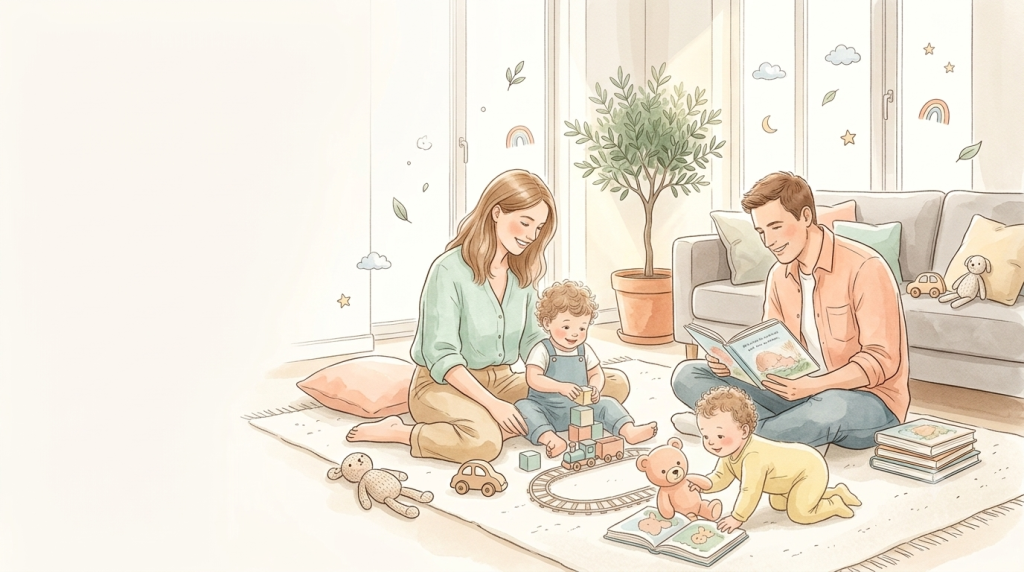
In today’s digital world, screens are everywhere. From tablets and televisions to smartphones and online games, technology has become part of everyday life for many families.

While screens can support learning and entertainment, many parents are looking for fun screen-free activities for kids that encourage creativity, movement, imagination, and family connection.

The good news is that keeping children entertained without screens does not require expensive toys or complicated planning. Some of the best screen-free activities for kids are simple ideas that use everyday materials and encourage children to explore, create, and learn.

In this guide, we share fun screen-free activities for kids at home that my children genuinely enjoy and that many families can easily try.

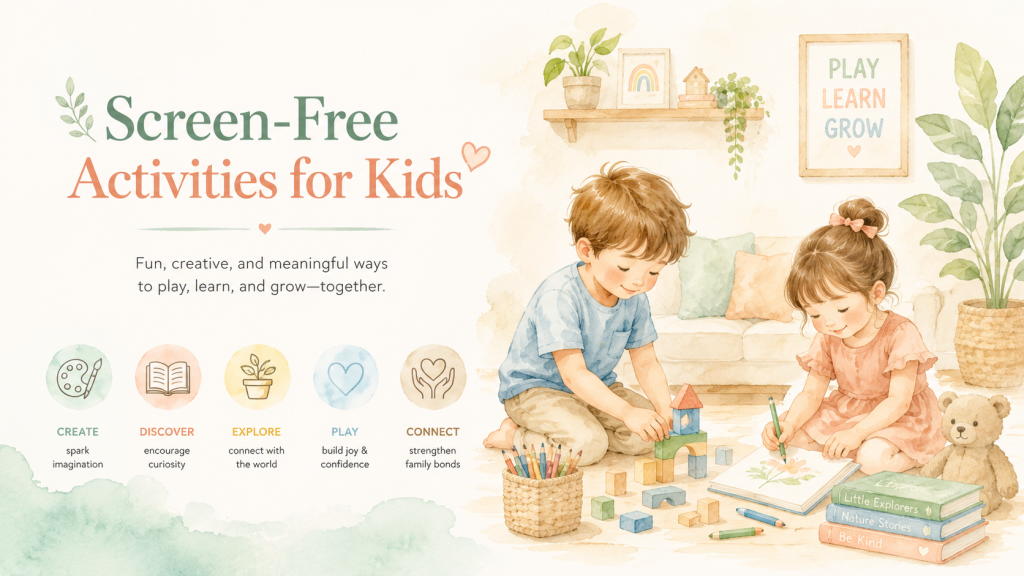
Screen-Free Activities for Kids

Why Fun Screen-Free Activities for Kids Are Important

Many parents worry about finding alternatives to tablets and television. However, fun screen-free activities for kids provide valuable opportunities for children to develop important skills while enjoying meaningful play.

Through activities without screens, children can practise:

  • Creativity
  • Problem-solving
  • Communication
  • Independence
  • Physical movement

The goal is not to remove technology completely, but to provide children with different ways to learn and explore.

Simple Screen-Free Activities for Kids at Home

Children naturally learn through play. These activities encourage curiosity while helping children develop important skills.

1. Arts and Crafts: Let Their Creativity Take Over

Arts and crafts are one of the easiest fun screen-free activities for kids because children can create, experiment, and express themselves freely.

From drawing and colouring to cutting, pasting, and creating simple projects, children get the chance to express their imagination while improving their fine motor skills.

The best part is that you do not need expensive supplies. Simple materials like paper, crayons, stickers, and recycled items can create hours of creative play.

Benefits:

  • Encourages creativity
  • Improves hand coordination
  • Builds confidence through self-expression

2. Reading Together: Building a Love for Stories

Reading together is one of the most meaningful screen-free activities for kids because it supports learning while creating a special bonding experience.

Beyond improving language skills, reading together creates a special bonding moment. Children enjoy listening to stories, asking questions, and exploring new ideas through books.

Even a short reading session before bedtime can become a meaningful daily routine.

Benefits:

  • Supports language development
  • Expands imagination
  • Strengthens parent-child connection

3. Sensory Play: Exploring Through Touch and Discovery

Sensory play is another example of fun screen-free activities for kids that encourages curiosity and hands-on learning.

Sensory play activities such as playing with water, sand, playdough, or textured materials allow children to discover different sensations while developing their thinking skills.

Simple activities like creating a sensory box or homemade playdough can provide plenty of entertainment.

Benefits:

  • Encourages exploration
  • Supports problem-solving skills
  • Develops sensory awareness

4. Building Blocks and Puzzles: Learning Through Play

Building toys and puzzles are great examples of play that feels like fun but supports development.

Children learn to experiment, solve problems, and think creatively as they build structures or complete puzzles.

These activities can also grow with your child as they become more challenging over time.

Benefits:

  • Develops logical thinking
  • Improves concentration
  • Encourages patience

5. Pretend Play: Creating Their Own Little World

Children have amazing imaginations. Pretend play is one of the best screen-free activities for kids because it allows children to create stories, explore emotions, and use their imagination.

Pretend play allows them to become chefs, doctors, teachers, superheroes, or anything they imagine. Simple household items can become tools for creative storytelling.

Joining your child in pretend play can also help you better understand their thoughts and emotions.

Benefits:

  • Encourages imagination
  • Develops communication skills
  • Supports emotional expression

6. Cooking or Baking Together

The kitchen can become a fun learning space for children.

Simple activities such as mixing ingredients, decorating cookies, or preparing snacks allow children to participate while learning practical skills.

Although it may take longer than doing it yourself, the learning experience makes it worthwhile.

Benefits:

  • Teaches independence
  • Introduces basic maths and science concepts

Creates family memories

7. Outdoor Exploration

Children need opportunities to move, explore, and experience the world outside.

Outdoor activities can be simple:

  • Going for a walk
  • Collecting leaves
  • Playing at the playground
  • Observing insects or nature

These experiences encourage curiosity and physical development.

Benefits:

  • Supports physical activity
  • Reduces energy buildup

Encourages discovery

8. Music and Dancing

Music is a fun way for children to express themselves.

Playing their favourite songs, singing together, or creating simple instruments from household items can turn an ordinary afternoon into a fun activity.

Benefits:

  • Encourages creativity
  • Supports rhythm and coordination

Builds confidence

9. Helping With Simple Household Tasks

Children often enjoy feeling involved and helpful.

Simple tasks such as:

  • Sorting laundry
  • Watering plants
  • Organizing toys
  • Helping prepare meals

10. Family Games and Quality Time

Board games, card games, and simple family challenges create opportunities for connection.

These moments are not just about keeping children busy — they are about creating memories together.

Benefits:

  • Strengthens family bonds
  • Teaches teamwork
  • Develops social skills

How to Encourage More Fun Screen-Free Activities for Kids

Introducing fun screen-free activities for kids does not need to be difficult. The key is creating simple routines where children have opportunities to play, explore, and use their imagination.

Create a Simple Activity Rotation

Instead of constantly searching for new ideas, prepare a few favourite activities and rotate them throughout the week.

Keep Activities Accessible

Children are more likely to play independently when materials are easy to find and age-appropriate.

Join Them Sometimes

While independent play is important, children also enjoy moments when parents participate and show interest.

Accept That Boredom Is Part of Learning

Children do not need constant entertainment.

Sometimes boredom encourages creativity as they learn to create their own games and activities.

Why Screen-Free Activities Matter for Child Development

Beyond reducing screen time, these activities support important areas of development:

  • Creativity and imagination
  • Communication skills
  • Problem-solving ability
  • Emotional development
  • Independence

The goal is not to eliminate screens completely, but to create a healthy balance where children have different ways to learn and explore.

Final Thoughts

Finding screen-free activities for kids does not mean creating a perfectly structured day without technology.

Sometimes the most meaningful moments come from simple things — reading a story together, creating something with their hands, exploring outdoors, or simply spending time as a family.

The goal is not to remove screens completely, but to give children more opportunities to discover, imagine, and connect with the world around them.

Written by SY
A mum sharing personal parenting experiences, discoveries, and everyday lessons.

Frequently Asked Questions

Some fun screen-free activities for kids include arts and crafts, reading, sensory play, puzzles, pretend play, outdoor exploration, cooking, and family games.

Parents can keep children entertained without screens by preparing simple activities, rotating toys, encouraging creativity, and joining children during playtime.

Easy screen-free activities for kids include sensory bins, colouring, building blocks, simple puzzles, music, dancing, and pretend play.

Screen-free activities help children develop creativity, communication skills, problem-solving abilities, and emotional skills while encouraging active learning.

Shop Our Picks

Shopee Affiliate Storefront

Posted on Leave a comment

5 Simple Self-Care Habits Every Mum Needs

Motherhood is one of the most rewarding journeys, but it can also be physically and emotionally demanding. Between feeding schedules, household responsibilities, work, and caring for little ones, many mums naturally put their own needs at the bottom of the list.

Over time, I realised that simple self-care habits every mum needs is not about being selfish or taking time away from family. It is about recognising that when we take care of ourselves, we are also better able to care for the people we love.

Self-care does not always need to involve big changes or hours of free time. Sometimes, the smallest habits can help mums feel more balanced, refreshed, and connected with who they are beyond being a parent. Here are five simple self-care habits that helped me feel more like myself again as a mum..

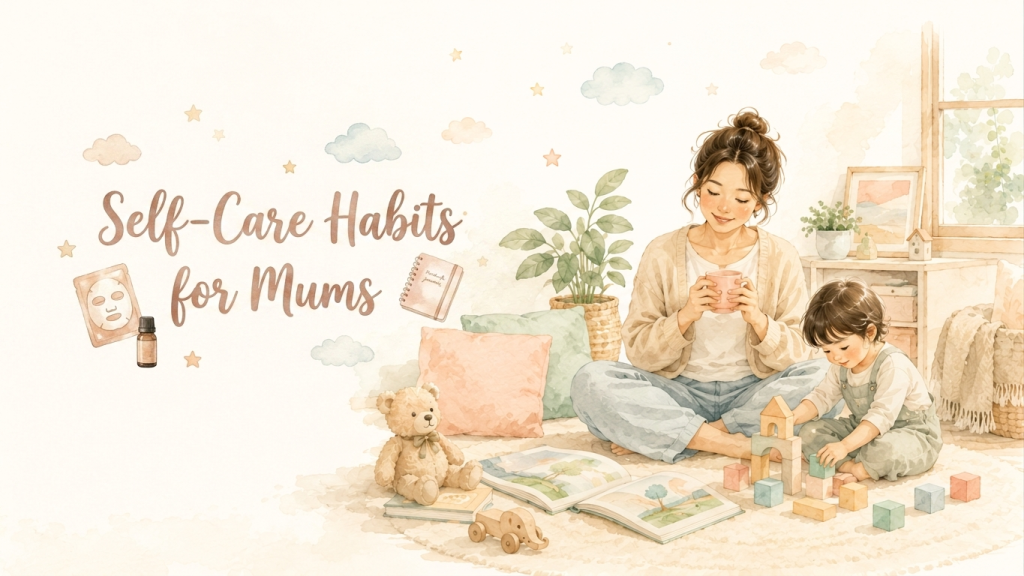
Self-Care Habits

Simple Self-Care Habits Every Mum Needs to Feel Like Herself Again

Self-care habits looks different for every mum. The goal is not perfection, but finding small moments that help you recharge.

1. Taking Small Breaks Without Feeling Guilty

One of the biggest lessons I learned was that rest is not something I need to earn.

As mums, it is easy to feel guilty when taking time for ourselves. We may think we should always be doing something productive – cleaning, preparing meals, or caring for others.

However, even short breaks can make a difference.

A few quiet minutes with a cup of coffee, a short walk, or simply sitting alone can help reset your mind.

Why it matters:

  • Reduces stress
  • Creates mental space
  • Helps you return with more energy

2. Prioritizing Rest Whenever Possible

Sleep can be challenging during early motherhood, especially when caring for young children.

While getting a full night’s rest may not always be realistic, prioritising rest in small ways can help.

This may include:

  • Going to bed earlier when possible
  • Resting when your child naps
  • Sharing responsibilities with your partner or family
  • Avoiding unnecessary pressure to do everything

Rest is not a luxury. It is an important part of caring for yourself.

Why it matters:

  • Improves mood
  • Supports emotional wellbeing
  • Helps with daily energy

3. Making Time for Things That Are Just for Me

Motherhood can sometimes make us lose touch with the things we enjoyed before becoming parents.

Taking time for personal interests helped me reconnect with myself.

It could be something simple:

  • Reading a book
  • Listening to music
  • Cooking something I enjoy
  • Watching a favourite show
  • Learning something new

These moments remind us that we are not only parents — we are individuals with our own interests and identities.

Why it matters:

  • Builds confidence
  • Improves happiness
  • Creates a sense of balance

4. Taking Care of My Body

After becoming a mum, physical health can easily become less of a priority.

Self-care does not mean following a strict routine. It can simply mean showing your body some care.

Small habits include:

  • Staying hydrated
  • Eating nourishing meals
  • Moving your body regularly
  • Taking time for personal grooming

These simple actions can help you feel more confident and energised.

Why it matters:

  • Improves physical wellbeing
  • Boosts confidence

Supports overall health

5. Staying Connected With Other People

Parenting can sometimes feel isolating, especially when daily routines become centred around your child.

Maintaining connections with others helped me feel supported and understood.

This could be:

  • Meeting friends
  • Talking to other mums
  • Spending time with family
  • Joining parenting communities

Sometimes, simply knowing that others understand your experience can make a big difference.

Why it matters:

  • Reduces feelings of isolation
  • Provides emotional support
  • Creates a sense of belonging

Why Self-Care Habits Every Mum Needs Matter

Many mums feel that putting themselves first means neglecting their family.

However, self-care habits is about creating a healthier balance.

When mums feel supported and recharged, they are often better able to:

  • Be more patient
  • Enjoy parenting moments
  • Manage daily challenges
  • Show up emotionally for their family

Taking care of yourself is part of taking care of your family.

How to Start a Simple Self-Care Habits as a Busy Mum

Starting small is often the easiest approach.

Begin With 5 Minutes

Self-care habits does not need to take hours. Start with small moments that are realistic.

Let Go of the Idea of Perfect Balance

Some days will be easier than others. The goal is not to do everything perfectly, but to find habits that support you.

Ask for Help When You Need It

Many mums feel they need to handle everything themselves, but accepting support is an important part of caring for yourself.

Final Thoughts

Motherhood changes many parts of our lives, but it does not mean we have to lose ourselves in the process.

The small moments we create for ourselves – a quiet cup of coffee, time spent on hobbies, or simply resting without guilt – can help us feel more balanced and confident.

Self-care habits for mums does not need to be complicated. It starts with recognising that you matter too.

Because a happy, supported mum is also an important part of a happy family.

Written by SY
A mum sharing personal parenting experiences, discoveries, and everyday lessons.

Frequently Asked Questions About Self-Care Habits for Mums

Self-care habits help mothers manage stress, maintain emotional wellbeing, and continue caring for their families with more energy.

Busy mums can start with small habits such as taking short breaks, prioritising rest, maintaining hobbies, and asking for support.

NO. Taking care of your own wellbeing allows you to be more present and emotionally available for your family.

By default, this panel is concealed and appears when the user clicks on the section title. Input relevant information about its title using paragraphs or bullet points. Accordions can enhance the user experience when utilized effectively. They allow users to choose what they want to read and disregard the rest. Accordions are often utilized for frequently asked questions (FAQs).

Shop Our Picks

Shopee Affiliate Storefront

Posted on Leave a comment

15 Parenting Tips for New Parents to Make Life Easier

Becoming a parent for the first time is an exciting journey, but it can also feel overwhelming. Between sleepless nights, endless questions, and adjusting to a completely new routine, many new parents wonder if they are doing enough.

The good news is that you do not need to be a perfect parent. The right parenting tips for new parents can help you feel more confident, reduce stress, and enjoy the early stages of raising your baby.

Every baby is different, but practical parenting tips for new parents can make daily challenges easier to manage. From understanding your baby’s needs to creating simple routines, small changes can have a big impact.

In this guide, we share the most useful parenting tips for new parents to help you build confidence, create stronger bonds with your baby, and enjoy your parenting journey.

Parenting Tips for New Parents

Why Parenting Tips for New Parents Matter

The first few months of parenthood come with many challenges. New parents often need guidance on feeding, sleeping, routines, baby development, and managing their own emotions.

Following practical parenting tips for new parents can help families feel less overwhelmed and more prepared.

The goal of good parenting advice is not perfection. The goal is creating a loving, safe, and supportive environment where both parents and babies can grow together.

Practical Parenting Tips for New Parents to Make Everyday Life Easier

The early stages of parenting are filled with learning moments. These simple tips can help you feel more prepared and confident.

1. Trust Your Parenting Instincts

One of the most valuable parenting tips for new parents is learning to trust yourself.

Many first-time parents worry about making mistakes, but confidence grows through experience. While advice from others can help, you know your baby better than anyone else.

Over time, you will learn your baby’s unique:

  • Crying patterns
  • Comfort preferences
  • Sleep habits
  • Feeding cues

Confidence grows through experience, not perfection.

Why it matters:

  • Builds trust in yourself
  • Reduces unnecessary worry
  • Strengthens your connection with your baby

2. Learn to Understand Your Baby’s Cues

Babies communicate before they can speak.

Learning to recognise your baby’s signals can make daily routines easier.

Common cues include:

  • Hunger signs
  • Sleepiness
  • Need for comfort
  • Overstimulation

The more you understand these signals, the easier it becomes to respond to your baby’s needs.

3. Create a Flexible Routine

Many new parents try to create a strict schedule immediately, but babies do not always follow predictable patterns.

Instead of focusing on exact timing, create flexible routines around:

  • Feeding
  • Sleeping
  • Bath time
  • Playtime

A routine provides structure while still allowing room for your baby’s changing needs.


4. Don’t Compare Your Baby’s Development With Others

One of the easiest traps for parents is comparing milestones.

You may notice another baby:

  • Sleeping longer
  • Crawling earlier
  • Talking sooner

But every child develops at their own pace.

Focus on your baby’s progress rather than comparing their journey with someone else’s.

5. Accept Help When You Need It

Many new parents feel they need to handle everything themselves.

However, accepting help does not mean you are not capable. It means you are creating support around your family.

Help can come from:

  • Your partner
  • Family members
  • Friends
  • Trusted caregivers

Sometimes a small amount of support can make a big difference.

6. Prioritise Rest Whenever Possible

One important piece of new parent advice is understanding that rest matters.

Among all the parenting tips for new parents, protecting your physical and emotional wellbeing is one of the most important.

While getting enough sleep may not always be possible, try to rest whenever you can.

Helpful habits:

  • Sleep when possible
  • Share responsibilities
  • Reduce unnecessary tasks
  • Ask for support

A rested parent is better able to handle daily challenges.

7. Keep Baby Essentials Simple

Many parenting tips for new parents focus on buying the best products, but experienced parents often discover that fewer, practical items are more useful.

The best baby products are those that solve real problems and support daily routines.

Focus on items that:

  • Solve real problems
  • Support daily routines
  • Get used regularly

More products do not always mean easier parenting.

8. Spend Time Bonding, Not Just Managing Tasks

Parenting involves many responsibilities, but remember to enjoy the moments too.

Simple bonding activities include:

  • Talking to your baby
  • Reading together
  • Cuddling
  • Playing

These everyday moments help build a strong emotional connection.

9. Take Care of Your Relationship

Having a baby changes family dynamics.

It is easy for conversations to become focused only on:

  • Feeding schedules
  • Household tasks
  • Baby routines

Remember to make time to reconnect with your partner, even through small gestures.

A strong partnership creates a supportive environment for the whole family.

10. Create a Safe Space for Your Baby to Explore

As babies grow, they become more curious about the world around them.

Creating a safe environment allows them to explore while giving parents peace of mind.

Simple steps include:

  • Organising safe play areas
  • Keeping dangerous items away

Supervising exploration

11. Take Photos and Record Memories

The newborn stage passes quickly.

Many parents later realise how much they miss the small moments.

Capture:

  • First smiles
  • Funny expressions
  • Daily routines
  • Special family moments

These memories become meaningful over time.

12. Be Patient With Yourself

Another important parenting tip for new parents is learning to be patient with yourself.

Parenting is a learning process. No parent knows everything immediately, and every family develops their own approach.

You may have days when:

  • Things do not go as planned
  • You feel exhausted
  • You question yourself

That is normal.

Parenting is a learning journey, and mistakes are part of becoming more confident.

13. Build Healthy Sleep Habits Gradually

Sleep is one of the biggest concerns for new parents.

While every baby is different, creating consistent habits can help.

Examples:

  • A calming bedtime routine
  • A comfortable sleep environment
  • Recognising sleep cues

Small improvements can make a difference over time.

14. Make Time for Yourself

It is easy to lose yourself when caring for a baby.

Remember to make space for things that recharge you:

  • Hobbies
  • Friends
  • Exercise
  • Quiet moments

Taking care of yourself supports your ability to care for your child.

15. Enjoy the Journey

The newborn stage can feel challenging, but it also passes quickly.

There will be difficult days, but there will also be countless moments you will treasure.

Try to slow down and appreciate:

  • The cuddles
  • The smiles
  • The little discoveries

These moments become memories before you realise it.

Common Mistakes New Parents Can Avoid

Every parent learns through experience, but being aware of common challenges can help.

Trying to Be Perfect

There is no perfect parenting method. Focus on being present and responsive.

Following Every Piece of Advice

Everyone will have an opinion about parenting.

Listen, learn, and choose what works best for your family.

Forgetting About Yourself

Your wellbeing matters too. A healthy parent creates a healthier family environment.

How to Make Parenting Feel Less Overwhelming

Small changes can make daily life easier:

  • Prepare things ahead when possible
  • Create simple routines
  • Focus on what matters most
  • Celebrate small wins
  • Ask for help

Parenting becomes easier when you stop trying to do everything alone.

Frequently Asked Questions About Parenting Tips for New Parents

The best parenting tips for new parents include trusting yourself, learning your baby’s cues, creating flexible routines, accepting help, and prioritising your own wellbeing.

New parents can make life easier by preparing ahead, keeping routines simple, choosing useful baby essentials, and following realistic new parent tips instead of trying to be perfect.

First-time parents should understand that every baby is different. Following practical parenting advice for new parents can help reduce stress and build confidence.

Parents become more confident through experience. Learning their baby’s personality, understanding their needs, and accepting that mistakes are part of parenting can help build confidence.

Life can become easier by simplifying routines, preparing ahead, accepting help, using practical baby essentials, and focusing on what truly matters.

Final Thoughts

The early days of parenting can feel overwhelming, but you do not need to have everything figured out immediately.

The best parenting tips for new parents are often the simplest ones: trust yourself, accept support, focus on connection, and enjoy the small moments.

Your baby does not need a perfect parent. They need a loving, present one who continues learning alongside them.

Shop Our Picks

Milestone Cards for Babies: https://s.shopee.com.my/9Uzsd5YOY4?share_channel_code=1

Written by SY
A mum sharing personal parenting experiences, discoveries, and everyday lessons.