Becoming parents is one of life’s biggest adventures. Overnight, your routines change, your priorities shift, and suddenly your days revolve around feeding, naps, diaper changes, and cuddles. While life may feel busier than ever, it’s also the perfect time to build a family lifestyle that creates lasting memories and strengthens your bond with your little one.
As a mum, I used to think family time meant weekend trips, café hopping, or holidays. But after having my baby, I realised that the most meaningful moments often happened at home. Watching my little one giggle during tummy time, going for a short evening walk together, or simply reading the same bedtime story every night became moments I looked forward to.
The first two years of your baby’s life are filled with incredible milestones. These everyday experiences help your baby feel safe, loved, and connected. They also create routines that bring comfort to the whole family.
If you’re looking for family lifestyle ideas that are simple, affordable, and suitable for babies and toddlers under two years old, here are some ideas that have worked for our family.
Why Family Lifestyle Ideas Matter for Everyday Family Life
Family life is often filled with busy mornings, school runs, work commitments and daily responsibilities. While it may feel difficult to find extra time, creating intentional moments together can help families feel more connected.
Simple family lifestyle ideas encourage parents to focus on meaningful interactions rather than spending more money or planning complicated activities.
Whether it is having dinner together, reading a bedtime story or taking a short walk after school, these small routines can become special memories that children remember as they grow.
For busy parents, it is often the simple moments that create the strongest family connections.
1. Share at Least One Meal Together Every Day
Life with a baby can be unpredictable, and meal times don’t always go according to plan. Even so, try to have at least one meal each day where everyone sits together.
If your baby has started solids, let them join you in their high chair while the rest of the family eats. Even if they only nibble on a few bites, they’re learning by watching you.
Meal times are a wonderful opportunity to chat, smile, and interact. Describe the food, encourage your baby to explore different textures, and enjoy the moment without worrying about making a mess.
Remember, it’s not about having a perfect meal—it’s about spending time together.
2. Go for Daily Walks Together
One of the easiest family lifestyle ideas is simply getting outside.
Whether it’s a stroll around your neighbourhood, a nearby park, or your local lake, fresh air can do wonders for both parents and babies.
Your baby gets to experience different sights, sounds, and smells, while you enjoy a change of scenery and a chance to clear your mind.
We loved taking evening walks after dinner. It became our little family tradition, and it often helped our baby relax before bedtime.
You don’t need to travel far. Even a 20-minute walk can become one of the best parts of your day.
3. Read Together Every Day
Many parents think reading should only begin once their child can understand words, but it’s never too early to start.
Your baby loves hearing your voice. Reading aloud helps them become familiar with language, rhythm, and different sounds.
Choose colourful board books with simple pictures or textured pages. Don’t worry if your baby wants to turn pages quickly or loses interest after a few minutes—that’s completely normal.
Reading together is less about finishing the story and more about building a comforting routine that both of you enjoy.
Before you know it, your little one may be bringing their favourite books to you throughout the day.
4. Create a Simple Bedtime Routine
Babies thrive on consistency.
Having the same bedtime routine each night helps signal that it’s time to wind down and sleep.
Your routine doesn’t need to be complicated. For many families, it might look like this:
- Warm bath
- Clean nappy and pyjamas
- Milk feed
- Story time
- Goodnight cuddles
Following the same sequence every evening can help your baby feel secure and relaxed.
It also creates special one-on-one time that parents can treasure, especially after a busy day.
5. Enjoy Floor Play Without Distractions
Some of the best toys for babies aren’t toys at all—they’re engaged parents.
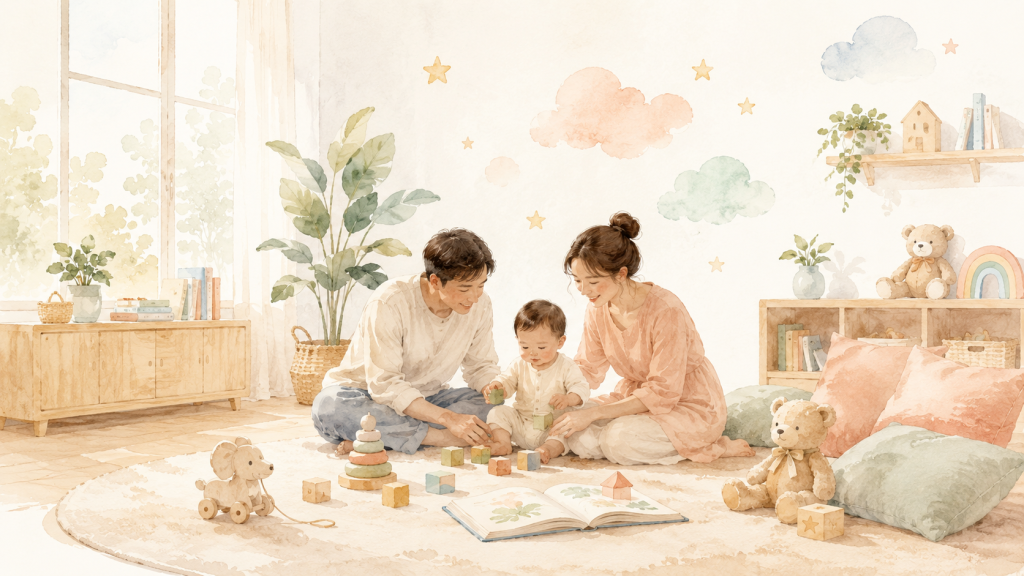
Set aside 15 to 20 minutes each day to sit on the floor with your baby without checking your phone or multitasking.
Follow your baby’s lead. Let them crawl, stack blocks, shake rattles, or explore soft books while you talk, encourage, and celebrate their discoveries.
Your baby doesn’t need constant entertainment. They simply enjoy having you close by.
These moments strengthen your bond while supporting motor skills, confidence, and curiosity.
6. Celebrate Every Little Milestone
During the first two years, your baby reaches so many exciting milestones.
The first smile.
The first laugh.
Rolling over.
Sitting up.
Crawling.
Standing.
Taking those precious first steps.
Instead of focusing only on the big achievements, celebrate every little success along the way.
Take photos, write short journal entries, or keep a simple baby milestone book. Looking back on these memories months or years later is incredibly special.
Every baby develops at their own pace, so avoid comparing your child’s progress with others. Celebrate their unique journey.
7. Let Your Baby Join Everyday Family Activities
Not every learning experience needs to be planned.
Babies are naturally curious and love watching the world around them.
Place your baby safely in a high chair while you prepare dinner, fold laundry, or water your plants. Talk to them about what you’re doing, describe colours, count objects, or sing songs as you go.
These everyday conversations help expose your baby to language while making them feel included in family life.
Your baby doesn’t need constant stimulation—they simply love being part of your day.
8. Sing, Dance and Enjoy Music Together
You don’t need to be a great singer to make music part of your family’s daily routine. Babies love hearing familiar voices, and singing is a wonderful way to bond while supporting early language development.
Whether it’s nursery rhymes during diaper changes, dancing around the living room after dinner, or playing gentle music during playtime, these little moments often bring the biggest smiles.
When my little one started clapping along to songs, it became one of my favourite parts of the day. We still have a playlist filled with songs that instantly bring back those precious baby memories.
Music doesn’t have to be complicated—it simply adds joy to everyday family life.
9. Visit Parks and Let Your Baby Explore Nature
Fresh air and nature are wonderful for both babies and parents.
Even before your baby can walk, they enjoy looking at trees swaying in the wind, listening to birds chirping, feeling the breeze, and watching other children play.
Once they become toddlers, parks become exciting places to practise walking, climbing, and exploring safely.
Try bringing a picnic mat and spend some quiet time together. Point out flowers, butterflies, leaves, or clouds. These simple conversations help build your baby’s vocabulary while encouraging curiosity about the world around them.
Nature offers endless learning opportunities without requiring expensive toys or activities.
10. Create Monthly Family Traditions
Traditions don’t have to wait until your children are older.
Starting simple traditions while your baby is young creates something your family can look forward to every month.
Some ideas include:
- Taking one family photo on the same day each month.
- Measuring your baby’s height and weight.
- Making handprint or footprint art.
- Having a special Sunday breakfast together.
- Visiting the same park every month.
- Reading a new bedtime book together.
Years later, these traditions become beautiful memories that tell the story of your family’s journey together.
11. Encourage Daddy and Baby Bonding Time
While babies naturally spend a lot of time with mum, creating opportunities for daddy to build his own relationship with the baby is just as important.
This doesn’t need to be anything elaborate. It could be bath time, reading a bedtime story, taking the baby for a morning stroll, or simply enjoying floor play together.
Every parent interacts differently, and that’s perfectly okay. Babies benefit from spending time with both parents and learning through different styles of play, communication, and affection.
Watching my husband develop his own little routines with our baby has been one of the most heartwarming parts of our parenting journey.
12. Capture Everyday Moments, Not Just Special Occasions
It’s easy to remember to take photos on birthdays or holidays, but some of the most meaningful memories happen during ordinary days.
Take photos of your baby enjoying breakfast, taking a nap on Dad’s chest, playing with their favourite toy, or making funny faces during bath time.
These everyday moments often become the ones you treasure the most.
You could even create a digital photo album or print a few favourite pictures every year. Looking back at how quickly your little one has grown is both heartwarming and emotional.
Remember, not every photo needs to be perfect. Sometimes the messy, candid moments tell the best stories.
13. Limit Screen Time and Be Present
Modern parenting comes with plenty of distractions. It’s easy to find yourself checking messages, scrolling social media, or replying to emails while spending time with your baby.
I’ve caught myself doing this more than once.
Now, I try to put my phone aside during playtime, meals, and bedtime routines. Even if it’s only for 20 or 30 minutes, giving my child my full attention makes those moments much more meaningful.
Babies don’t need constant entertainment—they simply need responsive, loving interactions with the people who care for them.
Being fully present is one of the greatest gifts we can give our children.
14. Don’t Compare Your Family Journey with Others
Parenting today comes with endless advice, milestone charts, and social media posts showing picture-perfect family moments.
It’s easy to wonder if you’re doing enough.
But every baby develops at their own pace, and every family has different routines, values, and challenges.
Instead of comparing your child to others, celebrate your own family’s progress.
Maybe your baby finally slept through the night.
Maybe they tried a new food.
Maybe everyone managed to enjoy dinner together without any tears.
Those little victories deserve to be celebrated too.
The goal isn’t to create a perfect family lifestyle—it’s to create one that works for your family.
15. Remember to Look After Yourself Too
One lesson I’ve learned is that taking care of your family starts with taking care of yourself.
As new parents, it’s easy to put everyone else’s needs first.
Try to make time for small moments of self-care, even if it’s just enjoying a hot cup of coffee while it’s still warm, taking a short walk, reading a few pages of a book, or asking your partner to watch the baby while you rest.
Looking after yourself isn’t selfish—it helps you become a more patient, happier parent.
A happy family lifestyle begins with parents who also feel supported.
My Thoughts as a Mum
Before becoming a mum, I imagined family life would be filled with exciting trips and carefully planned activities.
The reality looked quite different.
There were sleepless nights, endless diaper changes, mountains of laundry, and days when simply getting everyone dressed felt like an achievement.
Yet, when I look back, those ordinary moments have become some of my favourite memories.
Watching my baby smile during tummy time, reading the same bedtime story every night, taking evening walks together, or cuddling on the sofa after a long day are the moments that truly shaped our family.
I’ve learned that creating a happy family lifestyle isn’t about doing more—it’s about slowing down and appreciating the little things.
Your baby won’t remember whether the house was perfectly tidy or whether dinner was homemade every night.
They’ll remember feeling loved, safe, and surrounded by people who enjoyed spending time with them.
Final Thoughts
Building a meaningful family lifestyle doesn’t require expensive holidays, packed schedules, or the latest parenting gadgets.
The first two years of your baby’s life are filled with countless opportunities to connect through everyday routines. Reading together, sharing meals, exploring nature, singing songs, and simply being present all contribute to your baby’s development while creating treasured family memories.
Don’t worry about trying every idea at once. Start with one or two simple habits that suit your family’s routine and let them grow naturally over time.
The most important thing isn’t creating the “perfect” family lifestyle – it’s creating one filled with love, laughter, and meaningful moments together.
Written by SY
A mum sharing personal parenting experiences, discoveries, and everyday lessons.