Posted on Leave a comment

Is My Child Ready for Preschool? 10 Signs Parents Should Look For

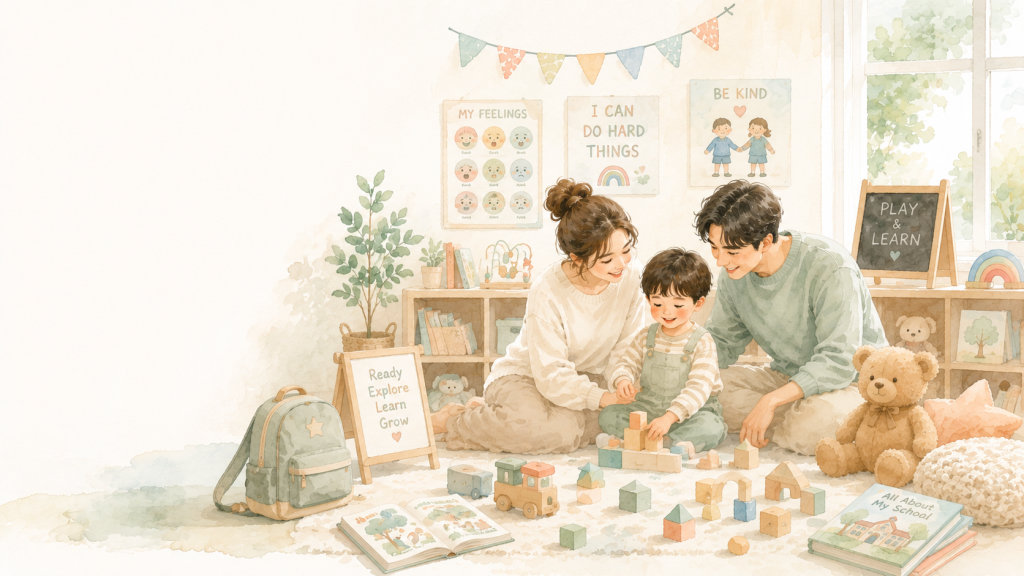
Ready for Preschool

As parents, we all want to make the best decisions for our children. One question that often comes to mind is:

“Is my child ready for preschool?”

Some children seem excited to explore new environments, while others are happiest staying close to Mum and Dad. The truth is that every child develops at their own pace, so there isn’t a perfect age or checklist that guarantees they’re ready for preschool.

When we were preparing for this big milestone, I realised it wasn’t just about learning letters or numbers. It was about whether my child was emotionally, socially, and physically ready for preschool and everything that comes with it.

If you’re asking yourself the same question, here are ten signs that may help you decide whether your child is ready for preschool.

1. Your Child Can Spend Short Periods Away From You

One of the first signs your child may be ready for preschool is feeling comfortable spending short periods away from you.

Separation anxiety is completely normal for toddlers and young children. However, if your child can stay with grandparents, relatives, or a trusted caregiver for a few hours without becoming overly distressed, they may find the preschool transition easier.

Remember that a few tears during the first days of preschool are perfectly normal.

2. They Enjoy Being Around Other Children

Children don’t need to be social butterflies to be ready for preschool.

Simply showing interest in playing alongside other children, watching them, or sharing toys occasionally are all positive signs.

Preschool is where many children develop confidence and social skills, so they don’t need to master these before they start.

3. They Can Follow Simple Instructions

Being able to follow simple instructions is another sign your child may be ready for preschool.

For example:

  • Please put your shoes away.
  • Let’s wash our hands.
  • Can you put the book back on the shelf?

These everyday routines help children settle into a classroom environment more easily.

4. They’re Becoming More Independent

Independence doesn’t happen overnight, but small milestones make a big difference.

Your child may already be able to:

  • Feed themselves
  • Drink from a cup
  • Wash their hands with some assistance
  • Put on simple clothing
  • Help tidy up toys

These everyday skills help children build confidence in a preschool environment.

5. They’re Naturally Curious

Curiosity is one of the best indicators that a child is ready for preschool.

You may hear questions like:

  • Why is the sky blue?
  • What’s that bug?
  • How does this work?

Preschool encourages children to explore, discover, and ask questions through play-based learning.

6. They Enjoy Learning Through Play

Being ready for preschool doesn’t mean knowing how to read or write.

Instead, children often show readiness by enjoying activities such as:

  • Reading books
  • Colouring
  • Building blocks
  • Singing songs
  • Completing puzzles

At this age, learning should always feel like play.

7. They Can Express Their Basic Needs

Your child doesn’t need perfect speech.

Being able to communicate simple needs such as:

  • I’m hungry.
  • I need the toilet.
  • I’m thirsty.
  • I’m tired.

helps teachers understand and support them throughout the day.

8. They Can Adapt to Small Changes

Every new environment comes with adjustments.

If your child gradually adapts to changes like visiting a new playground, meeting new people, or trying different routines, they’re building valuable resilience that will help them settle into preschool.

9. They’re Excited About Going to School

Parents often focus so much on whether their child is ready that they forget to ask themselves the same question.

Starting preschool is a significant milestone for the whole family.

Feeling nervous, emotional, or even guilty is completely normal. Those feelings don’t mean you’re making the wrong decision – they simply show how much you care.

Every Child Is Ready at Their Own Pace

One of the biggest lessons I’ve learned is that every child develops differently.

Some children are ready earlier, while others simply need more time.

There is no prize for starting preschool first, and there’s absolutely no shame in waiting until your child feels ready.

The most important thing is choosing a preschool where both you and your child feel comfortable and supported.

The first few weeks are usually an adjustment for everyone, but children are often far more adaptable than we expect.

Starting preschool opens the door to new friendships, exciting discoveries, and growing independence. While it’s natural to wonder if your child is ready, sometimes the biggest growth happens after they take that very first step.

Trust your instincts – you know your child better than anyone else.

Written by SY
A mum sharing personal parenting experiences, discoveries, and everyday lessons.

Frequently Asked Questions About Preschool Readiness

Most children begin preschool between 2½ and 4 years old, but the best age depends on each child’s emotional, social, and developmental readiness rather than age alone.

Children who can separate from parents for short periods, follow simple routines, communicate basic needs, and show curiosity about learning are often emotionally ready for preschool.

Yes. Many children cry during the first few days or weeks as they adjust to a new environment. Consistent routines and reassurance usually help the transition become easier.

Every preschool has different requirements. Some require children to be fully toilet trained, while others provide support during toilet training. Always check with your chosen preschool.

Not necessarily. Shyness is different from readiness. Many shy children thrive in preschool once they become familiar with their teachers, classmates, and daily routines.

Shop Our Picks

Shopee Affiliate Storefront

Posted on Leave a comment

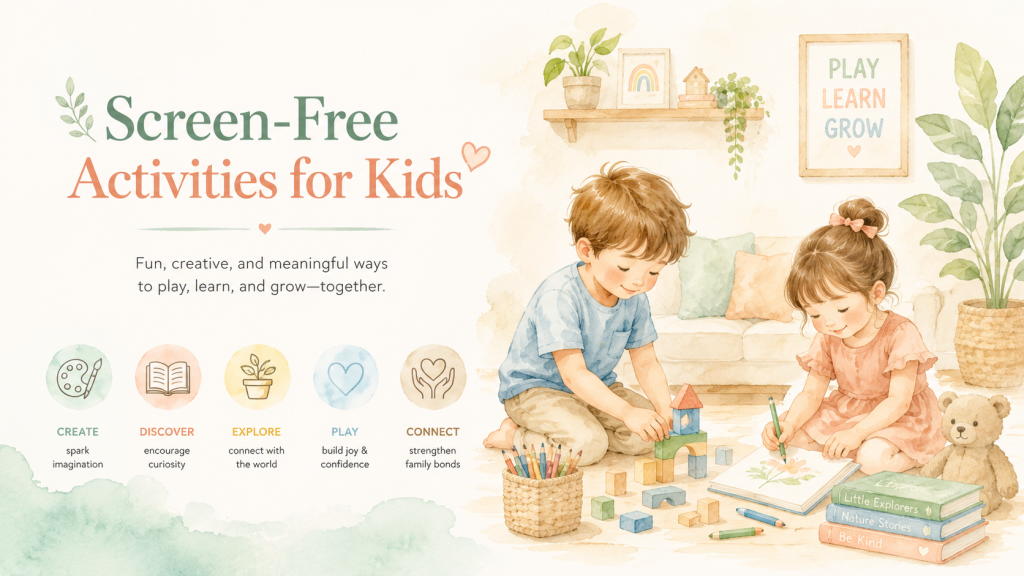
15 Fun Screen-Free Activities for Kids at Home

In today’s digital world, screens are everywhere. From tablets and televisions to smartphones and online games, technology has become part of everyday life for many families.

While screens can support learning and entertainment, many parents are looking for fun screen-free activities for kids that encourage creativity, movement, imagination, and family connection.

The good news is that keeping children entertained without screens does not require expensive toys or complicated planning. Some of the best screen-free activities for kids are simple ideas that use everyday materials and encourage children to explore, create, and learn.

In this guide, we share fun screen-free activities for kids at home that my children genuinely enjoy and that many families can easily try.

Screen-Free Activities for Kids

Why Fun Screen-Free Activities for Kids Are Important

Many parents worry about finding alternatives to tablets and television. However, fun screen-free activities for kids provide valuable opportunities for children to develop important skills while enjoying meaningful play.

Through activities without screens, children can practise:

  • Creativity
  • Problem-solving
  • Communication
  • Independence
  • Physical movement

The goal is not to remove technology completely, but to provide children with different ways to learn and explore.

Simple Screen-Free Activities for Kids at Home

Children naturally learn through play. These activities encourage curiosity while helping children develop important skills.

1. Arts and Crafts: Let Their Creativity Take Over

Arts and crafts are one of the easiest fun screen-free activities for kids because children can create, experiment, and express themselves freely.

From drawing and colouring to cutting, pasting, and creating simple projects, children get the chance to express their imagination while improving their fine motor skills.

The best part is that you do not need expensive supplies. Simple materials like paper, crayons, stickers, and recycled items can create hours of creative play.

Benefits:

  • Encourages creativity
  • Improves hand coordination
  • Builds confidence through self-expression

2. Reading Together: Building a Love for Stories

Reading together is one of the most meaningful screen-free activities for kids because it supports learning while creating a special bonding experience.

Beyond improving language skills, reading together creates a special bonding moment. Children enjoy listening to stories, asking questions, and exploring new ideas through books.

Even a short reading session before bedtime can become a meaningful daily routine.

Benefits:

  • Supports language development
  • Expands imagination
  • Strengthens parent-child connection

3. Sensory Play: Exploring Through Touch and Discovery

Sensory play is another example of fun screen-free activities for kids that encourages curiosity and hands-on learning.

Sensory play activities such as playing with water, sand, playdough, or textured materials allow children to discover different sensations while developing their thinking skills.

Simple activities like creating a sensory box or homemade playdough can provide plenty of entertainment.

Benefits:

  • Encourages exploration
  • Supports problem-solving skills
  • Develops sensory awareness

4. Building Blocks and Puzzles: Learning Through Play

Building toys and puzzles are great examples of play that feels like fun but supports development.

Children learn to experiment, solve problems, and think creatively as they build structures or complete puzzles.

These activities can also grow with your child as they become more challenging over time.

Benefits:

  • Develops logical thinking
  • Improves concentration
  • Encourages patience

5. Pretend Play: Creating Their Own Little World

Children have amazing imaginations. Pretend play is one of the best screen-free activities for kids because it allows children to create stories, explore emotions, and use their imagination.

Pretend play allows them to become chefs, doctors, teachers, superheroes, or anything they imagine. Simple household items can become tools for creative storytelling.

Joining your child in pretend play can also help you better understand their thoughts and emotions.

Benefits:

  • Encourages imagination
  • Develops communication skills
  • Supports emotional expression

6. Cooking or Baking Together

The kitchen can become a fun learning space for children.

Simple activities such as mixing ingredients, decorating cookies, or preparing snacks allow children to participate while learning practical skills.

Although it may take longer than doing it yourself, the learning experience makes it worthwhile.

Benefits:

  • Teaches independence
  • Introduces basic maths and science concepts

Creates family memories

7. Outdoor Exploration

Children need opportunities to move, explore, and experience the world outside.

Outdoor activities can be simple:

  • Going for a walk
  • Collecting leaves
  • Playing at the playground
  • Observing insects or nature

These experiences encourage curiosity and physical development.

Benefits:

  • Supports physical activity
  • Reduces energy buildup

Encourages discovery

8. Music and Dancing

Music is a fun way for children to express themselves.

Playing their favourite songs, singing together, or creating simple instruments from household items can turn an ordinary afternoon into a fun activity.

Benefits:

  • Encourages creativity
  • Supports rhythm and coordination

Builds confidence

9. Helping With Simple Household Tasks

Children often enjoy feeling involved and helpful.

Simple tasks such as:

  • Sorting laundry
  • Watering plants
  • Organizing toys
  • Helping prepare meals

10. Family Games and Quality Time

Board games, card games, and simple family challenges create opportunities for connection.

These moments are not just about keeping children busy — they are about creating memories together.

Benefits:

  • Strengthens family bonds
  • Teaches teamwork
  • Develops social skills

How to Encourage More Fun Screen-Free Activities for Kids

Introducing fun screen-free activities for kids does not need to be difficult. The key is creating simple routines where children have opportunities to play, explore, and use their imagination.

Create a Simple Activity Rotation

Instead of constantly searching for new ideas, prepare a few favourite activities and rotate them throughout the week.

Keep Activities Accessible

Children are more likely to play independently when materials are easy to find and age-appropriate.

Join Them Sometimes

While independent play is important, children also enjoy moments when parents participate and show interest.

Accept That Boredom Is Part of Learning

Children do not need constant entertainment.

Sometimes boredom encourages creativity as they learn to create their own games and activities.

Why Screen-Free Activities Matter for Child Development

Beyond reducing screen time, these activities support important areas of development:

  • Creativity and imagination
  • Communication skills
  • Problem-solving ability
  • Emotional development
  • Independence

The goal is not to eliminate screens completely, but to create a healthy balance where children have different ways to learn and explore.

Final Thoughts

Finding screen-free activities for kids does not mean creating a perfectly structured day without technology.

Sometimes the most meaningful moments come from simple things — reading a story together, creating something with their hands, exploring outdoors, or simply spending time as a family.

The goal is not to remove screens completely, but to give children more opportunities to discover, imagine, and connect with the world around them.

Written by SY
A mum sharing personal parenting experiences, discoveries, and everyday lessons.

Frequently Asked Questions

Some fun screen-free activities for kids include arts and crafts, reading, sensory play, puzzles, pretend play, outdoor exploration, cooking, and family games.

Parents can keep children entertained without screens by preparing simple activities, rotating toys, encouraging creativity, and joining children during playtime.

Easy screen-free activities for kids include sensory bins, colouring, building blocks, simple puzzles, music, dancing, and pretend play.

Screen-free activities help children develop creativity, communication skills, problem-solving abilities, and emotional skills while encouraging active learning.

Shop Our Picks

Shopee Affiliate Storefront