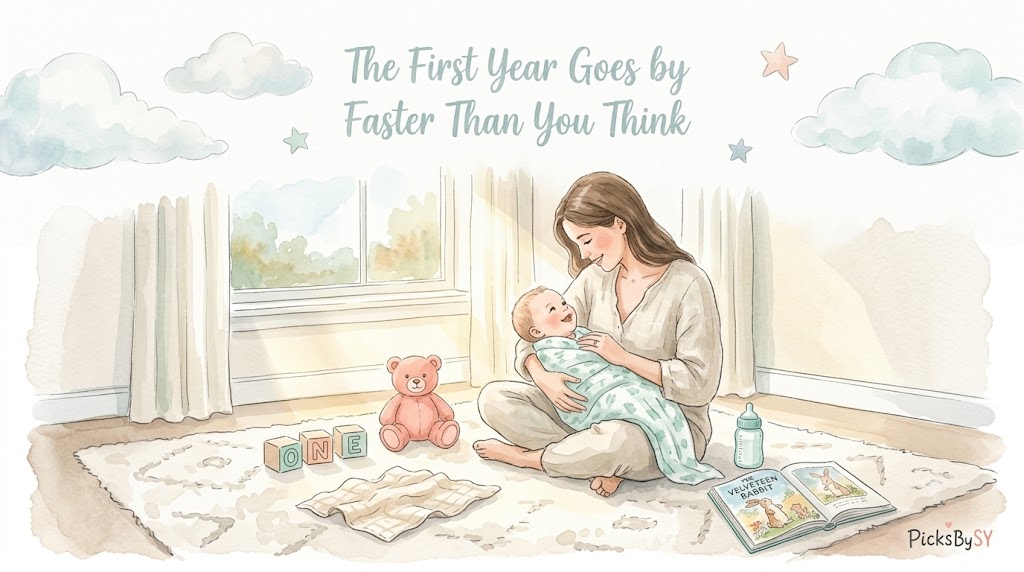
If you’re searching for the things I wish I knew before becoming a mum, you’re probably feeling a mix of excitement, curiosity, and maybe even a little nervous. I completely understand because I was there too.
Before I became a mum, I thought I had everything figured out. I read parenting books, watched endless baby videos, bought all the baby essentials, and believed I was ready for this new chapter.
Then my baby arrived.
That’s when I realised the things I wish I knew before becoming a mum weren’t found in shopping checklists or pregnancy apps. They were hidden in the sleepless nights, the tiny milestones, the unexpected challenges, and the little moments that completely changed my heart.
Looking back, there are so many lessons I wish someone had shared with me – not to scare me, but to remind me that motherhood doesn’t have to be perfect. It’s messy, emotional, exhausting, funny, and without a doubt, one of the most rewarding journeys you’ll ever experience.
So, if you’re expecting your first baby or you’ve just started your motherhood journey, here are 15 things I wish I knew before becoming a mum. I hope they make you smile, feel seen, and remind you that you’re never alone on this journey.
1. You’ll Never Feel 100% Ready
You can buy every baby essential, attend every antenatal class, and read every parenting article.
You’ll still wonder:
“Am I ready for this?”
The truth is, almost every mum feels that way.
You grow into motherhood one day at a time.
2. Sleep Will Become Your Greatest Luxury
Before becoming a mum:
“I’ll sleep in this weekend.”
After becoming a mum:
“I slept for four uninterrupted hours!”
…and somehow that’s worth celebrating. 😂
No one tells you how valuable uninterrupted sleep becomes.
3. Google (and ChatGPT) Can’t Answer Everything
Searching for answers is normal when you’re a new mum. In the early days of motherhood, many mums look for newborn care tips, parenting advice, and reassurance online. But one of the most important things I wish I knew before becoming a mum was learning to balance information with my own instincts.
There will be days when you search:
Why is my baby crying?
Why won’t my baby nap?
Is this normal?
Sometimes you’ll find answers.
Sometimes you’ll only find more questions.
Eventually, you’ll realise your instincts matter too.
4. Every Baby Is Different
One baby sleeps through the night.
Another wakes every two hours.
One loves vegetables.
Another survives on plain rice.
Comparing babies only steals your joy.
Every child grows at their own pace.
5. Mum Guilt Arrives Earlier Than You Think
You’ll feel guilty for:
Going back to work.
Staying home.
Buying formula.
Breastfeeding.
Taking a break.
Not taking enough breaks.
Somehow, mums always find something to feel guilty about.
But you’re doing better than you think.
6. Your House Won’t Always Be Instagram Ready
There will be toys on the floor.
Laundry waiting to be folded.
Half-finished cups of coffee.
And that’s okay.
A lived-in home often means a loved child.
7. Small Wins Become Big Celebrations
Your baby rolled over?
Celebrate.
Finished a hot cup of coffee?
Celebrate.
Managed a shower before noon?
Definitely celebrate.
Motherhood teaches you to appreciate life’s little victories.
8. Your Relationship Will Change
Having a baby changes routines, priorities, and conversations.
Date nights become rare.
Quiet moments become precious.
Love grows—but so does teamwork.
9. You’ll Take Thousands of Photos
Your phone storage won’t survive.
Neither will your camera roll.
You’ll take 50 photos…
…just to keep one where everyone is looking at the camera.
10. You Will Learn to Trust Yourself
At first, you’ll ask everyone for advice.
Your mum.
Friends.
Google.
ChatGPT.
Parenting groups.
Eventually…
You’ll realise nobody knows your child better than you. This is one of the biggest things I wish I knew before becoming a mum — learning to trust my own parenting instincts.
11. It’s Okay to Ask for Help
One of the most important things every new mum should know is that motherhood isn’t meant to be done alone.
Accept help.
Take a break.
Let someone else hold the baby.
Looking after yourself isn’t selfish.
It’s necessary.
12. You’ll Miss Every Stage
When you’re exhausted with a newborn, you’ll wish for more sleep.
When your toddler starts talking, you’ll miss the tiny baby cuddles.
Motherhood has a funny way of making you miss every season once it’s gone.
13. Your Child Won’t Remember a Perfect Home
They’ll remember:
Reading together.
Laughing together.
Family adventures.
Bedtime stories.
Hugs.
Those moments matter far more than spotless floors.
14. You Don’t Have to Be the Perfect Mum
Social media often shows the highlight reel of parenting, but real motherhood looks different. One of the biggest first time mum lessons is understanding that being a good mum does not mean being a perfect mum.
Social media can make motherhood look effortless.
Real life isn’t.
Some days you’ll feel amazing.
Other days you’ll wonder what you’re doing.
Both are completely normal.
15. Love Really Does Change Everything
After becoming a mum, I finally understood why so many parents say that motherhood changes everything. The love, challenges, and memories become part of a journey that is completely unique
Everyone says you’ll never understand love until you become a parent.
It sounds cliché.
Until one day…
You look at your sleeping baby.
And suddenly…
You understand exactly what they meant.
Final Thoughts
Looking back at all the things I wish I knew before becoming a mum, I realise the biggest lessons were never about having the perfect routine, buying the best baby products, or knowing every parenting technique.
The real lessons came from slowing down, trusting myself, embracing imperfect moments, and enjoying every stage of my motherhood journey.
If you are preparing for motherhood or starting life as a first time mum, remember this: you don’t have to know everything today. You simply need to love, learn, and grow alongside your child.
Written by SY A mum sharing personal parenting experiences, discoveries, and everyday lessons.
Frequently Asked Questions About Things I Wish I Knew Before Becoming a Mum
Every first-time mum should know that it’s normal not to have all the answers. Motherhood is a learning journey, and every baby is different.
Yes. Most mums feel nervous or unprepared before giving birth. Confidence often grows with experience rather than preparation.
Many mums say the biggest surprise is how much their priorities, routines, and emotions change after having a baby.
Trust your instincts, seek support when needed, avoid comparing yourself to others, and remember that every family has its own parenting journey.
Many experienced mums encourage new mums to enjoy the little moments, ask for help, take care of themselves, and remember that perfection isn’t the goal.
Mum Then vs Mum Now: How Parenting Has Changed Over Generations
Before becoming a mum, I always wondered how my own mother managed to raise me without Google, parenting apps, baby trackers, or endless online advice.
She didn’t have a baby sleep schedule saved on her phone. She didn’t compare 20 different baby bottles before buying one. She didn’t search “why is my baby crying at 3am?” while holding a crying baby in one hand.
Welcome to the world of mum then vs mum now – different generations, different parenting styles, but the same goal: doing our best for our little ones. ❤️
Mum Then vs Mum Now: Parenting Has Entered A New Era
Parenting has always been challenging, but the way mums receive information has completely changed.
Our mums and grandmothers relied on:
Personal experience
Family advice
Community support
Traditional knowledge
Today’s mums have access to:
Parenting websites
Online communities
Baby tracking apps
Social media
Parenting podcasts
AI tools like ChatGPT
With so much information available, modern motherhood can feel exciting… but sometimes a little overwhelming too.
10 Funny Differences Between Mum Then vs Mum Now 😂
Mum Then vs Mum Now#1 When Baby Cries
Mum Then:
“Baby crying? Check if hungry, change diaper, give cuddles.”
Simple. Calm. Confident.
Mum Now:
“Baby crying? Wait… is it hunger? Gas? Teething? Growth spurt? Sleep regression? Development leap?”
Open ChatGPT.
“Please analyse why my baby cried for exactly 7 minutes after waking up.” 😂
Mum Then vs Mum Now#2 Baby Sleep: Instinct vs Sleep Research
Mum Then:
“Baby will sleep when tired.”
Mum Now:
“Baby has been awake for 1 hour 15 minutes… is this the correct wake window?”
Modern mums have turned baby sleep into a full research project.
We learn about:
Sleep routines
Bedtime habits
Nap schedules
Sleep environments
Sometimes we spend more time researching sleep than actually sleeping ourselves. 😅
Mum Then vs Mum Now#3 Baby Feeding: Simple Meals vs Nutrition Research
Mum Then:
“Baby eats what we prepare.”
Mum Now:
Before introducing food:
✔ Check recommended age ✔ Research allergens ✔ Compare baby food products ✔ Search for baby meal ideas ✔ Save 50 recipes we may never cook 😂
Today’s mums are more aware of baby nutrition, feeding methods, and creating healthy eating habits from an early age.
Mum Then vs Mum Now#4 Buying Baby Products
Mum Then:
“Need a baby bottle? Buy a baby bottle.”
Mum Now:
“Which bottle reduces colic? Which material is safer? Which one has better reviews?”
Buying baby products today feels like preparing for a product launch.
Before purchasing one item, mums might check:
Online reviews
Parenting groups
Social media recommendations
Product comparisons
Because apparently choosing a baby bottle is now a major life decision. 😂
Mum Then vs Mum Now#5 Asking For Parenting Advice
Mum Then:
“Ask your mum.”
Mum Now:
“Ask everyone.”
Modern mums have access to:
Facebook parenting groups
WhatsApp mummy communities
Parenting blogs
YouTube videos
Instagram tips
ChatGPT
The funny thing?
After researching everything online…
We still call our mums and ask:
“Okay, but what did you do when I was a baby?” ❤️
Mum Then vs Mum Now #6 Tracking Baby Milestones
Mum Then:
“My child will learn when they are ready.”
Mum Now:
“Let me check if my baby is reaching the milestone.”
Modern mums pay closer attention to:
First smiles
First words
Crawling
Walking
Language development
Fine motor skills
While tracking development can be helpful, every child grows differently.
Sometimes we need to put the checklist away and simply enjoy watching our children grow.
Mum Then vs Mum Now#7 Leaving The House With Baby
Mum Then:
“Bring diapers and go.”
Mum Now:
Packing a baby bag feels like preparing for a holiday.
Because babies have a special talent for creating unexpected situations exactly when we leave home. 😂
Mum Then vs Mum Now#8 Taking Baby Photos
Mum Then:
“Take a photo when there is a special occasion.”
Mum Now:
“Let me take another 300 photos because my baby smiled differently this time.”
Thanks to smartphones, modern mums capture every little moment:
First smile
First laugh
First steps
Funny expressions
Random sleeping positions
Our camera storage may suffer, but our memories are full. ❤️
Mum Then vs Mum Now #9 Screen Time And Technology
Mum Then:
“TV keeps children entertained.”
Mum Now:
“Let me check the recommended screen time first.”
Technology has become part of modern parenting.
Today’s mums think more about:
Educational content
Screen limits
Digital habits
Online safety
Technology can be helpful, but balance is always important.
Mum Then vs Mum Now#10 The Pressure To Be A Perfect Mum
Mum Then:
“Do your best.”
Mum Now:
“Am I doing enough?”
With endless parenting information online, modern mums sometimes feel pressure to do everything perfectly.
The perfect baby routine. The perfect meals. The perfect activities.
But the truth?
Children don’t need a perfect mum.
They need a loving mum who shows up every day.
What Can Modern Mums Learn From Our Mothers?
While parenting today has many advantages, there are things we can learn from previous generations.
Our mums taught us:
❤️ Trust your instincts ❤️ Enjoy the simple moments ❤️ Don’t overthink everything ❤️ Family support matters ❤️ Children don’t need perfection
Sometimes, the best parenting advice is not found online.
Sometimes, it is already passed down through generations.
What Have Modern Mums Added To Parenting?
Modern mums have also brought many positive changes.
Today’s parents have:
More awareness about child development
Better access to parenting information
More conversations around mental wellbeing
More support communities
More openness about parenting challenges
Modern parenting is not about replacing traditional parenting.
It is about combining experience with new knowledge.
Final Thoughts: Different Generation, Same Mum Love ❤️
When I think about my mum raising me without all the resources I have today, I honestly wonder:
“How did she do it?”
No apps. No Google searches. No ChatGPT.
Just patience, experience, and a mother’s instinct.
Today, I may have ChatGPT, parenting blogs, and thousands of saved posts…
But at the heart of it, we are all the same.
A mum trying her best.
Because whether it is mum then vs mum now, one thing never changes:
Every mum wants the same thing – to raise happy, healthy, loved children. ❤️
Written by SY A mum sharing personal parenting experiences, discoveries, and everyday lessons.
Frequently Asked Questions About Mum Then vs Mum Now
The biggest difference between mum then vs mum now is access to information. Previous generations relied more on experience and family advice, while modern mums use technology, online resources, and parenting communities.
Modern parenting is not necessarily better. It is different. Each generation parents based on the knowledge, resources, and challenges available at that time.
Technology has changed parenting by making information, support communities, baby products, and learning resources more accessible for parents.
Parenting information can be helpful, but too much information can sometimes create pressure. The best approach is finding a balance between learning and trusting your own parenting instincts.
New mums can learn patience, simplicity, confidence, and the importance of trusting themselves from older generations of mothers.
Hearing your baby say their first word is one of the most exciting milestones in early parenthood. Whether it is a sweet “mama”, “dada”, or a little sound that only you understand, these early attempts at communication are special moments that parents often remember forever.
Baby’s language development begins long before your little one says their first word. From the moment they are born, babies are learning through listening, watching facial expressions, responding to voices, and observing how people communicate around them.
As parents, we can support this journey through simple everyday interactions such as talking, singing, reading, and responding to our baby’s sounds.
What Is Baby’s Language Development?
Baby’s language development refers to how babies learn to understand and communicate through sounds, gestures, facial expressions, and eventually words.
Language development happens gradually. Before babies start speaking, they spend months building important communication skills by listening and practising sounds.
The journey usually includes:
Crying to express needs
Making cooing sounds
Babbling and experimenting with sounds
Responding to voices and names
Using gestures such as pointing or waving
Saying their first meaningful words
Every baby develops at their own pace, so it is important to focus on progress rather than comparing your baby with others.
Baby’s Language Development Milestones by Age
0–3 Months: Listening and Responding
During the first few months, babies are learning the sounds and voices around them.
You may notice your baby:
Recognises familiar voices
Smiles when spoken to
Makes soft cooing sounds
Turns towards sounds
At this stage, your voice is one of the most important learning tools for your baby.
4–6 Months: Exploring Sounds
Babies become more interested in experimenting with their voices.
Common signs include:
Making different sounds
Laughing and squealing
Responding to conversations
Copying simple sounds
Encourage your baby by responding when they make sounds, as this teaches them that communication is a two-way interaction.
7–12 Months: Understanding and First Words
Around this stage, many babies begin to understand simple words and may start using gestures.
Your baby may:
Respond when their name is called
Understand simple instructions
Point at objects
Say repeated sounds like “ba-ba” or “ma-ma”
Some babies may say their first meaningful words around their first birthday, while others take longer.
How to Encourage Baby’s First Words
1. Talk to Your Baby Throughout the Day
One of the easiest ways to support baby language development is simply talking more with your baby.
Describe what you are doing:
“Let’s put on your socks.” “Here is your favourite toy.” “Look at the bird outside.”
These everyday conversations help babies connect words with objects and actions.
2. Respond to Your Baby’s Sounds
When your baby makes noises, respond as if you are having a conversation.
If your baby says “ba-ba”, you can reply:
“Yes, I hear you!” “Are you talking to mummy?”
This encourages babies to continue practising communication.
3. Read Books Together
Reading from an early age supports vocabulary and listening skills.
Choose:
Picture books
Books with simple words
Books with bright images
Interactive touch-and-feel books
Even if your baby cannot understand the story yet, they are learning from your voice, expressions, and the rhythm of language.
4. Sing Songs and Nursery Rhymes
Songs are a fun way to support baby language development because repetition helps babies recognise sounds and patterns.
Try:
Nursery rhymes
Simple action songs
Singing your baby’s name
The combination of music, movement, and repetition makes learning enjoyable.
5. Use Simple Words and Repeat Often
Babies learn best when they hear words repeatedly.
Instead of: “Would you like to have your lunch now?”
Try: “Lunch time!” “Let’s eat!”
Simple words help babies understand meaning more easily.
6. Encourage Imitation Games
Babies learn by copying.
Try simple games like:
Making facial expressions
Clapping hands
Waving goodbye
Copying sounds
These activities support communication and social development.
7. Limit Background Noise During Conversations
When talking with your baby, try to reduce distractions such as television or loud background sounds.
A calmer environment helps babies focus on your voice and facial expressions.
Fun Activities to Support Baby’s Language Development
1. Name Everyday Objects
Point to objects and say their names:
“This is a cup.” “This is a ball.” “This is your teddy bear.”
Over time, babies begin connecting words with objects.
2. Describe Your Baby’s Actions
Narrate what your baby is doing:
“You are crawling.” “You picked up the toy.” “You are shaking the rattle.”
This builds vocabulary naturally during play.
3. Play Face-to-Face
Babies learn a lot from watching faces.
Smile, talk, and make expressions during playtime to encourage interaction.
4. Use Gesture and Words Together
Combine actions with words:
Wave while saying “bye-bye”. Point while saying “look”. Clap while singing.
Gestures help babies understand communication before they can speak.
When Should Parents Be Concerned About Speech Development?
Every baby develops differently, but parents may want to seek advice if their baby:
Does not respond to sounds or voices
Rarely makes sounds by around 6 months
Does not use gestures such as pointing or waving
Does not attempt to communicate
Loses previously learned communication skills
If you have concerns about your child’s development, speaking with a healthcare professional can provide guidance and reassurance.
Final Thoughts
Supporting baby’s language development does not require special lessons or complicated activities. The simple moments you share every day – talking during meals, singing during playtime, and reading before bedtime – all help your baby build communication skills.
Every baby has their own timeline, so enjoy the small milestones along the way. Those first sounds, smiles, and words are precious reminders of how quickly your little one is growing.
Written by SY A mum sharing personal parenting experiences, discoveries, and everyday lessons.
Frequently Asked Questions About Baby’s Language Development
Most babies say their first meaningful words around 12 months old, but every baby develops at their own pace. Before speaking, babies go through important stages of baby’s language development, including cooing, babbling, making sounds, and using gestures to communicate.
You can encourage your baby to talk by having regular conversations, responding to their sounds, reading books together, singing songs, and repeating simple words. These everyday interactions help strengthen baby’s language development and build your baby’s confidence in communicating.
Signs of healthy baby’s language development include your baby responding to voices, making different sounds, babbling, copying sounds, using gestures, recognising familiar words, and showing interest in communication. Remember that every baby reaches milestones differently, so focus on your baby’s progress rather than comparing them with others.
Yes, reading to your baby from an early age can support language skills, listening ability, and vocabulary growth. Even if your baby does not understand the story yet, they are learning through your voice, expressions, and the sounds of words.
Parents may consider seeking advice if their baby does not respond to sounds, rarely makes noises, does not use gestures such as pointing or waving, or loses communication skills they previously had.
If you have concerns about your baby’s progress, speaking with a healthcare professional can provide guidance and reassurance.
Simple daily activities can support baby’s language development, including talking during daily routines, naming objects, singing nursery rhymes, playing imitation games, reading picture books, and responding to your baby’s sounds.
The most important thing is creating frequent opportunities for your baby to listen, interact, and communicate.
As parents, we all want to give our babies the best start in life. It’s easy to think we need expensive toys, colourful activity centres, or the latest learning gadgets to help our little ones grow. But the truth is, babies learn best through simple everyday experiences and spending quality time with the people they love.
From the moment they’re born, babies begin exploring the world through their senses. They touch different textures, listen to familiar voices, watch light and movement, and eventually taste and smell new things as they grow. Every new experience helps build important connections in their developing brain.
The good news is that sensory play doesn’t have to be complicated or messy. Many of the best baby sensory play ideas use everyday household items you probably already have at home. A wooden spoon, a soft blanket, bubbles, or even a walk in the park can become exciting learning experiences for your little one.
As a mum, I’ve realised that my baby was often more interested in a cardboard box than an expensive toy! Those simple moments of curiosity, laughter, and discovery reminded me that babies don’t need perfect activities – they simply need opportunities to explore safely while spending time with us.
Whether your baby is a newborn discovering the world through sight and sound or a curious toddler eager to touch everything in reach, these simple sensory play ideas are designed to encourage learning while creating meaningful family moments.
What Is Baby Sensory Play?
Sensory play is any activity that encourages your baby to explore the world using their senses. These include touch, sight, hearing, smell, taste (when age-appropriate), and movement.
Everyday experiences such as listening to birds outside, feeling the softness of a blanket, watching bubbles float through the air, or splashing water during bath time are all forms of sensory play.
Unlike structured lessons or educational worksheets, sensory play allows babies to learn naturally through exploration. There is no right or wrong way to play. Instead, babies experiment, observe, and discover at their own pace.
The best part is that baby sensory play can easily become part of your daily routine without requiring lots of preparation.
Why Is BabySensory Play Is Important for Babies?
During the first two years of life, your baby’s brain develops rapidly. Every interaction and experience helps build new connections that support future learning.
Sensory play offers many wonderful benefits, including:
Encourages curiosity and confidence.
Supports fine and gross motor skill development.
Helps babies understand cause and effect.
Introduces new words through conversations.
Strengthens parent-child bonding.
Encourages independent exploration.
Makes learning enjoyable through play.
Remember, the goal isn’t to teach your baby something specific. It’s simply to let them explore safely while following their interests.
1. Water Sensory Play
Water play is one of the easiest baby sensory play activities for introducing new textures and movements. During bath time or supervised play, allow your baby to splash, touch, and explore water using their hands.
For older babies, you can add safe floating toys, cups, or scoops to encourage reaching and pouring.
Benefits:
Develops touch awareness
Encourages hand movement
Introduces cause and effect
Mum tip: Always supervise your baby closely during water activities.
2. Texture Exploration with Household Items
Babies love discovering different textures. Place safe materials such as a soft towel, cotton cloth, fleece blanket, or silicone toy around your baby and let them explore.
This simple baby sensory play activity helps babies learn that objects can feel different through touch.
Benefits:
Supports tactile development
Encourages grabbing and reaching
Builds curiosity
3. Sensory Treasure Basket
Create a small basket filled with safe household objects with different textures, shapes, and materials.
You can include:
Soft fabric
Wooden spoon
Silicone teether
Baby-safe toy
Allow your baby to touch, hold, and observe each item.
Benefits:
Improves fine motor skills
Encourages independent exploration
Supports sensory learning
4. High Contrast Visual Play
Newborn babies are naturally attracted to high contrast images. Use black-and-white cards, patterned books, or simple visual toys to encourage your baby to focus and track movement.
Benefits:
Supports visual development
Improves attention
Encourages observation skills
5. Music and Movement Play
Music is a wonderful form of baby sensory play because babies respond naturally to voices, rhythm, and sounds. This type of baby sensory play encourages babies to respond to different sounds and rhythms.
Sing nursery rhymes, play gentle music, or dance while holding your baby. Your voice provides comfort while introducing new sounds.
Benefits:
Supports hearing development
Encourages movement
Strengthens parent-child bonding
6. Bubble Play
Babies are often fascinated by bubbles floating around them. Blow bubbles nearby and encourage your baby to watch, reach, or touch them.
Benefits:
Improves visual tracking
Encourages reaching skills
Creates joyful interaction
7. DIY Sensory Bottles
Sensory bottles are a popular baby sensory play activity because they help babies develop focus and visual tracking.
Make a simple sensory bottle using a clear bottle filled with colourful ribbons, water, or safe visual materials.
Shake the bottle gently and allow your baby to observe the movement.
Benefits:
Encourages concentration
Supports visual development
Introduces cause and effect
8. Mess-Free Painting
Place baby-safe paint inside a sealed plastic bag and allow your baby to press and move the colours around.
This is a great baby sensory play activity for introducing colours and textures without creating a big mess.
Benefits:
Encourages creativity
Strengthens hand muscles
Supports sensory exploration
9. Nature Sensory Walk
Take your baby outdoors and introduce them to new sights, sounds, and experiences.
Talk about what you see — trees, flowers, birds, and different sounds around you.
Benefits:
Encourages observation
Supports language development
Builds curiosity
10. Edible Sensory Play
For babies who are ready for solids, edible sensory play can be a fun way to explore food textures.
Allow your baby to touch soft foods such as mashed fruits, yoghurt, or cooked vegetables under supervision.
Benefits:
Encourages food exploration
Supports touch development
Creates positive mealtime experiences
11. DIY Sensory Mat
Create a simple sensory mat using different safe fabrics and textures.
Place your baby on the mat during tummy time or crawling practice.
Benefits:
Encourages movement
Develops body awareness
Supports exploration
12. Crinkle Toy Exploration
Crinkle toys are a simple way to introduce sound-based sensory activities.
Babies enjoy squeezing the toy and discovering that their movements create sounds.
Benefits:
Improves grip strength
Supports listening skills
Develops coordination
13. Mirror Play
Babies love looking at faces, including their own reflection.
Place a baby-safe mirror in front of your little one and talk about what they see.
Benefits:
Supports self-awareness
Encourages communication
Builds social development
14. Scarf Pulling Activity
Place colourful scarves or soft fabric pieces inside a container and let your baby pull them out.
This simple activity encourages problem-solving and hand coordination.
15. Light and Shadow Play
Use natural sunlight or a soft lamp to create shadows on the wall.
Move your hands or toys slowly and allow your baby to watch.
Benefits:
Supports visual tracking
Encourages focus
Builds curiosity
16. Sensory Discovery Bags
Create a sealed sensory bag filled with colourful gel, ribbons, or safe materials.
Your baby can press and move the contents while exploring different sensations.
Benefits:
Strengthens hand muscles
Encourages touch exploration
Supports curiosity
17. Sensory Blanket Exploration
Create a cosy blanket with different textures such as cotton, fleece, and soft fabrics.
This gentle baby sensory play activity allows your baby to discover different feelings through touch.
Benefits:
Develops tactile awareness
Supports independent exploration
Encourages learning through touch
18. Sound Exploration Play
Introduce different sounds using rattles, musical toys, household objects, or your own voice.
Talk, sing, and respond to your baby’s reactions.
Benefits:
Supports listening skills
Encourages early communication
Strengthens bonding
Baby Sensory Play Safety Tips
Sensory play should always be enjoyable, safe, and suited to your baby’s stage of development. Before starting any activity, keep these simple safety tips in mind:
Always supervise your baby during sensory play, especially when water, food, or small objects are involved.
Choose age-appropriate materials and avoid anything that could become a choking hazard.
Ensure household items are clean, non-toxic, and free from sharp edges.
Introduce edible sensory play only when your baby is developmentally ready for solids, and be mindful of allergies.
Watch your baby’s cues. If they become tired, fussy, or overwhelmed, it’s perfectly fine to stop and try again another day.
Keep play sessions short. Around 10 to 15 minutes is often enough, especially for younger babies.
Remember, sensory play should never feel like a lesson or a task. The goal is to enjoy the experience together while allowing your baby to explore at their own pace.
My Thoughts as a Mum
Before becoming a mum, I imagined baby sensory play meant buying colourful toys, activity centres, and all the latest baby gadgets. But once my little one started growing, I realised the things that captured their attention the most were often the simplest.
A wooden spoon from the kitchen, bubbles floating through the air, a walk around the neighbourhood, or a cardboard box could keep my baby smiling and exploring for ages. Those experiences reminded me that babies don’t need endless entertainment – they need time, attention, and the freedom to discover the world in their own way.
I’ve also learned that not every activity has to be perfectly planned. Some days, sensory play lasted just ten minutes before nap time. Other days, it happened naturally while we cooked dinner or folded laundry together. Both were equally valuable.
The memories I treasure most aren’t the expensive toys we bought – they’re the little moments of laughter, curiosity, and connection that became part of our everyday family life.
Final Thoughts
Sensory play is one of the simplest ways to support your baby’s development while spending meaningful time together. From splashing in water and listening to music to exploring nature or reading touch-and-feel books, everyday experiences help babies learn through curiosity and play.
Remember, you don’t need expensive equipment or perfectly planned activities. Some of the best baby sensory play ideas use household items you already have and can easily fit into your daily routine.
Start with one or two activities that suit your baby’s age and interests, and most importantly, have fun exploring together. Your baby won’t remember whether the activity was Pinterest-worthy – they’ll remember the love, attention, and encouragement they received from you.
Written by SY A mum sharing personal parenting experiences, discoveries, and everyday lessons.
Frequently Asked Questions
Sensory play includes activities that encourage babies to explore through touch, sight, hearing, smell, taste (when age-appropriate), and movement. These experiences support brain development, curiosity, and learning through everyday play.
Sensory play can begin from birth. Newborns benefit from gentle talking, cuddles, tummy time, high-contrast images, and listening to familiar voices. As babies grow, you can introduce more hands-on activities such as water play, texture exploration, and music.
You don’t need a strict schedule. Short sessions of around 10 to 15 minutes a few times a week are enough. Many sensory experiences can also happen naturally during feeding, bath time, walks, or everyday household routines.
Messy play can be beneficial, but it isn’t essential. Activities like water play, edible sensory play, or finger painting are great options, while cleaner activities such as music, reading, mirror play, and nature walks offer just as many opportunities for learning.
No. Many of the best sensory activities use everyday household items such as wooden spoons, measuring cups, scarves, cardboard boxes, bubbles, and touch-and-feel books. It’s the experience—not the cost of the toy—that matters most.
Every baby is different. Signs your baby is engaged include smiling, reaching for objects, making sounds, maintaining eye contact, or repeating actions. If they become fussy, turn away, or seem overwhelmed, simply pause the activity and try again another time.
Seeing your child feel unwell can be one of the most worrying experiences for any parent. From a sudden fever in the middle of the night to a cough that seems to last forever, childhood illnesses are a normal part of growing up.
Young children are still developing their immune systems, which means they can easily pick up common infections, especially when they start school, attend childcare or spend time around other children.
While every child is different, understanding common childhood illnesses can help parents feel more prepared. Knowing the signs, symptoms and simple ways to support your child’s recovery can make those difficult days feel a little easier.
This guide shares some of the most common illnesses children experience, along with practical kids health tips to help parents navigate these situations with more confidence.
A practical, comforting breakdown of symptoms, home remedies, and expert advice to help you navigate sick days with calm and clarity.
Why Do Children Get Sick More Often?
It is common for young children to experience frequent illnesses, especially during their early years.
Children are exposed to many new germs as they explore their environment, interact with other children and build their immune systems.
Some reasons children may get sick more often include:
Developing immune systems
Close contact with other children
Sharing toys and classroom spaces
Putting hands and objects near their mouths
Seasonal changes and weather conditions
Although frequent sickness can feel stressful, many childhood illnesses are mild and help children gradually develop stronger immunity.
The key for parents is learning how to recognise symptoms and know when additional medical advice may be needed.
1. Common Cold
The common cold is one of the most frequent common childhood illnesses that parents encounter.
Children may experience several colds each year, especially during their early years.
Common symptoms:
Runny nose
Sneezing
Mild cough
Sore throat
Low-grade fever
Tiredness
Most colds improve naturally with enough rest and care.
How parents can help:
Encourage plenty of fluids
Ensure your child gets enough rest
Keep the room comfortable
Teach children good hygiene habits
Simple habits such as washing hands regularly can help reduce the spread of germs.
2. Fever
Fever is not an illness itself but a common sign that the body is fighting an infection.
Many parents feel worried when their child develops a fever, but it is often part of the body’s natural immune response.
Common signs:
Higher body temperature
Warm skin
Tiredness
Reduced appetite
Irritability
Fever care tips:
Encourage your child to drink fluids
Allow plenty of rest
Dress your child comfortably
Monitor their overall condition
Parents should pay attention not only to the temperature but also how their child behaves and feels.
3. Flu (Influenza)
Influenza is a viral infection that can make children feel significantly unwell.
Compared to a common cold, flu symptoms often appear more suddenly and may feel more intense.
Common symptoms:
Fever
Body aches
Chills
Dry cough
Fatigue
Loss of appetite
Supporting your child with rest, hydration and comfort can help during recovery.
Preventive habits such as good hygiene and recommended vaccinations can also help protect children from certain infections.
4. Hand, Foot and Mouth Disease (HFMD)
Hand, Foot and Mouth Disease is a common childhood illness, especially among young children attending childcare or preschool.
It is caused by a virus and can spread easily between children.
Common symptoms:
Fever
Mouth sores
Small spots or rashes on hands and feet
Reduced appetite
Irritability
Children with HFMD may feel uncomfortable because mouth sores can make eating difficult.
Parents can help by:
Offering soft foods
Encouraging fluids
Keeping children comfortable
Practising good hygiene
H5. Stomach Flu and Gastroenteritis
Gastroenteritis is an infection that affects the digestive system.
It is commonly known as stomach flu, although it is different from influenza.
Common symptoms:
Vomiting
Diarrhoea
Stomach pain
Loss of appetite
Fever
One of the biggest concerns with stomach illnesses is dehydration.
Parents can support recovery by:
Encouraging small amounts of fluids frequently
Offering simple foods when appetite returns
Monitoring signs of dehydration
6. Ear Infections
Ear infections are another common health problem in young children.
Some children may develop ear infections after experiencing a cold or respiratory infection.
Possible symptoms:
Ear pain
Pulling or touching the ears
Trouble sleeping
Irritability
Fever
Younger children may not be able to explain their discomfort, so changes in behaviour can sometimes be a clue.
If your child appears to be in pain or symptoms continue, it is best to seek medical advice.
7. Cough and Throat Infections
Coughs are common among children and can happen for many reasons, including colds, allergies or infections.
Common symptoms:
Persistent cough
Sore throat
Difficulty swallowing
Hoarse voice
Helpful care tips include:
Encouraging fluids
Providing comfort
Allowing enough rest
Keeping the environment comfortable
If a cough lasts for a long time or affects your child’s breathing, parents should consult a healthcare professional.
8. Chickenpox
Chickenpox is a contagious illness caused by a virus.
It is usually recognised by an itchy rash that develops into small fluid-filled spots.
Symptoms may include:
Fever
Tiredness
Loss of appetite
Itchy skin rash
Parents can help by:
Keeping nails short to prevent scratching
Encouraging rest
Helping children stay comfortable
Avoiding close contact with others while contagious helps prevent spreading the infection.
9. Allergies
Allergies happen when the immune system reacts to certain substances.
Common childhood allergies may involve food, dust, pollen or other environmental triggers.
Possible symptoms:
Sneezing
Itchy eyes
Skin reactions
Runny nose
Breathing discomfort
Understanding your child’s triggers can help parents manage symptoms and reduce exposure where possible.
10. Childhood Skin Conditions
Children may experience different skin conditions as they grow.
Common examples include:
Eczema
Rashes
Dry skin
Skin irritation
Healthy skin habits include:
Using gentle skincare products
Keeping skin moisturised
Avoiding known irritants
If a skin condition becomes severe or uncomfortable, medical advice can help identify suitable care.
Tips for Preventing Common Childhood Illnesses
While parents cannot prevent every illness, healthy habits can reduce the risk of infections.
Some simple child health and wellness tips include:
Encourage Good Hygiene Habits
Teach children to:
Wash hands regularly
Cover their mouth when coughing
Avoid touching their face unnecessarily
Support a Healthy Lifestyle
A healthy lifestyle includes:
Balanced meals
Enough sleep
Regular physical activity
Drinking enough water
Keep Vaccinations Updated
Following recommended vaccination schedules can help protect children against certain serious infections.
When Should Parents See a Doctor?
Many childhood illnesses improve with rest and home care. However, parents should seek medical advice if they notice:
Difficulty breathing
Signs of dehydration
Unusual sleepiness or weakness
Persistent high fever
Symptoms that continue to worsen
Concerns about their child’s condition
Parents know their children best, so trusting your instincts is important.
Written by SY A mum sharing personal parenting experiences, discoveries, and everyday lessons.
Frequently Asked Questions About Common Childhood Illnesses
Common childhood illnesses include the common cold, fever, flu, hand foot and mouth disease (HFMD), stomach infections, ear infections, coughs, allergies and skin conditions. These illnesses are common as children’s immune systems continue to develop.
Parents should pay attention to signs such as difficulty breathing, unusual tiredness, dehydration, persistent high fever, severe pain or symptoms that continue to get worse. If you are concerned about your child’s condition, it is best to seek medical advice.
Parents can reduce the risk of childhood illnesses by encouraging good hygiene habits, teaching children to wash their hands regularly, providing balanced meals, ensuring enough sleep and keeping recommended vaccinations up to date.
Young children may get sick several times a year, especially when they start childcare or school. Frequent minor illnesses are common as children are exposed to new germs and gradually build their immune system.
When a child has a fever, parents can help by ensuring they get enough rest, encouraging fluids and monitoring their overall condition. The child’s behaviour, comfort level and other symptoms are also important to consider.
Parents should consider seeing a doctor if their child has breathing difficulties, signs of dehydration, persistent or worsening symptoms, unusual drowsiness, severe pain or if they feel something is not right.
The first few weeks with a newborn baby are filled with so many emotions. There are moments of excitement, happiness, tiredness and even uncertainty as you learn how to care for this tiny little person who depends on you for everything.
As a new mum, I remember having many questions during those early days. Was my baby feeding enough? Why was my baby crying? How can I help my baby sleep better? Am I doing things the right way?
The truth is, caring for a newborn baby is a learning process. No parent knows everything from the beginning, and every baby has their own personality, needs and routine.
Through my own journey, I learned that newborn care is not about being perfect. It is about understanding your baby, creating a comfortable environment and building confidence one day at a time.
Here are 15 newborn baby care tips that helped me navigate those first few weeks and made the newborn stage feel a little easier.
Gentle, practical baby care tips on feeding, wake windows, sleep, and surviving early parenthood with confidence.Tap the link to read gentle, reassuring advice to help you find your rhythm during the early weeks! 🌿✨
1. Give Yourself Time to Adjust: One of the Most Important Newborn Baby Care Tips
The arrival of a newborn changes everything. Your daily routine, sleeping patterns and priorities suddenly revolve around your little one.
During the first few weeks, both parents and babies are adjusting. Your baby is learning about the world outside the womb, while you are learning how to respond to their needs.
It is completely normal if things do not feel organised immediately.
One of the most important newborn care tips for new parents is to be patient with yourself. It takes time to understand your baby’s cries, feeding patterns and sleeping habits.
Instead of trying to create a perfect routine straight away, focus on bonding with your baby and responding to their needs.
2. Prepare Practical Newborn Baby Essentials With These Newborn Baby Care Tips
Having the right newborn baby essentials ready can make daily care much easier, especially during those early weeks when parents are still recovering and adjusting.
Some useful newborn essentials include:
Newborn diapers
Comfortable baby clothes
Swaddles or blankets
Burp cloths
Baby wipes or cotton pads
Feeding supplies
Baby bath products
A safe sleeping space
From my experience, it is easy to get excited and buy too many baby items. However, newborns grow quickly, and many things may only be used for a short period.
Focus on practical items that make everyday newborn care easier.
3. Learn Your Newborn’s Hunger Cues
Understanding feeding patterns is one of the most important newborn baby care tips I learned during my first few weeks as a mum.
Feeding is one of the biggest parts of newborn care. Whether you choose breastfeeding, formula feeding or a combination of both, every family’s feeding journey is different.
One helpful newborn feeding tip is learning your baby’s early hunger cues.
Signs that your baby may be hungry include:
Moving hands towards the mouth
Making sucking movements
Turning their head from side to side
Becoming more alert or restless
Responding early can help make feeding sessions calmer because your baby is less likely to become overly upset.
For breastfeeding mums, remember that it may take time to establish a comfortable routine. Finding what works for you and your baby is part of the learning journey.
4. Create a Gentle Feeding Routine
During the first few weeks, newborns usually feed frequently because their stomachs are still small.
Rather than focusing on a strict schedule, it can be helpful to create a flexible routine based on your baby’s needs.
Some things that helped me include:
Preparing feeding essentials nearby
Keeping track of feeding patterns
Creating a comfortable feeding space
Taking time to rest after feeding
A flexible approach allows you to adjust as your baby grows and their needs change.
5. Understand That Newborn Sleep Is Different
Newborn sleep can be one of the biggest challenges for new parents.
Many parents hope their baby will sleep through the night quickly, but newborn sleep patterns are naturally different from adults. Babies wake frequently because they need feeding, comfort and reassurance.
Creating a gentle routine was another helpful newborn baby care tip that helped our family adjust during the early weeks. A gentle newborn sleep routine can include:
Keeping the environment calm before bedtime
Reducing stimulation at night
Creating a consistent bedtime pattern
Learning your baby’s sleepy cues
During the early weeks, the goal is not perfect sleep. The goal is helping your baby feel safe and comfortable.
6. Learn How to Soothe a Crying Baby
Crying is your newborn’s main way of communicating.
Your baby may cry because they are:
Hungry
Tired
Uncomfortable
Need a diaper change
Want comfort and closeness
At first, it can feel difficult to understand what your baby needs. Over time, you will become more familiar with their different signals.
Simple ways to comfort your newborn include:
Holding your baby close
Gentle rocking
Singing or talking softly
Skin-to-skin contact
Creating a calm environment
Sometimes, your baby simply needs reassurance that you are there.
7. Build a Simple Newborn Daily Routine
A newborn daily routine does not need to be complicated.
Small patterns can help both parents and babies feel more comfortable.
Simple routines may include:
Morning sunlight exposure
Regular feeding moments
Bath time before bedtime
Quiet evening activities
These routines help your baby slowly understand day and night while giving parents a sense of structure.
8. Keep Your Baby Comfortable and Clean
Basic hygiene is an important part of caring for a newborn baby.
Some daily care activities include:
Changing diapers regularly
Keeping skin folds clean and dry
Cleaning feeding equipment properly
Using gentle baby products
Newborn skin can be delicate, so choosing mild and suitable products can help reduce irritation.
9. Make Bonding a Priority
Among all the newborn baby care tips I discovered, focusing on bonding helped me enjoy the newborn stage instead of worrying about doing everything perfectly. Bonding does not only happen during feeding or bedtime. Everyday moments can become opportunities to connect with your baby.
Simple bonding activities include:
Talking to your baby
Making eye contact
Singing songs
Holding your baby close
Enjoying quiet cuddle time
These small interactions help build emotional connection between parents and babies.
10. Accept Help From Family Members
Many new parents feel like they need to handle everything themselves. However, accepting help can make the newborn stage much easier.
Support can come in simple ways:
Preparing meals
Helping with household tasks
Watching the baby while you rest
Offering emotional support
Taking care of yourself allows you to better care for your baby.
11. Take Care of Your Own Recovery
One of the most overlooked newborn baby care tips for new parents is remembering that parents need care too.
The newborn stage is not only about caring for your baby. It is also an important recovery period for mums.
Remember to:
Rest whenever possible
Eat nourishing meals
Stay hydrated
Take breaks when needed
A new mum’s wellbeing matters too. You deserve care and support during this transition.
12. Avoid Comparing Your Baby With Others
Every baby develops differently.
Some babies sleep longer, some feed more frequently, and some need more comfort than others.
It is easy to compare your baby’s journey with what you see online, but every family has a different experience.
The best baby care tips for first-time parents are to observe your baby, trust your instincts and focus on what works for your family.
13. Keep Newborn Care Simple
There are countless baby products, parenting advice and routines available online. While helpful, too much information can sometimes feel overwhelming.
During those first few weeks, focus on the basics:
Feeding your baby
Keeping your baby comfortable
Helping your baby sleep
Creating a loving environment
Simple care is often the most important care.
14. Enjoy the Small Moments
The newborn stage can feel exhausting, but it also passes quickly.
Take time to enjoy little moments like:
Your baby’s first smiles
Tiny fingers and toes
Quiet cuddles
Sleeping peacefully in your arms
These small memories are often the moments parents treasure most.
15. Trust Yourself as a Parent
Perhaps the biggest lesson I learned was to trust myself.
Parenting does not come with a perfect manual. Every parent learns through experience, patience and understanding.
You will have good days and challenging days, but each day you are learning more about your baby and yourself.
Frequently Asked Questions About Newborn Baby Care
The most important newborn baby care tips include understanding your baby’s feeding cues, creating a comfortable sleep environment, preparing essential baby items and giving yourself time to adjust.
Newborn babies usually need frequent feeding because their stomachs are small. Feeding patterns vary depending on each baby and whether they are breastfed, formula-fed or combination-fed.
A gentle newborn sleep routine can help by creating a calm environment, keeping bedtime consistent and recognising your baby’s sleepy cues.
Basic newborn baby essentials include diapers, comfortable clothing, feeding supplies, swaddles, burp cloths and a safe sleeping space. Focus on practical items you will use daily.
Yes, many new parents experience a mix of emotions during the newborn stage. Adjusting takes time, and asking for support can make the transition easier.
Becoming parents is one of life’s biggest adventures. Overnight, your routines change, your priorities shift, and suddenly your days revolve around feeding, naps, diaper changes, and cuddles. While life may feel busier than ever, it’s also the perfect time to build a family lifestyle that creates lasting memories and strengthens your bond with your little one.
As a mum, I used to think family time meant weekend trips, café hopping, or holidays. But after having my baby, I realised that the most meaningful moments often happened at home. Watching my little one giggle during tummy time, going for a short evening walk together, or simply reading the same bedtime story every night became moments I looked forward to.
The first two years of your baby’s life are filled with incredible milestones. These everyday experiences help your baby feel safe, loved, and connected. They also create routines that bring comfort to the whole family.
If you’re looking for family lifestyle ideas that are simple, affordable, and suitable for babies and toddlers under two years old, here are some ideas that have worked for our family.
Creating meaningful family moments through simple everyday activities, bonding, and mindful parenting with your baby.
Why Family Lifestyle Ideas Matter for Everyday Family Life
Family life is often filled with busy mornings, school runs, work commitments and daily responsibilities. While it may feel difficult to find extra time, creating intentional moments together can help families feel more connected.
Simple family lifestyle ideas encourage parents to focus on meaningful interactions rather than spending more money or planning complicated activities.
Whether it is having dinner together, reading a bedtime story or taking a short walk after school, these small routines can become special memories that children remember as they grow.
For busy parents, it is often the simple moments that create the strongest family connections.
1. Share at Least One Meal Together Every Day
Life with a baby can be unpredictable, and meal times don’t always go according to plan. Even so, try to have at least one meal each day where everyone sits together.
If your baby has started solids, let them join you in their high chair while the rest of the family eats. Even if they only nibble on a few bites, they’re learning by watching you.
Meal times are a wonderful opportunity to chat, smile, and interact. Describe the food, encourage your baby to explore different textures, and enjoy the moment without worrying about making a mess.
Remember, it’s not about having a perfect meal—it’s about spending time together.
2. Go for Daily Walks Together
One of the easiest family lifestyle ideas is simply getting outside.
Whether it’s a stroll around your neighbourhood, a nearby park, or your local lake, fresh air can do wonders for both parents and babies.
Your baby gets to experience different sights, sounds, and smells, while you enjoy a change of scenery and a chance to clear your mind.
We loved taking evening walks after dinner. It became our little family tradition, and it often helped our baby relax before bedtime.
You don’t need to travel far. Even a 20-minute walk can become one of the best parts of your day.
3. Read Together Every Day
Many parents think reading should only begin once their child can understand words, but it’s never too early to start.
Your baby loves hearing your voice. Reading aloud helps them become familiar with language, rhythm, and different sounds.
Choose colourful board books with simple pictures or textured pages. Don’t worry if your baby wants to turn pages quickly or loses interest after a few minutes—that’s completely normal.
Reading together is less about finishing the story and more about building a comforting routine that both of you enjoy.
Before you know it, your little one may be bringing their favourite books to you throughout the day.
4. Create a Simple Bedtime Routine
Babies thrive on consistency.
Having the same bedtime routine each night helps signal that it’s time to wind down and sleep.
Your routine doesn’t need to be complicated. For many families, it might look like this:
Warm bath
Clean nappy and pyjamas
Milk feed
Story time
Goodnight cuddles
Following the same sequence every evening can help your baby feel secure and relaxed.
It also creates special one-on-one time that parents can treasure, especially after a busy day.
5. Enjoy Floor Play Without Distractions
Some of the best toys for babies aren’t toys at all—they’re engaged parents.
Set aside 15 to 20 minutes each day to sit on the floor with your baby without checking your phone or multitasking.
Follow your baby’s lead. Let them crawl, stack blocks, shake rattles, or explore soft books while you talk, encourage, and celebrate their discoveries.
Your baby doesn’t need constant entertainment. They simply enjoy having you close by.
These moments strengthen your bond while supporting motor skills, confidence, and curiosity.
6. Celebrate Every Little Milestone
During the first two years, your baby reaches so many exciting milestones.
The first smile.
The first laugh.
Rolling over.
Sitting up.
Crawling.
Standing.
Taking those precious first steps.
Instead of focusing only on the big achievements, celebrate every little success along the way.
Take photos, write short journal entries, or keep a simple baby milestone book. Looking back on these memories months or years later is incredibly special.
Every baby develops at their own pace, so avoid comparing your child’s progress with others. Celebrate their unique journey.
7. Let Your Baby Join Everyday Family Activities
Not every learning experience needs to be planned.
Babies are naturally curious and love watching the world around them.
Place your baby safely in a high chair while you prepare dinner, fold laundry, or water your plants. Talk to them about what you’re doing, describe colours, count objects, or sing songs as you go.
These everyday conversations help expose your baby to language while making them feel included in family life.
Your baby doesn’t need constant stimulation—they simply love being part of your day.
8. Sing, Dance and Enjoy Music Together
You don’t need to be a great singer to make music part of your family’s daily routine. Babies love hearing familiar voices, and singing is a wonderful way to bond while supporting early language development.
Whether it’s nursery rhymes during diaper changes, dancing around the living room after dinner, or playing gentle music during playtime, these little moments often bring the biggest smiles.
When my little one started clapping along to songs, it became one of my favourite parts of the day. We still have a playlist filled with songs that instantly bring back those precious baby memories.
Music doesn’t have to be complicated—it simply adds joy to everyday family life.
9. Visit Parks and Let Your Baby Explore Nature
Fresh air and nature are wonderful for both babies and parents.
Even before your baby can walk, they enjoy looking at trees swaying in the wind, listening to birds chirping, feeling the breeze, and watching other children play.
Once they become toddlers, parks become exciting places to practise walking, climbing, and exploring safely.
Try bringing a picnic mat and spend some quiet time together. Point out flowers, butterflies, leaves, or clouds. These simple conversations help build your baby’s vocabulary while encouraging curiosity about the world around them.
Nature offers endless learning opportunities without requiring expensive toys or activities.
10. Create Monthly Family Traditions
Traditions don’t have to wait until your children are older.
Starting simple traditions while your baby is young creates something your family can look forward to every month.
Some ideas include:
Taking one family photo on the same day each month.
Measuring your baby’s height and weight.
Making handprint or footprint art.
Having a special Sunday breakfast together.
Visiting the same park every month.
Reading a new bedtime book together.
Years later, these traditions become beautiful memories that tell the story of your family’s journey together.
11. Encourage Daddy and Baby Bonding Time
While babies naturally spend a lot of time with mum, creating opportunities for daddy to build his own relationship with the baby is just as important.
This doesn’t need to be anything elaborate. It could be bath time, reading a bedtime story, taking the baby for a morning stroll, or simply enjoying floor play together.
Every parent interacts differently, and that’s perfectly okay. Babies benefit from spending time with both parents and learning through different styles of play, communication, and affection.
Watching my husband develop his own little routines with our baby has been one of the most heartwarming parts of our parenting journey.
12. Capture Everyday Moments, Not Just Special Occasions
It’s easy to remember to take photos on birthdays or holidays, but some of the most meaningful memories happen during ordinary days.
Take photos of your baby enjoying breakfast, taking a nap on Dad’s chest, playing with their favourite toy, or making funny faces during bath time.
These everyday moments often become the ones you treasure the most.
You could even create a digital photo album or print a few favourite pictures every year. Looking back at how quickly your little one has grown is both heartwarming and emotional.
Remember, not every photo needs to be perfect. Sometimes the messy, candid moments tell the best stories.
13. Limit Screen Time and Be Present
Modern parenting comes with plenty of distractions. It’s easy to find yourself checking messages, scrolling social media, or replying to emails while spending time with your baby.
I’ve caught myself doing this more than once.
Now, I try to put my phone aside during playtime, meals, and bedtime routines. Even if it’s only for 20 or 30 minutes, giving my child my full attention makes those moments much more meaningful.
Babies don’t need constant entertainment—they simply need responsive, loving interactions with the people who care for them.
Being fully present is one of the greatest gifts we can give our children.
14. Don’t Compare Your Family Journey with Others
Parenting today comes with endless advice, milestone charts, and social media posts showing picture-perfect family moments.
It’s easy to wonder if you’re doing enough.
But every baby develops at their own pace, and every family has different routines, values, and challenges.
Instead of comparing your child to others, celebrate your own family’s progress.
Maybe your baby finally slept through the night.
Maybe they tried a new food.
Maybe everyone managed to enjoy dinner together without any tears.
Those little victories deserve to be celebrated too.
The goal isn’t to create a perfect family lifestyle—it’s to create one that works for your family.
15. Remember to Look After Yourself Too
One lesson I’ve learned is that taking care of your family starts with taking care of yourself.
As new parents, it’s easy to put everyone else’s needs first.
Try to make time for small moments of self-care, even if it’s just enjoying a hot cup of coffee while it’s still warm, taking a short walk, reading a few pages of a book, or asking your partner to watch the baby while you rest.
Looking after yourself isn’t selfish—it helps you become a more patient, happier parent.
A happy family lifestyle begins with parents who also feel supported.
My Thoughts as a Mum
Before becoming a mum, I imagined family life would be filled with exciting trips and carefully planned activities.
The reality looked quite different.
There were sleepless nights, endless diaper changes, mountains of laundry, and days when simply getting everyone dressed felt like an achievement.
Yet, when I look back, those ordinary moments have become some of my favourite memories.
Watching my baby smile during tummy time, reading the same bedtime story every night, taking evening walks together, or cuddling on the sofa after a long day are the moments that truly shaped our family.
I’ve learned that creating a happy family lifestyle isn’t about doing more—it’s about slowing down and appreciating the little things.
Your baby won’t remember whether the house was perfectly tidy or whether dinner was homemade every night.
They’ll remember feeling loved, safe, and surrounded by people who enjoyed spending time with them.
Final Thoughts
Building a meaningful family lifestyle doesn’t require expensive holidays, packed schedules, or the latest parenting gadgets.
The first two years of your baby’s life are filled with countless opportunities to connect through everyday routines. Reading together, sharing meals, exploring nature, singing songs, and simply being present all contribute to your baby’s development while creating treasured family memories.
Don’t worry about trying every idea at once. Start with one or two simple habits that suit your family’s routine and let them grow naturally over time.
The most important thing isn’t creating the “perfect” family lifestyle – it’s creating one filled with love, laughter, and meaningful moments together.
Written by SY A mum sharing personal parenting experiences, discoveries, and everyday lessons.
Frequently Asked Questions About Family Lifestyle Ideas
Simple ideas include reading together, going for daily walks, sharing meals, singing songs, floor play, creating bedtime routines, and celebrating your baby’s milestones. These activities help strengthen family bonds while supporting your baby’s development.
Quality time doesn’t have to be complicated. Even 15 to 30 minutes of uninterrupted play, cuddles, reading, or talking to your baby can help build a strong emotional connection and support their learning.
Consistent routines help babies feel safe and secure. They also support healthy sleep habits, emotional development, and help babies understand what to expect throughout the day.
You don’t need to spend much money. Visiting parks, reading library books, singing nursery rhymes, taking neighbourhood walks, sensory play at home, and playing on the floor together are all affordable and enjoyable activities.
Absolutely. Every family is different, and babies don’t need perfect routines – they need loving, responsive parents. Focus on creating meaningful moments together rather than following a strict schedule.
Starting a family brings many new responsibilities, and one of the biggest priorities for new parents is creating a safe, healthy, and nurturing environment for their little one. Building strong family health and wellness habits from the beginning can help support both baby’s development and parents’ overall wellbeing.
For many new parents, improving family wellness does not mean making complicated lifestyle changes. Often, the most meaningful improvements come from simple, consistent habits that create a healthier home environment for everyone.
In this guide, Picks By SY shares 7 family health and wellness tips for new parents to help families build healthier daily routines – from creating a safe home environment and supporting better sleep habits to encouraging balanced nutrition, good hygiene, and positive family habits.
Whether you are preparing for a newborn or adjusting to life with a growing baby, these practical family health and wellness tips can help you make confident choices and create a happier, healthier home for your family.
Family Health and Wellness Tip #1: Create a Safe and Healthy Home Environment
A baby’s home environment plays an important role in their comfort and development. Creating a clean, organised, and baby-friendly space is one of the first steps towards better family health and wellness.
Keep Baby Areas Clean
Regular cleaning habits can help maintain a comfortable environment for your baby.
Pay extra attention to:
Baby sleeping areas
Feeding equipment
Toys and play spaces
Frequently touched surfaces
Choose Baby-Friendly Essentials
Parents often need to make many purchasing decisions, from skincare products to feeding tools.
When choosing baby essentials, consider:
Safety and quality
Age suitability
Ease of use
Comfort for your baby
The right products should support your parenting routine rather than create unnecessary complexity.
Family Health and Wellness Tip #2: Build Healthy Feeding Habits Early
Nutrition is an important part of supporting your baby’s growth and development.
Whether you are breastfeeding, formula feeding, or introducing solids, creating a positive feeding routine can make mealtimes easier for both parents and babies.
Healthy feeding habits include:
Creating a consistent feeding schedule
Choosing suitable feeding products
Introducing age-appropriate foods
Paying attention to your baby’s feeding cues
As your baby grows, developing healthy eating habits as a family can also encourage positive relationships with food.
Family Health and Wellness Tip #3: Support Better Sleep for Baby and Parents
Sleep is a key part of family health and wellness because both babies and parents need enough rest to maintain physical and emotional wellbeing.
For babies, healthy sleep routines can support:
Growth and development
Better mood regulation
Consistent daily routines
Parents can encourage better sleep habits by:
Creating a calming bedtime routine
Maintaining consistent sleep times
Reducing overstimulation before bedtime
Parents should also prioritise their own rest whenever possible, as parental wellbeing directly affects the overall family environment.
Family Health and Wellness Tip #4: Maintain Baby Hygiene and Personal Care Routines
Baby hygiene is an important part of everyday wellness.
Simple routines such as bath time, skincare, and cleaning baby items help parents maintain their baby’s comfort and cleanliness.
Important baby care habits include:
Washing hands before handling baby items
Cleaning bottles and feeding accessories properly
Using gentle baby skincare products
Keeping baby clothes and bedding clean
When selecting baby personal care products, parents should focus on products that match their baby’s specific needs.
Family Health and Wellness Tip #5: Encourage Healthy Family Habits from Young
Babies learn through their surroundings. Creating healthy habits early helps build a positive family lifestyle as children grow.
Simple family wellness activities include:
Spend Quality Time Together
Examples include:
Family walks
Reading together
Outdoor activities
Playtime without screens
Create Consistent Daily Routines
Predictable routines around:
Feeding
Sleeping
Playing
Family time
can help babies feel secure while making parenting more manageable.
Family Health and Wellness Tip #6: Prioritise Parents’ Wellness Too
Many parents focus entirely on their baby’s needs and forget to care for themselves.
However, parents are an important part of family health and wellness.
Taking care of yourself allows you to provide better care for your baby.
Parents can support their own wellness by:
Eating balanced meals
Staying physically active
Taking time to recharge
Asking for support when needed
Maintaining healthy relationships
A healthier parent creates a healthier family environment.
Family Health and Wellness Tip #7: Choose Wellness Products for Your Family
With so many baby and wellness products available, choosing the right items can feel overwhelming.
Before purchasing, parents should ask:
Does this product solve a real parenting need?
Is it suitable for my baby’s stage of development?
Is it practical for everyday use?
Does it support a healthier routine?
At Picks By SY, we share practical recommendations to help parents make smarter choices when selecting products for their families.
Final Thoughts
Building family health and wellness does not require major lifestyle changes. It begins with small, consistent habits that support your baby’s comfort while helping parents feel more confident in their parenting journey.
From creating healthier routines to choosing practical baby essentials, every decision contributes to a happier and healthier home.
At Picks By SY, our goal is to provide trusted parenting guides and practical recommendations that help families make smarter choices every day.
Written by SY A mum sharing personal parenting experiences, discoveries, and everyday lessons.
Frequently Asked Questions
Family health and wellness refers to creating healthy habits and routines that support the physical, emotional, and everyday wellbeing of all family members, including babies and parents.
Parents can improve family health and wellness by creating safe home routines, maintaining good hygiene, supporting healthy feeding habits, establishing sleep routines, and taking care of their own wellbeing.
Important baby wellness habits include maintaining cleanliness, creating consistent sleep and feeding routines, providing suitable nutrition, and choosing safe baby products.
Parent wellness is important because parents who take care of their physical and emotional health are better able to provide consistent care and create a positive home environment.
A healthier home can be created by maintaining good hygiene, choosing baby-safe products, preparing nutritious meals, encouraging healthy routines, and creating a comfortable environment for your baby.
The first year of your baby’s life is filled with tiny moments that become unforgettable memories. From the first cuddle and first smile to the first steps and first birthday, these baby first year memories become treasured reminders of how quickly your little one grows.
The late-night cuddles, funny expressions, sleepy faces, and first discoveries are moments many parents wish they could hold onto forever. Between feeding schedules, sleepless nights, and busy daily routines, it can be easy to forget just how special these early memories are.
Creating baby first year memories is not about capturing every moment perfectly. It is about slowing down, enjoying the journey, and preserving the milestones that make your baby’s first year meaningful.
Whether through photos, videos, or a baby memory book, these precious moments allow parents to look back and remember the incredible journey of their child’s first year.
Why Baby First Year Memories Are So Special
Your baby changes quickly during the first twelve months. Every week brings new expressions, skills, and discoveries.
Many parents treasure baby first year memories because they capture moments that happen only once:
The first smile
The first laugh
The first time holding your baby
The first words
The first steps
These first year baby memories become reminders of your child’s growth and your journey as a parent.
10 Precious Baby First Year Memories Every Parent Should Cherish
Every family’s journey is different, but these are some of the memories that often become the most meaningful parts of the first year.
1. The First Time Holding Your Baby
Few moments compare to holding your baby for the first time. This is one of the most unforgettable baby first year memories that many parents treasure forever.
After months of waiting, imagining, and preparing, finally meeting your little one can feel overwhelming in the best possible way.
That first cuddle is often a moment parents remember forever — the tiny fingers, the newborn smell, and the feeling of finally becoming a parent.
Why it matters:
Marks the beginning of your parenting journey
Creates the first emotional bond
Becomes a lifelong memory
2. The First Time Your Baby Smiles at You
A baby’s first smile is one of the simplest but most unforgettable baby first year memories. That tiny expression is often the moment parents feel their emotional connection grow stronger.
That small expression can make all the sleepless nights feel worth it. It is often the first time parents feel a deeper connection as their baby begins responding intentionally.
Why it matters:
Shows social development
Strengthens parent-child connection
Creates a treasured memory
3. The First Laugh That Fills the Room
A baby’s laughter is one of the sweetest sounds parents experience.
Whether it comes from a silly face, a playful moment, or something unexpected, a baby’s first laugh often becomes a memory parents wish they could replay forever.
Why it matters:
Shows growing awareness
Creates joyful family moments
Encourages interaction and play
4. The First Bath Experience
A baby’s first bath can be both exciting and nerve-wracking for new parents.
Learning how to hold your tiny baby safely, seeing their reactions to water, and discovering their little routines often become special memories.
Over time, bath time may become one of the most enjoyable bonding moments.
Why it matters:
Builds daily routines
Creates bonding opportunities
Becomes a familiar family moment
5. The First Family Outing
The first time leaving home with a baby can feel like a big achievement.
Whether it is a short trip to a café, a visit to family, or a simple walk outside, these moments represent a new chapter of experiencing the world together.
Why it matters:
Builds confidence as parents
Creates new family experiences
Helps babies experience new environments
6. The First Taste of Solid Food
Starting solids is one of the most memorable baby first year milestones. The funny expressions, messy faces, and reactions often become some of the sweetest baby first year memories.
Watching your baby explore new flavours and textures can be both funny and meaningful.
The funny facial expressions, unexpected reactions, and messy moments often become favourite memories.
Why it matters:
Supports independence
Introduces new experiences
Creates fun family moments
7. The First Time Your Baby Says a Sound or Word
Hearing your baby attempt their first sounds is a moment many parents eagerly wait for.
Even simple sounds can feel meaningful because they represent your baby’s first attempts to communicate.
Why it matters:
Marks language development
Encourages interaction
Creates emotional connections
8. The First Steps
First steps are among the most emotional baby first year memories because they represent growth, independence, and the beginning of a new stage.
That moment represents more than physical development – it symbolises your baby becoming more independent and ready to explore the world.
Many parents remember:
The excitement
The surprise
The joy of watching their child grow
Why it matters:
Marks independence
Shows physical development
Creates an unforgettable family memory
9. The Everyday Moments You Did Not Expect to Miss
While major milestones are special, everyday moments often become the most meaningful baby first year memories.
They are the everyday moments:
Morning cuddles
Funny facial expressions
Baby sleeping peacefully
Little sounds and habits
The way your baby reaches for you
These simple moments often become the ones parents miss the most as children grow older.
Why it matters:
Captures the beauty of everyday life
Creates emotional memories
Reminds parents to slow down
10. Celebrating the First Birthday
Your baby’s first birthday is one of the biggest baby first year memories because it represents an entire year of growth, love, and unforgettable moments.
It is also a celebration of your journey as a parent – the challenges you overcame, the lessons you learned, and the love that grew along the way.
Looking back at photos and videos from the first year often reminds parents how much changed in such a short time.
Why it matters:
Celebrates growth
Marks a major family milestone
Creates lasting memories
Simple Ways to Preserve Your Baby’s First-Year Memories
The first year moves quickly, so many parents choose different ways to capture these moments.
Create a Baby Memory Book
Record:
First words
First smiles
Favourite moments
Special dates
Take Monthly Photos
Monthly photos are a simple way to see how much your baby changes over time.
Record Videos of Everyday Moments
Some of the most precious memories are not planned.
Capture:
Baby sounds
Funny reactions
Daily routines
Final Thoughts
Your baby’s first year is a chapter that passes faster than most parents expect.
While milestones are exciting, the most meaningful memories are often found in the simple moments – the cuddles, the laughter, and the everyday routines that make your family unique.
Take photos when you can, but more importantly, take time to experience these moments.
Because one day, you will look back and realise that the little moments were the big moments all along.
Frequently Asked Questions
The first year is filled with constant changes and milestones, which makes parents often feel like their baby grows overnight.
Important memories include first smiles, first laughs, first foods, first words, first steps, and everyday moments.
Focus on being present during small daily moments rather than trying to document everything perfectly.
This article shares my personal parenting experience and is for general informational purposes. Every child develops differently. If you have concerns about your child’s behaviour, emotional development or wellbeing, speak with a qualified healthcare professional.
About the author
SY is a mum of one and the founder of PicksBySY. Like many mums, she’s constantly learning, discovering and figuring things out as her little one grows. She created PicksBySY to share her real parenting experiences, useful finds and everyday discoveries – from baby milestones and toddler life to family activities and products she genuinely uses and loves.
Related Articles
Continue supporting your baby’s development with these helpful guides:
As parents, we all want to make the best decisions for our children. One question that often comes to mind is:
“Is my child ready for preschool?”
Some children seem excited to explore new environments, while others are happiest staying close to Mum and Dad. The truth is that every child develops at their own pace, so there isn’t a perfect age or checklist that guarantees they’re ready for preschool.
When we were preparing for this big milestone, I realised it wasn’t just about learning letters or numbers. It was about whether my child was emotionally, socially, and physically ready for preschool and everything that comes with it.
If you’re asking yourself the same question, here are ten signs that may help you decide whether your child is ready for preschool.
1. Your Child Can Spend Short Periods Away From You
One of the first signs your child may be ready for preschool is feeling comfortable spending short periods away from you.
Separation anxiety is completely normal for toddlers and young children. However, if your child can stay with grandparents, relatives, or a trusted caregiver for a few hours without becoming overly distressed, they may find the preschool transition easier.
Remember that a few tears during the first days of preschool are perfectly normal.
2. They Enjoy Being Around Other Children
Children don’t need to be social butterflies to be ready for preschool.
Simply showing interest in playing alongside other children, watching them, or sharing toys occasionally are all positive signs.
Preschool is where many children develop confidence and social skills, so they don’t need to master these before they start.
3. They Can Follow Simple Instructions
Being able to follow simple instructions is another sign your child may be ready for preschool.
For example:
Please put your shoes away.
Let’s wash our hands.
Can you put the book back on the shelf?
These everyday routines help children settle into a classroom environment more easily.
4. They’re Becoming More Independent
Independence doesn’t happen overnight, but small milestones make a big difference.
Your child may already be able to:
Feed themselves
Drink from a cup
Wash their hands with some assistance
Put on simple clothing
Help tidy up toys
These everyday skills help children build confidence in a preschool environment.
5. They’re Naturally Curious
Curiosity is one of the best indicators that a child is ready for preschool.
You may hear questions like:
Why is the sky blue?
What’s that bug?
How does this work?
Preschool encourages children to explore, discover, and ask questions through play-based learning.
6. They Enjoy Learning Through Play
Being ready for preschool doesn’t mean knowing how to read or write.
Instead, children often show readiness by enjoying activities such as:
Reading books
Colouring
Building blocks
Singing songs
Completing puzzles
At this age, learning should always feel like play.
7. They Can Express Their Basic Needs
Your child doesn’t need perfect speech.
Being able to communicate simple needs such as:
I’m hungry.
I need the toilet.
I’m thirsty.
I’m tired.
helps teachers understand and support them throughout the day.
8. They Can Adapt to Small Changes
Every new environment comes with adjustments.
If your child gradually adapts to changes like visiting a new playground, meeting new people, or trying different routines, they’re building valuable resilience that will help them settle into preschool.
9. They’re Excited About Going to School
Parents often focus so much on whether their child is ready that they forget to ask themselves the same question.
Starting preschool is a significant milestone for the whole family.
Feeling nervous, emotional, or even guilty is completely normal. Those feelings don’t mean you’re making the wrong decision – they simply show how much you care.
Every Child Is Ready at Their Own Pace
One of the biggest lessons I’ve learned is that every child develops differently.
Some children are ready earlier, while others simply need more time.
There is no prize for starting preschool first, and there’s absolutely no shame in waiting until your child feels ready.
The most important thing is choosing a preschool where both you and your child feel comfortable and supported.
The first few weeks are usually an adjustment for everyone, but children are often far more adaptable than we expect.
Starting preschool opens the door to new friendships, exciting discoveries, and growing independence. While it’s natural to wonder if your child is ready, sometimes the biggest growth happens after they take that very first step.
Trust your instincts – you know your child better than anyone else.
Written by SY A mum sharing personal parenting experiences, discoveries, and everyday lessons.
Frequently Asked Questions About Preschool Readiness
Most children begin preschool between 2½ and 4 years old, but the best age depends on each child’s emotional, social, and developmental readiness rather than age alone.
Children who can separate from parents for short periods, follow simple routines, communicate basic needs, and show curiosity about learning are often emotionally ready for preschool.
Yes. Many children cry during the first few days or weeks as they adjust to a new environment. Consistent routines and reassurance usually help the transition become easier.
Every preschool has different requirements. Some require children to be fully toilet trained, while others provide support during toilet training. Always check with your chosen preschool.
Not necessarily. Shyness is different from readiness. Many shy children thrive in preschool once they become familiar with their teachers, classmates, and daily routines.
This article shares my personal parenting experience and is for general informational purposes. Every child develops differently. If you have concerns about your child’s behaviour, emotional development or wellbeing, speak with a qualified healthcare professional.
About the author
SY is a mum of one and the founder of PicksBySY. Like many mums, she’s constantly learning, discovering and figuring things out as her little one grows. She created PicksBySY to share her real parenting experiences, useful finds and everyday discoveries – from baby milestones and toddler life to family activities and products she genuinely uses and loves.
Related Articles
Continue supporting your baby’s development with these helpful guides: