Posted on Leave a comment

Ultimate Hospital Bag Checklist for Mum and Baby: 45 Must-Have Essentials Before Delivery

As your due date gets closer, one of the most exciting milestones is packing your hospital bag. Having a well-prepared hospital bag checklist for mum and baby can help you feel more organized, comfortable, and ready when labor begins.

Many mums start packing their hospital bag around 32–36 weeks of pregnancy, especially since babies sometimes arrive earlier than expected. The last thing you want is to rush around looking for essentials when contractions start.

When Should You Pack Your Hospital Bag?

Most healthcare providers recommend having your hospital bag packed by 36 weeks pregnant.

However, if you’re expecting twins, have a high-risk pregnancy, or simply want peace of mind, you may prefer to pack earlier.

Keep your hospital bag somewhere easy to access, such as:

  • Near your front door
  • In your car boot
  • Beside your bedroom door

Essential Documents to Bring

Before thinking about clothes and baby items, make sure you have all important documents ready.

Documents Checklist

✅ Identification card (IC/MyKad or passport)

✅ Hospital registration documents

✅ Pregnancy records or maternity notes

✅ Medical insurance information

✅ Birth plan (if you have one)

✅ Emergency contact list

✅ Cash, debit card, or credit card

Keep these documents in a waterproof folder so they are easy to locate when needed.

Hospital Bag Checklist for Mum

Labour, delivery, and recovery can be physically demanding. Packing items that help you stay comfortable can make your hospital stay much more pleasant.

Comfortable Clothing

✅ Loose nightgowns or nursing-friendly pyjamas

✅ Comfortable nursing bras

✅ Maternity underwear

✅ Extra socks

✅ Lightweight cardigan or sweater

✅ Going-home outfit

Choose loose-fitting clothing that is easy to wear after delivery.

Toiletries and Personal Care

✅ Toothbrush and toothpaste

✅ Facial cleanser

✅ Moisturiser

✅ Lip balm

✅ Hairbrush or comb

✅ Hair ties

✅ Shampoo and body wash

✅ Deodorant

✅ Towel

Many mums find lip balm especially useful because hospital air conditioning can be drying.

Labour Comfort Items

✅ Water bottle

✅ Snacks (if permitted by your healthcare provider)

✅ Phone and charger

✅ Long charging cable

✅ Portable fan

✅ Massage oil or lotion

✅ Eye mask

✅ Headphones

Small comfort items can make long labour hours feel more manageable.

Postpartum Recovery Essentials

✅ Maternity pads

✅ Disposable underwear

✅ Nipple cream

✅ Breast pads

✅ Peri bottle (if preferred)

✅ Nursing pillow

While hospitals may provide some recovery supplies, bringing your own can offer extra comfort.

Hospital Bag Checklist for Baby

Your newborn won’t need much, but having the right essentials ready can make those first precious days easier.

Baby Clothing

✅ 3–5 newborn bodysuits

✅ Sleepsuits

✅ Mittens

✅ Socks

✅ Baby hat

✅ Swaddle blankets

Pack a few size options if possible, as babies can arrive larger or smaller than expected.

Feeding Essentials

If you plan to breastfeed:

✅ Nursing cover (optional)

✅ Nursing pillow

If you plan to bottle-feed:

✅ Bottles (if required by your hospital)

✅ Formula (if recommended)

Always check your hospital’s policy beforehand, as some hospitals provide feeding supplies.

Diapering Essentials

✅ Newborn diapers

✅ Baby wipes

✅ Diaper cream

Although many hospitals provide diapers, having extras is always helpful.

Going Home Outfit

Don’t forget to prepare a special outfit for your baby’s first journey home.

Consider:

✅ Soft cotton romper

✅ Comfortable hat

✅ Blanket for the car ride

Choose weather-appropriate clothing and avoid outfits with too many buttons or complicated fasteners.

What Should Your Birth Partner Bring?

Your partner may also spend many hours or even overnight at the hospital.

Partner Checklist

✅ Change of clothes

✅ Toiletries

✅ Snacks

✅ Phone charger

✅ Reusable water bottle

✅ Cash for parking or meals

✅ Entertainment (book, tablet, headphones)

A prepared birth partner can focus more on supporting you during labour.

Items You May Not Need

Many first-time parents tend to overpack.

You can usually skip:

❌ Too many baby outfits

❌ Large packs of diapers

❌ Jewellery or valuables

❌ Excessive makeup

❌ Bulky pillows from home

❌ Multiple blankets

Remember that hospital rooms often have limited storage space.

Quick Hospital Bag Checklist for Mum and Baby

For Mum

  • Identification documents
  • Pregnancy records
  • Nightwear
  • Nursing bras
  • Underwear
  • Toiletries
  • Lip balm
  • Phone charger
  • Snacks
  • Maternity pads
  • Nipple cream

For Baby

  • Newborn clothes
  • Diapers
  • Wipes
  • Swaddle blankets
  • Hat
  • Socks
  • Mittens
  • Going-home outfit

For Partner

  • Change of clothes
  • Toiletries
  • Snacks
  • Phone charger
  • Water bottle

Final Thoughts

Packing your hospital bag is one of the final steps before meeting your baby. Having a complete hospital bag checklist for mum and baby can help reduce stress and ensure you have the essentials ready when labour begins.

Every family is different, and every hospital may have slightly different requirements. Consider checking with your healthcare provider or hospital beforehand so you can tailor your hospital bag checklist for mum and baby to your specific needs.

Most importantly, remember that while packing is important, your hospital bag doesn’t need to be perfect. The most valuable thing you’ll bring is your excitement as you prepare to welcome your little one into the world.

Written by SY
A mum sharing personal parenting experiences, discoveries, and everyday lessons.

Frequently Asked questions About Hospital Bag Checklist for Mum and Baby

Use this space to provide your website visitors with a brief description on what to expect before clicking on a section title.

Most mums pack their hospital bag between 32 and 36 weeks of pregnancy to ensure they are prepared if labour starts early.

Important items include identification documents, maternity records, comfortable clothing, toiletries, phone charger, maternity pads, and nursing essentials.

Generally, 3–5 newborn outfits, a hat, socks, mittens, and a going-home outfit are sufficient for a short hospital stay.

Many hospitals provide basic supplies, but policies vary. It’s always a good idea to bring your own diapers, wipes, and maternity pads as backup.

Yes, snacks can be useful for both mum and the birth partner, especially during long labour hours. Always check your hospital’s guidelines first.

A birth partner should bring comfortable clothes, toiletries, snacks, a phone charger, water bottle, and any personal items needed for an overnight stay.

Shop Our Picks

Shopee Affiliate Storefront

Posted on Leave a comment

15 Things Nobody Tells You About the Newborn Stage

YBefore your baby arrives, you spend months preparing for the newborn stage.

You read parenting books, save newborn checklists, pack your hospital bag, and buy all the tiny baby clothes. Friends, family, and experienced parents share advice about diapers, feeding schedules, and sleep routines, making you feel like you’re ready for the newborn stage.

Then your baby finally arrives…

And suddenly, you realise there are so many things nobody tells you about the newborn stage.

Nobody tells you how emotional you’ll feel over the smallest milestones. Nobody tells you that celebrating three uninterrupted hours of sleep will feel like winning the lottery. Nobody tells you that you’ll spend half the day wondering if you’re doing everything right or questioning every little decision.

Looking back, I realised the newborn stage wasn’t about having all the answers or following the perfect routine. It was about learning alongside my baby, one day at a time, discovering what worked for our family, and embracing both the challenges and the beautiful moments.

If you’re preparing for the newborn stage, or you’re already navigating those first few weeks with your little one, I hope these honest lessons help you feel more confident, less overwhelmed, and remind you that everything you’re experiencing is completely normal. The newborn stage may be exhausting and unpredictable, but it’s also filled with unforgettable moments you’ll treasure forever.

1. You’ll Google Everything

Before becoming a parent, I never imagined I’d spend so much time searching questions like:

  • Why is my newborn hiccupping?
  • Is my baby’s breathing normal?
  • Why won’t my baby sleep?
  • Is this rash normal?
  • Why is my newborn feeding again?

If you’re constantly searching for answers, you’re not alone.

The newborn stage is full of unknowns, especially for first-time parents. While it’s helpful to learn from trusted sources, don’t underestimate your own instincts. As the days go by, you’ll become more confident in recognising what’s normal for your baby.

Eventually, you’ll find yourself reaching for Google a little less and trusting yourself a little more.

2. Sleep Will Become Your Greatest Luxury

People often tell you that newborns sleep a lot.

What they forget to mention is that they don’t always sleep for long!

During the newborn stage, your baby may wake every two or three hours for feeding, diaper changes, or simply wanting comfort. That means your sleep is broken into short stretches throughout the day and night.

You’ll soon realise that:

  • Three uninterrupted hours of sleep feels amazing.
  • Afternoon naps become precious.
  • Coffee somehow tastes even better.

One of the biggest lessons I learned during the newborn stage was to stop expecting perfect sleep and instead rest whenever I had the chance.

Remember, this phase won’t last forever.

3. Cluster Feeding Is Completely Normal

One of the biggest surprises during the newborn stage is cluster feeding.

You finish feeding your baby.

Five minutes later…

They’re hungry again.

Then again.

And again.

At first, I worried something was wrong. I wondered if my baby was getting enough milk or if I was doing something incorrectly.

The truth is, cluster feeding is common, especially during growth spurts. Babies often feed more frequently because they’re growing rapidly and helping establish milk supply if you’re breastfeeding.

It can feel exhausting, but it doesn’t mean you’re failing.

If you’re experiencing cluster feeding, remember:

  • Stay hydrated.
  • Keep healthy snacks nearby.
  • Ask someone to help with household chores.
  • Rest whenever possible.

Sometimes, the best thing you can do is settle in with your baby and know that this phase is temporary.

4. Every Cry Doesn’t Mean Something Is Wrong

One of the hardest parts of the newborn stage is learning your baby’s cries.

At first, every cry sounds exactly the same.

But over time, you’ll notice subtle differences.

Sometimes your baby is hungry.

Sometimes they’re tired.

Sometimes they simply want to be held.

Sometimes they need a diaper change.

And sometimes… they just want the comfort of hearing your heartbeat.

Newborns cry because it’s their only way of communicating.

It doesn’t always mean something is wrong.

The more time you spend with your baby, the more you’ll begin to recognise their unique cues.

Trust the process.

You’re both learning together.

5. Your House Doesn’t Need to Look Perfect

Before having a baby, I imagined I’d somehow keep up with the laundry, prepare home-cooked meals every day, and have a tidy living room.

Reality looked very different.

There were bottles waiting to be washed.

Laundry piled up.

Tiny socks somehow disappeared into thin air.

Half-finished cups of coffee became part of my daily routine.

And honestly?

That’s okay.

One of the biggest things nobody tells you about the newborn stage is that your home doesn’t need to be spotless.

Right now, your priority is caring for your baby—and yourself.

The dishes can wait.

The laundry can wait.

These precious newborn cuddles won’t.

6. You’ll Take Thousands of Photos… and Still Wish You Took More

One of the happiest surprises about the newborn stage is how quickly your phone fills up with photos.

Tiny fingers wrapped around yours.

The first sleepy smile.

Milk-drunk faces.

Those peaceful contact naps.

You’ll probably take 20 photos just to keep one, and that’s perfectly okay.

But here’s one thing nobody tells you about the newborn stage – don’t forget to get in the photos too.

As mums, we’re often the ones behind the camera, capturing every special moment. Years from now, your child won’t care if your hair wasn’t perfect or if you looked tired. They’ll simply be happy to see photos of you holding them, cuddling them, and loving them.

Take the selfies.

Ask your partner to take photos.

Capture the ordinary moments, because one day they’ll become your favourite memories.

7. Every Baby Has Their Own Timeline

Before becoming a parent, it’s easy to compare babies.

One baby sleeps through the night.

Another wakes every two hours.

One finishes every bottle.

Another feeds little and often.

One smiles at six weeks.

Another takes a little longer.

One of the most valuable lessons I learned during the newborn stage is that every baby develops differently.

Your baby has their own personality, needs, and pace.

Comparing your little one with others can quickly create unnecessary worry and take away the joy of celebrating their unique journey.

Instead of asking, “Why isn’t my baby doing that yet?”

Try asking,

“What amazing things is my baby learning today?”

Small progress is still progress.

8. Visitors Can Be Wonderful… and Exhausting

Everyone is excited to meet your newborn.

Grandparents.

Family members.

Friends.

Neighbours.

And while it’s lovely to introduce your baby to the people you care about, it can also be overwhelming.

One thing nobody tells you about the newborn stage is that it’s okay to set boundaries.

If you’re tired, recovering from birth, or simply need quiet time, it’s perfectly okay to say:

  • “Can we visit another day?”
  • “We’re resting this afternoon.”
  • “We’ll let you know when we’re ready.”

Your wellbeing matters just as much as your baby’s.

Those first few weeks are about recovery, bonding, and adjusting to your new life as a family.

There’s no need to feel guilty for protecting your peace.

9. Looking After Yourself Is Part of Looking After Your Baby

When a new baby arrives, everyone’s attention naturally turns to the little one.

People often ask,

“How’s the baby sleeping?”

“Is the baby feeding well?”

But fewer people ask,

“How are you?”

One of the biggest things nobody tells you about the newborn stage is that your own recovery deserves attention too.

You need:

  • Nutritious meals
  • Plenty of water
  • Rest whenever possible
  • Emotional support
  • Time to recover physically

Remember, you cannot pour from an empty cup.

Taking care of yourself isn’t selfish.

It’s one of the best ways to care for your baby too.

10. Trust Yourself More Than You Think

When you’re a first-time parent, advice comes from everywhere.

Family.

Friends.

Social media.

Google.

Parenting groups.

ChatGPT.

Everyone seems to have an opinion about how you should raise your baby.

While advice can be helpful, one of the most important things nobody tells you about the newborn stage is that nobody knows your baby better than you.

Over time, you’ll begin to recognise:

  • When your baby is hungry.
  • When they’re simply tired.
  • What helps them settle.
  • What makes them smile.
  • What comforts them most.

That confidence doesn’t appear overnight.

It grows little by little with every cuddle, every feed, every diaper change, and every sleepless night.

Trust yourself.

You’re learning exactly what your baby needs.

11. Asking for Help Doesn’t Make You a Bad Parent

Many of us grow up believing we should be able to do everything ourselves.

Then a newborn arrives…

Suddenly you’re feeding every few hours, changing diapers, trying to soothe a crying baby, and somehow remembering to eat and shower too.

One of the biggest things nobody tells you about the newborn stage is that parenting was never meant to be a solo journey.

If someone offers to:

  • Cook dinner
  • Fold laundry
  • Hold the baby while you shower
  • Pick up groceries
  • Watch the baby while you take a short nap

Say yes.

Accepting help doesn’t mean you’re not capable. It simply means you’re human.

Having a support system can make the newborn stage feel a little less overwhelming, and it gives you the chance to recharge so you can continue caring for your little one.

12. Your Relationship Will Change Too

Before having a baby, you and your partner may have had quiet dinners, spontaneous outings, or lazy weekends together.

Then the newborn stage begins.

Your conversations become:

“Did the baby feed?”

“Can you grab another diaper?”

“I’ll settle the baby—you get some sleep.”

Romance may look different for a while, but something beautiful often takes its place: teamwork.

You’ll learn to support each other through sleepless nights, celebrate tiny victories together, and appreciate the little moments that make parenthood special.

Remember to check in with each other, say “thank you,” and celebrate the small wins together.

13. The Little Moments Become the Biggest Memories

Everyone talks about the first smile or the first laugh.

But some of my favourite memories from the newborn stage were much quieter.

The tiny fingers wrapped around mine.

The sleepy stretches after a feed.

The way my baby settled instantly when I held them close.

The peaceful contact naps that seemed to last forever.

At the time, these moments felt ordinary.

Looking back, they were extraordinary.

Try to pause every now and then and simply enjoy your baby exactly as they are today.

These little moments pass more quickly than you think.

14. The Newborn Stage Feels Long… Until It’s Suddenly Gone

When you’re surviving broken sleep, endless feeds, and round-the-clock diaper changes, the days can feel incredibly long.

You might even find yourself wishing for the next stage.

Then one day, you pack away the newborn clothes because they’ve become too small.

You notice your baby is awake for longer.

They begin smiling at you.

Their tiny newborn features slowly change.

And that’s when you realise something surprising.

The newborn stage disappeared before you were ready to say goodbye.

It reminds you that even the most challenging days become treasured memories.

15. You Don’t Need to Be the Perfect Parent

If I could go back and tell myself one thing about the newborn stage, it would be this:

Stop worrying so much.

Your baby doesn’t need perfection.

They don’t care if the laundry isn’t folded.

They don’t notice whether dinner is homemade.

They won’t remember whether the house was spotless.

What they do need is:

❤️ Your warmth

❤️ Your comfort

❤️ Your voice

❤️ Your cuddles

❤️ Your love

The fact that you’re reading articles like this already shows how much you care.

And that’s one of the best gifts you can give your baby.

Final Thoughts

Looking back, there were so many things nobody tells you about the newborn stage.

Some lessons made me laugh.

Some made me cry.

Some only made sense after I’d experienced them myself.

The newborn stage is filled with sleepless nights, countless questions, unexpected challenges, and unforgettable moments.

It can feel overwhelming one day and incredibly rewarding the next.

If you’re in this season of life right now, know that you’re doing an amazing job.

You don’t need to know everything.

You don’t need to have all the answers.

You simply need to love your baby, learn together, and give yourself the same kindness you give everyone else.

One day, you’ll look back at these tiny newborn days and realise they weren’t perfect.

But they were beautiful.

And that’s more than enough. 🤍

Written by SY
A mum sharing personal parenting experiences, discoveries, and everyday lessons.

Frequently Asked Questions
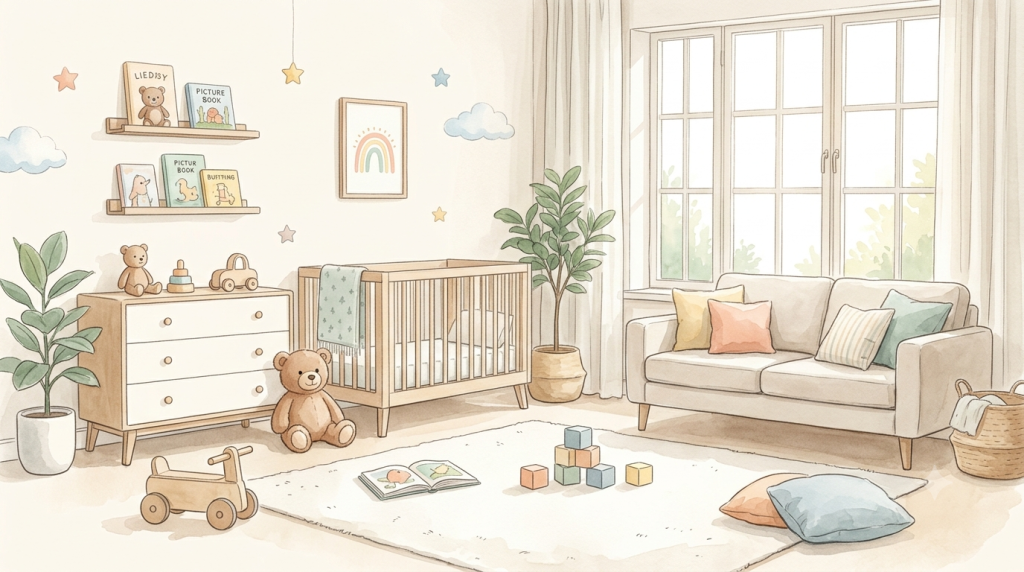
The newborn stage refers to the first 28 days of a baby’s life. During this time, babies are adapting to life outside the womb while parents learn about feeding, sleeping, bonding, and caring for their newborn.

Some of the biggest challenges include sleep deprivation, frequent feeding, learning your baby’s cues, adjusting to a new routine, and balancing your own recovery while caring for your newborn.

Yes. Feeling overwhelmed is completely normal, especially for first-time parents. The newborn stage comes with many changes, and it’s okay to ask for help and take things one day at a time.

You can prepare by learning basic newborn care, creating a support system, preparing baby essentials, and understanding that flexibility is just as important as planning. Every baby is different, so expect to adapt as you learn together.

The newborn stage generally lasts for the first four weeks after birth. However, many parents also use the term to describe the first two to three months because babies still require frequent feeding, sleeping, and close care during this period.

The most important thing to remember is that you do not need to be a perfect parent. Responding to your baby’s needs with love, patience, and consistency matters far more than getting everything exactly right.

Shop Our Picks

Shopee Affiliate Storefront

Posted on Leave a comment

15 Newborn Baby Care Tips I Learned During the First Few Weeks

The first few weeks with a newborn baby are filled with so many emotions. There are moments of excitement, happiness, tiredness and even uncertainty as you learn how to care for this tiny little person who depends on you for everything.

As a new mum, I remember having many questions during those early days. Was my baby feeding enough? Why was my baby crying? How can I help my baby sleep better? Am I doing things the right way?

The truth is, caring for a newborn baby is a learning process. No parent knows everything from the beginning, and every baby has their own personality, needs and routine.

Through my own journey, I learned that newborn care is not about being perfect. It is about understanding your baby, creating a comfortable environment and building confidence one day at a time.

Here are 15 newborn baby care tips that helped me navigate those first few weeks and made the newborn stage feel a little easier.

Newborn Baby Care
Gentle, practical baby care tips on feeding, wake windows, sleep, and surviving early parenthood with confidence.Tap the link to read gentle, reassuring advice to help you find your rhythm during the early weeks! 🌿✨

1. Give Yourself Time to Adjust: One of the Most Important Newborn Baby Care Tips

The arrival of a newborn changes everything. Your daily routine, sleeping patterns and priorities suddenly revolve around your little one.

During the first few weeks, both parents and babies are adjusting. Your baby is learning about the world outside the womb, while you are learning how to respond to their needs.

It is completely normal if things do not feel organised immediately.

One of the most important newborn care tips for new parents is to be patient with yourself. It takes time to understand your baby’s cries, feeding patterns and sleeping habits.

Instead of trying to create a perfect routine straight away, focus on bonding with your baby and responding to their needs.

2. Prepare Practical Newborn Baby Essentials With These Newborn Baby Care Tips

Having the right newborn baby essentials ready can make daily care much easier, especially during those early weeks when parents are still recovering and adjusting.

Some useful newborn essentials include:

  • Newborn diapers
  • Comfortable baby clothes
  • Swaddles or blankets
  • Burp cloths
  • Baby wipes or cotton pads
  • Feeding supplies
  • Baby bath products
  • A safe sleeping space

From my experience, it is easy to get excited and buy too many baby items. However, newborns grow quickly, and many things may only be used for a short period.

Focus on practical items that make everyday newborn care easier.

3. Learn Your Newborn’s Hunger Cues

Understanding feeding patterns is one of the most important newborn baby care tips I learned during my first few weeks as a mum.

Feeding is one of the biggest parts of newborn care. Whether you choose breastfeeding, formula feeding or a combination of both, every family’s feeding journey is different.

One helpful newborn feeding tip is learning your baby’s early hunger cues.

Signs that your baby may be hungry include:

  • Moving hands towards the mouth
  • Making sucking movements
  • Turning their head from side to side
  • Becoming more alert or restless

Responding early can help make feeding sessions calmer because your baby is less likely to become overly upset.

For breastfeeding mums, remember that it may take time to establish a comfortable routine. Finding what works for you and your baby is part of the learning journey.

4. Create a Gentle Feeding Routine

During the first few weeks, newborns usually feed frequently because their stomachs are still small.

Rather than focusing on a strict schedule, it can be helpful to create a flexible routine based on your baby’s needs.

Some things that helped me include:

  • Preparing feeding essentials nearby
  • Keeping track of feeding patterns
  • Creating a comfortable feeding space
  • Taking time to rest after feeding

A flexible approach allows you to adjust as your baby grows and their needs change.

5. Understand That Newborn Sleep Is Different

Newborn sleep can be one of the biggest challenges for new parents.

Many parents hope their baby will sleep through the night quickly, but newborn sleep patterns are naturally different from adults. Babies wake frequently because they need feeding, comfort and reassurance.

Creating a gentle routine was another helpful newborn baby care tip that helped our family adjust during the early weeks. A gentle newborn sleep routine can include:

  • Keeping the environment calm before bedtime
  • Reducing stimulation at night
  • Creating a consistent bedtime pattern
  • Learning your baby’s sleepy cues

During the early weeks, the goal is not perfect sleep. The goal is helping your baby feel safe and comfortable.

6. Learn How to Soothe a Crying Baby

Crying is your newborn’s main way of communicating.

Your baby may cry because they are:

  • Hungry
  • Tired
  • Uncomfortable
  • Need a diaper change
  • Want comfort and closeness

At first, it can feel difficult to understand what your baby needs. Over time, you will become more familiar with their different signals.

Simple ways to comfort your newborn include:

  • Holding your baby close
  • Gentle rocking
  • Singing or talking softly
  • Skin-to-skin contact
  • Creating a calm environment

Sometimes, your baby simply needs reassurance that you are there.

7. Build a Simple Newborn Daily Routine

A newborn daily routine does not need to be complicated.

Small patterns can help both parents and babies feel more comfortable.

Simple routines may include:

  • Morning sunlight exposure
  • Regular feeding moments
  • Bath time before bedtime
  • Quiet evening activities

These routines help your baby slowly understand day and night while giving parents a sense of structure.

8. Keep Your Baby Comfortable and Clean

Basic hygiene is an important part of caring for a newborn baby.

Some daily care activities include:

  • Changing diapers regularly
  • Keeping skin folds clean and dry
  • Cleaning feeding equipment properly
  • Using gentle baby products

Newborn skin can be delicate, so choosing mild and suitable products can help reduce irritation.

9. Make Bonding a Priority

Among all the newborn baby care tips I discovered, focusing on bonding helped me enjoy the newborn stage instead of worrying about doing everything perfectly. Bonding does not only happen during feeding or bedtime. Everyday moments can become opportunities to connect with your baby.

Simple bonding activities include:

  • Talking to your baby
  • Making eye contact
  • Singing songs
  • Holding your baby close
  • Enjoying quiet cuddle time

These small interactions help build emotional connection between parents and babies.

10. Accept Help From Family Members

Many new parents feel like they need to handle everything themselves. However, accepting help can make the newborn stage much easier.

Support can come in simple ways:

  • Preparing meals
  • Helping with household tasks
  • Watching the baby while you rest
  • Offering emotional support

Taking care of yourself allows you to better care for your baby.

11. Take Care of Your Own Recovery

One of the most overlooked newborn baby care tips for new parents is remembering that parents need care too.

The newborn stage is not only about caring for your baby. It is also an important recovery period for mums.

Remember to:

  • Rest whenever possible
  • Eat nourishing meals
  • Stay hydrated
  • Take breaks when needed

A new mum’s wellbeing matters too. You deserve care and support during this transition.

12. Avoid Comparing Your Baby With Others

Every baby develops differently.

Some babies sleep longer, some feed more frequently, and some need more comfort than others.

It is easy to compare your baby’s journey with what you see online, but every family has a different experience.

The best baby care tips for first-time parents are to observe your baby, trust your instincts and focus on what works for your family.

13. Keep Newborn Care Simple

There are countless baby products, parenting advice and routines available online. While helpful, too much information can sometimes feel overwhelming.

During those first few weeks, focus on the basics:

  • Feeding your baby
  • Keeping your baby comfortable
  • Helping your baby sleep
  • Creating a loving environment

Simple care is often the most important care.

14. Enjoy the Small Moments

The newborn stage can feel exhausting, but it also passes quickly.

Take time to enjoy little moments like:

  • Your baby’s first smiles
  • Tiny fingers and toes
  • Quiet cuddles
  • Sleeping peacefully in your arms

These small memories are often the moments parents treasure most.

15. Trust Yourself as a Parent

Perhaps the biggest lesson I learned was to trust myself.

Parenting does not come with a perfect manual. Every parent learns through experience, patience and understanding.

You will have good days and challenging days, but each day you are learning more about your baby and yourself.

Frequently Asked Questions About Newborn Baby Care

The most important newborn baby care tips include understanding your baby’s feeding cues, creating a comfortable sleep environment, preparing essential baby items and giving yourself time to adjust.

Newborn babies usually need frequent feeding because their stomachs are small. Feeding patterns vary depending on each baby and whether they are breastfed, formula-fed or combination-fed.

A gentle newborn sleep routine can help by creating a calm environment, keeping bedtime consistent and recognising your baby’s sleepy cues.

Basic newborn baby essentials include diapers, comfortable clothing, feeding supplies, swaddles, burp cloths and a safe sleeping space. Focus on practical items you will use daily.

Yes, many new parents experience a mix of emotions during the newborn stage. Adjusting takes time, and asking for support can make the transition easier.

Shop Our Picks

Milestone Cards for Babies: https://s.shopee.com.my/9Uzsd5YOY4?share_channel_code=1

Written by SY
A mum sharing personal parenting experiences, discoveries, and everyday lessons.