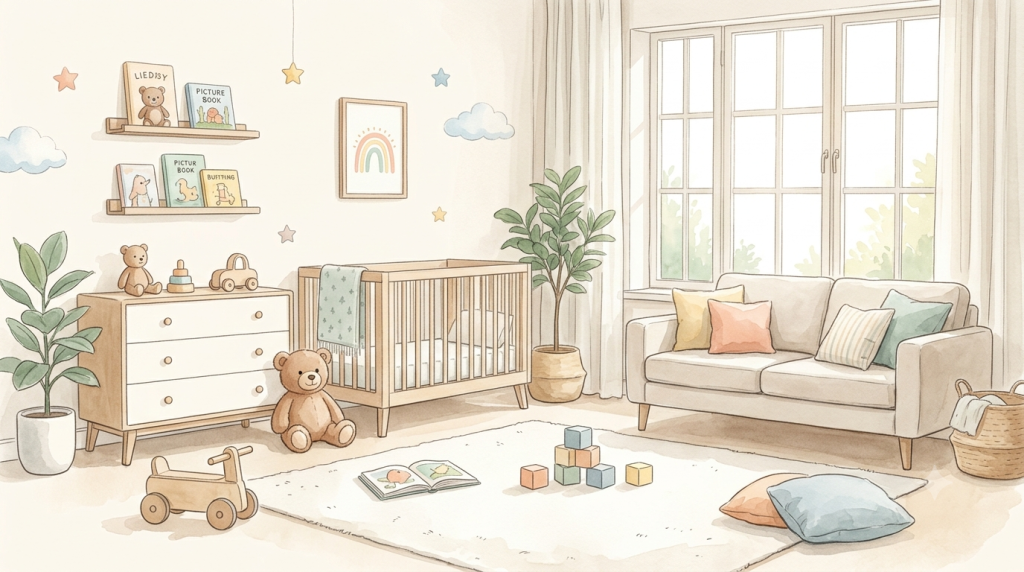
Many parents often ask, “how much sleep does your child need?” The answer depends on your child’s age, development stage, daily routine, and individual needs. Understanding recommended sleep hours can help parents create healthier habits and support their child’s growth, learning, and emotional wellbeing.
Sleep is one of the most important parts of your child’s growth and development. How much sleep does your child really need?
As parents, we often focus on nutrition, learning activities, and milestones.
But quality sleep plays an equally important role in helping children:
- Grow physically
- Develop their brains
- Regulate emotions
- Build immunity
- Improve learning and memory
Many parents wonder:
“Is my child sleeping enough?”
“How many hours should my toddler sleep?”
“Why does my child wake up so often?”
Understanding how much sleep does your child needs can help you create healthier routines and support your child’s overall wellbeing.
The truth is, sleep needs change as children grow.
A newborn may sleep most of the day, while a toddler and preschooler need fewer hours but still require consistent rest.
This guide explains child sleep needs by age, common sleep challenges, and practical tips to help your little one develop healthy sleep habits.
Why Child Sleep Is Important for Growth and Development
Sleep is not just a time when children “switch off”.
During sleep, their bodies and brains continue important processes.
Adequate sleep supports:
Physical Growth
Children release growth hormones during sleep, which support healthy development.
Brain Development
Sleep helps children process new information, develop memory, and strengthen learning skills.
Emotional Regulation
A well-rested child is often better able to manage emotions, frustration, and daily challenges.
Immune Health
Good sleep supports the body’s natural ability to fight illness.
Behaviour and Focus
Children who sleep well may find it easier to concentrate, communicate, and participate in activities.
A lack of sleep, on the other hand, may affect mood, behaviour, and energy levels.
How Much Sleep Does Your Child Need by Age?
Every child is different.
Some children naturally need more sleep, while others need slightly less.
However, general recommendations can help parents understand what is typical.
Newborn Sleep Needs (0–3 Months)
Recommended sleep hours: Around 14–17 hours per day
Newborns spend most of their time sleeping because their bodies are growing rapidly.
At this stage:
- Sleep happens throughout the day and night
- Sleep patterns are still developing
- Frequent waking is normal
- Feeding needs often interrupt sleep
Newborn sleep can feel unpredictable for parents.
One day your baby may sleep longer.
Another day they may wake frequently.
This is normal.
The focus during this stage is not creating a strict schedule, but supporting healthy sleep foundations.
Helpful tips:
- Create a calm sleeping environment
- Learn your baby’s sleepy cues
- Keep nighttime interactions quiet
- Establish simple routines
Parent tip: Newborn sleep is different from older children. Frequent waking is part of normal development.
Baby Sleep Needs (4–12 Months)
Recommended sleep hours: Around 12–16 hours per day (including naps)
During the first year, babies begin developing more predictable sleep patterns.
Many babies start to:
- Sleep longer stretches at night
- Take regular naps
- Develop a bedtime routine
However, sleep challenges may still happen.
Common reasons include:
- Teething
- Growth spurts
- Learning new skills
- Separation anxiety
- Changes in routine
At this stage, a consistent bedtime routine can help babies understand that it is time to rest.
A simple routine may include:
- Bath time
- Feeding
- Reading a short book
- Gentle cuddles
- Sleeping
Parent tip: Consistency matters more than perfection. A simple routine repeated daily can provide comfort and security.
Toddler Sleep Needs (1–3 Years)
Recommended sleep hours: Around 11–14 hours per day (including naps)
Toddlers are busy exploring the world.
They are learning:
- New words
- Independence
- Movement skills
- Emotional control
Although toddlers may seem full of energy, they still need plenty of sleep.
A lack of sleep may appear as:
- More tantrums
- Difficulty focusing
- Increased clinginess
- Hyperactive behaviour
- Mood changes
Many toddlers still need one daytime nap.
However, some children begin transitioning away from naps during this stage.
Healthy toddler sleep habits include:
- Consistent bedtime
- A calming bedtime routine
- Limiting stimulating activities before bed
- Creating a comfortable sleep environment
Parent tip: Toddlers often resist bedtime because they want to keep exploring. A predictable routine helps them feel secure.
Preschooler Sleep Needs (3–5 Years)
As children enter preschool years, their sleep patterns continue to change.
Recommended sleep hours: Around 10–13 hours per day (including naps)
Some children still nap, while others no longer need daytime sleep.
At this stage, children benefit from:
- Consistent bedtime
- Relaxing bedtime activities
- Limited screen time before sleep
- A comfortable sleep environment
Preschoolers may experience new sleep challenges, including:
- Fear of the dark
- Nightmares
- Wanting parents nearby
- Delaying bedtime
These are common parts of development.
Supporting your child with reassurance and consistency can help them feel safe.
Parent tip: A bedtime routine can become a special connection moment, not just a sleep routine.
School-Age Child Sleep Needs (6–12 Years)
Recommended sleep hours: Around 9–12 hours per day
As children grow older, their schedules become busier.
School, homework, activities, and screen time can sometimes affect their sleep routine.
However, sleep remains essential for school-age children.
Adequate sleep supports:
- Learning and memory
- Concentration in school
- Emotional control
- Physical development
- Overall wellbeing
Children in this age group may resist bedtime because they want more playtime or screen time.
Parents can support healthy sleep habits by:
- Keeping a consistent bedtime
- Creating a relaxing evening routine
- Limiting stimulating activities before bed
- Encouraging independent sleep habits
Even older children benefit from predictable routines.
A child who gets enough rest is often better prepared to handle the demands of daily life.
Parent tip: Sleep is not lost free time. It is an important part of your child’s growth and development.
Signs Your Child May Not Be Getting Enough Sleep
Sometimes parents underestimate how much sleep their child needs.
A child who is tired may not always look sleepy.
Instead, they may show different signs.
Common signs of insufficient sleep include:
1. Frequent Mood Changes
Your child may become:
- More easily frustrated
- More emotional
- More sensitive
- Quick to cry
A tired child may struggle to manage feelings that they normally handle well.
2. Increased Tantrums
For toddlers especially, tiredness can make emotions feel bigger.
You may notice:
- More meltdowns
- Difficulty calming down
- Strong reactions to small problems
3. Difficulty Focusing
Sleep affects attention and learning.
A child who is not getting enough rest may have trouble:
- Listening
- Following instructions
- Staying engaged
4. Changes in Appetite
Poor sleep can sometimes affect hunger and eating patterns.
Some children may:
- Eat less
- Seek more snacks
- Have irregular eating habits
5. Waking Up Difficulties
If your child struggles to wake up every morning despite enough time in bed, their sleep quality may need attention.
Parent tip: Look at your child’s overall behaviour rather than only counting hours of sleep.
How to Build Healthy Sleep Habits at Home
Healthy sleep habits do not happen overnight.
They are built through consistency and small daily routines.
Here are some practical ways to support better sleep.
1. Create a Consistent Bedtime Routine
Children feel secure when they know what happens next.
A predictable bedtime routine signals to their brain that it is time to slow down.
A simple routine may include:
- Bath time
- Changing into pyjamas
- Brushing teeth
- Reading together
- Gentle conversation
- Lights out
The routine does not need to be long.
Consistency is what matters.
Parent tip: Start the routine at the same time each night whenever possible.
2. Create a Calm Sleep Environment
A comfortable environment can make it easier for children to fall asleep.
Consider:
- A comfortable room temperature
- A quiet environment
- Soft lighting before bedtime
- Comfortable sleepwear
- A familiar sleeping space
For younger children, familiar items such as a favourite blanket or toy may provide comfort.
A calm environment helps children associate their bedroom with rest.
Parent tip: Keep bedtime activities calm and avoid exciting play right before sleep.
3. Limit Screen Time Before Bed
Screens can make bedtime more challenging for some children.
Activities like watching videos or playing games may keep children stimulated when they should be winding down.
Instead of screens before bed, try:
- Reading books
- Talking about the day
- Listening to calming music
- Quiet play
A screen-free wind-down period helps children transition into sleep mode.
Parent tip: Create a family bedtime habit where everyone slows down together.
4. Encourage Daytime Physical Activity
Children naturally have lots of energy.
Regular physical activity during the day can support healthier sleep patterns.
Activities can include:
- Outdoor play
- Walking
- Cycling
- Playground time
- Active family games
Movement helps children use their energy and supports overall health.
However, avoid very energetic activities right before bedtime, as they may make some children more alert.
Parent tip: Balance active play during the day with calming routines at night.
5. Watch for Overtiredness
Many parents assume that a tired child will easily fall asleep.
However, children who become overtired may actually find it harder to settle.
Signs of overtiredness may include:
- Hyperactivity
- Increased crying
- Fighting bedtime
- Difficulty calming down
For toddlers especially, keeping a consistent nap and bedtime schedule can help prevent overtiredness.
Learning your child’s sleep cues can make bedtime smoother.
Common sleepy cues include:
- Rubbing eyes
- Yawning
- Becoming quieter
- Losing interest in activities
Parent tip: Try starting bedtime before your child becomes overly tired.
Common Sleep Mistakes Parents Make
Even with the best intentions, some habits may make sleep more difficult.
Mistake 1: Changing Bedtime Every Night
An inconsistent schedule can make it harder for children to develop a sleep rhythm.
Try keeping bedtime and wake-up times similar each day.
Mistake 2: Using Screens as a Sleep Tool
While screens may help calm children temporarily, they can make it harder for some children to transition into sleep.
Mistake 3: Skipping the Bedtime Routine
A predictable routine helps children feel prepared for sleep.
Mistake 4: Expecting Children to Sleep Like Adults
Children’s sleep patterns change as they grow.
A toddler, baby, and school-age child all have different sleep needs.
Mistake 5: Comparing Your Child’s Sleep With Others
Every child is different.
Some children sleep longer.
Some need more support.
Focus on your child’s individual needs rather than comparison.
Parent tip: Good sleep habits take time. Progress matters more than perfection.
Practical Sleep Tips by Age
Every child develops differently, but these age-specific tips can help parents create healthier sleep habits.
For Babies (0–12 Months)
Focus on creating a safe and predictable sleep environment.
Helpful tips:
- Learn your baby’s sleepy cues
- Create a simple bedtime routine
- Keep nighttime feeds calm and quiet
- Allow your baby time to develop sleep patterns
- Create a comfortable sleep space
Remember that frequent waking is normal during the first year.
Your goal is not perfect sleep.
Your goal is building a secure foundation.
For Toddlers (1–3 Years)
Toddlers often resist bedtime because they are becoming more independent.
Helpful tips:
- Offer limited choices (“Which pyjamas would you like?”)
- Keep bedtime consistent
- Use a calming routine
- Give advance warnings before bedtime
- Provide comfort and reassurance
Toddlers thrive when they feel involved and know what to expect.
For Preschoolers (3–5 Years)
Preschoolers may develop new fears or bedtime worries.
Helpful tips:
- Talk about feelings before bedtime
- Use a night light if needed
- Encourage relaxing activities
- Keep bedtime boundaries consistent
Helping children feel safe can reduce bedtime anxiety.
For School-Age Children (6–12 Years)
Older children may have more responsibilities and distractions.
Helpful tips:
- Maintain healthy routines
- Encourage good time management
- Limit late-night screen use
- Create a relaxing evening environment
Sleep remains an important part of their physical and emotional development.
Bedtime Routine Checklist for Better Sleep
A consistent bedtime routine can help your child transition from active time to rest time.
Try this simple checklist:
- Finish dinner at a comfortable time
- Reduce active play before bedtime
- Take a warm bath or wash up
- Change into comfortable sleepwear
- Brush teeth
- Read a bedtime story
- Talk about the day’s highlights
- Give hugs and reassurance
- Turn off lights at the same time
The routine does not need to be perfect.
What matters most is creating a predictable and comforting pattern.
How Parents Can Support Better Sleep Without Pressure
Many parents feel stressed when their child struggles with sleep.
They may wonder:
“Am I doing something wrong?”
“Why won’t my child sleep like others?”
“Should my child already be sleeping through the night?”
Remember that sleep development takes time.
Children are not machines.
Their sleep can be affected by:
- Developmental changes
- Illness
- Teething
- Changes in routine
- New experiences
- Emotional needs
Instead of focusing only on the outcome, focus on creating healthy habits.
Your child does not need a perfect sleep schedule.
They need a supportive environment where they feel safe and loved.
Final Thoughts for How much sleep does your child need
Understanding how much sleep does your child needs can help you make better decisions about routines, schedules, and bedtime habits.
Sleep is not just about getting through the night.
It supports your child’s:
- Growth
- Learning
- Emotional wellbeing
- Physical health
- Daily energy
From newborns to school-age children, sleep needs continue to change.
The most important thing parents can do is provide consistency, comfort, and patience.
There will be nights that go smoothly.
There will be nights that feel challenging.
That is normal.
Parenting is not about creating perfect sleep.
It is about building healthy habits and helping your child feel secure along the way.
A well-rested child is supported by more than a bedtime routine.
They are supported by a home filled with patience, connection, and love.
Written by SY
A mum sharing personal parenting experiences, discoveries, and everyday lessons.