Posted on Leave a comment

15 Essential Sleep Facts: How Much Sleep Does Your Child Need? Complete Guide by Age

Many parents often ask, “how much sleep does your child need?” The answer depends on your child’s age, development stage, daily routine, and individual needs. Understanding recommended sleep hours can help parents create healthier habits and support their child’s growth, learning, and emotional wellbeing.

Sleep is one of the most important parts of your child’s growth and development. How much sleep does your child really need?

As parents, we often focus on nutrition, learning activities, and milestones.

But quality sleep plays an equally important role in helping children:

  • Grow physically
  • Develop their brains
  • Regulate emotions
  • Build immunity
  • Improve learning and memory

Many parents wonder:

“Is my child sleeping enough?”

“How many hours should my toddler sleep?”

“Why does my child wake up so often?”

Understanding how much sleep does your child needs can help you create healthier routines and support your child’s overall wellbeing.

The truth is, sleep needs change as children grow.

A newborn may sleep most of the day, while a toddler and preschooler need fewer hours but still require consistent rest.

This guide explains child sleep needs by age, common sleep challenges, and practical tips to help your little one develop healthy sleep habits.

Why Child Sleep Is Important for Growth and Development

Sleep is not just a time when children “switch off”.

During sleep, their bodies and brains continue important processes.

Adequate sleep supports:

Physical Growth

Children release growth hormones during sleep, which support healthy development.

Brain Development

Sleep helps children process new information, develop memory, and strengthen learning skills.

Emotional Regulation

A well-rested child is often better able to manage emotions, frustration, and daily challenges.

Immune Health

Good sleep supports the body’s natural ability to fight illness.

Behaviour and Focus

Children who sleep well may find it easier to concentrate, communicate, and participate in activities.

A lack of sleep, on the other hand, may affect mood, behaviour, and energy levels.

How Much Sleep Does Your Child Need by Age?

Every child is different.

Some children naturally need more sleep, while others need slightly less.

However, general recommendations can help parents understand what is typical.

Newborn Sleep Needs (0–3 Months)

Recommended sleep hours: Around 14–17 hours per day

Newborns spend most of their time sleeping because their bodies are growing rapidly.

At this stage:

  • Sleep happens throughout the day and night
  • Sleep patterns are still developing
  • Frequent waking is normal
  • Feeding needs often interrupt sleep

Newborn sleep can feel unpredictable for parents.

One day your baby may sleep longer.

Another day they may wake frequently.

This is normal.

The focus during this stage is not creating a strict schedule, but supporting healthy sleep foundations.

Helpful tips:

  • Create a calm sleeping environment
  • Learn your baby’s sleepy cues
  • Keep nighttime interactions quiet
  • Establish simple routines

Parent tip: Newborn sleep is different from older children. Frequent waking is part of normal development.

Baby Sleep Needs (4–12 Months)

Recommended sleep hours: Around 12–16 hours per day (including naps)

During the first year, babies begin developing more predictable sleep patterns.

Many babies start to:

  • Sleep longer stretches at night
  • Take regular naps
  • Develop a bedtime routine

However, sleep challenges may still happen.

Common reasons include:

  • Teething
  • Growth spurts
  • Learning new skills
  • Separation anxiety
  • Changes in routine

At this stage, a consistent bedtime routine can help babies understand that it is time to rest.

A simple routine may include:

  1. Bath time
  2. Feeding
  3. Reading a short book
  4. Gentle cuddles
  5. Sleeping

Parent tip: Consistency matters more than perfection. A simple routine repeated daily can provide comfort and security.

Toddler Sleep Needs (1–3 Years)

Recommended sleep hours: Around 11–14 hours per day (including naps)

Toddlers are busy exploring the world.

They are learning:

  • New words
  • Independence
  • Movement skills
  • Emotional control

Although toddlers may seem full of energy, they still need plenty of sleep.

A lack of sleep may appear as:

  • More tantrums
  • Difficulty focusing
  • Increased clinginess
  • Hyperactive behaviour
  • Mood changes

Many toddlers still need one daytime nap.

However, some children begin transitioning away from naps during this stage.

Healthy toddler sleep habits include:

  • Consistent bedtime
  • A calming bedtime routine
  • Limiting stimulating activities before bed
  • Creating a comfortable sleep environment

Parent tip: Toddlers often resist bedtime because they want to keep exploring. A predictable routine helps them feel secure.

Preschooler Sleep Needs (3–5 Years)

As children enter preschool years, their sleep patterns continue to change.

Recommended sleep hours: Around 10–13 hours per day (including naps)

Some children still nap, while others no longer need daytime sleep.

At this stage, children benefit from:

  • Consistent bedtime
  • Relaxing bedtime activities
  • Limited screen time before sleep
  • A comfortable sleep environment

Preschoolers may experience new sleep challenges, including:

  • Fear of the dark
  • Nightmares
  • Wanting parents nearby
  • Delaying bedtime

These are common parts of development.

Supporting your child with reassurance and consistency can help them feel safe.

Parent tip: A bedtime routine can become a special connection moment, not just a sleep routine.

School-Age Child Sleep Needs (6–12 Years)

Recommended sleep hours: Around 9–12 hours per day

As children grow older, their schedules become busier.

School, homework, activities, and screen time can sometimes affect their sleep routine.

However, sleep remains essential for school-age children.

Adequate sleep supports:

  • Learning and memory
  • Concentration in school
  • Emotional control
  • Physical development
  • Overall wellbeing

Children in this age group may resist bedtime because they want more playtime or screen time.

Parents can support healthy sleep habits by:

  • Keeping a consistent bedtime
  • Creating a relaxing evening routine
  • Limiting stimulating activities before bed
  • Encouraging independent sleep habits

Even older children benefit from predictable routines.

A child who gets enough rest is often better prepared to handle the demands of daily life.

Parent tip: Sleep is not lost free time. It is an important part of your child’s growth and development.

Signs Your Child May Not Be Getting Enough Sleep

Sometimes parents underestimate how much sleep their child needs.

A child who is tired may not always look sleepy.

Instead, they may show different signs.

Common signs of insufficient sleep include:

1. Frequent Mood Changes

Your child may become:

  • More easily frustrated
  • More emotional
  • More sensitive
  • Quick to cry

A tired child may struggle to manage feelings that they normally handle well.

2. Increased Tantrums

For toddlers especially, tiredness can make emotions feel bigger.

You may notice:

  • More meltdowns
  • Difficulty calming down
  • Strong reactions to small problems

3. Difficulty Focusing

Sleep affects attention and learning.

A child who is not getting enough rest may have trouble:

  • Listening
  • Following instructions
  • Staying engaged

4. Changes in Appetite

Poor sleep can sometimes affect hunger and eating patterns.

Some children may:

  • Eat less
  • Seek more snacks
  • Have irregular eating habits

5. Waking Up Difficulties

If your child struggles to wake up every morning despite enough time in bed, their sleep quality may need attention.

Parent tip: Look at your child’s overall behaviour rather than only counting hours of sleep.

How to Build Healthy Sleep Habits at Home

Healthy sleep habits do not happen overnight.

They are built through consistency and small daily routines.

Here are some practical ways to support better sleep.

1. Create a Consistent Bedtime Routine

Children feel secure when they know what happens next.

A predictable bedtime routine signals to their brain that it is time to slow down.

A simple routine may include:

  • Bath time
  • Changing into pyjamas
  • Brushing teeth
  • Reading together
  • Gentle conversation
  • Lights out

The routine does not need to be long.

Consistency is what matters.

Parent tip: Start the routine at the same time each night whenever possible.

2. Create a Calm Sleep Environment

A comfortable environment can make it easier for children to fall asleep.

Consider:

  • A comfortable room temperature
  • A quiet environment
  • Soft lighting before bedtime
  • Comfortable sleepwear
  • A familiar sleeping space

For younger children, familiar items such as a favourite blanket or toy may provide comfort.

A calm environment helps children associate their bedroom with rest.

Parent tip: Keep bedtime activities calm and avoid exciting play right before sleep.

3. Limit Screen Time Before Bed

Screens can make bedtime more challenging for some children.

Activities like watching videos or playing games may keep children stimulated when they should be winding down.

Instead of screens before bed, try:

  • Reading books
  • Talking about the day
  • Listening to calming music
  • Quiet play

A screen-free wind-down period helps children transition into sleep mode.

Parent tip: Create a family bedtime habit where everyone slows down together.

4. Encourage Daytime Physical Activity

Children naturally have lots of energy.

Regular physical activity during the day can support healthier sleep patterns.

Activities can include:

  • Outdoor play
  • Walking
  • Cycling
  • Playground time
  • Active family games

Movement helps children use their energy and supports overall health.

However, avoid very energetic activities right before bedtime, as they may make some children more alert.

Parent tip: Balance active play during the day with calming routines at night.

5. Watch for Overtiredness

Many parents assume that a tired child will easily fall asleep.

However, children who become overtired may actually find it harder to settle.

Signs of overtiredness may include:

  • Hyperactivity
  • Increased crying
  • Fighting bedtime
  • Difficulty calming down

For toddlers especially, keeping a consistent nap and bedtime schedule can help prevent overtiredness.

Learning your child’s sleep cues can make bedtime smoother.

Common sleepy cues include:

  • Rubbing eyes
  • Yawning
  • Becoming quieter
  • Losing interest in activities

Parent tip: Try starting bedtime before your child becomes overly tired.

Common Sleep Mistakes Parents Make

Even with the best intentions, some habits may make sleep more difficult.

Mistake 1: Changing Bedtime Every Night

An inconsistent schedule can make it harder for children to develop a sleep rhythm.

Try keeping bedtime and wake-up times similar each day.

Mistake 2: Using Screens as a Sleep Tool

While screens may help calm children temporarily, they can make it harder for some children to transition into sleep.

Mistake 3: Skipping the Bedtime Routine

A predictable routine helps children feel prepared for sleep.

Mistake 4: Expecting Children to Sleep Like Adults

Children’s sleep patterns change as they grow.

A toddler, baby, and school-age child all have different sleep needs.

Mistake 5: Comparing Your Child’s Sleep With Others

Every child is different.

Some children sleep longer.

Some need more support.

Focus on your child’s individual needs rather than comparison.

Parent tip: Good sleep habits take time. Progress matters more than perfection.

Practical Sleep Tips by Age

Every child develops differently, but these age-specific tips can help parents create healthier sleep habits.

For Babies (0–12 Months)

Focus on creating a safe and predictable sleep environment.

Helpful tips:

  • Learn your baby’s sleepy cues
  • Create a simple bedtime routine
  • Keep nighttime feeds calm and quiet
  • Allow your baby time to develop sleep patterns
  • Create a comfortable sleep space

Remember that frequent waking is normal during the first year.

Your goal is not perfect sleep.

Your goal is building a secure foundation.

For Toddlers (1–3 Years)

Toddlers often resist bedtime because they are becoming more independent.

Helpful tips:

  • Offer limited choices (“Which pyjamas would you like?”)
  • Keep bedtime consistent
  • Use a calming routine
  • Give advance warnings before bedtime
  • Provide comfort and reassurance

Toddlers thrive when they feel involved and know what to expect.

For Preschoolers (3–5 Years)

Preschoolers may develop new fears or bedtime worries.

Helpful tips:

  • Talk about feelings before bedtime
  • Use a night light if needed
  • Encourage relaxing activities
  • Keep bedtime boundaries consistent

Helping children feel safe can reduce bedtime anxiety.

For School-Age Children (6–12 Years)

Older children may have more responsibilities and distractions.

Helpful tips:

  • Maintain healthy routines
  • Encourage good time management
  • Limit late-night screen use
  • Create a relaxing evening environment

Sleep remains an important part of their physical and emotional development.

Bedtime Routine Checklist for Better Sleep

A consistent bedtime routine can help your child transition from active time to rest time.

Try this simple checklist:

  • Finish dinner at a comfortable time
  • Reduce active play before bedtime
  • Take a warm bath or wash up
  • Change into comfortable sleepwear
  • Brush teeth
  • Read a bedtime story
  • Talk about the day’s highlights
  • Give hugs and reassurance
  • Turn off lights at the same time

The routine does not need to be perfect.

What matters most is creating a predictable and comforting pattern.

How Parents Can Support Better Sleep Without Pressure

Many parents feel stressed when their child struggles with sleep.

They may wonder:

“Am I doing something wrong?”

“Why won’t my child sleep like others?”

“Should my child already be sleeping through the night?”

Remember that sleep development takes time.

Children are not machines.

Their sleep can be affected by:

  • Developmental changes
  • Illness
  • Teething
  • Changes in routine
  • New experiences
  • Emotional needs

Instead of focusing only on the outcome, focus on creating healthy habits.

Your child does not need a perfect sleep schedule.

They need a supportive environment where they feel safe and loved.

Final Thoughts for How much sleep does your child need

Understanding how much sleep does your child needs can help you make better decisions about routines, schedules, and bedtime habits.

Sleep is not just about getting through the night.

It supports your child’s:

  • Growth
  • Learning
  • Emotional wellbeing
  • Physical health
  • Daily energy

From newborns to school-age children, sleep needs continue to change.

The most important thing parents can do is provide consistency, comfort, and patience.

There will be nights that go smoothly.

There will be nights that feel challenging.

That is normal.

Parenting is not about creating perfect sleep.

It is about building healthy habits and helping your child feel secure along the way.

A well-rested child is supported by more than a bedtime routine.

They are supported by a home filled with patience, connection, and love.

Written by SY
A mum sharing personal parenting experiences, discoveries, and everyday lessons.
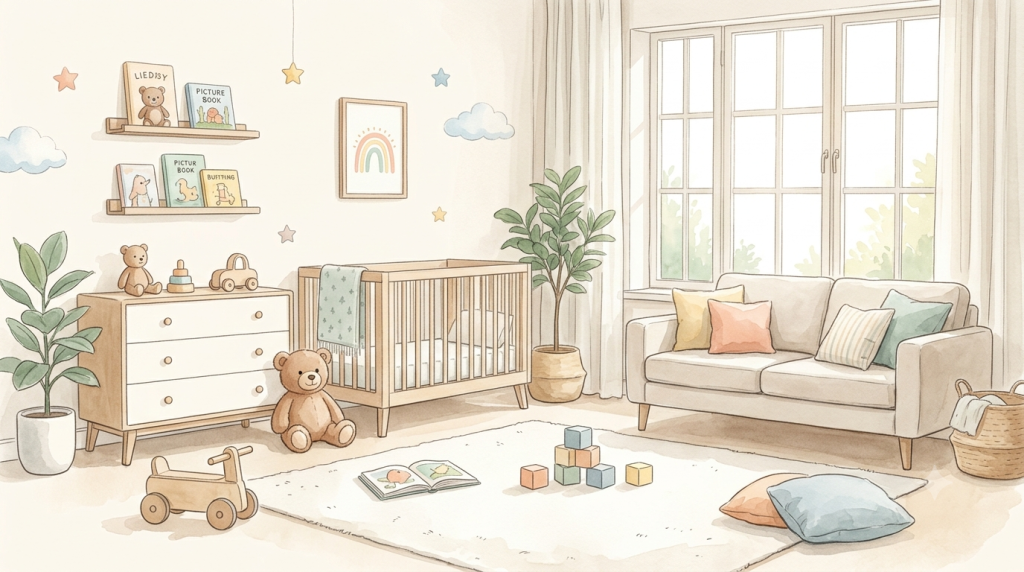
Frequently Asked Questions About Child Sleep Needs

Sleep needs vary depending on age.

General recommendations:

  • Newborns (0–3 months): 14–17 hours daily
  • Babies (4–12 months): 12–16 hours daily
  • Toddlers (1–3 years): 11–14 hours daily
  • Preschoolers (3–5 years): 10–13 hours daily
  • School-age children (6–12 years): 9–12 hours daily

Every child is different, so parents should also consider their child’s mood, behaviour, and overall wellbeing.

Signs your child may be getting enough sleep include:

  • Waking up refreshed
  • Having stable moods
  • Being active and engaged during the day
  • Managing emotions well
  • Maintaining healthy routines

A child who is constantly tired, irritable, or struggling with focus may need a closer look at their sleep habits.

Many toddlers do well with an early and consistent bedtime.

The ideal bedtime depends on:

  • Wake-up time
  • Nap schedule
  • Family routine
  • Individual sleep needs

A predictable bedtime routine is often more important than a specific time.

You can support better toddler sleep habits by:

  • Creating a consistent bedtime routine
  • Limiting screens before bed
  • Encouraging daytime activity
  • Keeping bedtime calm
  • Responding consistently to bedtime challenges

Small changes over time can make a difference.

Children may wake during the night due to:

  • Hunger
  • Teething
  • Developmental changes
  • Nightmares
  • Separation anxiety
  • Changes in routine

Occasional night waking is normal, especially for younger children.

Parents can create healthy sleep habits by:

  • Keeping consistent routines
  • Creating a comfortable sleep environment
  • Encouraging calming bedtime activities
  • Supporting emotional security
  • Modelling healthy sleep behaviours

Good sleep habits develop through patience and consistency.

Shop Our Picks

Shopee Affiliate Storefront

Posted on Leave a comment

15 Smart Budget Friendly Baby Shopping Tips Every Parent Should Know

Preparing for a baby is exciting.

The tiny clothes.

The adorable toys.

The cute nursery items.

The endless baby products that promise to make parenting easier.

But before you know it, your shopping cart can become overwhelming.

Many new parents quickly realise one thing:

Babies need fewer things than we think – but choosing the right things matters.

From newborn essentials to everyday baby items, it is easy to spend more than necessary when you are surrounded by beautiful products designed to catch your attention.

The challenge is not buying everything.

The challenge is knowing what is truly worth buying.

Smart baby shopping is about finding a balance between:

  • Buying what your baby actually needs
  • Choosing quality products
  • Avoiding unnecessary purchases
  • Making thoughtful decisions for your budget

Whether you are preparing for your first baby or looking to save money with your next child, these budget friendly baby shopping tips will help you shop smarter without compromising your baby’s comfort and safety.

1. Create a Baby Shopping Checklist Before Buying Anything

One of the biggest mistakes new parents make is shopping without a plan.

Baby stores and online marketplaces are filled with attractive products.

It is easy to think:

“Maybe I need this.”

“Maybe my baby will use this.”

“What if I don’t buy it now?”

Before purchasing, create a clear baby essentials checklist.

Separate items into categories:

Must-Have Essentials

Items you need immediately:

  • Diapers
  • Baby clothes
  • Feeding supplies
  • Bath essentials
  • Sleeping essentials

Nice-to-Have Items

Things that may be useful but are not urgent:

  • Extra toys
  • Special gadgets
  • Decorative items
  • Additional accessories

A checklist helps you focus on what matters and prevents emotional purchases.

Remember:

A prepared parent is not the one who buys the most.

It is the one who buys wisely.

Baby shopping tip: Wait before buying items that you are unsure about. You may discover you do not actually need them.

2. Research Before You Buy

Baby products can vary greatly in quality, price, and usefulness.

Before purchasing, take time to research.

Look at:

  • Product reviews
  • Parent experiences
  • Safety information
  • Long-term usefulness
  • Alternative options

Sometimes a cheaper product performs just as well as a more expensive one.

Other times, investing in a quality item can save money because it lasts longer.

The goal is not always buying the cheapest option.

The goal is getting the best value.

For example:

A stroller used every day may be worth investing in.

A newborn outfit worn only once may not be.

Think about how often your baby will use the item and whether it provides real value.

Baby shopping tip: Compare products based on usefulness, not just appearance.

3. Avoid Buying Too Many Newborn Clothes

Baby clothes are one of the easiest things to overspend on.

Tiny outfits are adorable.

But babies grow incredibly quickly.

Many newborn clothes are only worn for a few weeks – or sometimes never.

Before buying too many outfits, consider:

  • How quickly babies grow
  • Seasonal changes
  • Comfort over style
  • How often you can wash clothes

Focus on practical clothing:

  • Soft onesies
  • Comfortable pajamas
  • Easy-to-change outfits
  • Weather-appropriate clothing

You can always buy more later once you understand your baby’s needs.

Many parents eventually realise their baby had more clothes than they could wear.

Baby shopping tip: Buy fewer newborn sizes and more practical everyday pieces.

4. Buy Second-Hand for Certain Baby Items

Buying second-hand can be a great way to save money on baby products.

Babies use many items for a short period, which means some second-hand products are still in excellent condition.

Good items to consider buying second-hand:

  • Baby clothes
  • Maternity clothes
  • Books
  • Toys
  • Baby carriers
  • Some nursery furniture

However, always check safety before buying used items.

Avoid second-hand products where safety may be compromised, especially items with expiration dates or structural concerns.

Examples:

  • Damaged car seats
  • Unsafe sleep products
  • Broken equipment

Smart shopping means knowing where to save and where to invest.

Baby shopping tip: Second-hand does not mean lower quality. It can be a practical and sustainable choice.

5. Prioritise Multi-Use Baby Products

One of the best ways to save money is choosing products that can be used in multiple ways.

Multi-purpose items reduce the number of things you need to buy.

Examples:

  • Convertible stroller systems
  • Adjustable baby carriers
  • Growing-with-child furniture
  • Multi-stage feeding products

Instead of buying separate products for every stage, look for items that can adapt as your baby grows.

This saves:

  • Money
  • Storage space
  • Time spent shopping

Before purchasing, ask:

“Can my baby use this for more than one stage?”

If yes, it may provide better value.

Baby shopping tip: Choose versatile products that grow with your child.

6. Wait Before Buying Baby Gadgets

Baby gadgets can be tempting.

From smart monitors to specialised tools, many products promise to make parenting easier.

Some are genuinely helpful.

But many are items parents buy because they look useful – not because they actually need them.

Before purchasing a baby gadget, ask yourself:

  • Will I use this every day?
  • Does this solve a real problem?
  • Can I achieve the same result with something I already have?
  • Will my baby use it for a long time?

Many parents discover that some of their most expensive purchases end up sitting unused.

Instead of buying everything before your baby arrives, consider waiting until you understand your family’s actual needs.

Every baby is different.

A product that works perfectly for one family may not be useful for another.

Baby shopping tip: Buy based on your baby’s needs, not marketing promises.

7. Take Advantage of Sales and Shopping Events

Timing your purchases can make a big difference when buying baby essentials.

Baby products often go on sale during:

  • Major online shopping events
  • Seasonal promotions
  • Brand campaigns
  • Clearance sales

If you know what you need ahead of time, you can plan your purchases instead of buying everything at full price.

Create a shopping list and monitor prices for bigger items such as:

  • Strollers
  • Car seats
  • Baby carriers
  • High chairs
  • Nursery furniture

However, avoid buying something just because it is discounted.

A 50% discount on something you do not need is still money spent.

The goal is smart shopping, not simply buying more.

Baby shopping tip: Save your shopping list and wait for the right deal instead of rushing.

8. Compare Prices Before Making a Purchase

Baby products can have significant price differences across different stores and platforms.

Before buying, compare:

  • Product prices
  • Shipping fees
  • Warranty coverage
  • Reviews
  • Bundle deals

Sometimes the same product may be available at different prices depending on where you shop.

Online marketplaces also make it easier to check parent reviews and real-life experiences.

However, do not choose based only on the lowest price.

Consider the overall value.

A slightly more expensive product with better durability may save you money in the long run.

Baby shopping tip: Spend a few extra minutes comparing before spending your money.

9. Focus on Quality for Everyday Essentials

Being budget-friendly does not mean always buying the cheapest option.

Some baby products are used every single day, making quality an important factor.

Consider investing more in items such as:

  • Baby mattress
  • Stroller
  • Car seat
  • Baby carrier
  • Feeding equipment

These products often affect your baby’s comfort, safety, and your daily routine.

On the other hand, some items do not need a large investment.

For example:

  • Seasonal clothing
  • Decorative nursery items
  • Trendy toys

A smart parent knows where to spend and where to save.

Think about:

“Will this product make everyday life easier?”

If the answer is yes, it may be worth investing in.

Baby shopping tip: Buy quality for items you use often. Save on items your baby quickly outgrows.

10. Read Reviews From Real Parents

Product descriptions are designed to highlight the best features.

But real parent reviews often reveal the information you actually need.

Before buying, look for reviews that mention:

  • How long they used the product
  • Whether their baby liked it
  • Whether it was easy to clean
  • Whether it was worth the money
  • Problems they experienced

Pay attention to reviews from parents with similar situations.

For example:

A stroller that works well for a family living in a landed house may not be ideal for someone living in an apartment.

A feeding product that works for one baby may not work for another.

Real experiences can help you make better decisions.

Baby shopping tip: Look beyond star ratings. Read why parents recommend or dislike a product.

11. Avoid Buying Everything Before Your Baby Arrives

Preparing for a baby can make you feel like you need to have everything ready before the birth.

While it is good to prepare, buying too much too early can lead to unnecessary spending.

Babies have different preferences.

You may buy:

  • Multiple bottle brands
  • Different types of pacifiers
  • Various baby products

Only to discover your baby prefers something completely different.

Start with the basics.

After your baby arrives, you will understand their needs better.

For example:

Your baby may prefer a certain bottle shape.

Your baby may sleep better with a specific routine.

Your baby may not use certain products at all.

A flexible approach helps you avoid wasted purchases.

Baby shopping tip: Prepare the essentials first. Buy additional items when you know you need them.

12. Borrow or Rent Items Used for a Short Time

Some baby products are useful but only for a short period.

Instead of buying everything, consider borrowing or renting.

Examples:

  • Newborn clothing bundles
  • Baby carriers
  • Baby equipment
  • Specialised newborn items

This can be especially helpful because babies grow and change quickly.

An item that is useful for three months may not be worth buying at full price.

Borrowing from trusted friends or family can also reduce waste and save money.

It is also a more sustainable approach to baby shopping.

Baby shopping tip: For short-term needs, borrowing can be a smarter choice than buying.

13. Buy Based on Your Lifestyle, Not What Everyone Else Has

One of the easiest ways to overspend on baby products is buying things because other parents have them.

You see a popular baby item online.

You see another mum recommending it.

You see influencers sharing how useful it is.

And suddenly, you feel like you need it too.

But every family’s lifestyle is different.

A product that is perfect for one parent may not be suitable for another.

Before buying, consider:

  • Your home space
  • Your daily routine
  • Your baby’s needs
  • Your budget
  • How often you will use the item

For example:

A large stroller may be useful for a family who enjoys outdoor walks.

A lightweight stroller may be better for parents who travel often.

A bottle warmer may be convenient for some families but unnecessary for others.

The best baby products are not always the most popular ones.

They are the ones that fit your family’s lifestyle.

Baby shopping tip: Buy what works for your family, not what looks good online.

14. Make Use of Baby Product Lists and Recommendations

New parents often feel overwhelmed by the number of baby products available.

There are thousands of choices:

  • Different bottle brands
  • Various baby skincare products
  • Multiple stroller options
  • Endless nursery items

Instead of researching everything from scratch, use trusted recommendations from experienced parents.

Product lists can help you:

  • Understand what essentials you actually need
  • Discover useful products
  • Avoid common buying mistakes
  • Save time researching

However, remember that recommendations are a starting point—not a rule.

Every baby is different.

A product that becomes a favourite for one family may not work for another.

The best approach is to combine:

  • Research
  • Reviews
  • Personal needs
  • Your own parenting experience

Baby shopping tip: Use recommendations to guide your choices, but always consider your own situation.

15. Create a Baby Budget Before Shopping

One of the most effective budget friendly baby shopping tips is setting a spending limit before you start buying.

Without a budget, small purchases can quickly add up.

A RM30 item here.

A RM50 item there.

A few cute extras later.

Before you know it, you have spent hundreds more than planned.

Create a simple baby budget by dividing expenses into categories:

One-Time Purchases

Examples:

  • Stroller
  • Baby cot
  • Car seat
  • Baby carrier

Monthly Essentials

Examples:

  • Diapers
  • Wipes
  • Baby skincare
  • Formula (if needed)

Optional Items

Examples:

  • Toys
  • Decorations
  • Extra accessories

Having a budget helps you prioritise what truly matters.

Remember:

Preparing for a baby is not about buying the most things.

It is about creating a safe, comfortable, and loving environment for your child.

Baby shopping tip: A thoughtful budget gives you confidence and reduces unnecessary spending.

Baby Shopping Checklist: What You Actually Need

Before purchasing, consider these essential categories:

Feeding Essentials

☐ Bottles
☐ Bibs
☐ Burp cloths
☐ Breastfeeding supplies (if needed)
☐ Feeding accessories

Baby Clothing

☐ Newborn outfits
☐ Onesies
☐ Sleepwear
☐ Socks
☐ Weather-appropriate clothing

Bath & Care

☐ Baby wash
☐ Baby towels
☐ Nail clippers
☐ Baby skincare products
☐ Diaper essentials

Sleep Essentials

☐ Baby cot or sleeping space
☐ Mattress
☐ Swaddles or sleepwear
☐ Bedding essentials

Travel Essentials

☐ Stroller
☐ Baby carrier
☐ Car seat
☐ Diaper bag

Remember, you do not need to buy everything immediately.

Start with what your baby needs now and add more as your parenting journey grows.

Final Thoughts: Shop Smarter, Not More

Baby shopping is exciting.

It is easy to get carried away by cute clothes, new gadgets, and products that promise to make parenting easier.

But the truth is:

Your baby does not need everything.

Your baby needs love, care, safety, and a parent who is confident in making thoughtful choices.

The best budget friendly baby shopping tips are not about spending less at all costs.

They are about spending intentionally.

Buy products that support your daily life.

Choose quality where it matters.

Avoid purchases based only on trends.

And remember that the most valuable things your child receives cannot be bought.

Your time.

Your attention.

Your love.

A well-prepared parent is not the one with the biggest baby shopping list.

It is the one who understands what truly matters.

Written by SY
A mum sharing personal parenting experiences, discoveries, and everyday lessons.
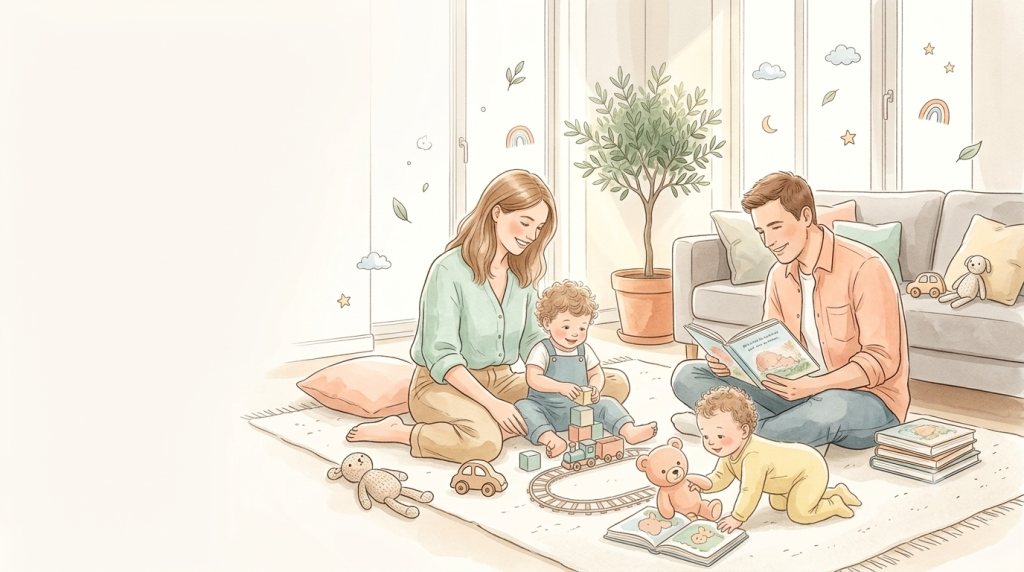
Frequently Asked Questions About Budget Friendly Baby Shopping

The best budget friendly baby shopping tips include creating a checklist, researching before buying, comparing prices, prioritising essentials, and avoiding unnecessary purchases.
New parents can save money by focusing on items they will use regularly and waiting before buying products they are unsure about.

The first baby items to buy should focus on daily essentials:
Clothing, Feeding supplies, Diaper supplies, Sleeping essentials, Bath products, Travel necessities
Start with items your baby will need immediately rather than buying everything at once.

You can save money by shopping during sales, comparing prices, buying second-hand items when appropriate, choosing multi-use products, and avoiding impulse purchases.
Planning ahead helps parents make smarter decisions and avoid wasting money on unused items.

Not always.
Some expensive products offer better quality or durability, but price does not always determine usefulness.
The best baby products are those that match your family’s needs, lifestyle, and budget.

Parents often find it worthwhile to invest in frequently used items such as:

  • Strollers
  • Car seats
  • Baby carriers
  • Sleep essentials
  • Feeding equipment

For items used every day, better quality may provide more comfort, safety, and long-term value.

To avoid unnecessary purchases:

  • Create a baby essentials checklist
  • Wait before buying trendy items
  • Read real parent reviews
  • Consider how often you will use the product
  • Buy based on your baby’s needs

Remember, fewer useful products are often better than many unused ones.

Shop Our Picks

Shopee Affiliate Storefront

Posted on Leave a comment

15 Newborn Baby Care Tips I Learned During the First Few Weeks

The first few weeks with a newborn baby are filled with so many emotions. There are moments of excitement, happiness, tiredness and even uncertainty as you learn how to care for this tiny little person who depends on you for everything.

As a new mum, I remember having many questions during those early days. Was my baby feeding enough? Why was my baby crying? How can I help my baby sleep better? Am I doing things the right way?

The truth is, caring for a newborn baby is a learning process. No parent knows everything from the beginning, and every baby has their own personality, needs and routine.

Through my own journey, I learned that newborn care is not about being perfect. It is about understanding your baby, creating a comfortable environment and building confidence one day at a time.

Here are 15 newborn baby care tips that helped me navigate those first few weeks and made the newborn stage feel a little easier.

Newborn Baby Care
Gentle, practical baby care tips on feeding, wake windows, sleep, and surviving early parenthood with confidence.Tap the link to read gentle, reassuring advice to help you find your rhythm during the early weeks! 🌿✨

1. Give Yourself Time to Adjust: One of the Most Important Newborn Baby Care Tips

The arrival of a newborn changes everything. Your daily routine, sleeping patterns and priorities suddenly revolve around your little one.

During the first few weeks, both parents and babies are adjusting. Your baby is learning about the world outside the womb, while you are learning how to respond to their needs.

It is completely normal if things do not feel organised immediately.

One of the most important newborn care tips for new parents is to be patient with yourself. It takes time to understand your baby’s cries, feeding patterns and sleeping habits.

Instead of trying to create a perfect routine straight away, focus on bonding with your baby and responding to their needs.

2. Prepare Practical Newborn Baby Essentials With These Newborn Baby Care Tips

Having the right newborn baby essentials ready can make daily care much easier, especially during those early weeks when parents are still recovering and adjusting.

Some useful newborn essentials include:

  • Newborn diapers
  • Comfortable baby clothes
  • Swaddles or blankets
  • Burp cloths
  • Baby wipes or cotton pads
  • Feeding supplies
  • Baby bath products
  • A safe sleeping space

From my experience, it is easy to get excited and buy too many baby items. However, newborns grow quickly, and many things may only be used for a short period.

Focus on practical items that make everyday newborn care easier.

3. Learn Your Newborn’s Hunger Cues

Understanding feeding patterns is one of the most important newborn baby care tips I learned during my first few weeks as a mum.

Feeding is one of the biggest parts of newborn care. Whether you choose breastfeeding, formula feeding or a combination of both, every family’s feeding journey is different.

One helpful newborn feeding tip is learning your baby’s early hunger cues.

Signs that your baby may be hungry include:

  • Moving hands towards the mouth
  • Making sucking movements
  • Turning their head from side to side
  • Becoming more alert or restless

Responding early can help make feeding sessions calmer because your baby is less likely to become overly upset.

For breastfeeding mums, remember that it may take time to establish a comfortable routine. Finding what works for you and your baby is part of the learning journey.

4. Create a Gentle Feeding Routine

During the first few weeks, newborns usually feed frequently because their stomachs are still small.

Rather than focusing on a strict schedule, it can be helpful to create a flexible routine based on your baby’s needs.

Some things that helped me include:

  • Preparing feeding essentials nearby
  • Keeping track of feeding patterns
  • Creating a comfortable feeding space
  • Taking time to rest after feeding

A flexible approach allows you to adjust as your baby grows and their needs change.

5. Understand That Newborn Sleep Is Different

Newborn sleep can be one of the biggest challenges for new parents.

Many parents hope their baby will sleep through the night quickly, but newborn sleep patterns are naturally different from adults. Babies wake frequently because they need feeding, comfort and reassurance.

Creating a gentle routine was another helpful newborn baby care tip that helped our family adjust during the early weeks. A gentle newborn sleep routine can include:

  • Keeping the environment calm before bedtime
  • Reducing stimulation at night
  • Creating a consistent bedtime pattern
  • Learning your baby’s sleepy cues

During the early weeks, the goal is not perfect sleep. The goal is helping your baby feel safe and comfortable.

6. Learn How to Soothe a Crying Baby

Crying is your newborn’s main way of communicating.

Your baby may cry because they are:

  • Hungry
  • Tired
  • Uncomfortable
  • Need a diaper change
  • Want comfort and closeness

At first, it can feel difficult to understand what your baby needs. Over time, you will become more familiar with their different signals.

Simple ways to comfort your newborn include:

  • Holding your baby close
  • Gentle rocking
  • Singing or talking softly
  • Skin-to-skin contact
  • Creating a calm environment

Sometimes, your baby simply needs reassurance that you are there.

7. Build a Simple Newborn Daily Routine

A newborn daily routine does not need to be complicated.

Small patterns can help both parents and babies feel more comfortable.

Simple routines may include:

  • Morning sunlight exposure
  • Regular feeding moments
  • Bath time before bedtime
  • Quiet evening activities

These routines help your baby slowly understand day and night while giving parents a sense of structure.

8. Keep Your Baby Comfortable and Clean

Basic hygiene is an important part of caring for a newborn baby.

Some daily care activities include:

  • Changing diapers regularly
  • Keeping skin folds clean and dry
  • Cleaning feeding equipment properly
  • Using gentle baby products

Newborn skin can be delicate, so choosing mild and suitable products can help reduce irritation.

9. Make Bonding a Priority

Among all the newborn baby care tips I discovered, focusing on bonding helped me enjoy the newborn stage instead of worrying about doing everything perfectly. Bonding does not only happen during feeding or bedtime. Everyday moments can become opportunities to connect with your baby.

Simple bonding activities include:

  • Talking to your baby
  • Making eye contact
  • Singing songs
  • Holding your baby close
  • Enjoying quiet cuddle time

These small interactions help build emotional connection between parents and babies.

10. Accept Help From Family Members

Many new parents feel like they need to handle everything themselves. However, accepting help can make the newborn stage much easier.

Support can come in simple ways:

  • Preparing meals
  • Helping with household tasks
  • Watching the baby while you rest
  • Offering emotional support

Taking care of yourself allows you to better care for your baby.

11. Take Care of Your Own Recovery

One of the most overlooked newborn baby care tips for new parents is remembering that parents need care too.

The newborn stage is not only about caring for your baby. It is also an important recovery period for mums.

Remember to:

  • Rest whenever possible
  • Eat nourishing meals
  • Stay hydrated
  • Take breaks when needed

A new mum’s wellbeing matters too. You deserve care and support during this transition.

12. Avoid Comparing Your Baby With Others

Every baby develops differently.

Some babies sleep longer, some feed more frequently, and some need more comfort than others.

It is easy to compare your baby’s journey with what you see online, but every family has a different experience.

The best baby care tips for first-time parents are to observe your baby, trust your instincts and focus on what works for your family.

13. Keep Newborn Care Simple

There are countless baby products, parenting advice and routines available online. While helpful, too much information can sometimes feel overwhelming.

During those first few weeks, focus on the basics:

  • Feeding your baby
  • Keeping your baby comfortable
  • Helping your baby sleep
  • Creating a loving environment

Simple care is often the most important care.

14. Enjoy the Small Moments

The newborn stage can feel exhausting, but it also passes quickly.

Take time to enjoy little moments like:

  • Your baby’s first smiles
  • Tiny fingers and toes
  • Quiet cuddles
  • Sleeping peacefully in your arms

These small memories are often the moments parents treasure most.

15. Trust Yourself as a Parent

Perhaps the biggest lesson I learned was to trust myself.

Parenting does not come with a perfect manual. Every parent learns through experience, patience and understanding.

You will have good days and challenging days, but each day you are learning more about your baby and yourself.

Frequently Asked Questions About Newborn Baby Care

The most important newborn baby care tips include understanding your baby’s feeding cues, creating a comfortable sleep environment, preparing essential baby items and giving yourself time to adjust.

Newborn babies usually need frequent feeding because their stomachs are small. Feeding patterns vary depending on each baby and whether they are breastfed, formula-fed or combination-fed.

A gentle newborn sleep routine can help by creating a calm environment, keeping bedtime consistent and recognising your baby’s sleepy cues.

Basic newborn baby essentials include diapers, comfortable clothing, feeding supplies, swaddles, burp cloths and a safe sleeping space. Focus on practical items you will use daily.

Yes, many new parents experience a mix of emotions during the newborn stage. Adjusting takes time, and asking for support can make the transition easier.

Shop Our Picks

Milestone Cards for Babies: https://s.shopee.com.my/9Uzsd5YOY4?share_channel_code=1

Written by SY
A mum sharing personal parenting experiences, discoveries, and everyday lessons.

Posted on Leave a comment

10 Baby Products Worth Buying: Items I Actually Used and Loved as a Parent

Becoming a parent comes with a long list of things you think you need.

From newborn essentials to the latest baby gadgets, it can feel overwhelming trying to decide which products are truly useful and which ones will end up unused in a corner.

During my parenting journey, I learned that the most expensive products are not always the most valuable. The best baby products worth buying are the ones that solve real everyday challenges, save time, and make life with a baby a little easier.

After trying different items, these are the baby products worth buying that genuinely helped me through the early stages of parenting – along with a few lessons on what I would do differently next time.

 baby products worth buying

Baby Products Worth Buying That Made My Parenting Journey Easier

Every family’s needs are different, but these are the items that I personally found useful and worth the investment.

1. Baby Carrier: A Hands-Free Helper for Everyday Life

One of the biggest surprises of early parenthood was how much babies love being held.

While cuddling your baby is wonderful, it can also make simple daily tasks challenging. A baby carrier became one of the most useful baby products worth buying because it allowed me to keep my baby close while still having my hands free.

Whether it was doing simple chores, going for walks, or calming a fussy baby, a comfortable carrier made everyday life much easier.

Why it was worth buying:

  • Allows hands-free movement
  • Supports bonding with your baby
  • Useful during outings

What to consider before buying:
Choose one that provides good support, is comfortable for both parent and baby, and suits your lifestyle.

2. Baby Monitor: Peace of Mind for Parents

A baby monitor became helpful when I needed to keep an eye on my baby while doing other things around the house.

Instead of constantly checking on my baby, the monitor gave me reassurance while allowing me to complete daily tasks. It was especially useful during nap times.

Why it was worth buying:

  • Useful as babies grow older
  • Provides peace of mind
  • Helps monitor sleep routines

3. Swaddle or Sleep Sack: Supporting Better Sleep

Sleep is one of the biggest challenges for new parents. While every baby has different sleep habits, a comfortable swaddle or sleep sack helped create a more consistent bedtime routine.

It provided a sense of comfort and helped my baby feel secure during sleep.

Why it was worth buying:

  • Creates a calming sleep environment
  • Easy to use daily
  • Available in different stages as babies grow

4. Feeding Essentials: Making Mealtimes Easier

Feeding can quickly become a big part of your daily routine, and having the right essentials made the process smoother.

Simple items such as quality bottles, bibs, and feeding tools helped reduce unnecessary stress during feeding times.

Why it was worth buying:

  • Helps keep feeding areas organized
  • Makes feeding routines more manageable
  • Saves time during busy days

5. Baby Steriliser: Saving Time in Daily Routines

For parents who regularly use bottles or feeding accessories, a steriliser can be one of the most practical baby products worth buying.

Instead of manually cleaning and sterilising items multiple times a day, having a dedicated solution simplified the process.

Why it was worth buying:

  • Convenient for daily use
  • Saves preparation time
  • Keeps feeding essentials organised

6. Diaper Changing Essentials: Small Things That Matter

Diaper changes happen many times a day, and having the right setup can make the process much easier.

A comfortable changing area, good-quality diapers, wipes, and storage solutions helped make this daily routine faster and more organised.

Why it was worth buying:

  • Helps parents stay organized
  • Used every day
  • Makes diaper changes smoother

7. Developmental Toys: Supporting Learning Through Play

Babies do not need countless toys, but a few well-chosen ones can support development and keep them engaged.

Simple toys that encourage reaching, grabbing, exploring, and problem-solving became more valuable than toys with too many features.

Why it was worth buying:

  • Grows with your baby
  • Encourages development through play
  • Supports curiosity

8. Baby Travel Essentials: Making Outings Easier

Leaving the house with a baby requires preparation.

Practical travel items such as a reliable diaper bag, portable changing essentials, and travel accessories became some of the most useful baby products worth buying.

Why it was worth buying:

  • Reduces stress outside home
  • Makes travelling more convenient
  • Keeps essentials organised

9. Baby Storage Organisers: Keeping Things Within Reach

Babies come with many small essentials, and organisation quickly becomes important.

Storage baskets and organisers helped keep frequently used items easy to find, especially during busy moments.

Why it was worth buying:

  • Reduces clutter
  • Saves time
  • Keeps baby essentials accessible

10. Practical Everyday Baby Essentials

Sometimes the simplest products become the most useful.

Everyday items that supported routines, comfort, and convenience often became things I relied on the most.

Why it was worth buying:

  • Makes routines smoother
  • Solves daily parenting challenges
  • Gets regular use

Baby Products I Bought But Didn’t Really Need

While some products became everyday essentials, others looked useful at first but did not make as much difference as I expected.

Too Many Newborn Clothes

It is tempting to buy lots of adorable newborn outfits, especially when preparing for your baby’s arrival. However, babies grow surprisingly quickly, and many newborn-sized clothes are only worn a handful of times before they become too small.

Looking back, I would have bought fewer outfits and focused more on comfortable, practical pieces that are easy to wash and suitable for everyday wear.

Expensive Baby Gadgets

Some baby gadgets promise to make parenting easier, but not all of them become part of your daily routine. While they may look convenient, some items ended up taking up space more than actually helping me.

Before buying a baby gadget, I learned to consider whether it solves a real parenting challenge or if it is simply something that looks useful online.

Too Many Feeding Accessories

Before starting my baby’s feeding journey, I thought I needed every feeding accessory available. However, I quickly realised that some items were rarely used because every baby has different preferences.

Instead of buying everything upfront, I found it better to start with the basics and add items only when a real need came up.

Toys for Every Stage

Baby toys can be exciting to buy, especially when they are designed for different developmental stages. However, babies often enjoy simple everyday objects just as much as specialised toys.

I learned that having fewer, carefully chosen toys helped reduce clutter while still giving my baby opportunities to explore and learn.

Products Bought Because Everyone Recommended Them

One of the biggest lessons I learned is that popular does not always mean necessary.

A product that works perfectly for one family may not suit another.

The best baby products worth buying are the ones that solve your family’s specific needs.

How to Choose Baby Products That Are Worth Buying

Before purchasing baby items, consider:

1. Does It Solve a Real Problem?

The best products make daily parenting easier.

2. Will I Use It Regularly?

Products used every day often provide better value.

3. Can It Grow With My Baby?

Items that work across different stages usually offer better long-term value.

4. Does It Suit My Lifestyle?

Every family is different, so choose products based on your own routines.

Final Thoughts

Preparing for a baby can feel overwhelming, especially with so many products claiming to be “must-haves”. However, the best purchases are not always the most expensive ones.

The baby products worth buying are the ones that genuinely make your parenting journey easier, save time, and support your family’s daily routines.

At the end of the day, babies need love, care, and connection most of all. The right products simply help make the journey a little smoother.

Written by SY
A mum sharing personal parenting experiences, discoveries, and everyday lessons.

Frequently Asked Questions

The most useful baby products are usually items that support daily routines, such as baby carriers, feeding essentials, sleep products, diaper changing supplies, and practical travel items.

Before your baby arrives, focus on essential items such as diapers, feeding supplies, sleeping essentials, basic clothing, and products that support daily care.

Not necessarily. The best baby products are those that solve real problems and fit your family’s lifestyle. A more affordable product that you use every day may provide more value than an expensive gadget.

Products that are rarely used, overly specialised, or purchased only because they are trendy may not provide good value. It is often better to buy essentials first and add items when needed.

Consider your baby’s age, your daily routines, available space, and whether the product solves a specific challenge you currently have.

Shop Our Picks

Shopee Affiliate Storefront