Posted on Leave a comment

15 Smart Budget Friendly Baby Shopping Tips Every Parent Should Know

Preparing for a baby is exciting.

The tiny clothes.

The adorable toys.

The cute nursery items.

The endless baby products that promise to make parenting easier.

But before you know it, your shopping cart can become overwhelming.

Many new parents quickly realise one thing:

Babies need fewer things than we think – but choosing the right things matters.

From newborn essentials to everyday baby items, it is easy to spend more than necessary when you are surrounded by beautiful products designed to catch your attention.

The challenge is not buying everything.

The challenge is knowing what is truly worth buying.

Smart baby shopping is about finding a balance between:

  • Buying what your baby actually needs
  • Choosing quality products
  • Avoiding unnecessary purchases
  • Making thoughtful decisions for your budget

Whether you are preparing for your first baby or looking to save money with your next child, these budget friendly baby shopping tips will help you shop smarter without compromising your baby’s comfort and safety.

1. Create a Baby Shopping Checklist Before Buying Anything

One of the biggest mistakes new parents make is shopping without a plan.

Baby stores and online marketplaces are filled with attractive products.

It is easy to think:

“Maybe I need this.”

“Maybe my baby will use this.”

“What if I don’t buy it now?”

Before purchasing, create a clear baby essentials checklist.

Separate items into categories:

Must-Have Essentials

Items you need immediately:

  • Diapers
  • Baby clothes
  • Feeding supplies
  • Bath essentials
  • Sleeping essentials

Nice-to-Have Items

Things that may be useful but are not urgent:

  • Extra toys
  • Special gadgets
  • Decorative items
  • Additional accessories

A checklist helps you focus on what matters and prevents emotional purchases.

Remember:

A prepared parent is not the one who buys the most.

It is the one who buys wisely.

Baby shopping tip: Wait before buying items that you are unsure about. You may discover you do not actually need them.

2. Research Before You Buy

Baby products can vary greatly in quality, price, and usefulness.

Before purchasing, take time to research.

Look at:

  • Product reviews
  • Parent experiences
  • Safety information
  • Long-term usefulness
  • Alternative options

Sometimes a cheaper product performs just as well as a more expensive one.

Other times, investing in a quality item can save money because it lasts longer.

The goal is not always buying the cheapest option.

The goal is getting the best value.

For example:

A stroller used every day may be worth investing in.

A newborn outfit worn only once may not be.

Think about how often your baby will use the item and whether it provides real value.

Baby shopping tip: Compare products based on usefulness, not just appearance.

3. Avoid Buying Too Many Newborn Clothes

Baby clothes are one of the easiest things to overspend on.

Tiny outfits are adorable.

But babies grow incredibly quickly.

Many newborn clothes are only worn for a few weeks – or sometimes never.

Before buying too many outfits, consider:

  • How quickly babies grow
  • Seasonal changes
  • Comfort over style
  • How often you can wash clothes

Focus on practical clothing:

  • Soft onesies
  • Comfortable pajamas
  • Easy-to-change outfits
  • Weather-appropriate clothing

You can always buy more later once you understand your baby’s needs.

Many parents eventually realise their baby had more clothes than they could wear.

Baby shopping tip: Buy fewer newborn sizes and more practical everyday pieces.

4. Buy Second-Hand for Certain Baby Items

Buying second-hand can be a great way to save money on baby products.

Babies use many items for a short period, which means some second-hand products are still in excellent condition.

Good items to consider buying second-hand:

  • Baby clothes
  • Maternity clothes
  • Books
  • Toys
  • Baby carriers
  • Some nursery furniture

However, always check safety before buying used items.

Avoid second-hand products where safety may be compromised, especially items with expiration dates or structural concerns.

Examples:

  • Damaged car seats
  • Unsafe sleep products
  • Broken equipment

Smart shopping means knowing where to save and where to invest.

Baby shopping tip: Second-hand does not mean lower quality. It can be a practical and sustainable choice.

5. Prioritise Multi-Use Baby Products

One of the best ways to save money is choosing products that can be used in multiple ways.

Multi-purpose items reduce the number of things you need to buy.

Examples:

  • Convertible stroller systems
  • Adjustable baby carriers
  • Growing-with-child furniture
  • Multi-stage feeding products

Instead of buying separate products for every stage, look for items that can adapt as your baby grows.

This saves:

  • Money
  • Storage space
  • Time spent shopping

Before purchasing, ask:

“Can my baby use this for more than one stage?”

If yes, it may provide better value.

Baby shopping tip: Choose versatile products that grow with your child.

6. Wait Before Buying Baby Gadgets

Baby gadgets can be tempting.

From smart monitors to specialised tools, many products promise to make parenting easier.

Some are genuinely helpful.

But many are items parents buy because they look useful – not because they actually need them.

Before purchasing a baby gadget, ask yourself:

  • Will I use this every day?
  • Does this solve a real problem?
  • Can I achieve the same result with something I already have?
  • Will my baby use it for a long time?

Many parents discover that some of their most expensive purchases end up sitting unused.

Instead of buying everything before your baby arrives, consider waiting until you understand your family’s actual needs.

Every baby is different.

A product that works perfectly for one family may not be useful for another.

Baby shopping tip: Buy based on your baby’s needs, not marketing promises.

7. Take Advantage of Sales and Shopping Events

Timing your purchases can make a big difference when buying baby essentials.

Baby products often go on sale during:

  • Major online shopping events
  • Seasonal promotions
  • Brand campaigns
  • Clearance sales

If you know what you need ahead of time, you can plan your purchases instead of buying everything at full price.

Create a shopping list and monitor prices for bigger items such as:

  • Strollers
  • Car seats
  • Baby carriers
  • High chairs
  • Nursery furniture

However, avoid buying something just because it is discounted.

A 50% discount on something you do not need is still money spent.

The goal is smart shopping, not simply buying more.

Baby shopping tip: Save your shopping list and wait for the right deal instead of rushing.

8. Compare Prices Before Making a Purchase

Baby products can have significant price differences across different stores and platforms.

Before buying, compare:

  • Product prices
  • Shipping fees
  • Warranty coverage
  • Reviews
  • Bundle deals

Sometimes the same product may be available at different prices depending on where you shop.

Online marketplaces also make it easier to check parent reviews and real-life experiences.

However, do not choose based only on the lowest price.

Consider the overall value.

A slightly more expensive product with better durability may save you money in the long run.

Baby shopping tip: Spend a few extra minutes comparing before spending your money.

9. Focus on Quality for Everyday Essentials

Being budget-friendly does not mean always buying the cheapest option.

Some baby products are used every single day, making quality an important factor.

Consider investing more in items such as:

  • Baby mattress
  • Stroller
  • Car seat
  • Baby carrier
  • Feeding equipment

These products often affect your baby’s comfort, safety, and your daily routine.

On the other hand, some items do not need a large investment.

For example:

  • Seasonal clothing
  • Decorative nursery items
  • Trendy toys

A smart parent knows where to spend and where to save.

Think about:

“Will this product make everyday life easier?”

If the answer is yes, it may be worth investing in.

Baby shopping tip: Buy quality for items you use often. Save on items your baby quickly outgrows.

10. Read Reviews From Real Parents

Product descriptions are designed to highlight the best features.

But real parent reviews often reveal the information you actually need.

Before buying, look for reviews that mention:

  • How long they used the product
  • Whether their baby liked it
  • Whether it was easy to clean
  • Whether it was worth the money
  • Problems they experienced

Pay attention to reviews from parents with similar situations.

For example:

A stroller that works well for a family living in a landed house may not be ideal for someone living in an apartment.

A feeding product that works for one baby may not work for another.

Real experiences can help you make better decisions.

Baby shopping tip: Look beyond star ratings. Read why parents recommend or dislike a product.

11. Avoid Buying Everything Before Your Baby Arrives

Preparing for a baby can make you feel like you need to have everything ready before the birth.

While it is good to prepare, buying too much too early can lead to unnecessary spending.

Babies have different preferences.

You may buy:

  • Multiple bottle brands
  • Different types of pacifiers
  • Various baby products

Only to discover your baby prefers something completely different.

Start with the basics.

After your baby arrives, you will understand their needs better.

For example:

Your baby may prefer a certain bottle shape.

Your baby may sleep better with a specific routine.

Your baby may not use certain products at all.

A flexible approach helps you avoid wasted purchases.

Baby shopping tip: Prepare the essentials first. Buy additional items when you know you need them.

12. Borrow or Rent Items Used for a Short Time

Some baby products are useful but only for a short period.

Instead of buying everything, consider borrowing or renting.

Examples:

  • Newborn clothing bundles
  • Baby carriers
  • Baby equipment
  • Specialised newborn items

This can be especially helpful because babies grow and change quickly.

An item that is useful for three months may not be worth buying at full price.

Borrowing from trusted friends or family can also reduce waste and save money.

It is also a more sustainable approach to baby shopping.

Baby shopping tip: For short-term needs, borrowing can be a smarter choice than buying.

13. Buy Based on Your Lifestyle, Not What Everyone Else Has

One of the easiest ways to overspend on baby products is buying things because other parents have them.

You see a popular baby item online.

You see another mum recommending it.

You see influencers sharing how useful it is.

And suddenly, you feel like you need it too.

But every family’s lifestyle is different.

A product that is perfect for one parent may not be suitable for another.

Before buying, consider:

  • Your home space
  • Your daily routine
  • Your baby’s needs
  • Your budget
  • How often you will use the item

For example:

A large stroller may be useful for a family who enjoys outdoor walks.

A lightweight stroller may be better for parents who travel often.

A bottle warmer may be convenient for some families but unnecessary for others.

The best baby products are not always the most popular ones.

They are the ones that fit your family’s lifestyle.

Baby shopping tip: Buy what works for your family, not what looks good online.

14. Make Use of Baby Product Lists and Recommendations

New parents often feel overwhelmed by the number of baby products available.

There are thousands of choices:

  • Different bottle brands
  • Various baby skincare products
  • Multiple stroller options
  • Endless nursery items

Instead of researching everything from scratch, use trusted recommendations from experienced parents.

Product lists can help you:

  • Understand what essentials you actually need
  • Discover useful products
  • Avoid common buying mistakes
  • Save time researching

However, remember that recommendations are a starting point—not a rule.

Every baby is different.

A product that becomes a favourite for one family may not work for another.

The best approach is to combine:

  • Research
  • Reviews
  • Personal needs
  • Your own parenting experience

Baby shopping tip: Use recommendations to guide your choices, but always consider your own situation.

15. Create a Baby Budget Before Shopping

One of the most effective budget friendly baby shopping tips is setting a spending limit before you start buying.

Without a budget, small purchases can quickly add up.

A RM30 item here.

A RM50 item there.

A few cute extras later.

Before you know it, you have spent hundreds more than planned.

Create a simple baby budget by dividing expenses into categories:

One-Time Purchases

Examples:

  • Stroller
  • Baby cot
  • Car seat
  • Baby carrier

Monthly Essentials

Examples:

  • Diapers
  • Wipes
  • Baby skincare
  • Formula (if needed)

Optional Items

Examples:

  • Toys
  • Decorations
  • Extra accessories

Having a budget helps you prioritise what truly matters.

Remember:

Preparing for a baby is not about buying the most things.

It is about creating a safe, comfortable, and loving environment for your child.

Baby shopping tip: A thoughtful budget gives you confidence and reduces unnecessary spending.

Baby Shopping Checklist: What You Actually Need

Before purchasing, consider these essential categories:

Feeding Essentials

☐ Bottles
☐ Bibs
☐ Burp cloths
☐ Breastfeeding supplies (if needed)
☐ Feeding accessories

Baby Clothing

☐ Newborn outfits
☐ Onesies
☐ Sleepwear
☐ Socks
☐ Weather-appropriate clothing

Bath & Care

☐ Baby wash
☐ Baby towels
☐ Nail clippers
☐ Baby skincare products
☐ Diaper essentials

Sleep Essentials

☐ Baby cot or sleeping space
☐ Mattress
☐ Swaddles or sleepwear
☐ Bedding essentials

Travel Essentials

☐ Stroller
☐ Baby carrier
☐ Car seat
☐ Diaper bag

Remember, you do not need to buy everything immediately.

Start with what your baby needs now and add more as your parenting journey grows.

Final Thoughts: Shop Smarter, Not More

Baby shopping is exciting.

It is easy to get carried away by cute clothes, new gadgets, and products that promise to make parenting easier.

But the truth is:

Your baby does not need everything.

Your baby needs love, care, safety, and a parent who is confident in making thoughtful choices.

The best budget friendly baby shopping tips are not about spending less at all costs.

They are about spending intentionally.

Buy products that support your daily life.

Choose quality where it matters.

Avoid purchases based only on trends.

And remember that the most valuable things your child receives cannot be bought.

Your time.

Your attention.

Your love.

A well-prepared parent is not the one with the biggest baby shopping list.

It is the one who understands what truly matters.

Written by SY
A mum sharing personal parenting experiences, discoveries, and everyday lessons.
Frequently Asked Questions About Budget Friendly Baby Shopping

The best budget friendly baby shopping tips include creating a checklist, researching before buying, comparing prices, prioritising essentials, and avoiding unnecessary purchases.
New parents can save money by focusing on items they will use regularly and waiting before buying products they are unsure about.

The first baby items to buy should focus on daily essentials:
Clothing, Feeding supplies, Diaper supplies, Sleeping essentials, Bath products, Travel necessities
Start with items your baby will need immediately rather than buying everything at once.

You can save money by shopping during sales, comparing prices, buying second-hand items when appropriate, choosing multi-use products, and avoiding impulse purchases.
Planning ahead helps parents make smarter decisions and avoid wasting money on unused items.

Not always.
Some expensive products offer better quality or durability, but price does not always determine usefulness.
The best baby products are those that match your family’s needs, lifestyle, and budget.

Parents often find it worthwhile to invest in frequently used items such as:

  • Strollers
  • Car seats
  • Baby carriers
  • Sleep essentials
  • Feeding equipment

For items used every day, better quality may provide more comfort, safety, and long-term value.

To avoid unnecessary purchases:

  • Create a baby essentials checklist
  • Wait before buying trendy items
  • Read real parent reviews
  • Consider how often you will use the product
  • Buy based on your baby’s needs

Remember, fewer useful products are often better than many unused ones.

Shop Our Picks

Shopee Affiliate Storefront

Posted on Leave a comment

Motherhood Is Hard, But It’s Also Beautiful: 10 Parenting Lessons From a Real Mum

Motherhood is something many women dream about.

We imagine tiny hands holding ours, sweet baby smiles, bedtime cuddles, and watching our children grow into amazing little people.

But nobody tells you how challenging it can be.

Motherhood can be exhausting.

It can mean sleepless nights, endless worries, messy homes, forgotten meals, and moments when you wonder if you’re doing enough.

There are days when you feel completely overwhelmed.

Days when you miss the person you were before becoming a mum.

But then your child laughs.

They reach for your hand.

They give you an unexpected hug.

And suddenly, you remember why every difficult moment is worth it.

The truth is, motherhood is hard, but it’s also incredibly beautiful.

Through this journey, my child has taught me some of the most meaningful parenting lessons I have ever learned.

These lessons didn’t come from books or advice from experts.

They came from everyday moments—from the challenges, the mistakes, the laughter, and the unconditional love between a mother and her child.

Here are 10 parenting lessons that motherhood has taught me.

1. You Don’t Have to Be a Perfect Mum

Before becoming a mother, I thought being a good mum meant doing everything right.

I wanted to prepare the perfect meals.

Create the perfect routine.

Choose the best products.

Never lose patience.

But motherhood quickly showed me that perfection is impossible.

Some days, I will have everything planned.

Other days, dinner will be simple, the house will be messy, and I will simply be trying my best to get through the day.

And that’s okay.

Children don’t need perfect mothers.

They need mothers who are present.

They need someone who listens, comforts them, celebrates their achievements, and loves them unconditionally.

One of the biggest parenting lessons I’ve learned is that being a good mum isn’t about doing everything perfectly.

It’s about showing up with love every day.

Parenting lesson: A loving mum is more important than a perfect mum.

2. Patience Is Built Through Everyday Challenges

Motherhood teaches patience in ways you never expect.

The same question asked twenty times.

A toddler refusing to eat dinner.

A child having a meltdown over something that seems small to adults.

There are moments when patience feels impossible.

But I’ve learned that my child’s behaviour is often communication.

A tantrum may mean they are tired.

A refusal may mean they need independence.

A difficult moment may simply mean they need comfort.

Instead of reacting immediately, I’ve learned to pause and understand.

This hasn’t always been easy.

I’m still learning.

But every challenging moment gives me another opportunity to become a calmer and more patient mum.

Parenting lesson: Patience is not something you have—it’s something you practise.

3. The Small Moments Become the Biggest Memories

Before becoming a mum, I thought the important memories would be big milestones.

The first birthday.

The first holiday.

The first day of school.

But motherhood taught me that the smallest moments are often the most precious.

The morning hugs before leaving the house.

The funny words only your child says.

The bedtime stories you have read a hundred times.

The little hand reaching for yours while walking.

These moments may seem ordinary today.

But one day, they will become the memories we miss the most.

Children grow faster than we realise.

The baby who once needed to be carried everywhere will eventually walk independently.

The toddler who constantly calls for “Mummy” will one day have their own world.

Parenting lesson: Don’t rush through the little moments—they are the ones you’ll treasure forever.

4. It’s Okay to Ask for Help

Many mums feel pressure to handle everything themselves.

We try to be strong.

We try to manage work, childcare, household responsibilities, and everyone’s needs.

But motherhood is not meant to be done alone.

I’ve learned that asking for help doesn’t mean I’m failing.

It means I understand my own limits.

Sometimes support looks like asking family to help.

Sometimes it means talking to another mum who understands.

Sometimes it means taking a small break to recharge.

A happier mum creates a happier home.

Taking care of yourself is also part of taking care of your child.

Parenting lesson: Strong mums know when they need support.

5. Every Child Has Their Own Journey

One of the hardest things about parenting today is avoiding comparison.

Social media shows us children reaching milestones at different ages.

One child speaks earlier.

Another walks sooner.

Someone else’s child seems to eat everything.

It can make us question ourselves.

But motherhood taught me that every child develops differently.

Your child’s journey does not need to look like anyone else’s.

The important thing is not how fast they grow.

It’s that they grow in a loving and supportive environment.

Parenting lesson: Trust your child’s journey and celebrate their unique progress.

6. Your Child Teaches You to Slow Down

Before becoming a mum, life often felt like a race.

There was always something to finish.

A deadline to meet.

A task waiting to be completed.

I was always thinking about the next thing instead of enjoying the moment I was already in.

Then my child came along and changed my perspective.

Children don’t rush through life.

They can spend ten minutes watching a tiny insect walk across the floor.

They can find endless joy in bubbles, leaves, songs, and simple games.

They remind us that the world is still full of wonder if we take the time to notice it.

Motherhood taught me that not every moment needs to be productive.

Sometimes, the most valuable thing I can do is simply sit beside my child and be present.

Reading the same story again.

Listening to their little stories.

Watching them explore something new.

These moments may seem small, but they are the moments that build connection.

One of the most meaningful parenting lessons I’ve learned is that childhood moves quickly.

The toys will eventually be packed away.

The little voice calling “Mummy” will change.

The tiny hands holding mine will grow.

So I remind myself to slow down and enjoy the season I’m in.

Parenting lesson: The best moments are often found when we stop rushing.

7. Motherhood Changes Who You Are

Becoming a mum doesn’t just change your daily routine.

It changes you as a person.

Before motherhood, I knew myself as an individual with my own goals, habits, and dreams.

Then suddenly, another little person depended on me for everything.

At first, the adjustment was difficult.

I had to learn a new identity.

I had to balance being a mother while still remembering who I was.

Motherhood taught me that becoming a mum doesn’t mean losing yourself.

It means discovering a stronger version of yourself.

A more patient version.

A more compassionate version.

A version that can handle things you never thought possible.

There were moments when I doubted myself.

Moments when I wondered if I was doing enough.

But looking back, I realised how much I had grown.

The sleepless nights made me stronger.

The difficult days made me more resilient.

The love I felt showed me a depth of emotion I never knew existed.

These are the unexpected gifts of motherhood.

The challenges shape us.

The love transforms us.

Parenting lesson: Motherhood doesn’t erase who you are—it helps you become someone even stronger.

8. Love Is Found in Everyday Moments

Before having a child, I thought love was shown through big gestures.

Special celebrations.

Memorable experiences.

Important milestones.

But motherhood taught me that love is usually found in the ordinary moments.

It’s preparing their favourite meal even when you’re tired.

It’s comforting them after a difficult day.

It’s sitting beside them when they want your attention.

It’s listening to a story that doesn’t quite make sense but matters so much to them.

It’s remembering their favourite song.

It’s knowing the little things that make them smile.

Children don’t measure love through expensive gifts.

They feel love through connection.

Through your presence.

Through knowing they are safe and valued.

One of the most beautiful parenting lessons is realising that the everyday things we sometimes overlook are actually the things our children remember most.

The bedtime cuddles.

The morning greetings.

The silly jokes.

The moments when we put everything aside just to be with them.

These small acts of love become the foundation of a child’s confidence and happiness.

Parenting lesson: Love is not only found in special occasions—it is built through everyday moments.

9. The Hard Days Are Temporary

Motherhood has beautiful moments, but it also has difficult ones.

There are nights when sleep feels impossible.

Days when nothing seems to go according to plan.

Moments when you feel exhausted and wonder when things will get easier.

During those challenging seasons, it can feel like the struggle will never end.

But motherhood has taught me that every stage is temporary.

The newborn phase changes.

The sleepless nights eventually become fewer.

The tantrums become conversations.

The baby who needs you for everything slowly becomes more independent.

The difficult moments don’t last forever.

Sometimes, we are so focused on surviving a challenging phase that we forget to notice how quickly our children are changing.

One day, we may actually miss the moments we once found difficult.

The midnight cuddles.

The little footsteps coming into our room.

The constant requests for “Mummy, look!”

This doesn’t mean every difficult moment is easy.

It simply means we can remind ourselves that this season will pass.

Parenting lesson: When motherhood feels overwhelming, remember that every phase is temporary.

10. Enjoy This Season Because It Won’t Last Forever

Perhaps the most emotional parenting lesson motherhood has taught me is that time moves faster than we expect.

When you’re in the middle of a difficult day, it can feel like time is standing still.

The endless cleaning.

The repeated questions.

The same bedtime routine every night.

But then you look back and realise how much has already changed.

The newborn clothes no longer fit.

The first steps became running.

The first words became full conversations.

The little baby who needed you for everything is slowly becoming their own person.

That’s why I try to capture the moments.

Not just the big celebrations.

But the ordinary days too.

The messy hair after waking up.

The funny expressions.

The little habits that make my child unique.

Because one day, these moments will only exist in memories.

Motherhood is exhausting.

It is challenging.

It can push you beyond what you thought you could handle.

But it is also one of the most beautiful journeys in life.

The cuddles.

The laughter.

The unconditional love.

The privilege of watching a little person grow.

These are the moments that make everything worthwhile.

Parenting lesson: Don’t wish away the difficult days – you may miss this season someday.

Final Thoughts: Motherhood Is Hard, But Beautiful

Motherhood is a journey filled with unexpected moments.

There are days when you feel confident and proud.

There are also days when you question whether you are doing enough.

But through every high and low, my child has taught me some of the most valuable parenting lessons I will ever learn.

I learned that being a good mum isn’t about being perfect.

It’s about showing up.

It’s about offering love even on the difficult days.

It’s about learning from mistakes and trying again.

It’s about being present for the little moments that will eventually become precious memories.

The truth is, motherhood can be both challenging and beautiful at the same time.

You can feel tired and grateful.

Overwhelmed and happy.

Lost and deeply fulfilled.

These feelings can exist together.

And that’s what makes motherhood such a unique journey.

The hardest days often teach us the greatest lessons.

The smallest moments often create the biggest memories.

And the love we receive from our children reminds us why every sacrifice is worth it.

If you’re a mum reading this and wondering whether you’re doing enough, remember:

Your child doesn’t need a perfect mother.

They need a loving mother who is there, who cares, and who continues trying every day.

You are learning.

You are growing.

You are doing better than you think.

Written by SY
A mum sharing personal parenting experiences, discoveries, and everyday lessons.

Frequently Asked Questions About Parenting Lessons

The most important parenting lessons are not about being a perfect parent. They are about learning patience, practising empathy, being present, and understanding that every child develops differently.


Many mums discover that the biggest lessons come from everyday experiences – learning to slow down, embracing mistakes, and creating a strong emotional connection with their child.

Motherhood can be challenging because it requires constant care, emotional energy, and adjustments to a completely new lifestyle. Sleepless nights, daily responsibilities, and worries about making the right decisions are common experiences for many mums.


However, motherhood is also incredibly rewarding. The hugs, laughter, milestones, and special moments create memories that make the difficult days worthwhile.
One of the greatest parenting lessons is learning that the challenges and beautiful moments can exist together.

Becoming a mother often changes the way you see yourself and the world.

Many mums discover new levels of patience, strength, resilience, and unconditional love after having a child. Motherhood teaches you to slow down, appreciate small moments, and focus on what truly matters.
These personal changes are often some of the most meaningful lessons from motherhood.

Children teach parents some of life’s most valuable lessons.

They remind us to slow down, stay curious, enjoy simple moments, forgive quickly, and appreciate the present.

Many mums discover that their children are not only learning from them – they are also learning from their children every day.

These unexpected parenting lessons are often the ones that stay with us forever.

Yes, it is completely normal.

Motherhood can be physically and emotionally demanding, and many mums experience moments of exhaustion, frustration, or self-doubt.

Finding motherhood difficult does not mean you are failing. It simply means you are human and navigating a major life change.

One of the most important parenting lessons is learning to give yourself the same kindness and patience that you give your child.

Parenting lessons are important for new parents because they help build confidence, patience, and a deeper understanding of their child’s needs. The early years of parenting come with many uncertainties, and learning from daily experiences helps parents make better decisions, strengthen their bond with their child, and enjoy the journey with less pressure.

The biggest parenting lessons learned from raising a child are that patience matters more than perfection, small moments create lasting memories, and every child has their own unique journey. Many parents also learn the importance of self-care, flexibility, and being emotionally present while watching their child grow.

Shop Our Picks

Shopee Affiliate Storefront

Posted on Leave a comment

5 Simple Self-Care Habits Every Mum Needs

Motherhood is one of the most rewarding journeys, but it can also be physically and emotionally demanding. Between feeding schedules, household responsibilities, work, and caring for little ones, many mums naturally put their own needs at the bottom of the list.

Over time, I realised that simple self-care habits every mum needs is not about being selfish or taking time away from family. It is about recognising that when we take care of ourselves, we are also better able to care for the people we love.

Self-care does not always need to involve big changes or hours of free time. Sometimes, the smallest habits can help mums feel more balanced, refreshed, and connected with who they are beyond being a parent. Here are five simple self-care habits that helped me feel more like myself again as a mum..

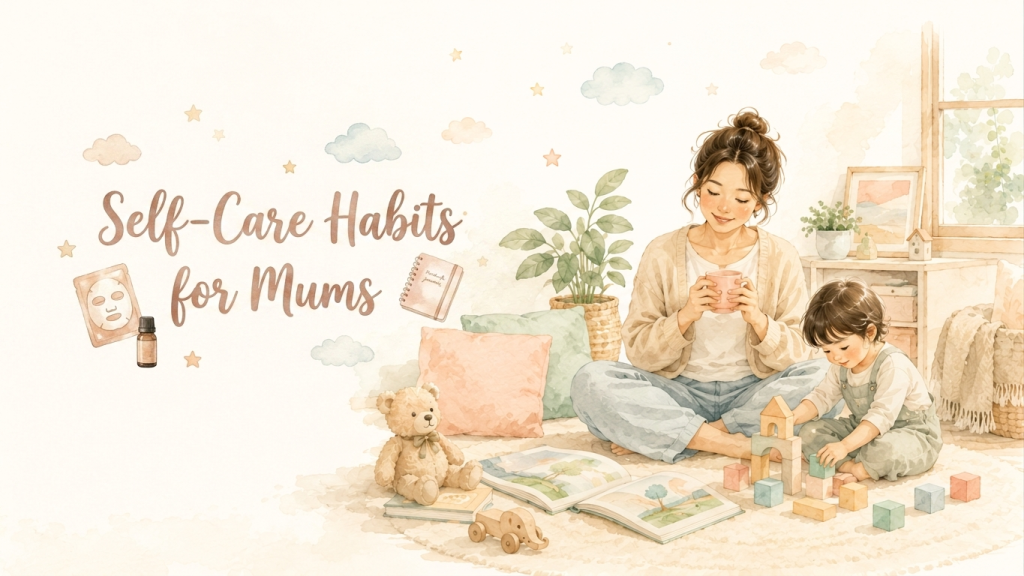
Self-Care Habits

Simple Self-Care Habits Every Mum Needs to Feel Like Herself Again

Self-care habits looks different for every mum. The goal is not perfection, but finding small moments that help you recharge.

1. Taking Small Breaks Without Feeling Guilty

One of the biggest lessons I learned was that rest is not something I need to earn.

As mums, it is easy to feel guilty when taking time for ourselves. We may think we should always be doing something productive – cleaning, preparing meals, or caring for others.

However, even short breaks can make a difference.

A few quiet minutes with a cup of coffee, a short walk, or simply sitting alone can help reset your mind.

Why it matters:

  • Reduces stress
  • Creates mental space
  • Helps you return with more energy

2. Prioritizing Rest Whenever Possible

Sleep can be challenging during early motherhood, especially when caring for young children.

While getting a full night’s rest may not always be realistic, prioritising rest in small ways can help.

This may include:

  • Going to bed earlier when possible
  • Resting when your child naps
  • Sharing responsibilities with your partner or family
  • Avoiding unnecessary pressure to do everything

Rest is not a luxury. It is an important part of caring for yourself.

Why it matters:

  • Improves mood
  • Supports emotional wellbeing
  • Helps with daily energy

3. Making Time for Things That Are Just for Me

Motherhood can sometimes make us lose touch with the things we enjoyed before becoming parents.

Taking time for personal interests helped me reconnect with myself.

It could be something simple:

  • Reading a book
  • Listening to music
  • Cooking something I enjoy
  • Watching a favourite show
  • Learning something new

These moments remind us that we are not only parents — we are individuals with our own interests and identities.

Why it matters:

  • Builds confidence
  • Improves happiness
  • Creates a sense of balance

4. Taking Care of My Body

After becoming a mum, physical health can easily become less of a priority.

Self-care does not mean following a strict routine. It can simply mean showing your body some care.

Small habits include:

  • Staying hydrated
  • Eating nourishing meals
  • Moving your body regularly
  • Taking time for personal grooming

These simple actions can help you feel more confident and energised.

Why it matters:

  • Improves physical wellbeing
  • Boosts confidence

Supports overall health

5. Staying Connected With Other People

Parenting can sometimes feel isolating, especially when daily routines become centred around your child.

Maintaining connections with others helped me feel supported and understood.

This could be:

  • Meeting friends
  • Talking to other mums
  • Spending time with family
  • Joining parenting communities

Sometimes, simply knowing that others understand your experience can make a big difference.

Why it matters:

  • Reduces feelings of isolation
  • Provides emotional support
  • Creates a sense of belonging

Why Self-Care Habits Every Mum Needs Matter

Many mums feel that putting themselves first means neglecting their family.

However, self-care habits is about creating a healthier balance.

When mums feel supported and recharged, they are often better able to:

  • Be more patient
  • Enjoy parenting moments
  • Manage daily challenges
  • Show up emotionally for their family

Taking care of yourself is part of taking care of your family.

How to Start a Simple Self-Care Habits as a Busy Mum

Starting small is often the easiest approach.

Begin With 5 Minutes

Self-care habits does not need to take hours. Start with small moments that are realistic.

Let Go of the Idea of Perfect Balance

Some days will be easier than others. The goal is not to do everything perfectly, but to find habits that support you.

Ask for Help When You Need It

Many mums feel they need to handle everything themselves, but accepting support is an important part of caring for yourself.

Final Thoughts

Motherhood changes many parts of our lives, but it does not mean we have to lose ourselves in the process.

The small moments we create for ourselves – a quiet cup of coffee, time spent on hobbies, or simply resting without guilt – can help us feel more balanced and confident.

Self-care habits for mums does not need to be complicated. It starts with recognising that you matter too.

Because a happy, supported mum is also an important part of a happy family.

Written by SY
A mum sharing personal parenting experiences, discoveries, and everyday lessons.

Frequently Asked Questions About Self-Care Habits for Mums

Self-care habits help mothers manage stress, maintain emotional wellbeing, and continue caring for their families with more energy.

Busy mums can start with small habits such as taking short breaks, prioritising rest, maintaining hobbies, and asking for support.

NO. Taking care of your own wellbeing allows you to be more present and emotionally available for your family.

By default, this panel is concealed and appears when the user clicks on the section title. Input relevant information about its title using paragraphs or bullet points. Accordions can enhance the user experience when utilized effectively. They allow users to choose what they want to read and disregard the rest. Accordions are often utilized for frequently asked questions (FAQs).

Shop Our Picks

Shopee Affiliate Storefront