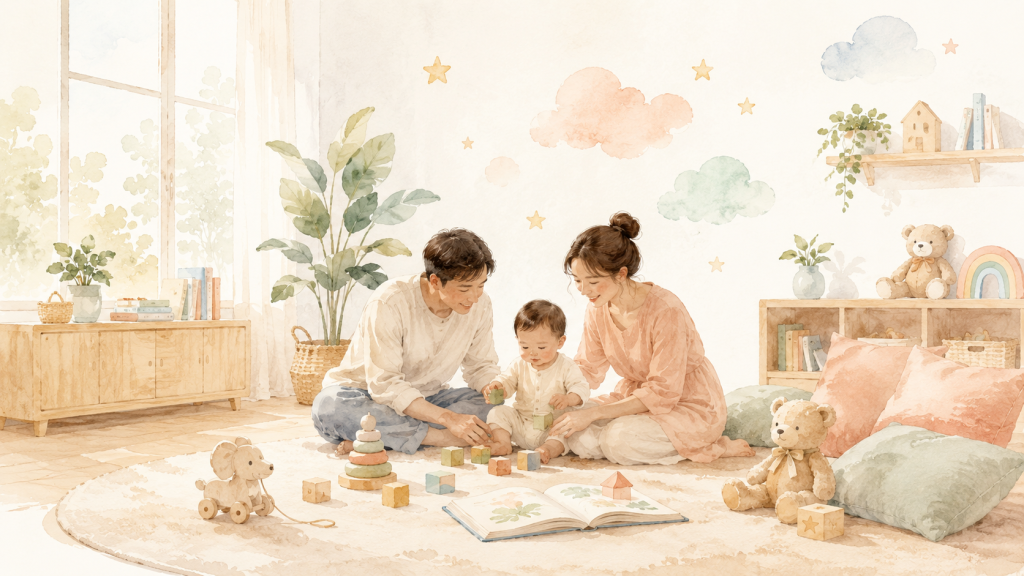
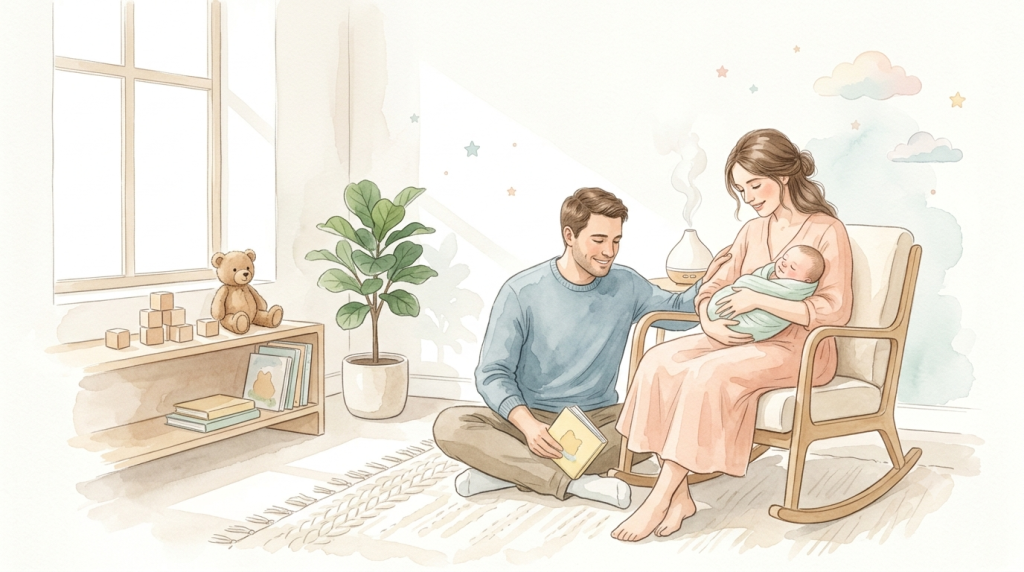
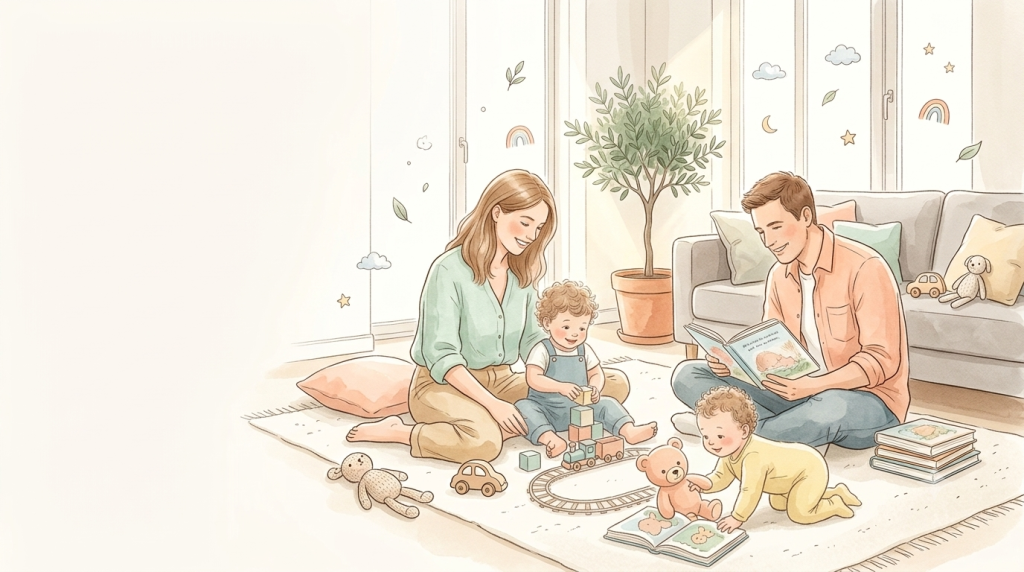
Bringing your baby home for the first time is one of the most exciting moments you’ll ever experience – but it can also feel overwhelming.
I remember constantly wondering if I was doing everything right. Was my baby feeding enough? Why was my newborn crying? Was it normal for them to sleep so much? Every little sound made me second-guess myself.
If you’re feeling the same way, you’re definitely not alone.
The good news is that newborn baby care isn’t about being perfect. It’s about learning, adapting, and getting to know your little one one day at a time.
These newborn baby care tips are based on lessons I learned during those early weeks. I hope they give you a little more confidence as you begin your own parenting journey.
1. Feed Your Baby When They Show Hunger Cues
One of the first newborn baby care tips I learned was to watch my baby’s cues instead of the clock.
Your baby may show signs they’re hungry by:
Sucking their fingers
Opening their mouth
Rooting towards your hand
Smacking their lips
Becoming restless
Crying is actually a late hunger cue, so responding earlier often makes feeding easier for both of you.
Whether you’re breastfeeding or formula feeding, remember that every baby has their own feeding pattern.
2. Don’t Stress About Having a Perfect Feeding Schedule
Many first-time parents worry about feeding every three hours exactly.
The reality?
Some babies feed more often, especially during growth spurts.
Cluster feeding can be exhausting, but it’s completely normal during the newborn stage.
Learning your baby’s rhythm is more important than following a strict timetable.
3. Safe Sleep Should Always Come First
Among all the newborn care advice you’ll receive, safe sleep is one of the most important.
Help your baby sleep safely by:
Always placing them on their back
Using a firm mattress
Keeping pillows, blankets and soft toys out of the cot
Avoiding overheating
Remember that newborn sleep is unpredictable. It’s normal for babies to wake frequently for feeding and comfort.
4. Skin-to-Skin Contact Works Wonders
One of my favourite newborn baby care tips is simply holding your baby close.
Skin-to-skin contact can help:
Strengthen bonding
Calm your baby
Support breastfeeding
Regulate body temperature
Reduce stress for both baby and parents
Never underestimate the power of a cuddle.
5. Don’t Worry If Your Baby Sleeps… A Lot
Newborns often sleep between 14 and 17 hours a day.
The challenge isn’t getting them to sleep—it’s that they wake frequently!
Every baby’s sleep pattern is different.
Some nap for 20 minutes.
Others sleep for three hours.
Try not to compare your baby with others.
6. Learn Your Baby’s Different Cries
At first, every cry sounds the same.
Over time, you’ll begin to notice differences.
Some cries mean:
Hunger
Tiredness
A wet diaper
Wanting cuddles
Feeling overstimulated
One of the best new parent tips is to trust that you’ll gradually learn your baby’s unique way of communicating.
7. Diaper Changes Become Easier With Practice
During the newborn stage, you’ll change many diapers every day.
A few simple tips:
Keep wipes and diapers within reach.
Clean gently from front to back.
Apply barrier cream if needed.
Give your baby’s skin time to air dry occasionally.
Before long, you’ll be changing diapers almost without thinking.
8. Your Baby Doesn’t Need Fancy Gadgets
Before becoming a parent, I thought I needed every baby product available.
Looking back, what I used most was surprisingly simple:
A safe cot
Feeding supplies
Diapers
Swaddles
Burp cloths
Baby carrier
The best newborn essentials are often the simplest.
9. Talk to Your Baby Every Day
Even though your newborn can’t talk yet, they are already learning from your voice.
Narrate your day.
Sing songs.
Smile.
Read simple books.
These everyday interactions support your baby’s language and emotional development from the very beginning.
10. Bath Time Doesn’t Need to Be Daily
One of the biggest surprises for many first-time parents is that newborns don’t need daily baths.
Two or three baths each week are usually enough unless your baby gets particularly messy.
Daily cleaning of the face, neck folds, hands, and diaper area is often all that’s needed.
11. Trust Your Parenting Instincts
There will always be advice.
From family.
Friends.
Google.
Parenting groups.
ChatGPT.
One of the most valuable newborn baby care tips I learned was to trust myself too.
Nobody knows your baby quite like you.
12. Accept Help Whenever It’s Offered
You don’t have to do everything alone.
If someone offers to:
Cook a meal
Hold the baby
Fold laundry
Buy groceries
Say yes.
Accepting help doesn’t make you less capable.
It gives you the chance to rest and recover.
13. Your Recovery Matters Too
While everyone focuses on the baby, don’t forget about yourself.
Eat nourishing meals.
Drink enough water.
Sleep whenever you can.
Attend your postpartum check-ups.
Looking after yourself helps you look after your baby.
14. Don’t Compare Your Baby to Others
One baby sleeps through the night.
Another wakes every two hours.
One gains weight quickly.
Another grows more slowly.
Every baby develops at their own pace.
Comparison often creates unnecessary worry and takes away the joy of celebrating your own baby’s progress.
15. Enjoy the Little Moments
The newborn stage feels long when you’re living it.
Then suddenly…
Your baby smiles.
Rolls over.
Starts babbling.
The tiny newborn who fit perfectly in your arms begins growing faster than you imagined.
Take photos.
Record videos.
Soak in the cuddles.
These moments pass far more quickly than you think.
Final Thoughts
Looking back, I realise that the best newborn baby care tips weren’t about buying expensive products or following every parenting trend.
They were about slowing down, learning my baby’s cues, trusting my instincts, and giving myself grace.
If you’re a first-time parent, remember that it’s okay not to have all the answers.
Every diaper change, every cuddle, every sleepless night, and every little milestone helps you grow alongside your baby.
You don’t have to be a perfect parent.
You just have to love your little one – and that’s already more than enough.
Written by SY A mum sharing personal parenting experiences, discoveries, and everyday lessons.
Frequently Asked Questions About Newborn Baby Care
Some of the most important newborn baby care tips include feeding your baby on demand, practising safe sleep, changing diapers regularly, keeping your baby warm, and learning to recognise their hunger and comfort cues.
Most newborns feed every 2 to 3 hours, but every baby is different. Watch for hunger cues rather than following a strict schedule, and consult your healthcare provider if you have concerns about feeding or weight gain.
Most newborns only need a bath two or three times a week. On other days, gently clean your baby’s face, neck, hands, and diaper area to keep them comfortable and clean.
Newborns usually sleep between 14 and 17 hours within a 24-hour period. However, they wake frequently for feeding, so shorter sleep stretches are completely normal.
Seek medical advice if your newborn has a fever, difficulty breathing, poor feeding, unusual sleepiness, persistent vomiting, signs of dehydration, or if you notice anything that concerns you. Trust your instincts and contact your healthcare provider whenever you’re unsure.
Yes. Almost every first-time parent feels overwhelmed at times. Caring for a newborn is a learning experience, and it’s okay to ask for help. With time, confidence grows as you get to know your baby and establish your own routine.
Maybe you lost your patience. Maybe you served a simple meal because you were too tired to cook. Maybe your house is messy. Maybe you looked at another mum and wondered if you were doing enough.
But please remember this: You are doing better than you think – motherhood was never about doing everything perfectly.
The little things you do every day matter more than you realise.
The hugs. The bedtime stories. The meals you prepare. The comfort you give when your child cries. The way you show up, even when you’re exhausted.
These are the moments your child feels.
So, dear mum, this is your reminder that even on the days when you feel like you’re falling behind, you are doing better than you think.
1. You Don’t Have to Be a Perfect Mum
Many mums put so much pressure on themselves to get everything right.
The perfect routine. The perfect meals. The perfect activities. The perfect balance between work and family.
But the truth is, children don’t need a perfect mum.
They need a loving mum.
A mum who listens. A mum who comforts them. A mum who tries again after a difficult day.
One of the biggest lessons in my motherhood journey has been learning that being a good mum does not mean being perfect.
It means showing up with love, even when things don’t go as planned.
2. The Fact That You Worry Means You Care
Have you ever wondered:
“Am I doing enough?”
“Am I making the right choices?”
“Am I being a good mum?”
Those questions are more common than you think.
The funny thing about motherhood is that the mums who care the most often question themselves the most.
You worry because you love.
You research because you want to understand.
You try because your child’s happiness matters to you.
That alone says so much about the kind of mum you are.
3. Your Child Doesn’t Need Everything You Provide – They Need You
It’s easy to feel pressure to provide everything.
The best toys. The latest learning activities. The perfect childhood experiences.
But children don’t measure love through things.
They remember:
❤️ The way you hugged them when they were upset ❤️ The silly songs you sang together ❤️ The bedtime conversations ❤️ The moments you laughed together
Your presence is one of the greatest gifts you can give.
4. The Small Things You Do Every Day Matter
Motherhood is filled with ordinary moments.
Preparing breakfast. Folding tiny clothes. Cleaning the same mess again. Answering the same questions repeatedly.
Sometimes these moments feel invisible.
But they are not.
These everyday acts are how children experience love.
Your child may not remember the meal you cooked today.
But they will remember feeling cared for.
5. It’s Okay If You Feel Tired
Being a mum can be beautiful and exhausting at the same time.
You can love your child deeply and still need a break.
You can feel grateful and still feel overwhelmed.
Both things can exist together.
Resting does not mean you love your child less.
Taking time for yourself does not make you selfish.
A cared-for mum is better able to care for others.
6. Stop Comparing Your Motherhood Journey
Social media can make motherhood look effortless.
You see:
✨ Beautiful family photos ✨ Organised homes ✨ Fun activities ✨ Happy moments
But you don’t see the tired mornings, difficult days, or struggles behind the scenes.
Every child is different.
Every family is different.
Every mum has her own motherhood journey.
Your story does not need to look like someone else’s to be meaningful.
7. Your Child Will Remember How You Made Them Feel
One day, your child probably won’t remember:
❌ Whether the house was always clean ❌ Whether dinner was homemade every night ❌ Whether you planned every activity perfectly
The love you give today becomes the memories they carry tomorrow.
8. You Are Learning Too
Nobody is born knowing exactly how to be a mum.
Motherhood is something we learn along the way.
You learn through:
sleepless nights
unexpected challenges
mistakes
little victories
everyday experiences
The mum you are today is different from the mum you were yesterday.
And that’s okay.
Growth is part of motherhood.
9. Your Best Looks Different Every Day
Some days your best means:
✨ Planning fun activities ✨ Cooking a healthy meal ✨ Going outdoors together
Other days your best means:
✨ Getting everyone through the day ✨ Ordering food ✨ Resting when you can
Both count.
Your best does not need to look the same every day.
10. Dear Mum, Give Yourself More Credit
Before you end the day thinking:
“I didn’t do enough.”
Try asking yourself:
“Did I love my child today?”
If the answer is yes, then you did something incredibly important.
Motherhood is not measured by perfect days.
It’s measured by love, patience, effort, and all the little moments in between.
A Gentle Reminder for Every Mum
Dear mum,
Please remember:
You are not behind.
You are not failing.
You are learning.
You are growing.
You are loving your child in a way only you can.
The fact that you worry about being a good mum already shows how much you care.
So on the difficult days, when you feel tired or unsure, come back to this:
You are doing better than you think, mum. ❤️
Written by SY A mum sharing personal parenting experiences, discoveries, and everyday lessons.
Frequently Asked Questions
Many mums feel like they are not doing enough because motherhood comes with constant decisions, responsibilities, and expectations. Comparing yourself to other parents, especially on social media, can make you question your own parenting journey. Remember, being a good mum is not about doing everything perfectly – it is about showing love, care, and being present for your child.
You are likely a good mum if you care about your child’s happiness, health, and wellbeing. A good mum does not need to have perfect days. Showing up, comforting your child, listening, and trying your best every day are all signs that you are doing better than you think.
To manage mum guilt, try focusing on the moments that matter instead of trying to be perfect. Remind yourself that your child needs a loving and present mum, not a flawless one. Taking breaks, asking for help, and practising self-kindness can also help reduce feelings of guilt.
Yes, feeling overwhelmed is a normal part of the motherhood journey. Being a mum involves adapting to new responsibilities, managing daily challenges, and caring for your child while also taking care of yourself. Many mums experience difficult days, and it does not mean you are failing.
You can become a more confident mum by trusting yourself, learning from experience, and remembering that every child and family is different. Avoid comparing your motherhood journey with others and focus on what works best for your child.
Motherhood can be challenging because it requires constant emotional, physical, and mental energy. From sleepless nights to making everyday decisions, mums often carry many responsibilities. However, these challenges are also part of a meaningful and rewarding motherhood journey.
A child needs love, security, attention, and connection more than perfection. Children may not remember a spotless home or expensive toys, but they remember feeling safe, loved, and supported by their mum.
Mums can practise self-care by recognising that their own wellbeing matters too. Taking time to rest, enjoy hobbies, or ask for support does not make you selfish. Looking after yourself helps you continue showing up for your child.
The best advice for a first time mum is to be patient with yourself. You do not need to know everything immediately. Motherhood is a journey of learning, growing, and discovering what works best for you and your baby.
If you’re searching for the things I wish I knew before becoming a mum, you’re probably feeling a mix of excitement, curiosity, and maybe even a little nervous. I completely understand because I was there too.
Before I became a mum, I thought I had everything figured out. I read parenting books, watched endless baby videos, bought all the baby essentials, and believed I was ready for this new chapter.
Then my baby arrived.
That’s when I realised the things I wish I knew before becoming a mum weren’t found in shopping checklists or pregnancy apps. They were hidden in the sleepless nights, the tiny milestones, the unexpected challenges, and the little moments that completely changed my heart.
Looking back, there are so many lessons I wish someone had shared with me – not to scare me, but to remind me that motherhood doesn’t have to be perfect. It’s messy, emotional, exhausting, funny, and without a doubt, one of the most rewarding journeys you’ll ever experience.
So, if you’re expecting your first baby or you’ve just started your motherhood journey, here are 15 things I wish I knew before becoming a mum. I hope they make you smile, feel seen, and remind you that you’re never alone on this journey.
1. You’ll Never Feel 100% Ready
You can buy every baby essential, attend every antenatal class, and read every parenting article.
You’ll still wonder:
“Am I ready for this?”
The truth is, almost every mum feels that way.
You grow into motherhood one day at a time.
2. Sleep Will Become Your Greatest Luxury
Before becoming a mum:
“I’ll sleep in this weekend.”
After becoming a mum:
“I slept for four uninterrupted hours!”
…and somehow that’s worth celebrating. 😂
No one tells you how valuable uninterrupted sleep becomes.
3. Google (and ChatGPT) Can’t Answer Everything
Searching for answers is normal when you’re a new mum. In the early days of motherhood, many mums look for newborn care tips, parenting advice, and reassurance online. But one of the most important things I wish I knew before becoming a mum was learning to balance information with my own instincts.
There will be days when you search:
Why is my baby crying?
Why won’t my baby nap?
Is this normal?
Sometimes you’ll find answers.
Sometimes you’ll only find more questions.
Eventually, you’ll realise your instincts matter too.
4. Every Baby Is Different
One baby sleeps through the night.
Another wakes every two hours.
One loves vegetables.
Another survives on plain rice.
Comparing babies only steals your joy.
Every child grows at their own pace.
5. Mum Guilt Arrives Earlier Than You Think
You’ll feel guilty for:
Going back to work.
Staying home.
Buying formula.
Breastfeeding.
Taking a break.
Not taking enough breaks.
Somehow, mums always find something to feel guilty about.
But you’re doing better than you think.
6. Your House Won’t Always Be Instagram Ready
There will be toys on the floor.
Laundry waiting to be folded.
Half-finished cups of coffee.
And that’s okay.
A lived-in home often means a loved child.
7. Small Wins Become Big Celebrations
Your baby rolled over?
Celebrate.
Finished a hot cup of coffee?
Celebrate.
Managed a shower before noon?
Definitely celebrate.
Motherhood teaches you to appreciate life’s little victories.
8. Your Relationship Will Change
Having a baby changes routines, priorities, and conversations.
Date nights become rare.
Quiet moments become precious.
Love grows—but so does teamwork.
9. You’ll Take Thousands of Photos
Your phone storage won’t survive.
Neither will your camera roll.
You’ll take 50 photos…
…just to keep one where everyone is looking at the camera.
10. You Will Learn to Trust Yourself
At first, you’ll ask everyone for advice.
Your mum.
Friends.
Google.
ChatGPT.
Parenting groups.
Eventually…
You’ll realise nobody knows your child better than you. This is one of the biggest things I wish I knew before becoming a mum — learning to trust my own parenting instincts.
11. It’s Okay to Ask for Help
One of the most important things every new mum should know is that motherhood isn’t meant to be done alone.
Accept help.
Take a break.
Let someone else hold the baby.
Looking after yourself isn’t selfish.
It’s necessary.
12. You’ll Miss Every Stage
When you’re exhausted with a newborn, you’ll wish for more sleep.
When your toddler starts talking, you’ll miss the tiny baby cuddles.
Motherhood has a funny way of making you miss every season once it’s gone.
13. Your Child Won’t Remember a Perfect Home
They’ll remember:
Reading together.
Laughing together.
Family adventures.
Bedtime stories.
Hugs.
Those moments matter far more than spotless floors.
14. You Don’t Have to Be the Perfect Mum
Social media often shows the highlight reel of parenting, but real motherhood looks different. One of the biggest first time mum lessons is understanding that being a good mum does not mean being a perfect mum.
Social media can make motherhood look effortless.
Real life isn’t.
Some days you’ll feel amazing.
Other days you’ll wonder what you’re doing.
Both are completely normal.
15. Love Really Does Change Everything
After becoming a mum, I finally understood why so many parents say that motherhood changes everything. The love, challenges, and memories become part of a journey that is completely unique
Everyone says you’ll never understand love until you become a parent.
It sounds cliché.
Until one day…
You look at your sleeping baby.
And suddenly…
You understand exactly what they meant.
Final Thoughts
Looking back at all the things I wish I knew before becoming a mum, I realise the biggest lessons were never about having the perfect routine, buying the best baby products, or knowing every parenting technique.
The real lessons came from slowing down, trusting myself, embracing imperfect moments, and enjoying every stage of my motherhood journey.
If you are preparing for motherhood or starting life as a first time mum, remember this: you don’t have to know everything today. You simply need to love, learn, and grow alongside your child.
Written by SY A mum sharing personal parenting experiences, discoveries, and everyday lessons.
Frequently Asked Questions About Things I Wish I Knew Before Becoming a Mum
Every first-time mum should know that it’s normal not to have all the answers. Motherhood is a learning journey, and every baby is different.
Yes. Most mums feel nervous or unprepared before giving birth. Confidence often grows with experience rather than preparation.
Many mums say the biggest surprise is how much their priorities, routines, and emotions change after having a baby.
Trust your instincts, seek support when needed, avoid comparing yourself to others, and remember that every family has its own parenting journey.
Many experienced mums encourage new mums to enjoy the little moments, ask for help, take care of themselves, and remember that perfection isn’t the goal.
Mum Then vs Mum Now: How Parenting Has Changed Over Generations
Before becoming a mum, I always wondered how my own mother managed to raise me without Google, parenting apps, baby trackers, or endless online advice.
She didn’t have a baby sleep schedule saved on her phone. She didn’t compare 20 different baby bottles before buying one. She didn’t search “why is my baby crying at 3am?” while holding a crying baby in one hand.
Welcome to the world of mum then vs mum now – different generations, different parenting styles, but the same goal: doing our best for our little ones. ❤️
Mum Then vs Mum Now: Parenting Has Entered A New Era
Parenting has always been challenging, but the way mums receive information has completely changed.
Our mums and grandmothers relied on:
Personal experience
Family advice
Community support
Traditional knowledge
Today’s mums have access to:
Parenting websites
Online communities
Baby tracking apps
Social media
Parenting podcasts
AI tools like ChatGPT
With so much information available, modern motherhood can feel exciting… but sometimes a little overwhelming too.
10 Funny Differences Between Mum Then vs Mum Now 😂
Mum Then vs Mum Now#1 When Baby Cries
Mum Then:
“Baby crying? Check if hungry, change diaper, give cuddles.”
Simple. Calm. Confident.
Mum Now:
“Baby crying? Wait… is it hunger? Gas? Teething? Growth spurt? Sleep regression? Development leap?”
Open ChatGPT.
“Please analyse why my baby cried for exactly 7 minutes after waking up.” 😂
Mum Then vs Mum Now#2 Baby Sleep: Instinct vs Sleep Research
Mum Then:
“Baby will sleep when tired.”
Mum Now:
“Baby has been awake for 1 hour 15 minutes… is this the correct wake window?”
Modern mums have turned baby sleep into a full research project.
We learn about:
Sleep routines
Bedtime habits
Nap schedules
Sleep environments
Sometimes we spend more time researching sleep than actually sleeping ourselves. 😅
Mum Then vs Mum Now#3 Baby Feeding: Simple Meals vs Nutrition Research
Mum Then:
“Baby eats what we prepare.”
Mum Now:
Before introducing food:
✔ Check recommended age ✔ Research allergens ✔ Compare baby food products ✔ Search for baby meal ideas ✔ Save 50 recipes we may never cook 😂
Today’s mums are more aware of baby nutrition, feeding methods, and creating healthy eating habits from an early age.
Mum Then vs Mum Now#4 Buying Baby Products
Mum Then:
“Need a baby bottle? Buy a baby bottle.”
Mum Now:
“Which bottle reduces colic? Which material is safer? Which one has better reviews?”
Buying baby products today feels like preparing for a product launch.
Before purchasing one item, mums might check:
Online reviews
Parenting groups
Social media recommendations
Product comparisons
Because apparently choosing a baby bottle is now a major life decision. 😂
Mum Then vs Mum Now#5 Asking For Parenting Advice
Mum Then:
“Ask your mum.”
Mum Now:
“Ask everyone.”
Modern mums have access to:
Facebook parenting groups
WhatsApp mummy communities
Parenting blogs
YouTube videos
Instagram tips
ChatGPT
The funny thing?
After researching everything online…
We still call our mums and ask:
“Okay, but what did you do when I was a baby?” ❤️
Mum Then vs Mum Now #6 Tracking Baby Milestones
Mum Then:
“My child will learn when they are ready.”
Mum Now:
“Let me check if my baby is reaching the milestone.”
Modern mums pay closer attention to:
First smiles
First words
Crawling
Walking
Language development
Fine motor skills
While tracking development can be helpful, every child grows differently.
Sometimes we need to put the checklist away and simply enjoy watching our children grow.
Mum Then vs Mum Now#7 Leaving The House With Baby
Mum Then:
“Bring diapers and go.”
Mum Now:
Packing a baby bag feels like preparing for a holiday.
Because babies have a special talent for creating unexpected situations exactly when we leave home. 😂
Mum Then vs Mum Now#8 Taking Baby Photos
Mum Then:
“Take a photo when there is a special occasion.”
Mum Now:
“Let me take another 300 photos because my baby smiled differently this time.”
Thanks to smartphones, modern mums capture every little moment:
First smile
First laugh
First steps
Funny expressions
Random sleeping positions
Our camera storage may suffer, but our memories are full. ❤️
Mum Then vs Mum Now #9 Screen Time And Technology
Mum Then:
“TV keeps children entertained.”
Mum Now:
“Let me check the recommended screen time first.”
Technology has become part of modern parenting.
Today’s mums think more about:
Educational content
Screen limits
Digital habits
Online safety
Technology can be helpful, but balance is always important.
Mum Then vs Mum Now#10 The Pressure To Be A Perfect Mum
Mum Then:
“Do your best.”
Mum Now:
“Am I doing enough?”
With endless parenting information online, modern mums sometimes feel pressure to do everything perfectly.
The perfect baby routine. The perfect meals. The perfect activities.
But the truth?
Children don’t need a perfect mum.
They need a loving mum who shows up every day.
What Can Modern Mums Learn From Our Mothers?
While parenting today has many advantages, there are things we can learn from previous generations.
Our mums taught us:
❤️ Trust your instincts ❤️ Enjoy the simple moments ❤️ Don’t overthink everything ❤️ Family support matters ❤️ Children don’t need perfection
Sometimes, the best parenting advice is not found online.
Sometimes, it is already passed down through generations.
What Have Modern Mums Added To Parenting?
Modern mums have also brought many positive changes.
Today’s parents have:
More awareness about child development
Better access to parenting information
More conversations around mental wellbeing
More support communities
More openness about parenting challenges
Modern parenting is not about replacing traditional parenting.
It is about combining experience with new knowledge.
Final Thoughts: Different Generation, Same Mum Love ❤️
When I think about my mum raising me without all the resources I have today, I honestly wonder:
“How did she do it?”
No apps. No Google searches. No ChatGPT.
Just patience, experience, and a mother’s instinct.
Today, I may have ChatGPT, parenting blogs, and thousands of saved posts…
But at the heart of it, we are all the same.
A mum trying her best.
Because whether it is mum then vs mum now, one thing never changes:
Every mum wants the same thing – to raise happy, healthy, loved children. ❤️
Written by SY A mum sharing personal parenting experiences, discoveries, and everyday lessons.
Frequently Asked Questions About Mum Then vs Mum Now
The biggest difference between mum then vs mum now is access to information. Previous generations relied more on experience and family advice, while modern mums use technology, online resources, and parenting communities.
Modern parenting is not necessarily better. It is different. Each generation parents based on the knowledge, resources, and challenges available at that time.
Technology has changed parenting by making information, support communities, baby products, and learning resources more accessible for parents.
Parenting information can be helpful, but too much information can sometimes create pressure. The best approach is finding a balance between learning and trusting your own parenting instincts.
New mums can learn patience, simplicity, confidence, and the importance of trusting themselves from older generations of mothers.
Becoming parents is one of life’s biggest adventures. Overnight, your routines change, your priorities shift, and suddenly your days revolve around feeding, naps, diaper changes, and cuddles. While life may feel busier than ever, it’s also the perfect time to build a family lifestyle that creates lasting memories and strengthens your bond with your little one.
As a mum, I used to think family time meant weekend trips, café hopping, or holidays. But after having my baby, I realised that the most meaningful moments often happened at home. Watching my little one giggle during tummy time, going for a short evening walk together, or simply reading the same bedtime story every night became moments I looked forward to.
The first two years of your baby’s life are filled with incredible milestones. These everyday experiences help your baby feel safe, loved, and connected. They also create routines that bring comfort to the whole family.
If you’re looking for family lifestyle ideas that are simple, affordable, and suitable for babies and toddlers under two years old, here are some ideas that have worked for our family.
Creating meaningful family moments through simple everyday activities, bonding, and mindful parenting with your baby.
Why Family Lifestyle Ideas Matter for Everyday Family Life
Family life is often filled with busy mornings, school runs, work commitments and daily responsibilities. While it may feel difficult to find extra time, creating intentional moments together can help families feel more connected.
Simple family lifestyle ideas encourage parents to focus on meaningful interactions rather than spending more money or planning complicated activities.
Whether it is having dinner together, reading a bedtime story or taking a short walk after school, these small routines can become special memories that children remember as they grow.
For busy parents, it is often the simple moments that create the strongest family connections.
1. Share at Least One Meal Together Every Day
Life with a baby can be unpredictable, and meal times don’t always go according to plan. Even so, try to have at least one meal each day where everyone sits together.
If your baby has started solids, let them join you in their high chair while the rest of the family eats. Even if they only nibble on a few bites, they’re learning by watching you.
Meal times are a wonderful opportunity to chat, smile, and interact. Describe the food, encourage your baby to explore different textures, and enjoy the moment without worrying about making a mess.
Remember, it’s not about having a perfect meal—it’s about spending time together.
2. Go for Daily Walks Together
One of the easiest family lifestyle ideas is simply getting outside.
Whether it’s a stroll around your neighbourhood, a nearby park, or your local lake, fresh air can do wonders for both parents and babies.
Your baby gets to experience different sights, sounds, and smells, while you enjoy a change of scenery and a chance to clear your mind.
We loved taking evening walks after dinner. It became our little family tradition, and it often helped our baby relax before bedtime.
You don’t need to travel far. Even a 20-minute walk can become one of the best parts of your day.
3. Read Together Every Day
Many parents think reading should only begin once their child can understand words, but it’s never too early to start.
Your baby loves hearing your voice. Reading aloud helps them become familiar with language, rhythm, and different sounds.
Choose colourful board books with simple pictures or textured pages. Don’t worry if your baby wants to turn pages quickly or loses interest after a few minutes—that’s completely normal.
Reading together is less about finishing the story and more about building a comforting routine that both of you enjoy.
Before you know it, your little one may be bringing their favourite books to you throughout the day.
4. Create a Simple Bedtime Routine
Babies thrive on consistency.
Having the same bedtime routine each night helps signal that it’s time to wind down and sleep.
Your routine doesn’t need to be complicated. For many families, it might look like this:
Warm bath
Clean nappy and pyjamas
Milk feed
Story time
Goodnight cuddles
Following the same sequence every evening can help your baby feel secure and relaxed.
It also creates special one-on-one time that parents can treasure, especially after a busy day.
5. Enjoy Floor Play Without Distractions
Some of the best toys for babies aren’t toys at all—they’re engaged parents.
Set aside 15 to 20 minutes each day to sit on the floor with your baby without checking your phone or multitasking.
Follow your baby’s lead. Let them crawl, stack blocks, shake rattles, or explore soft books while you talk, encourage, and celebrate their discoveries.
Your baby doesn’t need constant entertainment. They simply enjoy having you close by.
These moments strengthen your bond while supporting motor skills, confidence, and curiosity.
6. Celebrate Every Little Milestone
During the first two years, your baby reaches so many exciting milestones.
The first smile.
The first laugh.
Rolling over.
Sitting up.
Crawling.
Standing.
Taking those precious first steps.
Instead of focusing only on the big achievements, celebrate every little success along the way.
Take photos, write short journal entries, or keep a simple baby milestone book. Looking back on these memories months or years later is incredibly special.
Every baby develops at their own pace, so avoid comparing your child’s progress with others. Celebrate their unique journey.
7. Let Your Baby Join Everyday Family Activities
Not every learning experience needs to be planned.
Babies are naturally curious and love watching the world around them.
Place your baby safely in a high chair while you prepare dinner, fold laundry, or water your plants. Talk to them about what you’re doing, describe colours, count objects, or sing songs as you go.
These everyday conversations help expose your baby to language while making them feel included in family life.
Your baby doesn’t need constant stimulation—they simply love being part of your day.
8. Sing, Dance and Enjoy Music Together
You don’t need to be a great singer to make music part of your family’s daily routine. Babies love hearing familiar voices, and singing is a wonderful way to bond while supporting early language development.
Whether it’s nursery rhymes during diaper changes, dancing around the living room after dinner, or playing gentle music during playtime, these little moments often bring the biggest smiles.
When my little one started clapping along to songs, it became one of my favourite parts of the day. We still have a playlist filled with songs that instantly bring back those precious baby memories.
Music doesn’t have to be complicated—it simply adds joy to everyday family life.
9. Visit Parks and Let Your Baby Explore Nature
Fresh air and nature are wonderful for both babies and parents.
Even before your baby can walk, they enjoy looking at trees swaying in the wind, listening to birds chirping, feeling the breeze, and watching other children play.
Once they become toddlers, parks become exciting places to practise walking, climbing, and exploring safely.
Try bringing a picnic mat and spend some quiet time together. Point out flowers, butterflies, leaves, or clouds. These simple conversations help build your baby’s vocabulary while encouraging curiosity about the world around them.
Nature offers endless learning opportunities without requiring expensive toys or activities.
10. Create Monthly Family Traditions
Traditions don’t have to wait until your children are older.
Starting simple traditions while your baby is young creates something your family can look forward to every month.
Some ideas include:
Taking one family photo on the same day each month.
Measuring your baby’s height and weight.
Making handprint or footprint art.
Having a special Sunday breakfast together.
Visiting the same park every month.
Reading a new bedtime book together.
Years later, these traditions become beautiful memories that tell the story of your family’s journey together.
11. Encourage Daddy and Baby Bonding Time
While babies naturally spend a lot of time with mum, creating opportunities for daddy to build his own relationship with the baby is just as important.
This doesn’t need to be anything elaborate. It could be bath time, reading a bedtime story, taking the baby for a morning stroll, or simply enjoying floor play together.
Every parent interacts differently, and that’s perfectly okay. Babies benefit from spending time with both parents and learning through different styles of play, communication, and affection.
Watching my husband develop his own little routines with our baby has been one of the most heartwarming parts of our parenting journey.
12. Capture Everyday Moments, Not Just Special Occasions
It’s easy to remember to take photos on birthdays or holidays, but some of the most meaningful memories happen during ordinary days.
Take photos of your baby enjoying breakfast, taking a nap on Dad’s chest, playing with their favourite toy, or making funny faces during bath time.
These everyday moments often become the ones you treasure the most.
You could even create a digital photo album or print a few favourite pictures every year. Looking back at how quickly your little one has grown is both heartwarming and emotional.
Remember, not every photo needs to be perfect. Sometimes the messy, candid moments tell the best stories.
13. Limit Screen Time and Be Present
Modern parenting comes with plenty of distractions. It’s easy to find yourself checking messages, scrolling social media, or replying to emails while spending time with your baby.
I’ve caught myself doing this more than once.
Now, I try to put my phone aside during playtime, meals, and bedtime routines. Even if it’s only for 20 or 30 minutes, giving my child my full attention makes those moments much more meaningful.
Babies don’t need constant entertainment—they simply need responsive, loving interactions with the people who care for them.
Being fully present is one of the greatest gifts we can give our children.
14. Don’t Compare Your Family Journey with Others
Parenting today comes with endless advice, milestone charts, and social media posts showing picture-perfect family moments.
It’s easy to wonder if you’re doing enough.
But every baby develops at their own pace, and every family has different routines, values, and challenges.
Instead of comparing your child to others, celebrate your own family’s progress.
Maybe your baby finally slept through the night.
Maybe they tried a new food.
Maybe everyone managed to enjoy dinner together without any tears.
Those little victories deserve to be celebrated too.
The goal isn’t to create a perfect family lifestyle—it’s to create one that works for your family.
15. Remember to Look After Yourself Too
One lesson I’ve learned is that taking care of your family starts with taking care of yourself.
As new parents, it’s easy to put everyone else’s needs first.
Try to make time for small moments of self-care, even if it’s just enjoying a hot cup of coffee while it’s still warm, taking a short walk, reading a few pages of a book, or asking your partner to watch the baby while you rest.
Looking after yourself isn’t selfish—it helps you become a more patient, happier parent.
A happy family lifestyle begins with parents who also feel supported.
My Thoughts as a Mum
Before becoming a mum, I imagined family life would be filled with exciting trips and carefully planned activities.
The reality looked quite different.
There were sleepless nights, endless diaper changes, mountains of laundry, and days when simply getting everyone dressed felt like an achievement.
Yet, when I look back, those ordinary moments have become some of my favourite memories.
Watching my baby smile during tummy time, reading the same bedtime story every night, taking evening walks together, or cuddling on the sofa after a long day are the moments that truly shaped our family.
I’ve learned that creating a happy family lifestyle isn’t about doing more—it’s about slowing down and appreciating the little things.
Your baby won’t remember whether the house was perfectly tidy or whether dinner was homemade every night.
They’ll remember feeling loved, safe, and surrounded by people who enjoyed spending time with them.
Final Thoughts
Building a meaningful family lifestyle doesn’t require expensive holidays, packed schedules, or the latest parenting gadgets.
The first two years of your baby’s life are filled with countless opportunities to connect through everyday routines. Reading together, sharing meals, exploring nature, singing songs, and simply being present all contribute to your baby’s development while creating treasured family memories.
Don’t worry about trying every idea at once. Start with one or two simple habits that suit your family’s routine and let them grow naturally over time.
The most important thing isn’t creating the “perfect” family lifestyle – it’s creating one filled with love, laughter, and meaningful moments together.
Written by SY A mum sharing personal parenting experiences, discoveries, and everyday lessons.
Frequently Asked Questions About Family Lifestyle Ideas
Simple ideas include reading together, going for daily walks, sharing meals, singing songs, floor play, creating bedtime routines, and celebrating your baby’s milestones. These activities help strengthen family bonds while supporting your baby’s development.
Quality time doesn’t have to be complicated. Even 15 to 30 minutes of uninterrupted play, cuddles, reading, or talking to your baby can help build a strong emotional connection and support their learning.
Consistent routines help babies feel safe and secure. They also support healthy sleep habits, emotional development, and help babies understand what to expect throughout the day.
You don’t need to spend much money. Visiting parks, reading library books, singing nursery rhymes, taking neighbourhood walks, sensory play at home, and playing on the floor together are all affordable and enjoyable activities.
Absolutely. Every family is different, and babies don’t need perfect routines – they need loving, responsive parents. Focus on creating meaningful moments together rather than following a strict schedule.
Starting a family brings many new responsibilities, and one of the biggest priorities for new parents is creating a safe, healthy, and nurturing environment for their little one. Building strong family health and wellness habits from the beginning can help support both baby’s development and parents’ overall wellbeing.
For many new parents, improving family wellness does not mean making complicated lifestyle changes. Often, the most meaningful improvements come from simple, consistent habits that create a healthier home environment for everyone.
In this guide, Picks By SY shares 7 family health and wellness tips for new parents to help families build healthier daily routines – from creating a safe home environment and supporting better sleep habits to encouraging balanced nutrition, good hygiene, and positive family habits.
Whether you are preparing for a newborn or adjusting to life with a growing baby, these practical family health and wellness tips can help you make confident choices and create a happier, healthier home for your family.
Family Health and Wellness Tip #1: Create a Safe and Healthy Home Environment
A baby’s home environment plays an important role in their comfort and development. Creating a clean, organised, and baby-friendly space is one of the first steps towards better family health and wellness.
Keep Baby Areas Clean
Regular cleaning habits can help maintain a comfortable environment for your baby.
Pay extra attention to:
Baby sleeping areas
Feeding equipment
Toys and play spaces
Frequently touched surfaces
Choose Baby-Friendly Essentials
Parents often need to make many purchasing decisions, from skincare products to feeding tools.
When choosing baby essentials, consider:
Safety and quality
Age suitability
Ease of use
Comfort for your baby
The right products should support your parenting routine rather than create unnecessary complexity.
Family Health and Wellness Tip #2: Build Healthy Feeding Habits Early
Nutrition is an important part of supporting your baby’s growth and development.
Whether you are breastfeeding, formula feeding, or introducing solids, creating a positive feeding routine can make mealtimes easier for both parents and babies.
Healthy feeding habits include:
Creating a consistent feeding schedule
Choosing suitable feeding products
Introducing age-appropriate foods
Paying attention to your baby’s feeding cues
As your baby grows, developing healthy eating habits as a family can also encourage positive relationships with food.
Family Health and Wellness Tip #3: Support Better Sleep for Baby and Parents
Sleep is a key part of family health and wellness because both babies and parents need enough rest to maintain physical and emotional wellbeing.
For babies, healthy sleep routines can support:
Growth and development
Better mood regulation
Consistent daily routines
Parents can encourage better sleep habits by:
Creating a calming bedtime routine
Maintaining consistent sleep times
Reducing overstimulation before bedtime
Parents should also prioritise their own rest whenever possible, as parental wellbeing directly affects the overall family environment.
Family Health and Wellness Tip #4: Maintain Baby Hygiene and Personal Care Routines
Baby hygiene is an important part of everyday wellness.
Simple routines such as bath time, skincare, and cleaning baby items help parents maintain their baby’s comfort and cleanliness.
Important baby care habits include:
Washing hands before handling baby items
Cleaning bottles and feeding accessories properly
Using gentle baby skincare products
Keeping baby clothes and bedding clean
When selecting baby personal care products, parents should focus on products that match their baby’s specific needs.
Family Health and Wellness Tip #5: Encourage Healthy Family Habits from Young
Babies learn through their surroundings. Creating healthy habits early helps build a positive family lifestyle as children grow.
Simple family wellness activities include:
Spend Quality Time Together
Examples include:
Family walks
Reading together
Outdoor activities
Playtime without screens
Create Consistent Daily Routines
Predictable routines around:
Feeding
Sleeping
Playing
Family time
can help babies feel secure while making parenting more manageable.
Family Health and Wellness Tip #6: Prioritise Parents’ Wellness Too
Many parents focus entirely on their baby’s needs and forget to care for themselves.
However, parents are an important part of family health and wellness.
Taking care of yourself allows you to provide better care for your baby.
Parents can support their own wellness by:
Eating balanced meals
Staying physically active
Taking time to recharge
Asking for support when needed
Maintaining healthy relationships
A healthier parent creates a healthier family environment.
Family Health and Wellness Tip #7: Choose Wellness Products for Your Family
With so many baby and wellness products available, choosing the right items can feel overwhelming.
Before purchasing, parents should ask:
Does this product solve a real parenting need?
Is it suitable for my baby’s stage of development?
Is it practical for everyday use?
Does it support a healthier routine?
At Picks By SY, we share practical recommendations to help parents make smarter choices when selecting products for their families.
Final Thoughts
Building family health and wellness does not require major lifestyle changes. It begins with small, consistent habits that support your baby’s comfort while helping parents feel more confident in their parenting journey.
From creating healthier routines to choosing practical baby essentials, every decision contributes to a happier and healthier home.
At Picks By SY, our goal is to provide trusted parenting guides and practical recommendations that help families make smarter choices every day.
Written by SY A mum sharing personal parenting experiences, discoveries, and everyday lessons.
Frequently Asked Questions
Family health and wellness refers to creating healthy habits and routines that support the physical, emotional, and everyday wellbeing of all family members, including babies and parents.
Parents can improve family health and wellness by creating safe home routines, maintaining good hygiene, supporting healthy feeding habits, establishing sleep routines, and taking care of their own wellbeing.
Important baby wellness habits include maintaining cleanliness, creating consistent sleep and feeding routines, providing suitable nutrition, and choosing safe baby products.
Parent wellness is important because parents who take care of their physical and emotional health are better able to provide consistent care and create a positive home environment.
A healthier home can be created by maintaining good hygiene, choosing baby-safe products, preparing nutritious meals, encouraging healthy routines, and creating a comfortable environment for your baby.
Becoming a parent for the first time is an exciting journey, but it can also feel overwhelming. Between sleepless nights, endless questions, and adjusting to a completely new routine, many new parents wonder if they are doing enough.
The good news is that you do not need to be a perfect parent. The right parenting tips for new parents can help you feel more confident, reduce stress, and enjoy the early stages of raising your baby.
Every baby is different, but practical parenting tips for new parents can make daily challenges easier to manage. From understanding your baby’s needs to creating simple routines, small changes can have a big impact.
In this guide, we share the most useful parenting tips for new parents to help you build confidence, create stronger bonds with your baby, and enjoy your parenting journey.
Why Parenting Tips for New Parents Matter
The first few months of parenthood come with many challenges. New parents often need guidance on feeding, sleeping, routines, baby development, and managing their own emotions.
Following practical parenting tips for new parents can help families feel less overwhelmed and more prepared.
The goal of good parenting advice is not perfection. The goal is creating a loving, safe, and supportive environment where both parents and babies can grow together.
Practical Parenting Tips for New Parents to Make Everyday Life Easier
The early stages of parenting are filled with learning moments. These simple tips can help you feel more prepared and confident.
1. Trust Your Parenting Instincts
One of the most valuable parenting tips for new parents is learning to trust yourself.
Many first-time parents worry about making mistakes, but confidence grows through experience. While advice from others can help, you know your baby better than anyone else.
Over time, you will learn your baby’s unique:
Crying patterns
Comfort preferences
Sleep habits
Feeding cues
Confidence grows through experience, not perfection.
Why it matters:
Builds trust in yourself
Reduces unnecessary worry
Strengthens your connection with your baby
2. Learn to Understand Your Baby’s Cues
Babies communicate before they can speak.
Learning to recognise your baby’s signals can make daily routines easier.
Common cues include:
Hunger signs
Sleepiness
Need for comfort
Overstimulation
The more you understand these signals, the easier it becomes to respond to your baby’s needs.
3. Create a Flexible Routine
Many new parents try to create a strict schedule immediately, but babies do not always follow predictable patterns.
Instead of focusing on exact timing, create flexible routines around:
Feeding
Sleeping
Bath time
Playtime
A routine provides structure while still allowing room for your baby’s changing needs.
4. Don’t Compare Your Baby’s Development With Others
One of the easiest traps for parents is comparing milestones.
You may notice another baby:
Sleeping longer
Crawling earlier
Talking sooner
But every child develops at their own pace.
Focus on your baby’s progress rather than comparing their journey with someone else’s.
5. Accept Help When You Need It
Many new parents feel they need to handle everything themselves.
However, accepting help does not mean you are not capable. It means you are creating support around your family.
Help can come from:
Your partner
Family members
Friends
Trusted caregivers
Sometimes a small amount of support can make a big difference.
6. Prioritise Rest Whenever Possible
One important piece of new parent advice is understanding that rest matters.
Among all the parenting tips for new parents, protecting your physical and emotional wellbeing is one of the most important.
While getting enough sleep may not always be possible, try to rest whenever you can.
Helpful habits:
Sleep when possible
Share responsibilities
Reduce unnecessary tasks
Ask for support
A rested parent is better able to handle daily challenges.
7. Keep Baby Essentials Simple
Many parenting tips for new parents focus on buying the best products, but experienced parents often discover that fewer, practical items are more useful.
The best baby products are those that solve real problems and support daily routines.
Focus on items that:
Solve real problems
Support daily routines
Get used regularly
More products do not always mean easier parenting.
8. Spend Time Bonding, Not Just Managing Tasks
Parenting involves many responsibilities, but remember to enjoy the moments too.
Simple bonding activities include:
Talking to your baby
Reading together
Cuddling
Playing
These everyday moments help build a strong emotional connection.
9. Take Care of Your Relationship
Having a baby changes family dynamics.
It is easy for conversations to become focused only on:
Feeding schedules
Household tasks
Baby routines
Remember to make time to reconnect with your partner, even through small gestures.
A strong partnership creates a supportive environment for the whole family.
10. Create a Safe Space for Your Baby to Explore
As babies grow, they become more curious about the world around them.
Creating a safe environment allows them to explore while giving parents peace of mind.
Simple steps include:
Organising safe play areas
Keeping dangerous items away
Supervising exploration
11. Take Photos and Record Memories
The newborn stage passes quickly.
Many parents later realise how much they miss the small moments.
Capture:
First smiles
Funny expressions
Daily routines
Special family moments
These memories become meaningful over time.
12. Be Patient With Yourself
Another important parenting tip for new parents is learning to be patient with yourself.
Parenting is a learning process. No parent knows everything immediately, and every family develops their own approach.
You may have days when:
Things do not go as planned
You feel exhausted
You question yourself
That is normal.
Parenting is a learning journey, and mistakes are part of becoming more confident.
13. Build Healthy Sleep Habits Gradually
Sleep is one of the biggest concerns for new parents.
While every baby is different, creating consistent habits can help.
Examples:
A calming bedtime routine
A comfortable sleep environment
Recognising sleep cues
Small improvements can make a difference over time.
14. Make Time for Yourself
It is easy to lose yourself when caring for a baby.
Remember to make space for things that recharge you:
Hobbies
Friends
Exercise
Quiet moments
Taking care of yourself supports your ability to care for your child.
15. Enjoy the Journey
The newborn stage can feel challenging, but it also passes quickly.
There will be difficult days, but there will also be countless moments you will treasure.
Try to slow down and appreciate:
The cuddles
The smiles
The little discoveries
These moments become memories before you realise it.
Common Mistakes New Parents Can Avoid
Every parent learns through experience, but being aware of common challenges can help.
Trying to Be Perfect
There is no perfect parenting method. Focus on being present and responsive.
Following Every Piece of Advice
Everyone will have an opinion about parenting.
Listen, learn, and choose what works best for your family.
Forgetting About Yourself
Your wellbeing matters too. A healthy parent creates a healthier family environment.
How to Make Parenting Feel Less Overwhelming
Small changes can make daily life easier:
Prepare things ahead when possible
Create simple routines
Focus on what matters most
Celebrate small wins
Ask for help
Parenting becomes easier when you stop trying to do everything alone.
Frequently Asked Questions About Parenting Tips for New Parents
The best parenting tips for new parents include trusting yourself, learning your baby’s cues, creating flexible routines, accepting help, and prioritising your own wellbeing.
New parents can make life easier by preparing ahead, keeping routines simple, choosing useful baby essentials, and following realistic new parent tips instead of trying to be perfect.
First-time parents should understand that every baby is different. Following practical parenting advice for new parents can help reduce stress and build confidence.
Parents become more confident through experience. Learning their baby’s personality, understanding their needs, and accepting that mistakes are part of parenting can help build confidence.
Life can become easier by simplifying routines, preparing ahead, accepting help, using practical baby essentials, and focusing on what truly matters.
This article shares my personal parenting experience and is for general informational purposes. Every child develops differently. If you have concerns about your child’s behaviour, emotional development or wellbeing, speak with a qualified healthcare professional.
About the author
SY is a mum of one and the founder of PicksBySY. Like many mums, she’s constantly learning, discovering and figuring things out as her little one grows. She created PicksBySY to share her real parenting experiences, useful finds and everyday discoveries – from baby milestones and toddler life to family activities and products she genuinely uses and loves.
Related Articles
Continue supporting your baby’s development with these helpful guides: