Posted on — Leave a comment

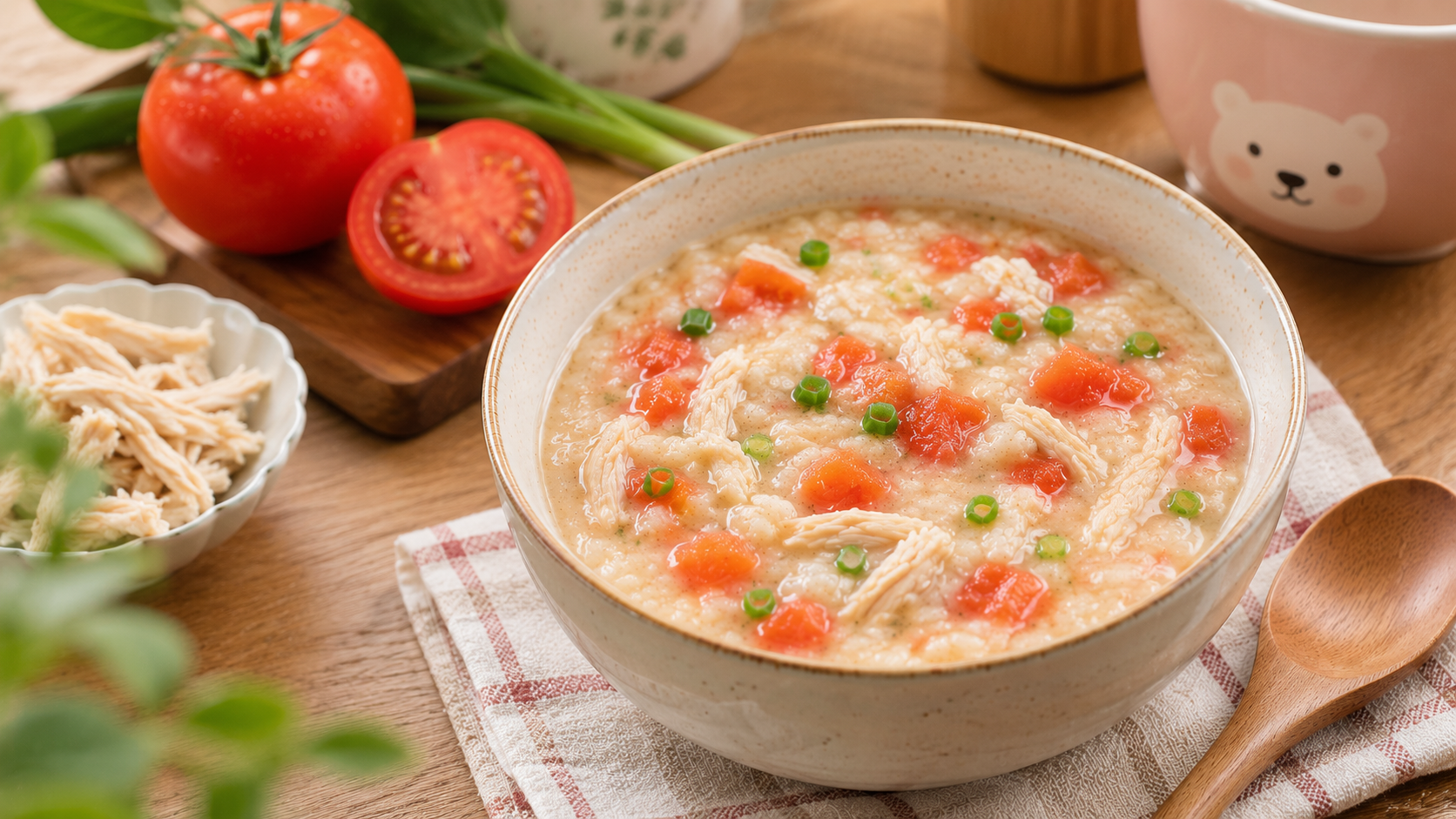
Chicken Tomato Porridge

This easy chicken tomato porridge for baby combines soft rice, tender chicken and fresh tomato into a simple homemade meal. The tomato adds a naturally tangy-sweet flavour and moisture to the porridge, making it a nice way to introduce a different taste as your baby becomes more comfortable with textured foods.

Chicken tomato porridge was one of the combinations I liked adding when I wanted to give my little one something slightly different from the usual pumpkin or carrot porridge. Tomato gives the whole bowl a naturally richer flavour, so I could still keep the recipe simple without adding salt, stock cubes or extra seasoning.

Suitable for: Around 8 months+*
Prep Time: 10 minutes
Cook Time: 25–30 minutes
Servings: 1–2 baby portions

*Adjust the ingredients and texture according to your baby’s feeding ability and development.
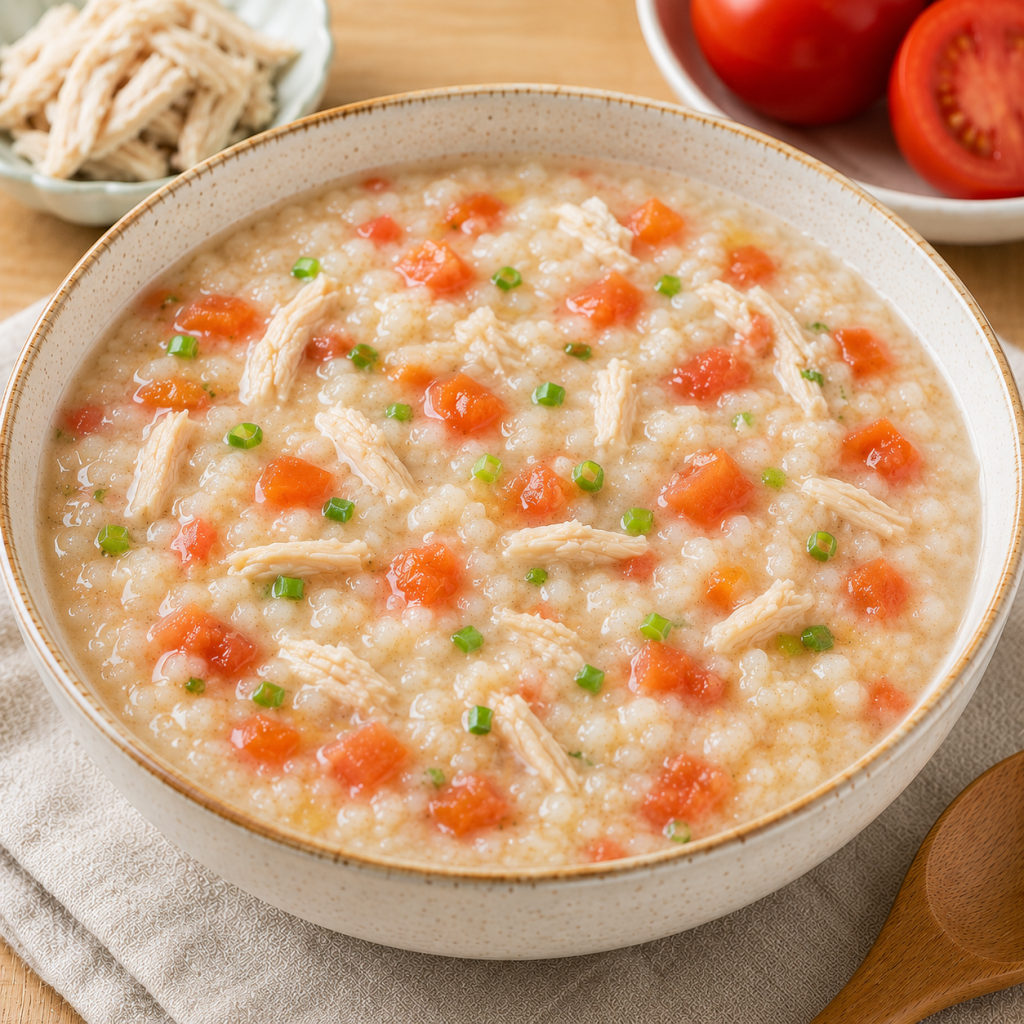
Ingredients for Chicken Tomato Porridge

You only need a few simple ingredients:

  • 2 tbsp uncooked rice
  • 30g boneless, skinless chicken
  • ½ small ripe tomato
  • 1–1½ cups water, as needed

Chicken and tomato make a simple savoury combination, while ripe tomato adds natural flavour and moisture to the soft rice.

How to Make Chicken Tomato Porridge for Baby

1. Prepare the Ingredients

Rinse the rice thoroughly.

Wash the tomato, remove the stem and cut it into small pieces. For a smoother porridge, you can remove the tomato skin before chopping.

Cut the chicken into small pieces and make sure there are no bones.

2. Cook the Rice

Place the rice and water into a small pot.

Bring to a boil, then lower the heat and simmer until the rice starts becoming soft.

3. Add the Chicken

Add the chicken to the porridge and continue cooking over low heat until the chicken is thoroughly cooked.

Stir occasionally so the chicken pieces cook evenly.

4. Add the Tomato

Add the chopped tomato and continue simmering until it becomes very soft and starts breaking down into the porridge.

Continue cooking until the rice is very soft and creamy.

Add more water if the porridge becomes too thick.

5. Mash to the Right Texture

Once everything is fully cooked, mash the chicken and tomato into the soft rice using the back of a spoon or fork.

For babies transitioning from puree, you can briefly blend the porridge.

As your baby becomes more comfortable with textured foods, gradually mash it less.

6. Serve Warm

Transfer the chicken tomato porridge for baby into a clean bowl and allow it to cool to a suitable temperature before serving.

There’s no need to add salt, sugar, stock cubes or other seasoning.

Mum Tip

Tomato naturally breaks down as it cooks, so I find it really easy to mix into baby porridge.

I usually choose a ripe tomato because it softens easily and has a nicer natural sweetness. If I want an extra-smooth texture, I remove the tomato skin before adding it to the porridge.

Make Weekday Baby Porridge Easier

As a working mum, I find preparing chicken in small meal-sized portions ahead of time makes cooking baby porridge much easier during the week.

When it’s time to cook, I only need to prepare the fresh tomato and rice, then everything can go into one pot. It saves me a little preparation time without making baby meal prep complicated.

What I Use for Baby Meal Prep:

  • Reusable food ziplock pouches
  • Baby food storage containers
  • Silicone freezer trays
  • Mini food chopper or grinder

Add your Shopee affiliate links here.

How to Choose Chicken and Tomato for Baby Porridge

For chicken, choose:

  • Fresh boneless chicken
  • Chicken that has been properly refrigerated
  • Meat with no unusual smell or appearance

For tomato, choose one that:

  • Is ripe and fresh
  • Feels firm but not hard
  • Has no mouldy or spoiled areas
  • Has no major bruising or damaged areas

What Texture Should Chicken Tomato Porridge Be?

For babies transitioning from puree:
Cook the rice until very soft and mash the chicken and tomato thoroughly into the porridge. You can briefly blend it if your baby still prefers a smoother consistency.

As baby progresses:
Gradually mash less and leave the rice and finely prepared chicken with more texture.

Tomato naturally adds moisture, so you may find this porridge needs slightly less additional water than some other vegetable combinations.

How to Store Chicken Tomato Porridge

Because this recipe contains cooked rice and chicken, cool any portion you’re keeping promptly and transfer it into a clean, airtight container in the refrigerator.

I personally prefer making chicken porridge in smaller batches. If I prepare extra, I portion it straight away so I only need to take out what I need for each meal.

What Can I Add to Chicken Tomato Porridge?

Once your baby has tried the individual ingredients, some easy combinations include:

  • Chicken + Tomato + Carrot
  • Chicken + Tomato + Potato
  • Chicken + Tomato + Broccoli
  • Chicken + Tomato + Pumpkin
  • Chicken + Tomato + Spinach

SHOP SY PICKS

These are the simple tools I use at home to make baby food prep quicker and easier. Nothing fancy, just a few practical essentials that make cooking, portioning and storing meals much more convenient.
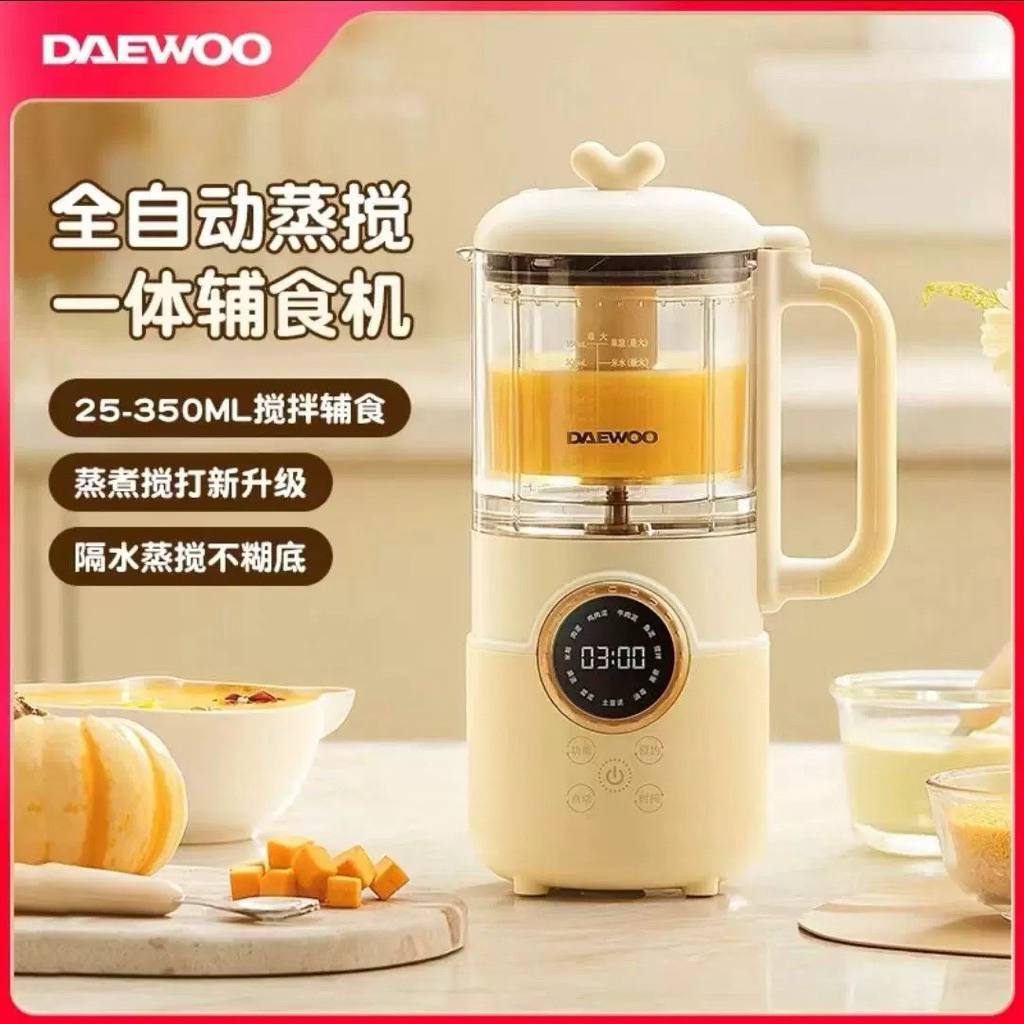
Daewoo Baby Food Maker 

Perfect for blending baby food smoothly. Makes preparing homemade purees quick, easy and convenient for everyday meals.
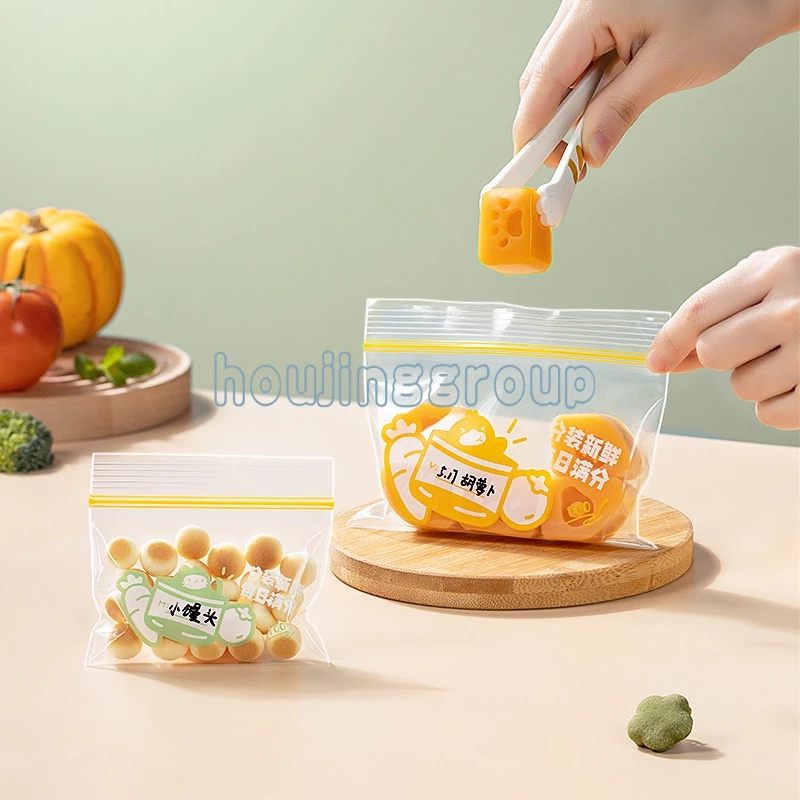
Ziplock Pouch For Food 

Perfect for storing and portioning baby meals. Keeps each serving organised and makes freezing and meal prep much easier.
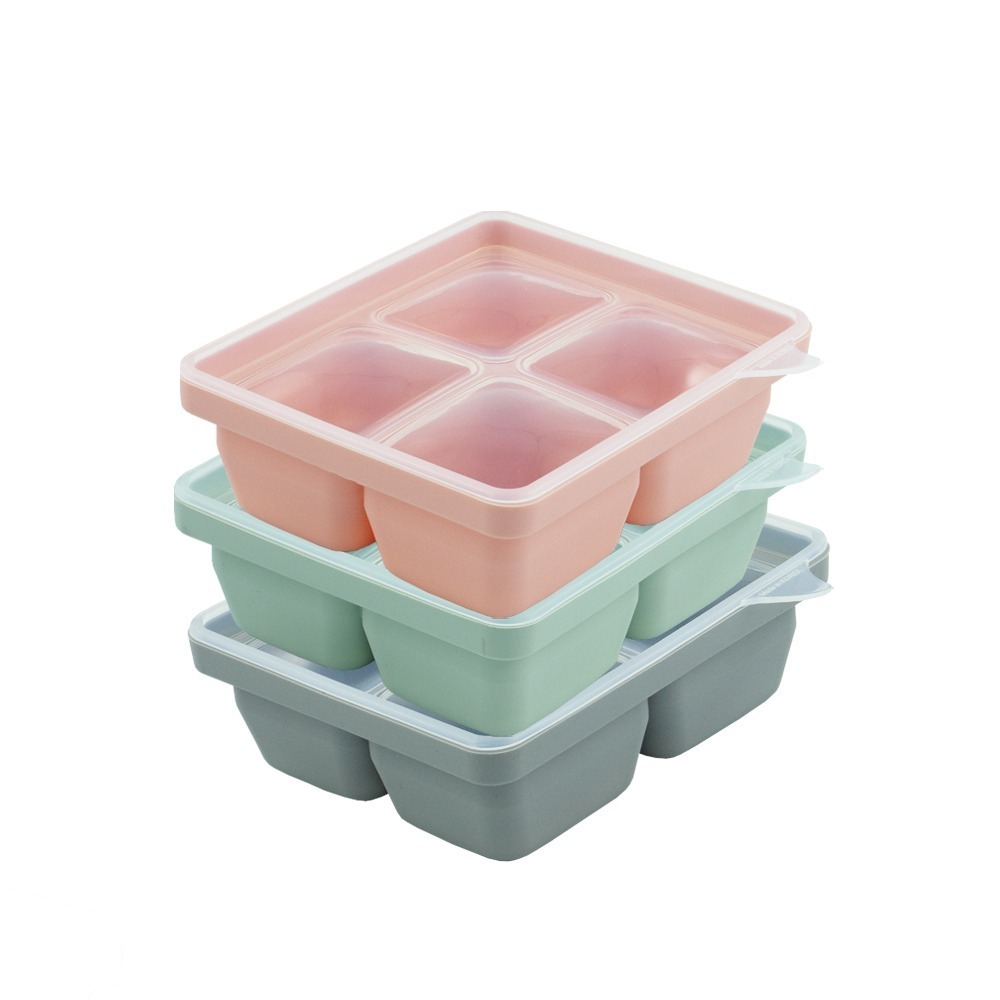
Silicone Cube Tray

Perfect for freezing baby food portions. Makes storing homemade purees simple, organised and convenient for everyday meals.

Frequently Asked Questions

Chicken tomato porridge can be introduced when your baby is ready for soft and increasingly textured foods and has started eating a wider variety of ingredients. Adjust the texture according to your baby’s feeding abilities.

You don’t necessarily need to, but I prefer removing it when preparing a very smooth porridge. As your baby becomes more comfortable with texture, finely chopped and thoroughly cooked tomato can be incorporated into the meal.

Tomato seeds don’t necessarily need to be removed. If you’re preparing an especially smooth texture, you can remove both the skin and seeds if you prefer.

Yes. I usually start cooking the rice and chicken first, then add the tomato later because it softens and breaks down relatively quickly.

Tomato is acidic and can sometimes irritate the skin around the mouth where the food makes contact. If you notice persistent symptoms, swelling, hives, vomiting, breathing difficulties or you’re concerned about a possible food reaction, seek appropriate medical advice.

No. There’s no need to add salt, sugar or stock cubes. Ripe tomato already gives the porridge plenty of natural flavour.

Once individual ingredients have been introduced, tomato can be combined with chicken, potato, carrot, broccoli, pumpkin or other suitable foods.

This article shares my personal experience and general information and should not replace individual medical or feeding advice. Babies develop at different rates. Speak with your child’s healthcare professional before starting solids if you have concerns about developmental readiness, growth, allergies or feeding.

About the author

SY is a mum of one and the founder of PicksBySY. Like many mums, she’s constantly learning, discovering and figuring things out as her little one grows. She created PicksBySY to share her real parenting experiences, useful finds and everyday discoveries – from baby milestones and toddler life to family activities and products she genuinely uses and loves.

More Recipes

Explore more easy baby food recipes for your little one.

Chicken Carrot Puree

Chicken Broccoli Porridge

Chicken Pumpkin Porridge

Pork Carrot Porridge

Pork Spinach Porridge

Posted on — 1 Comment

Chicken Broccoli Porridge

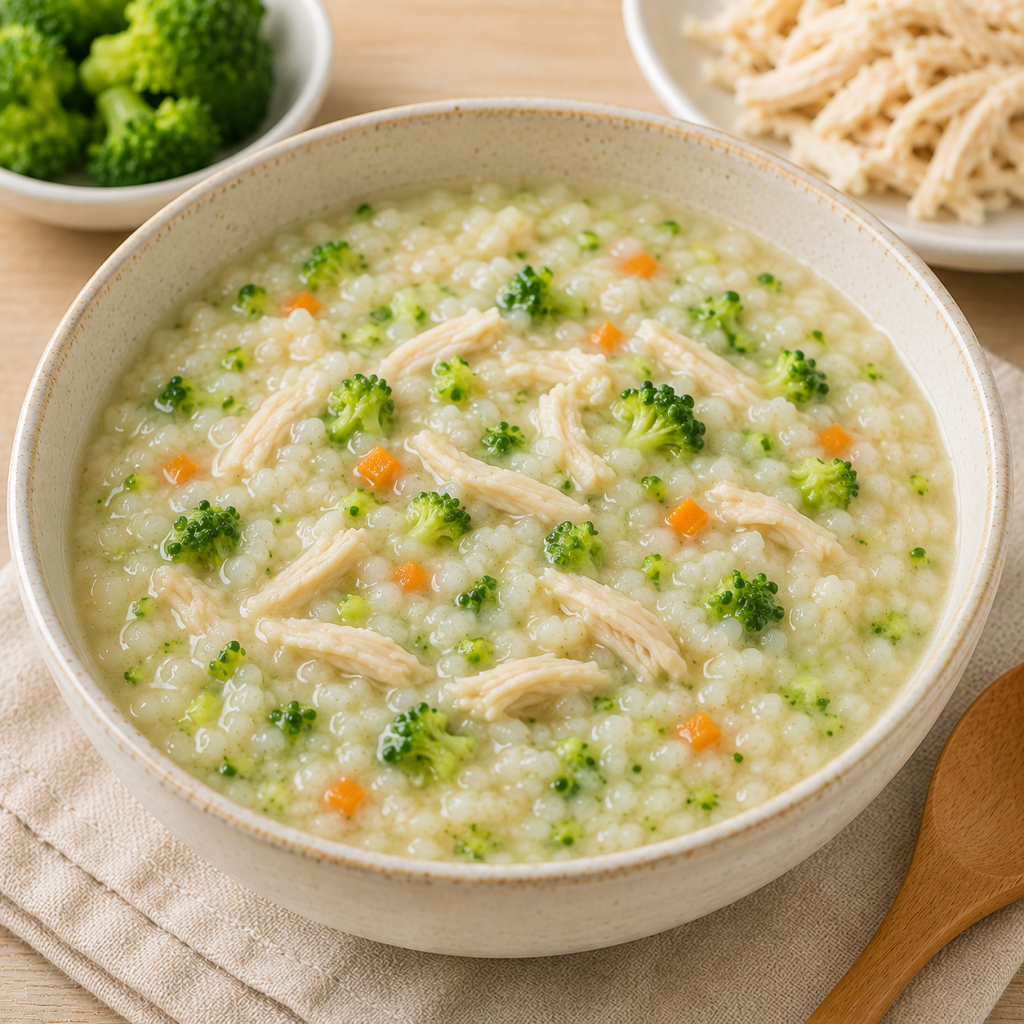
This easy chicken broccoli porridge for baby combines soft rice, tender chicken and broccoli into a simple homemade meal. Everything is cooked until soft, making it easy to adjust the texture as your baby becomes more comfortable with porridge and textured foods.

Chicken and broccoli was one of the combinations I liked introducing once my little one became more familiar with porridge. I could prepare the rice, protein and vegetable together in one meal, while keeping everything simple and letting her get used to the natural flavours of the ingredients.

Suitable for: Around 7–8 months+*
Prep Time: 10 minutes
Cook Time: 25–30 minutes
Servings: 1–2 baby portions

*Adjust the texture according to your baby’s feeding ability and development.

Ingredients for Chicken Broccoli Porridge

You only need a few simple ingredients:

  • 2 tbsp uncooked rice
  • 30g boneless, skinless chicken
  • 2–3 small broccoli florets
  • 1–1½ cups water, as needed

Chicken and broccoli make an easy savoury combination, while cooking everything with rice creates a soft and comforting baby meal.

How to Make Chicken Broccoli Porridge for Baby

1. Prepare the Ingredients

Rinse the rice thoroughly.

Wash the broccoli and cut it into small pieces. I like using the softer florets and chopping them finely for baby porridge.

Cut the chicken into small pieces and make sure there are no bones.

2. Cook the Rice

Place the rice and water into a small pot.

Bring to a boil, then lower the heat and simmer until the rice starts becoming soft.

3. Add the Chicken

Add the chicken to the porridge and continue cooking until it is thoroughly cooked through.

4. Add the Broccoli

Add the broccoli towards the later part of cooking and continue simmering until it becomes very soft.

Stir occasionally and add more water if the porridge becomes too thick.

5. Mash to the Right Texture

Once everything is fully cooked, mash the chicken and broccoli into the soft rice using the back of a spoon or fork.

For babies who need a smoother consistency, you can briefly blend the porridge.

As your baby becomes more comfortable with texture, gradually mash it less.

6. Serve Warm

Transfer the chicken broccoli porridge for baby into a clean bowl and allow it to cool to a suitable temperature before serving.

There’s no need to add salt, stock cubes or other seasoning.

Mum Tip

Broccoli has a more distinctive flavour than naturally sweet vegetables like pumpkin or carrot, so I liked introducing it together with ingredients my little one was already familiar with.

When she was still getting used to texture, I chopped the broccoli very finely and cooked it until really soft so it mixed easily into the porridge.

Make Weekday Baby Porridge Easier

As a working mum, I find preparing some of the ingredients ahead of time makes cooking baby porridge much more manageable.

I portion chicken into small meal-sized amounts and prepare vegetables ahead when I can. When it’s time to cook, I can simply take what I need instead of starting everything from scratch.

What I Use for Baby Meal Prep:

  • Reusable food ziplock pouches
  • Baby food storage containers
  • Silicone freezer trays
  • Mini food chopper or grinder

Add your Shopee affiliate links here.

How to Choose Chicken and Broccoli for Baby Porridge

For chicken, choose:

  • Fresh boneless chicken
  • Chicken that has been properly refrigerated
  • Meat with no unusual smell or appearance

For broccoli, choose broccoli that:

  • Looks fresh and firm
  • Has tightly packed florets
  • Has no yellowing or spoiled areas

What Texture Should Chicken Broccoli Porridge Be?

For babies transitioning from puree:
Cook the rice until very soft and mash or briefly blend the chicken and broccoli thoroughly into the porridge.

As baby progresses:
Gradually use less water and mash the ingredients less, leaving a thicker and more textured porridge appropriate for your baby’s feeding abilities.

How to Store Chicken Broccoli Porridge

Because this recipe contains cooked rice and chicken, cool any portion you’re keeping promptly and transfer it into a clean, airtight container in the refrigerator.

I personally prefer preparing baby porridge in smaller batches. If I make extra, I portion it straight away so I only need to take out what I need for each meal.

What Can I Add to Chicken Broccoli Porridge?

Once your baby has tried the individual ingredients, some easy combinations include:

  • Chicken + Broccoli + Carrot
  • Chicken + Broccoli + Pumpkin
  • Chicken + Broccoli + Potato
  • Chicken + Broccoli + Sweet Potato
  • Chicken + Broccoli + Spinach

SHOP SY PICKS

These are the simple tools I use at home to make baby food prep quicker and easier. Nothing fancy, just a few practical essentials that make cooking, portioning and storing meals much more convenient.

Daewoo Baby Food Maker 

Perfect for blending baby food smoothly. Makes preparing homemade purees quick, easy and convenient for everyday meals.

Ziplock Pouch For Food 

Perfect for storing and portioning baby meals. Keeps each serving organised and makes freezing and meal prep much easier.

Silicone Cube Tray

Perfect for freezing baby food portions. Makes storing homemade purees simple, organised and convenient for everyday meals.

Frequently Asked Questions

Chicken broccoli porridge can be introduced once your baby is ready for soft and increasingly textured foods. Adjust the consistency according to your baby’s current feeding abilities rather than relying only on age.

Not necessarily. For babies transitioning from puree, you can mash or briefly blend the porridge. As they become more comfortable with texture, gradually leave it thicker and less finely mashed.

No. You can cook the broccoli directly in the porridge. I prefer adding it later because broccoli generally cooks faster than rice and chicken.

Yes. Chicken, broccoli and rice can be cooked together. I usually start with the rice and chicken, then add the broccoli later so everything becomes soft without overcooking the broccoli too much.

The softer parts of broccoli stems can be used when appropriately prepared, but for an easy baby porridge I personally prefer the tender florets because they soften quickly and mix easily into the rice.

Rice absorbs water as it cooks and the porridge will continue to thicken. Simply add a little more water during cooking until you reach the consistency you want.

Once individual ingredients have been introduced, broccoli can be combined with chicken, potato, sweet potato, carrot, pumpkin and other suitable ingredients.

This article shares my personal experience and general information and should not replace individual medical or feeding advice. Babies develop at different rates. Speak with your child’s healthcare professional before starting solids if you have concerns about developmental readiness, growth, allergies or feeding.

About the author

SY is a mum of one and the founder of PicksBySY. Like many mums, she’s constantly learning, discovering and figuring things out as her little one grows. She created PicksBySY to share her real parenting experiences, useful finds and everyday discoveries – from baby milestones and toddler life to family activities and products she genuinely uses and loves.
More Recipes

Explore more easy baby food recipes for your little one.

Chicken Carrot Puree

Banana Puree

Avocado Puree

Pumpkin Puree

Posted on — Leave a comment

Chicken Carrot Puree

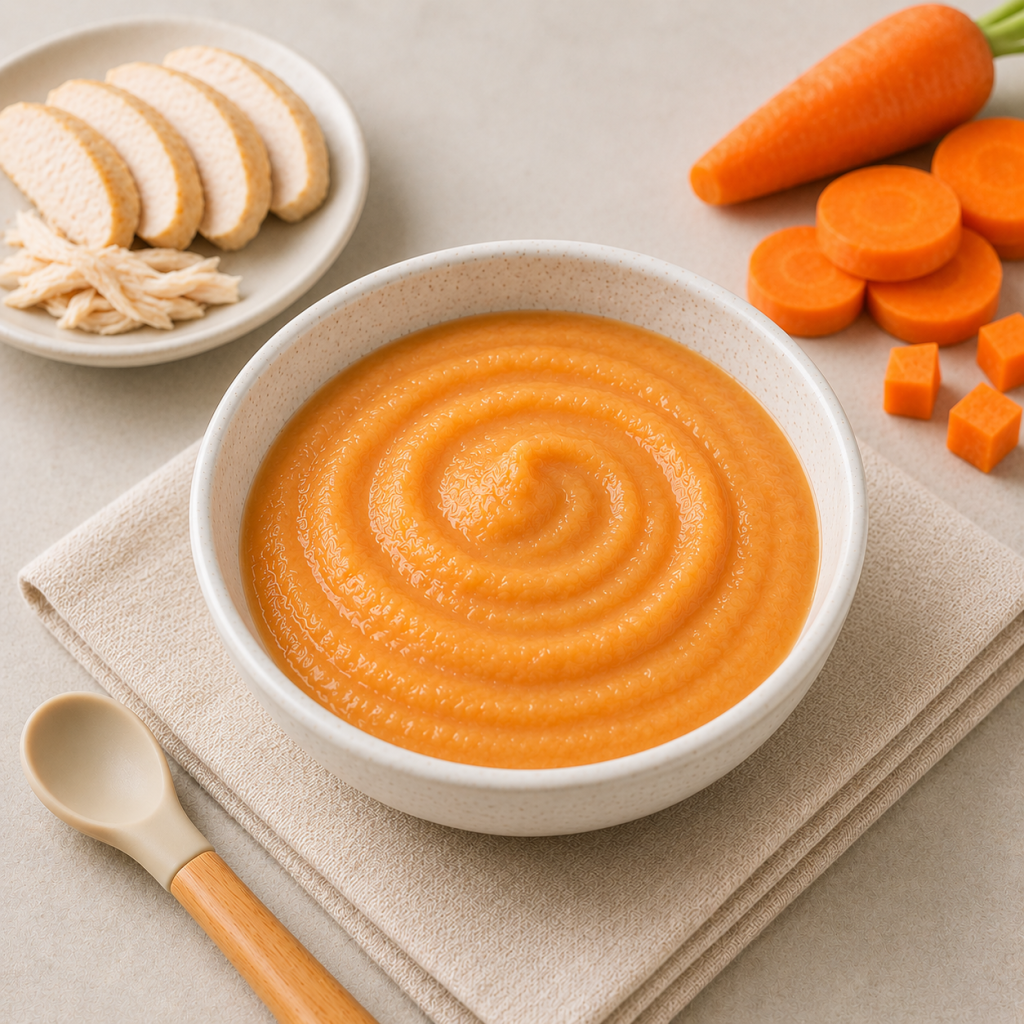
This easy chicken carrot puree for baby combines tender chicken with naturally sweet carrot to create a smooth and simple homemade baby meal. It’s an easy savoury combination for introducing different flavours and ingredients as your baby progresses with solids.

When I started adding meat into my little one’s meals, I liked pairing it with vegetables she was already familiar with. Carrot was an easy choice because its natural sweetness worked really well with chicken, and both ingredients could be steamed together to keep preparation simple.

Suitable for: Around 6 months+
Prep Time: 10 minutes
Cook Time: 15–20 minutes
Servings: 1–2 baby portions

Ingredients for Chicken Carrot Puree

You only need three simple ingredients:

  • 30g boneless, skinless chicken
  • ½ medium carrot
  • 3–5 tbsp warm water, as needed

Chicken and carrot make a simple savoury combination, with carrot adding a little natural sweetness to the meal.

How to Make Chicken Carrot Puree for Baby

1. Prepare the Ingredients

Peel and wash the carrot before cutting it into small pieces.

Cut the chicken into small pieces and make sure there are no bones.

2. Steam Until Fully Cooked

Steam the chicken and carrot for around 15–20 minutes, or until the carrot is completely soft and the chicken is thoroughly cooked through.

3. Blend Until Smooth

Transfer the cooked chicken and carrot into a baby food blender.

Add warm water gradually and blend until you reach your baby’s preferred consistency.

4. Serve Warm

Transfer the chicken carrot puree for baby into a clean baby bowl and allow it to cool before serving.

There’s no need to add salt or other seasoning.

Mum Tip

When I started introducing meat, I found it easier to pair it with vegetables my little one had already tried.

Carrot worked especially well because it added a little natural sweetness to the chicken without needing any extra seasoning.

How to Choose Chicken and Carrot for Baby Puree

For chicken, choose:

  • Fresh boneless chicken
  • Chicken that has been properly refrigerated
  • Meat with no unusual smell or appearance

For carrot, choose one that:

  • Feels firm
  • Looks fresh
  • Has no soft or spoiled areas

What Texture Should Chicken Carrot Puree Be?

For babies just starting solids:
Blend thoroughly with enough warm water to create a smooth consistency.

As baby progresses:
Use less water and gradually make the puree thicker.

How to Store Chicken Carrot Puree

Because this recipe contains cooked chicken, cool any portion you’re keeping promptly and transfer it into a clean, airtight container in the refrigerator.

I personally prefer making meat-based baby meals in smaller portions so I only prepare what I actually need.

What Can I Mix With Chicken Carrot Puree?

Some easy combinations include:

  • Chicken + Carrot + Potato
  • Chicken + Carrot + Pumpkin
  • Chicken + Carrot + Broccoli
  • Chicken + Carrot + Rice
  • Chicken + Carrot + Sweet Potato

SHOP SY PICKS

These are the simple tools I use at home to make baby food prep quicker and easier. Nothing fancy, just a few practical essentials that make cooking, portioning and storing meals much more convenient.

Daewoo Baby Food Maker 

Perfect for blending baby food smoothly. Makes preparing homemade purees quick, easy and convenient for everyday meals.

Ziplock Pouch For Food 

Perfect for storing and portioning baby meals. Keeps each serving organised and makes freezing and meal prep much easier.

Silicone Cube Tray

Perfect for freezing baby food portions. Makes storing homemade purees simple, organised and convenient for everyday meals.

Frequently Asked Questions

Chicken and carrot can be prepared together in an age-appropriate texture once your baby is ready for solids. Make sure the chicken is thoroughly cooked and the carrot is completely soft.

Boneless, skinless chicken breast or thigh can both be used.

Chicken can be more difficult to blend than vegetables. Combining it with soft carrot and gradually adding warm water helps create a smoother consistency.

No. There’s no need to add salt to chicken carrot puree for baby.

Yes. As your baby progresses with textures, cooked chicken and carrot can also be combined with soft rice or porridge.

Potato, pumpkin, broccoli, sweet potato and rice are easy ingredients to explore alongside chicken and carrot.

This article shares my personal experience and general information and should not replace individual medical or feeding advice. Babies develop at different rates. Speak with your child’s healthcare professional before starting solids if you have concerns about developmental readiness, growth, allergies or feeding.

About the author

SY is a mum of one and the founder of PicksBySY. Like many mums, she’s constantly learning, discovering and figuring things out as her little one grows. She created PicksBySY to share her real parenting experiences, useful finds and everyday discoveries – from baby milestones and toddler life to family activities and products she genuinely uses and loves.
More Recipes

Explore more easy baby food recipes for your little one.

Sweet Potato Puree

Banana Puree

Avocado Puree

Pumpkin Puree

Posted on — Leave a comment

Sweet Potato Puree

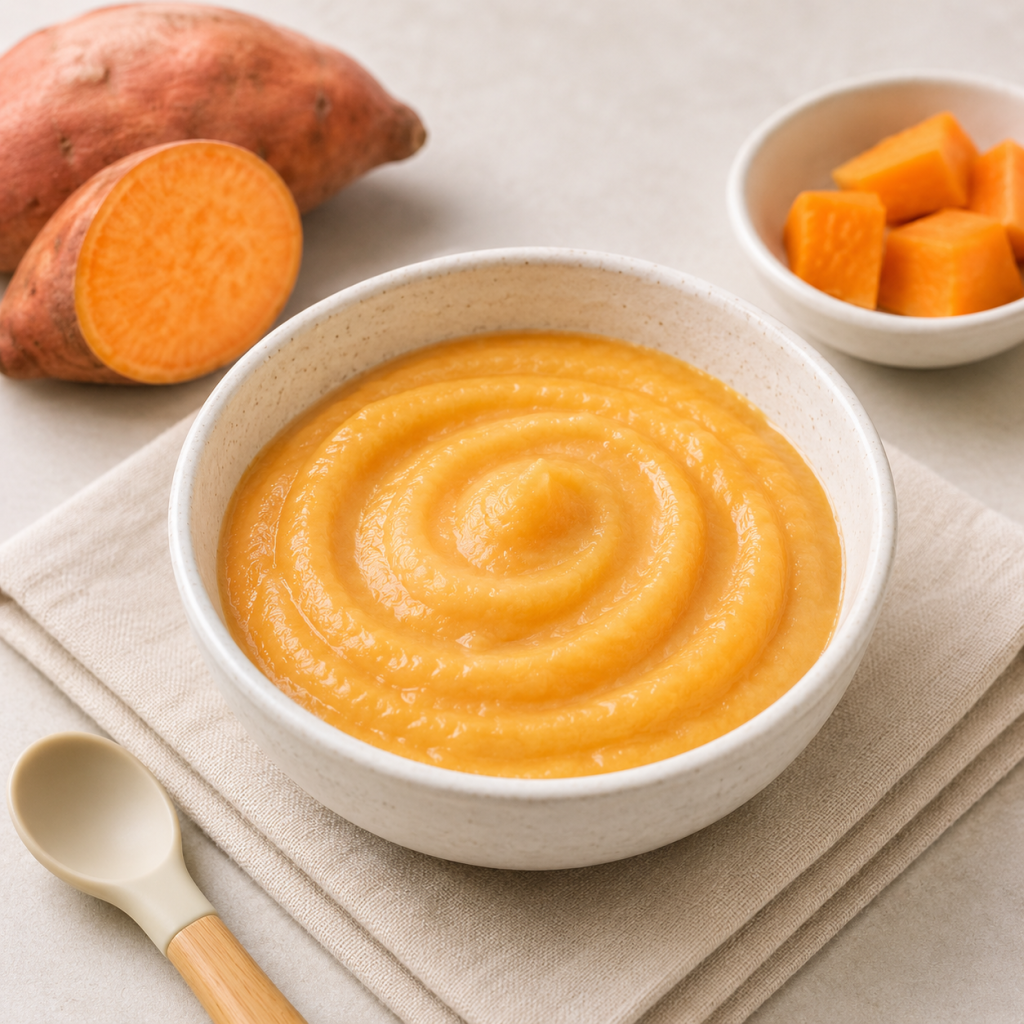
This easy sweet potato puree for baby is naturally sweet, soft and creamy, making it a simple first food to prepare when starting solids. With just sweet potato and a little warm water, you can make a smooth homemade baby puree without complicated preparation.

Sweet potato quickly became one of my favourite ingredients when my little one started solids. Once steamed, it was already so soft and creamy that blending took hardly any effort. I also loved that its natural sweetness meant there was no need to add sugar or other sweeteners.

Suitable for: Around 6 months+
Prep Time: 5 minutes
Cook Time: 10–15 minutes
Servings: 1–2 baby portions

Ingredients for Sweet Potato Puree

You only need two simple ingredients:

  • ½ medium sweet potato
  • 2–4 tbsp warm water, as needed

Choose a sweet potato that feels firm and has no soft or damaged areas.

How to Make Sweet Potato Puree for Baby

1. Prepare the Sweet Potato

Peel and wash the sweet potato thoroughly. Cut it into small, evenly sized cubes.

2. Steam Until Soft

Steam for around 10–15 minutes, or until the sweet potato is completely soft and easily pierced with a fork.

3. Blend Until Smooth

Transfer the cooked sweet potato into a baby food blender.

Add warm water one tablespoon at a time and blend until smooth.

4. Serve Warm

Transfer the sweet potato puree for baby into a clean baby bowl and allow it to cool before serving.

Sweet potato is naturally sweet, so there’s no need to add sugar or other sweeteners.

[ Free Download PDF ↓ ]

Mum Tip

Sweet potato was one of my favourite ingredients for meal prep because it becomes naturally creamy after steaming.

I usually start with very little water when blending because it’s always easier to add more if the puree is too thick.

How to Choose a Sweet Potato for Baby Puree

Look for a sweet potato that:

  • Feels firm
  • Has relatively smooth skin
  • Has no soft or wet spots
  • Has no signs of mould
  • Has no major cuts or damaged areas

What Texture Should Sweet Potato Puree Be?

For babies just starting solids:
Blend thoroughly with a little warm water until smooth and easy to spoon.

As baby progresses:
Use less water and gradually leave the sweet potato thicker or lightly mashed.

How to Store Sweet Potato Puree

Allow the puree to cool before transferring it into a clean, airtight food container and refrigerating it promptly.

If you’re preparing several portions, divide them into individual containers so you can take out only what you need for each meal.

What Can I Mix With Sweet Potato Puree?

Some easy combinations include:

  • Sweet Potato + Apple
  • Sweet Potato + Carrot
  • Sweet Potato + Pumpkin
  • Sweet Potato + Chicken
  • Sweet Potato + Avocado
  • Sweet Potato + Salmon

SHOP SY PICKS

These are the simple tools I use at home to make baby food prep quicker and easier. Nothing fancy, just a few practical essentials that make cooking, portioning and storing meals much more convenient.

Daewoo Baby Food Maker 

Perfect for blending baby food smoothly. Makes preparing homemade purees quick, easy and convenient for everyday meals.

Ziplock Pouch For Food 

Perfect for storing and portioning baby meals. Keeps each serving organised and makes freezing and meal prep much easier.

Silicone Cube Tray

Perfect for freezing baby food portions. Makes storing homemade purees simple, organised and convenient for everyday meals.

Frequently Asked Questions

Sweet potato can be prepared as a soft puree for babies who are developmentally ready to start solids, usually around 6 months.

Both methods can work, but I personally prefer steaming. The sweet potato becomes beautifully soft without getting too watery.

No. Sweet potato already has a naturally sweet flavour, so there’s no need to add sugar or other sweeteners.

Add warm water one tablespoon at a time while blending until you reach your baby’s preferred consistency.

Yes. You can prepare a small batch ahead of time, cool it promptly and store it appropriately in a clean, airtight container.

This article shares my personal experience and general information and should not replace individual medical or feeding advice. Babies develop at different rates. Speak with your child’s healthcare professional before starting solids if you have concerns about developmental readiness, growth, allergies or feeding.

About the author

SY is a mum of one and the founder of PicksBySY. Like many mums, she’s constantly learning, discovering and figuring things out as her little one grows. She created PicksBySY to share her real parenting experiences, useful finds and everyday discoveries – from baby milestones and toddler life to family activities and products she genuinely uses and loves.

More Recipes

Explore more easy baby food recipes for your little one.

Sweet Potato Puree

Banana Puree

Avocado Puree

Pumpkin Puree

Posted on — Leave a comment

5 Easy Baby Solid Food Recipes for Babies 6 Months+ (Healthy First Foods)

Starting solids is one of the most exciting milestones in your baby’s first year. After months of milk feeds, watching your little one explore new flavours, textures, and tastes can feel like a big step for both baby and parents.

Many parents worry about what foods to prepare, whether their baby is ready, and how to make meals that are nutritious but simple.

The good news is that preparing baby solid food recipes at home does not need to be complicated. With a few fresh ingredients and simple cooking methods, you can create healthy meals that support your baby’s early eating journey.

These five homemade baby food recipes are suitable for babies around 6 months and above, depending on your baby’s readiness for solids. Always introduce new foods gradually and observe your baby for any signs of allergies.

What Makes a Good Baby Solid Food Recipe?

A good baby solid food recipe should be:

  • Easy for babies to digest
  • Made with fresh ingredients
  • Free from added salt and sugar
  • Soft and easy to chew
  • Suitable for your baby’s developmental stage

When preparing baby solid food recipes, focus on introducing a variety of flavours, textures, and nutrients rather than creating complicated meals.

Things to Remember Before Preparing Baby Solid Food Recipes

Before introducing homemade meals, keep these simple tips in mind:

✅ Ensure your baby shows signs of readiness for solids
✅ Cook all ingredients until soft and easy to mash
✅ Avoid salt, sugar, honey, and processed seasonings
✅ Introduce one new ingredient at a time
✅ Start with small portions
✅ Adjust texture according to your baby’s age and eating skills

For younger babies (around 6 months), smoother purees may be easier. As your baby grows, gradually introduce thicker textures and soft finger foods.

1. Sweet Potato Puree – A Simple Baby Solid Food Recipe for Beginners

Suitable age: 6 months+

Sweet potatoes are naturally sweet, soft, and packed with nutrients, making them into sweet potato pureeone of the most popular first foods for babies. They contain fibre, vitamins, and minerals that support your baby’s growth.

Ingredients

  • 1 medium sweet potato
  • 30–60ml breast milk, formula milk, or water (optional)

Preparation Method

Step 1: Prepare the sweet potato

Wash and peel the sweet potato thoroughly. Cut it into small cubes so it cooks faster and more evenly.

Step 2: Cook until soft

Steam the sweet potato cubes for around 15–20 minutes until they become soft enough to mash easily with a fork.

(Steaming helps retain more nutrients compared with boiling.)

Step 3: Blend or mash

Place the cooked sweet potato into a blender and add a small amount of breast milk, formula, or water until you reach your preferred texture.

For younger babies:
→ Make a smooth puree

For older babies:
→ Leave a slightly thicker texture to encourage chewing skills

Storage Tips

  • Refrigerator: Store in an airtight container for up to 3 days
  • Freezer: Freeze in small portions for up to 3 months

2. Banana Oat Porridge – A Nutritious Baby Solid Food Recipe for Breakfast

Suitable age: 6 months+

This simple baby breakfast recipe combines natural sweetness from bananas with oats for a filling and nutritious meal.

Ingredients

  • 2 tablespoons baby oats
  • ½ ripe banana
  • 100ml water or milk suitable for your baby

Preparation Method

Step 1: Cook the oats

Add oats and water into a small saucepan. Cook on low heat for around 5–10 minutes until soft.

Step 2: Mash the banana

Mash the banana using a fork until smooth.

Step 3: Combine ingredients

Mix the mashed banana into the cooked oats.

Allow the porridge to cool before serving.

Tips

For babies starting solids:

  • Blend the porridge for a smoother texture

For older babies:

  • Keep a thicker texture for practising chewing

Storage

Best served fresh, but can be stored in the refrigerator for up to 24 hours.

3. Pumpkin Chicken Rice Puree – Protein-Rich Baby Solid Food Recipe

Suitable age: 7 months+

Once your baby is comfortable with fruits and vegetables, introducing protein sources like chicken can help provide important nutrients for growth and development.

Ingredients

  • 30g chicken breast
  • 50g pumpkin
  • 2 tablespoons cooked rice
  • Water as needed

Preparation Method

Step 1: Cook chicken

Cut chicken into small pieces and steam or boil until fully cooked.

Make sure there are no pink areas remaining.

Step 2: Prepare pumpkin

Remove pumpkin skin and seeds. Cut into cubes and steam until soft.

Step 3: Blend together

Combine chicken, pumpkin, and cooked rice.

Blend with a small amount of water until you achieve a soft puree texture.

Serving Tip

You can gradually increase the texture by reducing the blending time as your baby becomes more comfortable eating.

Storage

  • Refrigerator: Up to 2 days
  • Freezer: Up to 1 month

4. Avocado Banana Mash – Healthy Baby Solid Food Recipe Without Cooking

Suitable age: 6 months+

This no-cook recipe is perfect for busy parents. Avocado provides healthy fats that support brain development, while banana adds natural sweetness. Avocado banana mash recipe:

Ingredients

  • ½ ripe avocado
  • ½ ripe banana

Preparation Method

Step 1: Prepare ingredients

Cut the avocado in half and remove the seed.

Scoop out the flesh and mash together with banana.

Step 2: Adjust texture

For younger babies:

  • Add breast milk, formula, or water to make it smoother

For older babies:

  • Serve as a thicker mash

Storage

Because avocado changes colour quickly, this recipe is best served immediately.

5. Broccoli Potato Mash – Vegetable Baby Solid Food Recipe

Suitable age: 7 months+

This vegetable combination introduces new flavours and textures while providing important vitamins and minerals. Broccoli potato mash recipe:

Ingredients

  • 1 small potato
  • 3–4 broccoli florets
  • Water or milk suitable for baby

Preparation Method

Step 1: Cook vegetables

Peel and cut potato into small cubes.

Steam potato and broccoli together for around 15–20 minutes until soft.

Step 2: Mash together

Mash the vegetables using a fork or blend until smooth.

Add water or milk gradually until you reach the desired consistency.

Tips

If your baby dislikes broccoli at first, try mixing it with sweeter vegetables such as pumpkin or sweet potato.

How to Make Baby Solid Food Recipes Easier for Busy Parents

Preparing baby meals every day can feel overwhelming, especially for new parents.

Here are some simple tips:

Prepare ingredients in batches

Steam vegetables in larger portions and freeze them into small serving sizes.

Use silicone freezer trays

Small portions make it easier to prepare meals quickly.

Keep simple combinations

You don’t need complicated recipes. A simple combination of:

  • Vegetable + carbohydrate
  • Vegetable + protein
  • Fruit + grain

can create balanced meals.

Written by SY
A mum sharing personal parenting experiences, discoveries, and everyday lessons.

Frequently Asked Questions About Baby Solid Food Recipes

Most babies are ready for solids around 6 months old when they show signs such as sitting with support, good head control, and interest in food.

At the beginning, solids are mainly for exploration. Start with small amounts, such as one or two teaspoons, and gradually increase based on your baby’s appetite.

Yes. Many homemade baby food recipes can be prepared ahead and stored safely in the refrigerator or freezer.

Both approaches can work. Some parents prefer purees initially, while others introduce soft finger foods through baby-led weaning. Many families combine both methods.

Avoid honey before 12 months, added salt, added sugar, whole nuts, choking hazards, and foods that are not prepared safely.

Shop Our Picks

Shopee Affiliate Storefront